Signs Your Plant is Dying and How to Save It
Are your leafy companions looking a bit sad? Do not worry, you are not alone. You probably just need a little friendly guidance to bring them back from the brink. You will learn here how to spot the red flags and become your plant’s hero.
Understanding Plant Distress Signals
You probably think your plant just wants to cause you grief, but it actually tries to tell you something. They use visual cues, like color changes or drooping leaves, to signal distress. Pay attention to these silent screams.
Foliage Follies: What Leaf Colors Tell You
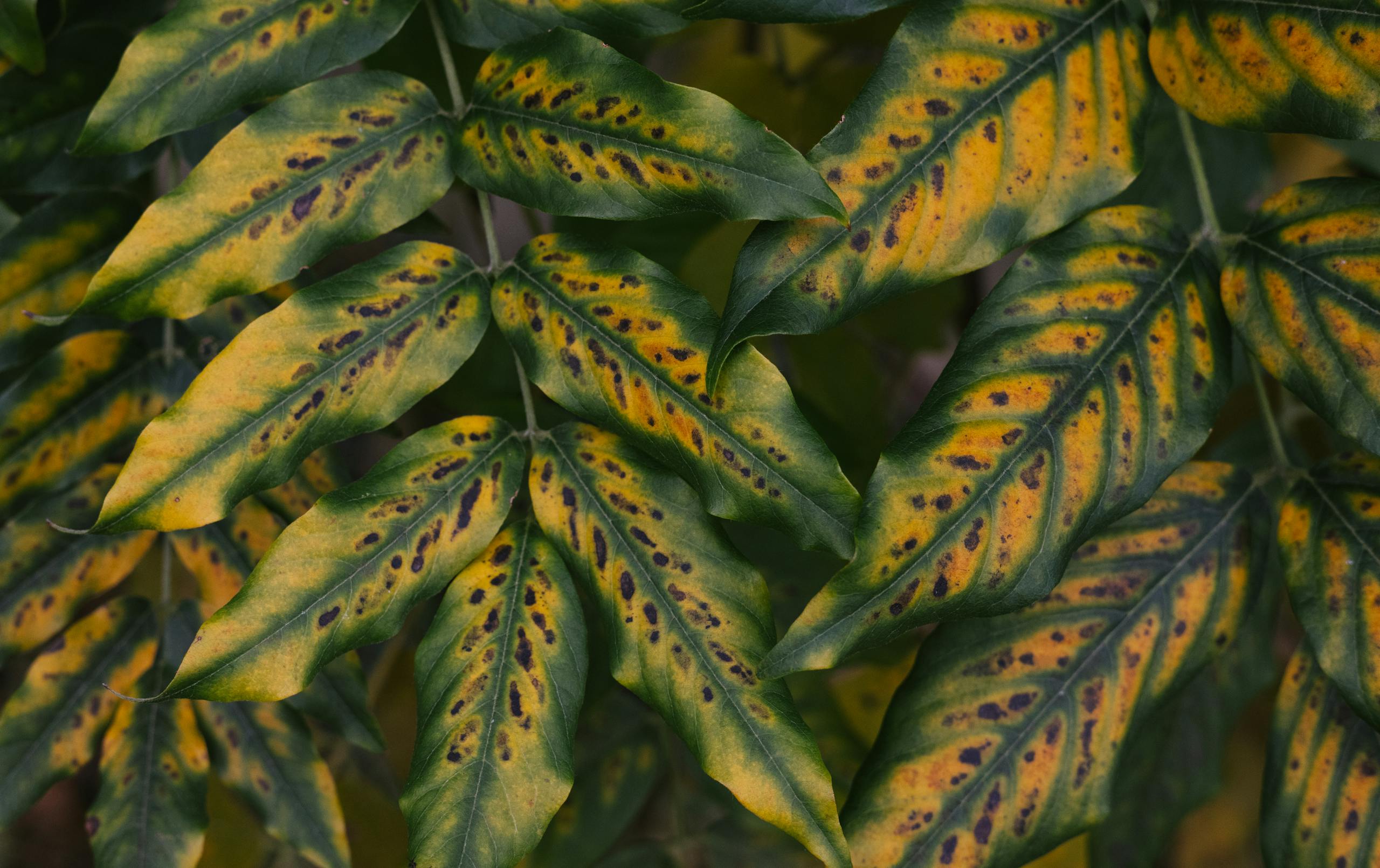
The color of your plant’s leaves often gives the first clue that something is amiss. Yellow leaves, brown tips, or even entire white patches each point to different problems.
- Yellow Leaves (Chlorosis): This often means too much water or a lack of nutrients. Your plant struggles to produce chlorophyll, the green pigment.
- Brown Leaf Tips: This common problem usually comes from low humidity, too much fertilizer, or inconsistent watering. Think of it as a plant sunburn.
- Crispy Brown Leaves: When leaves become entirely brown and brittle, your plant is likely underwatered or experiencing extreme dry air.
- Pale or White Leaves: Not enough light (etiolation) or a severe nutrient deficiency, especially iron, can cause this washed-out look.
Drooping Drama: When Your Plant Sags
A plant that looks like it gave up on life is probably just thirsty. Or maybe too thirsty. It is a subtle difference, I know.
| Symptom | Likely Cause | What to Do |
|---|---|---|
| Limp, Drooping Leaves | Underwatering or sometimes overwatering (root rot) | Check soil moisture. Water if dry; inspect roots if wet. |
| Stiff, Downward-Curling Leaves | Too much light or heat stress | Move to a shadier spot. |
You can tell the difference between underwatering and overwatering by checking the soil. If it is bone dry, water your plant. If the soil is soggy, you probably drowned it.
Diagnosing the Root Cause: Common Mistakes
You probably made one of these rookie mistakes. Do not feel bad. Everyone does it.
Watering Woes: Too Much or Too Little?
Watering is probably the trickiest part of plant care. It is a delicate balance, like trying to walk a tightrope while blindfolded.
I once had a beautiful fiddle leaf fig that looked utterly miserable every morning. I thought, “More water, obviously!” I gave it a good drink every day, and it just got worse. Turns out, I was drowning the poor thing. Lesson learned: less is often more.
- Underwatering: Soil pulls away from the pot, leaves are crispy, and the plant feels light.
- Overwatering: Soil stays soggy, leaves turn yellow and mushy, and the plant smells funky (root rot).
The best way to know when to water is to stick your finger about an inch or two into the soil. If it feels dry, water your plant. If it is damp, wait.
Light Levels: Finding the Sweet Spot
Plants are like Goldilocks; they need just the right amount of light. Too much, and they get sunburned. Too little, and they stretch out, looking leggy and pale.
A south-facing window gives bright, direct light. An east-facing window gives gentle morning sun. North-facing windows offer indirect, lower light. Think about what your plant likes. A cactus loves that intense sun, but a fern definitely does not.
Humidity Hang-Ups: Dry Air Despair
Your tropical plants probably feel very uncomfortable in your dry house. Many plants, especially those with thin leaves, need higher humidity. They get crispy leaf tips when the air is too dry.
You can mist your plants, but a pebble tray or a humidifier works much better. Grouping plants together also creates a mini-microclimate with higher humidity.
Nutrient Nuisances: Feeding Your Foliage
Plants need food, just like you. They get hungry. If your plant looks sickly and you have ruled out watering and light problems, it might need some grub.
Yellowing leaves, stunted growth, and dull foliage often signal a nutrient deficiency. Do not just blindly dump fertilizer on your plant. That causes its own set of problems, like fertilizer burn, which turns leaf edges brown and crispy. Think of it as giving your plant a spicy curry when it prefers a smoothie.
Resurrection Recipes: Saving Your Sick Plant
You can save most dying plants with a little TLC. Patience is your best friend here.
Pruning for a Purpose: Snip, Snip, Hooray!
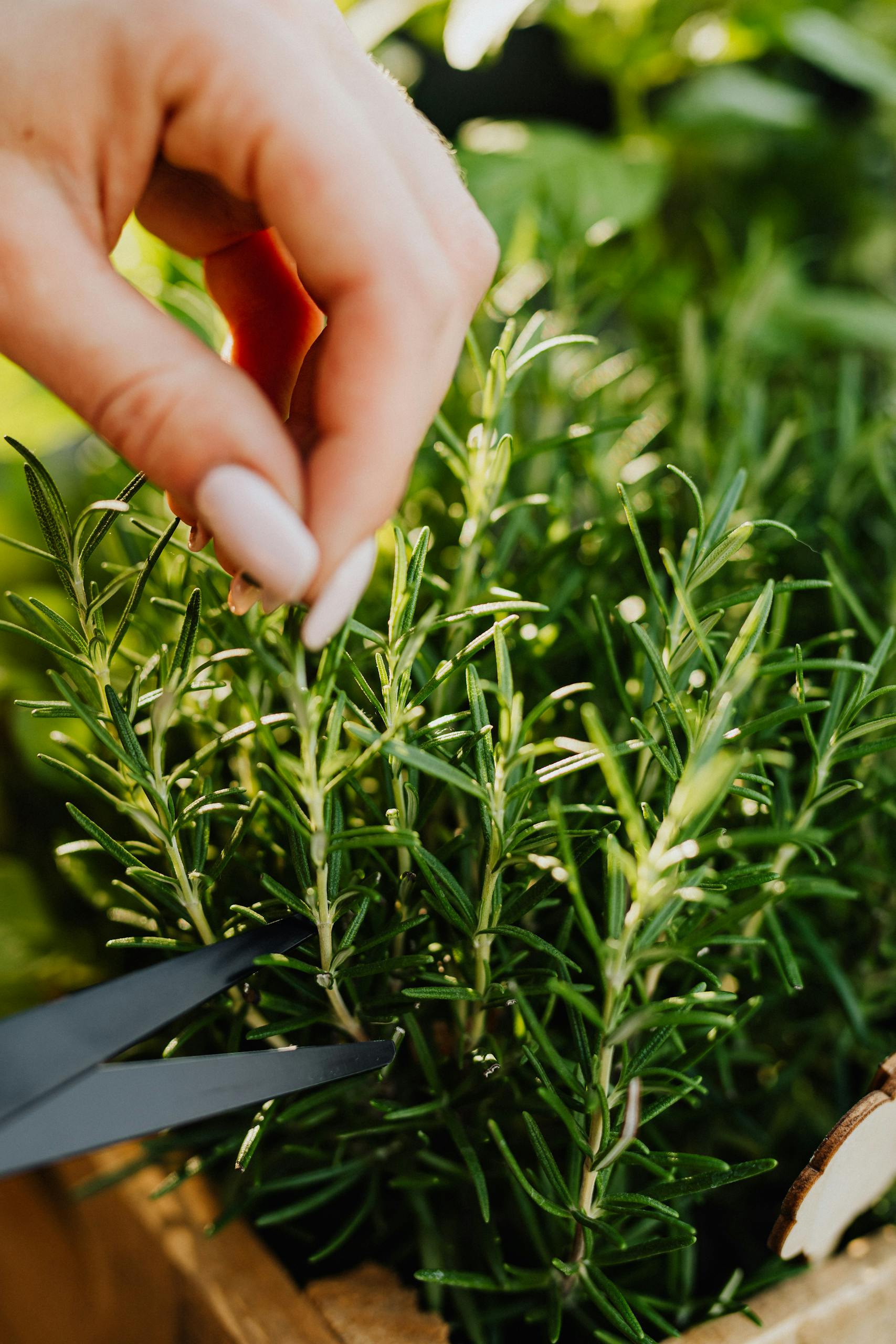
Removing dead or dying leaves and stems helps your plant focus its energy on new growth. It also makes your plant look much better instantly. Use clean, sharp scissors or pruning shears. Make your cuts just above a leaf node or a branch junction.
Repotting Your Rescues: A Fresh Start
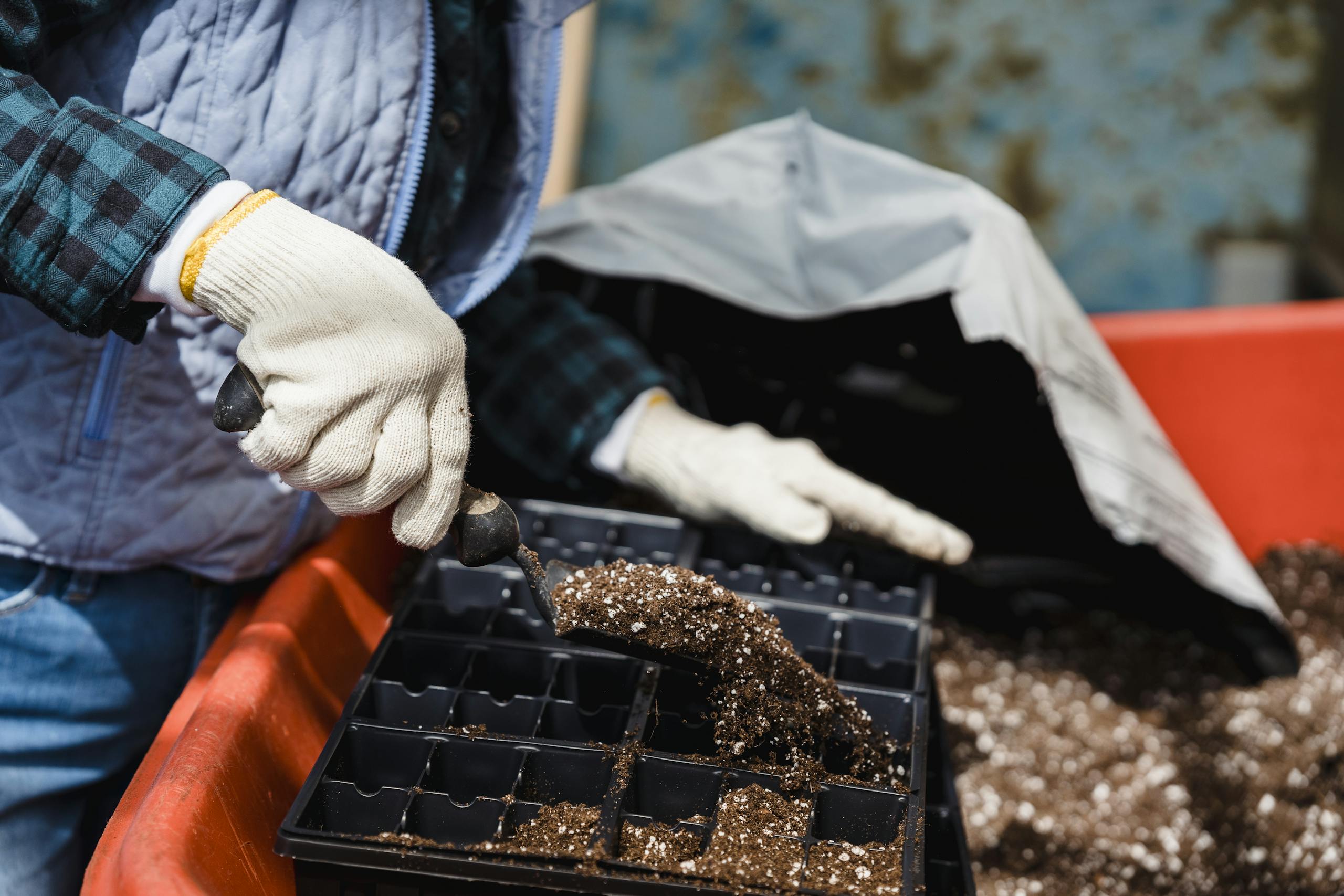
Sometimes, your plant outgrows its pot. When roots are circling the bottom of the pot, or sticking out of the drainage holes, it is time for a bigger home. Repotting gives your plant fresh soil and room to grow.
Choose a pot only one or two inches larger in diameter. Too big of a pot holds too much moisture, leading to root rot. Make sure the new pot has drainage holes. Your plant does not like to sit in water.
Pest Patrol: Evicting Unwanted Guests
Tiny invaders can wreak havoc on your plant. Look for sticky residue, distorted leaves, or tiny bugs themselves. Common pests include spider mites, aphids, and mealybugs.
- Isolate the infected plant immediately. You do not want these guys spreading.
- Spray the plant with insecticidal soap or a neem oil solution. Cover all leaf surfaces, front and back.
- Repeat the treatment every few days until the pests are gone.
I once battled a severe case of spider mites on my beloved prayer plant. I was ready to throw in the towel. But I persevered with neem oil sprays, and now it thrives. It was a messy few weeks, but worth it.
Preventative Plant Parenting: Keeping Them Happy
An ounce of prevention is worth a pound of cure, especially in the plant world. Be proactive.
Consistent Care Routines: Daily Habits
Check your plants regularly. That means looking at them, touching the soil, and observing their general demeanor. A few minutes each day helps you catch problems before they become catastrophes.
Environmental Awareness: Air and Flow
Good air circulation helps prevent fungal diseases. Do not crowd your plants too much. Also, keep your plants away from extreme temperature fluctuations, like drafts from open doors or direct blasts from heating vents.
FAQ
Can a plant really come back from the dead?
Not if it is completely dead, but many plants on the brink of death can rebound with proper care. Look for any remaining green tissue or firm stems as signs of life.
How often should I fertilize my houseplants?
Most houseplants only need fertilizer during their active growing season, which is usually spring and summer. Follow the product instructions and avoid over-fertilizing, which can burn their delicate roots.
What is the easiest way to check if my plant needs water?
The simplest method involves sticking your finger about an inch into the soil. If it feels dry, it is probably time to water; otherwise, wait a bit longer.