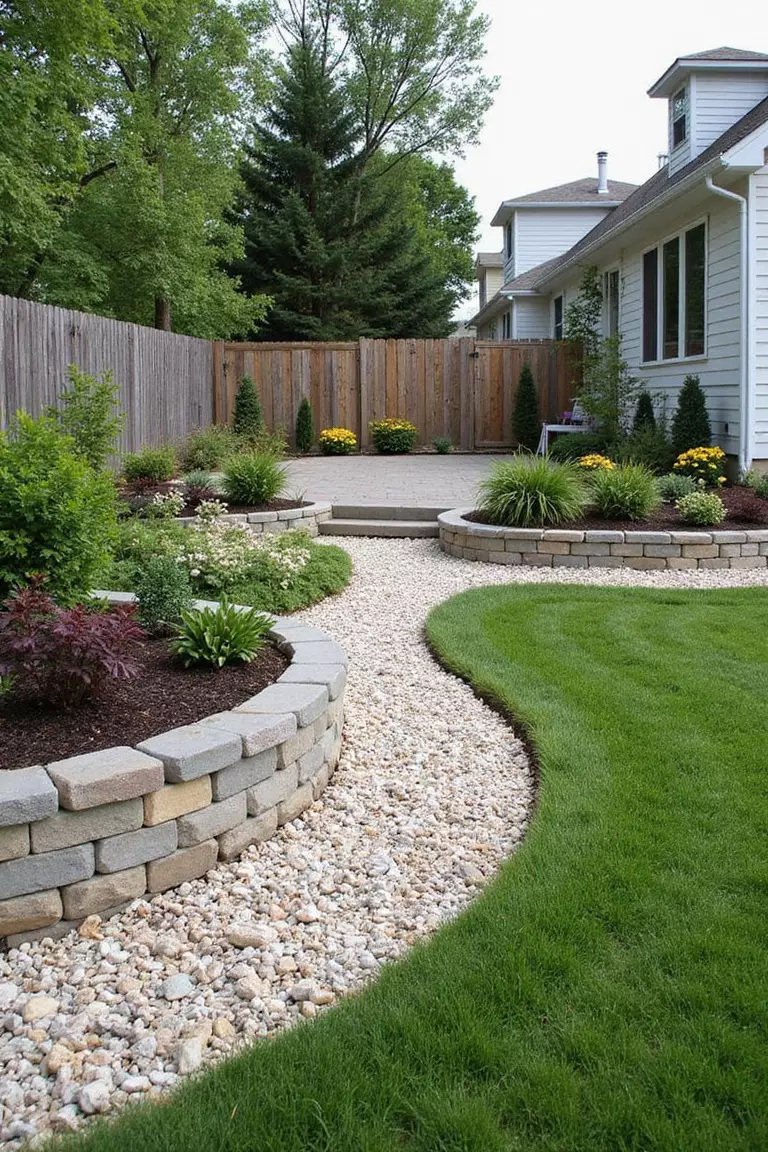
How to Design a Low-Maintenance Home Garden Layout
You crave a beautiful outdoor space but hate the thought of endless weeding and watering, right? Well, you are in luck. I will show you how to design a garden that practically takes care of itself. Get ready to enjoy your garden without all the fuss.
Start with a Strategic Mindset for Easy Gardening

The biggest mistake new gardeners make is just throwing plants in the ground and hoping for the best. That is a recipe for backaches and disappointment, trust me. You really need to think about what you want your garden to do for you, and how little effort you want to put in.
My neighbor, bless her heart, planted an entire rose garden and then wondered why she spent every weekend battling thorns. She should have planned better.
Understand Your Climate and Soil
Before you even dream about pretty flowers, you need to know what your land can handle. Trying to grow tropical plants in a frosty area is like trying to convince a cat to fetch; it just will not happen easily.
A soil test kit from your local nursery is a small investment that saves you big headaches later. This tells you what nutrients your soil has and how acidic it is.
Assess Your Sun Exposure
Walk around your yard at different times of the day. Notice where the sun hits and for how long. Some spots get full sun all day, others are shady havens.
Your plants need the right amount of sunshine to thrive, not just survive. Planting a sun-loving plant in the shade is like putting a sunbather in a cave, they will not be happy.
Smart Plant Choices Make All the Difference
You are designing for less work, not more. This means choosing plants that naturally fit your environment and do not demand constant attention. Think of them as the low-maintenance best friends of the plant world.
- Choose Native Plants: Native plants are like the superheroes of low-maintenance gardening. They are already adapted to your local climate, soil, and even pests. They require less water once established and typically shrug off diseases that might plague non-native species. Plus, your local birds and bees will thank you.
- Select Drought-Tolerant Species: If you are tired of constant watering, pick plants that do not mind a little dry spell. Succulents, certain ornamental grasses, and many Mediterranean herbs are excellent choices. They look great and barely ask for a drink.
- Go for Perennials Over Annuals: Annuals are beautiful for one season, then poof, they are gone. That means replanting every single year, which is too much work for a low-maintenance garden. Perennials come back year after year, saving you time, money, and effort.
Effective Garden Layout Strategies for Minimal Effort
This is where the real magic happens. A well-thought-out layout can drastically reduce your gardening chores. Think smart, not hard.
Group Plants with Similar Needs
Imagine a thirsty plant next to one that hates wet feet; someone is going to be unhappy. Group plants that need similar amounts of sun and water together. This makes watering more efficient and prevents over or under-watering certain areas. It is like having roommates who all agree on the thermostat setting.
Consider Hardscaping Elements
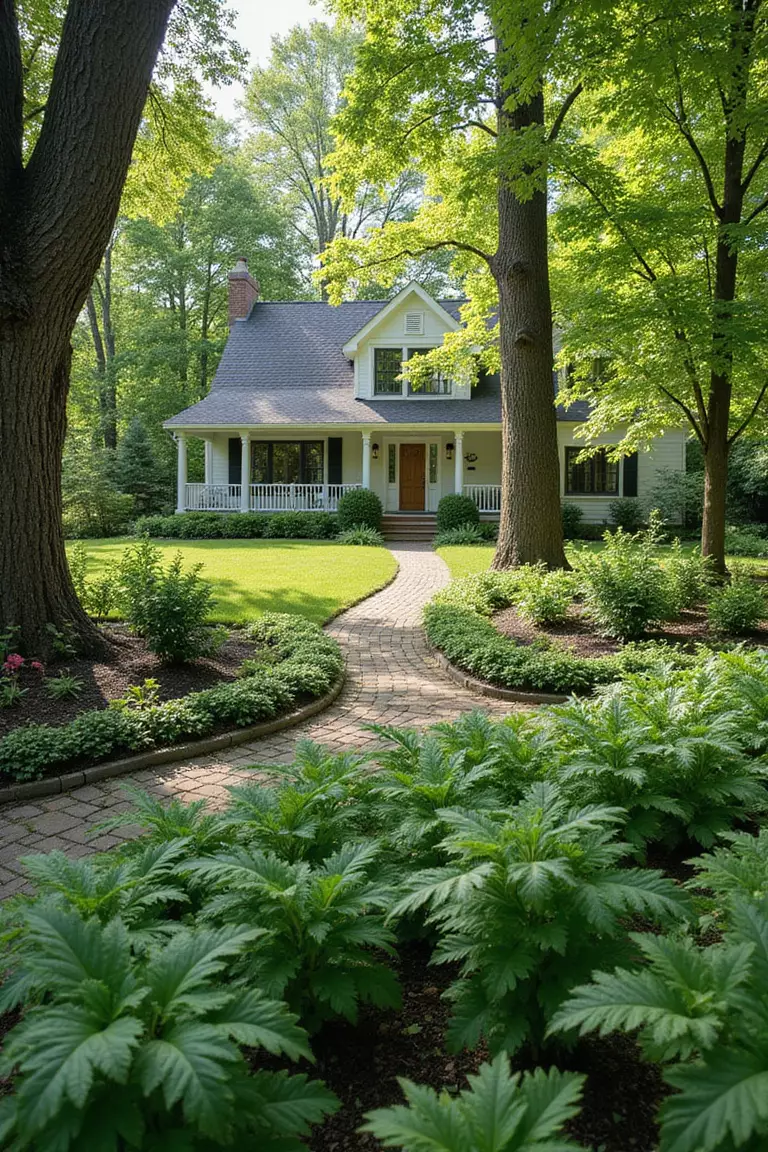
Patios, pathways, and decorative rocks are your allies in the war against weeds. They cover ground where weeds would otherwise sprout, and they add structure and beauty to your garden. Think about using gravel paths or stone borders. They look nice and require no weeding.
Raised Beds and Containers
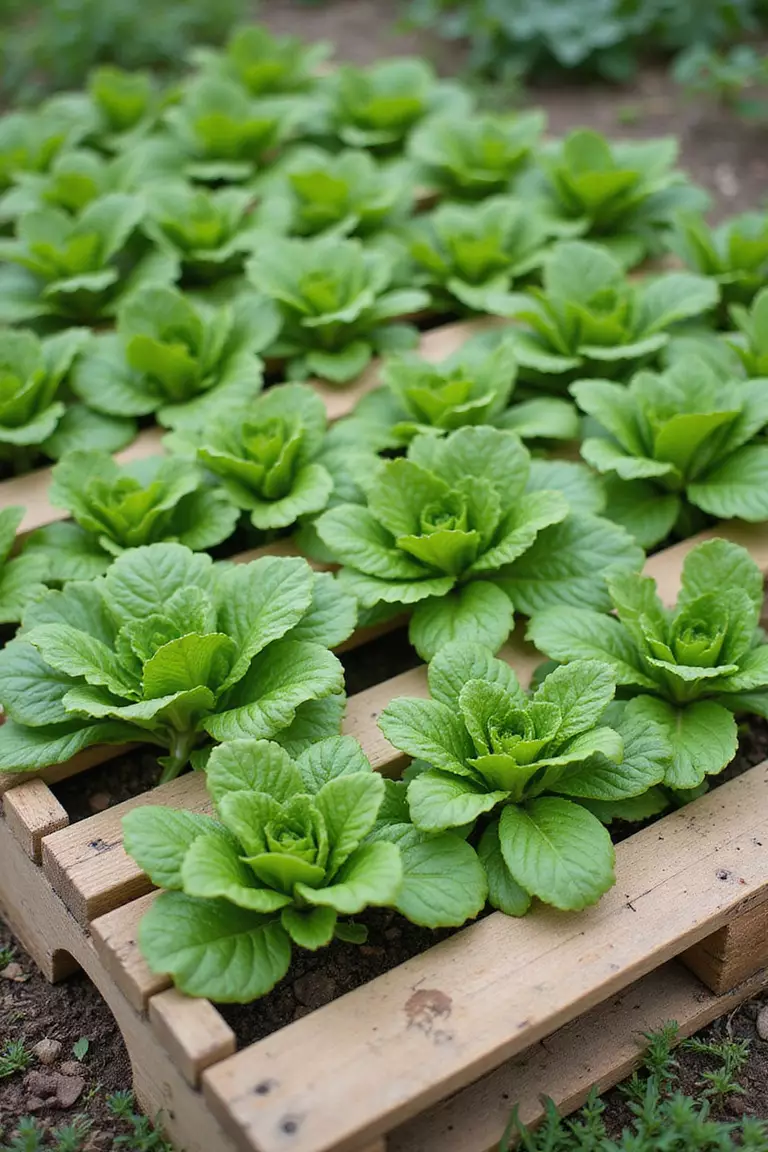
I love raised beds. They improve drainage, warm the soil faster in spring, and best of all, they keep weeds contained.
Plus, you do not have to bend over as much. Containers also offer flexibility and can be perfect for herbs near your kitchen door. Just make sure containers have good drainage holes.
Watering Wisely for Reduced Workload
Watering can be a huge time commitment, or it can be almost effortless. It all depends on your approach. My personal nemesis used to be the hose, until I learned to be smarter.
Install a Drip Irrigation System
This is a game-changer. Drip systems deliver water directly to the plant’s roots, minimizing evaporation and water waste. You set it and forget it, mostly. Your plants get what they need without you standing there with a hose for hours. It is truly brilliant.
Use Mulch Generously
Mulch is like insulation for your soil. It keeps moisture in, regulates soil temperature, and, most importantly, suppresses weeds.
A thick layer of wood chips, straw, or even shredded leaves will make a huge difference. I consider mulch my best friend in the garden.
Table: Mulch Options and Benefits
| Mulch Type | Benefits for Low Maintenance |
|---|---|
| Wood Chips | Excellent weed suppression, retains moisture well, breaks down slowly, improves soil over time. |
| Straw | Good at retaining moisture, great for vegetable gardens, breaks down relatively quickly, improves soil. |
| Compost | Suppresses weeds, improves soil structure, adds nutrients, retains moisture. |
| Pebbles/Gravel | No decomposition, excellent weed barrier, good for drought-tolerant plants, permanent. |
Weed Control and Pest Management Made Simple
Nobody enjoys weeding. And discovering half your prized basil eaten by bugs? Even worse. There are ways to minimize these headaches.
Embrace Companion Planting
Some plants are natural bodyguards for others. Marigolds, for example, can deter nematodes and other pests. Planting basil near tomatoes can improve flavor and deter tomato hornworms. It is like having a natural police force in your garden.
Pathways for Easy Access
Do not make your garden a labyrinth. Design paths that allow you to easily reach all areas for occasional weeding or harvesting.
If you have to crawl through prickly bushes to get to a weed, it is probably going to stay there. My old garden was terrible for this. I hated having to army crawl to get to anything.
Understand Your Local Pests
Knowing your enemy is half the battle. Learn about common pests in your area and what natural predators or solutions exist.
Sometimes, a strong blast of water will dislodge aphids, and beneficial insects like ladybugs can eat many common garden pests. Avoid harsh chemicals if you want a truly low-maintenance, thriving ecosystem.
Seasonal Care and Long-Term Strategies
Even a low-maintenance garden needs a little love once in a while. But the goal is to make that love minimal and effective.
Consider Evergreen Plants
Evergreens provide structure and color year-round, unlike deciduous plants that lose their leaves in winter. They require little cleanup and keep your garden looking alive even when everything else is dormant. Some of my favorite evergreen shrubs are rhododendrons and azaleas. They look amazing.
Minimal Pruning Needs
Choose plants that maintain a pleasing shape naturally or only require light pruning. Avoid plants that need constant shaping and trimming to look good. My advice: if it needs a haircut every week, it is not for a low-maintenance garden.
Plan for Off-Season Care
Even low-maintenance gardens have an off-season. Thinking about how the garden will look and what little care it might need in winter is part of the design.
A few well-placed evergreens or structural elements can make a world of difference. Your garden does not have to be a mess during the colder months.
Occasional Soil Amendments
Even the best soil needs a little boost now and then. Adding a layer of compost every spring can replenish nutrients and keep your plants happy without constant fertilizing. This is like giving your garden a healthy snack.
Enjoying Your Effortless Haven
The true reward of smart garden design is more time spent enjoying your outdoor space and less time working in it. You put in the thought upfront, and the garden repays you with beauty and tranquility.
It is not about being lazy; it is about being smart and efficient. Plus, you will have more time for iced tea on the patio, which feels like a win to me. Your friends will wonder how you keep such a beautiful garden with so little effort.
Frequently Asked Questions
What are the best low-maintenance plants for a beginner?
For beginners, I always recommend plants like sedum, hostas, coneflowers, ornamental grasses, and many native shrubs. These plants are tough, adaptable, and generally forgiving of neglect. They also provide varied textures and colors without too much fuss.
How often should I water a low-maintenance garden?
Once established, a truly low-maintenance garden, especially one using native and drought-tolerant plants with good mulch, might only need watering during extended dry periods. Drip irrigation can automate this, reducing your effort almost entirely. Less frequent, deep watering is much better than daily, shallow sprinkles.
Can I have a beautiful garden without any weeding?
Realistically, no garden is entirely weed-free, but you can get very close. Thick layers of mulch, proper plant spacing, and hardscaping elements drastically reduce weed growth. Hand-pulling the occasional intruder is much easier when there are only a few. I still have to pull a few weeds here and there, but it is not a huge chore.