Top Edible Flowers to Add to Your Garden
Craving a pop of unexpected flavor and color in your salads or desserts? You want to impress your friends with kitchen creations? Get ready to transform your garden into a delicious, beautiful wonderland. I will show you which edible flowers are easiest to grow.
Brighten Your Garden and Plate with Calendula

You probably think of calendula as just a pretty orange or yellow flower for a cottage garden. Think again. These cheerful blooms bring a mild, slightly peppery flavor to your food. They are super easy to grow from seed, even for someone who sometimes forgets to water their houseplants.
Growing Calendula: A Beginner’s Dream
Calendula really does not ask for much. You can sow seeds directly in the ground after the last frost. It likes sunny spots and well-drained soil. If you have a garden, you probably already have great soil for calendula.
- Choose a sunny location.
- Plant seeds after all danger of frost passes.
- Water regularly until established, then occasionally.
- Deadhead spent blooms for more flowers.
Culinary Uses for Calendula
I like to call calendula “poor man’s saffron” because its petals give a lovely golden hue to rice dishes. It does not taste like saffron, but it sure looks pretty. You can also sprinkle the petals on salads for color. They add a little zing to scrambled eggs.
Nasturtiums: A Peppery Punch
If you like a bit of spice, nasturtiums are your new best friend. Both their leaves and flowers are edible, offering a distinct peppery taste. They are also ridiculously beautiful, trailing over pots or scrambling up fences with their vibrant colors.
Cultivating Nasturtiums: Simple and Rewarding
Nasturtiums are another easy-going flower. They actually prefer less fertile soil, which is great for those of us who do not have perfect garden beds. Just toss some seeds in the ground and watch them go. They thrive in full sun to partial shade.
- Plant seeds in spring after the last frost.
- They prefer well-drained soil that is not too rich.
- Water well, but avoid overwatering.
- Watch out for aphids; they love nasturtiums too.
Nasturtium in the Kitchen: Beyond the Salad
I chop nasturtium leaves and flowers into sandwiches for an extra kick. They are fantastic in pesto, giving it a unique, spicy twist. You can even stuff the flowers with soft cheese for an elegant appetizer. The seeds, when pickled, make a caper substitute. Who knew?
Chive Blossoms: Onion-y Goodness
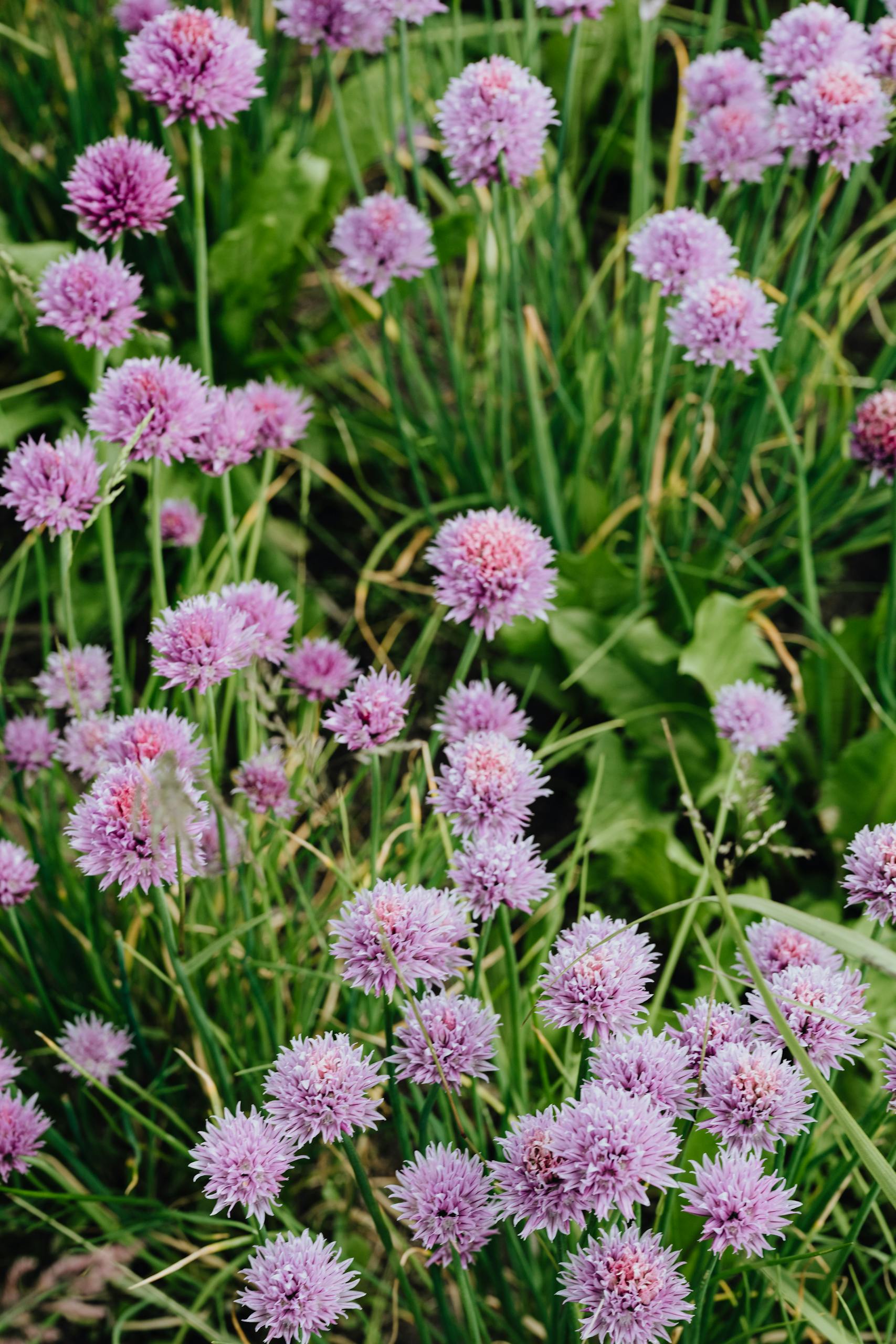
If you grow chives, you already have an edible flower waiting for you. Chive blossoms are those pretty purple puffballs that appear in late spring. They taste just like mild chives, but with a delicate floral note. Plus, they look so fancy on a plate.
Harvesting Chive Blossoms
It is simple to harvest chive blossoms. Just snip them off near the base of the flower stalk. Try to pick them when they seem fresh and fully open. Rinse them gently before using. Chives are perennials, so they come back year after year. This means free flowers for life, pretty much.
Using Chive Blossoms: A Culinary Delight
I pull apart the individual florets and scatter them over salads, roasted potatoes, or scrambled eggs. They add a beautiful color and a mild onion flavor without the strong bite of raw chives. I sometimes infuse vinegar with them for a pretty pink, onion-flavored concoction. It makes a great gift for friends who love cooking.
Pansies and Violas: Pretty and Palatable
These little darlings are the superstars of edible flowers. Their cheerful faces and wide range of colors make them perfect for decorating desserts. They have a mild, slightly sweet, sometimes minty flavor. So, you get looks and taste. What a deal.
Growing Pansies and Violas: Cooler Weather Favorites
Pansies and violas prefer cooler weather. You can often plant them in early spring or fall. They do well in containers or garden beds, as long as they get some sun and regular water. They are usually sold as young plants in nurseries, making them ready to go straight into your garden.
- Plant in early spring or fall.
- Choose a spot with full sun to partial shade.
- Keep the soil consistently moist.
- Deadhead regularly to encourage more blooms.
Pansies in the Kitchen: Edible Art
You mostly use pansies and violas for their beauty. They make edible confetti on cakes, cupcakes, and tarts. I love to press them onto sugar cookies before baking. You can also freeze them in ice cubes for fancy drinks. They really make a statement. Just be sure to use pansies specifically sold as edible or grown without pesticides.
Roses: Elegant and Aromatic

Yes, you can eat roses. Not just any rose, mind you. You want fragrant, unsprayed roses. Their petals offer a lovely, sweet, and perfumed flavor. Think rose water, but fresh from your garden. It is quite a sophisticated flavor, I think.
Selecting and Preparing Rose Petals
You need to be picky about your roses. Avoid florists’ roses; they are usually sprayed with chemicals. Look for old garden roses or specific culinary varieties. Pick petals in the morning after the dew dries. Gently rinse them and pat them dry. Remove the bitter white part at the base of each petal. That part tastes like bitter sadness, so avoid it.
Recipes with Rose Petals
I use rose petals in jams, jellies, and infused sugars. They are wonderful in desserts, like panna cotta or ice cream. You can also make rose water at home to use in Middle Eastern and Indian cuisine. A sprinkle of fresh rose petals on a fruit salad is divine. The flavor is delicate, so you do not want to overpower it with other strong tastes.
Borage: Cucumber-like Refreshment
Borage is a funny looking plant with fuzzy leaves and star-shaped blue flowers. Its flavor, however, is a pleasant surprise: it tastes like fresh cucumber. It is quite refreshing and adds a unique twist to many dishes.
Growing Borage: Easy and Self-Seeding
Borage is a snap to grow from seed. It grows relatively large, so give it some space. It also tends to self-seed, meaning once you plant it, you will likely have borage forever. Which is not a bad thing if you like blue flowers and cucumber flavor.
- Sow seeds directly in spring.
- Prefers full sun and well-drained soil.
- It can get quite big, so plan for its size.
- Watch for self-seeding; it can spread easily.
Culinary Uses for Borage Flowers
I float borage flowers in lemonade or other summer drinks. They are lovely in salads, adding that fresh cucumber note. You can also candy them for a beautiful dessert decoration. The leaves are edible too, but I prefer the flowers for their delicate texture and striking color.
Squash Blossoms: A Gourmet Treat

If you grow zucchini or other squash, you have access to a gourmet ingredient right in your garden. Squash blossoms are large, edible flowers that taste mildly like squash. They are delicate and best used fresh, right after picking.
Harvesting Squash Blossoms
You can harvest both male and female squash blossoms. Male flowers grow on thin stems and tend to be more abundant. Female flowers have a small, immature squash at their base. You can pick either, but picking too many female flowers will reduce your squash harvest. Harvest them in the morning when they are open. Handle them carefully because they bruise easily.
Cooking with Squash Blossoms
The classic way to prepare squash blossoms is to stuff and fry them. Fill them with ricotta cheese and herbs, dip them in a light batter, and fry them until golden. They are also excellent in quesadillas, omelets, or pizzas. They wilt quickly, so use them the same day you pick them for the best experience.
Edible Flowers: Quick Reference Guide
| Flower | Flavor Profile | Best Uses | Ease of Growing |
|---|---|---|---|
| Calendula | Mild, peppery, slightly bitter | Salads, rice, eggs | Very Easy |
| Nasturtium | Peppery, spicy | Salads, pesto, stuffed | Easy |
| Chive Blossom | Mild onion, delicate | Salads, roasted potatoes, vinegar | Easy (perennial) |
| Pansy/Viola | Mild, slightly sweet, minty | Dessert decoration, ice cubes | Moderate |
| Rose | Sweet, perfumed | Jams, desserts, rose water | Moderate (specific climbing roses) |
| Borage | Cucumber-like, refreshing | Drinks, salads, candied | Easy (self-seeds) |
| Squash Blossom | Mild squash-like | Stuffed and fried, quesadillas | Moderate (need squash plants) |
Tips for Enjoying Your Edible Flowers
Always make sure a flower is edible before you eat it. Do your research. Also, only eat flowers from your own garden or a trusted source where you know no pesticides were used. Garden centers often treat plants with chemicals not meant for consumption. You want your belly, however, to feel good after eating these flowers.
Pick flowers in the morning after the dew dries for best flavor and freshness. Gently rinse them under cool water and pat them dry. Store them in an airtight container in the fridge with a damp paper towel. They are definitely best used fresh.
Frequently Asked Questions About Edible Flowers
Are all flowers edible?
No, definitely not. Many flowers are toxic and can make you very sick. Always identify a flower positively and confirm it is safe to eat before consuming it. When in doubt, leave it out.
Can I eat flowers from a florist shop?
You should not eat flowers from a florist or most garden centers. They are often treated with pesticides and chemicals not meant for human consumption. Grow your own or buy from a certified organic edible flower farm, especially for the rose petals.
How do I clean edible flowers?
Gently rinse the flowers under cool, running water. Lay them on a paper towel to air dry or gently pat them dry with another paper towel. You want to remove any dirt or tiny bugs without damaging the delicate petals.