How to Improve Soil Quality for Vegetable Growth
You want bumper crops, right? Fat tomatoes, crisp lettuce, and carrots that actually look like carrots, not mangled twigs. It all starts underground, with your soil. Let’s talk about giving your vegetables the perfect home, without turning gardening into a science project.
Understanding Your Dirt: The Foundation
Before you start tossing handfuls of mysterious powders around, you really should know what you are working with. Many new gardeners just assume dirt is dirt, but that is like saying all cars are the same. Not true, and your plants will be very unhappy about that.
The “Feel” Test
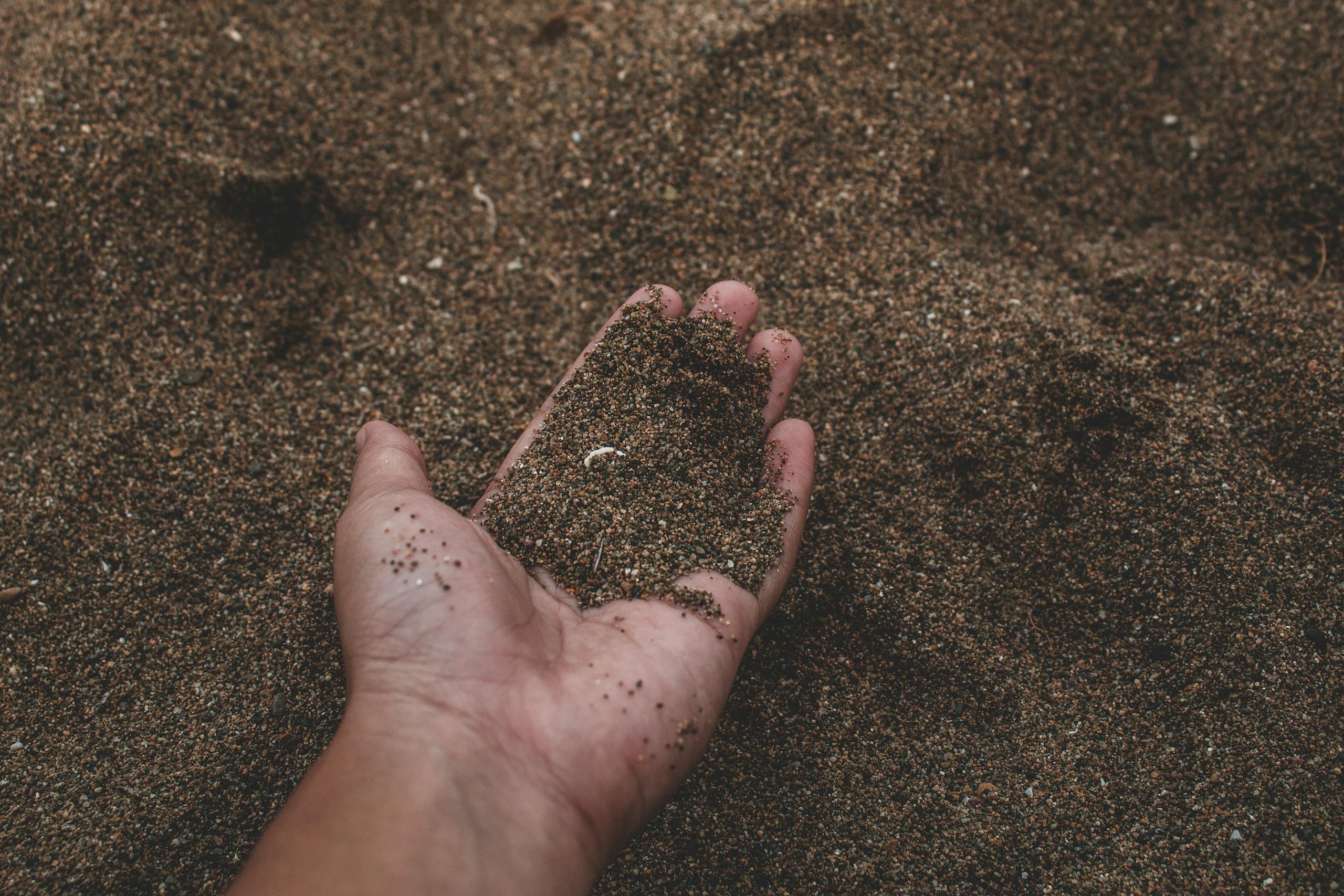
Get your hands dirty, literally. Grab a handful of your garden soil. Squeeze it. Does it feel gritty? Sticky? Or does it crumble nicely through your fingers? This simple test tells you a lot about its composition.
- Sandy Soil: Feels gritty, drains super fast. Your plants will be thirsty often.
- Clay Soil: Feels sticky, forms a ball, drains very slowly. Your plants might drown or get root rot.
- Loamy Soil: The holy grail! Crumbles easily, feels smooth, a bit like rich chocolate cake. It has a good balance of sand, silt, and clay.
The pH Puzzle
Soil pH is how acidic or alkaline your soil is. Vegetables are picky eaters; they like their food on a specific pH scale, usually between 6.0 and 7.0. If your pH is off, your plants cannot absorb nutrients, even if they are present in the soil. It is like having a fridge full of food but no way to open it.
| pH Level | What It Means | Impact on Vegetables |
|---|---|---|
| Below 6.0 | Acidic | Nutrient lockout (phosphorus, calcium, magnesium) |
| 6.0 – 7.0 | Neutral/Slightly Acidic | Ideal for most vegetables, good nutrient availability |
| Above 7.0 | Alkaline | Nutrient lockout (iron, manganese, boron) |
You can buy a simple soil test kit from any garden center. They are not expensive, and they save you a ton of guesswork and heartache down the road. I once tried to grow blueberries in my naturally alkaline soil, and let me tell you, it was a sad, yellowish leaves struggle for years until I finally got smart and tested the pH.
Feeding Your Soil: The Organic Way
This is where the real magic happens. Healthy soil is alive, full of microbes, worms, and all sorts of tiny critters working tirelessly. You want to feed them, and they will feed your plants.
Compost: Black Gold

Compost is partially decomposed organic matter. It is what happens when yard waste and kitchen scraps break down into rich, dark, crumbly goodness. Adding compost improves almost any soil type. For sandy soil, it helps hold water and nutrients. For clay soil, it breaks up compaction and improves drainage. It is truly a miracle worker.
My grandmother always said, “A good gardener grows dirt, not just vegetables.” She was talking about making good compost. She had a huge compost pile, and her garden always produced more than anyone else’s in the neighborhood.
Mulching: Protecting Your Precious Earth
Mulch is a layer of organic material placed on top of your soil. It is like putting a blanket on your garden bed. It suppresses weeds, conserves moisture, and slowly breaks down, adding organic matter to your soil. Plus, it just makes your garden look neater.
I learned this the hard way. I used to pull weeds constantly, always fighting an uphill battle. Then I started mulching with straw and wood chips. Suddenly, I had more time for actual gardening, and my plants were happier because the soil temperature was more stable and the moisture was consistent.
Cover Crops: Giving Back to the Earth
When you are not growing vegetables, consider growing cover crops. These are plants like clover, vetch, or rye grass that you plant in the off-season. They prevent erosion, suppress weeds, and when you cut them down and turn them into the soil, they add a fantastic amount of organic matter and nutrients. It is like giving your soil a spa day.
I started using cover crops in my raised beds during the winter. Come spring, when I turn them under, the soil is noticeably richer, darker, and smells amazing. My tomatoes practically jump out of the ground.
Tilling and Not Tilling: A Controversial Topic
Some people love to till their garden beds every year, turning over the soil with a rototiller. Others swear by a “no-till” approach. There are arguments for both, but for most home gardeners, less disturbance is often better.
The Case Against Excessive Tilling
Tilling can destroy soil structure, break up the beneficial fungal networks, and disrupt the delicate balance of microorganisms living in your soil. It is like shaking up a happy community causing all sorts of problems. It also brings dormant weed seeds to the surface, ready to sprout.
No-Till Gardening: A Gentle Approach
With no-till, you add organic matter to the surface, and the worms and other soil life do the mixing for you. It builds healthy soil structure over time, which means better drainage and aeration, and happier roots. If your soil is already compacted, a one-time deep till might be necessary to break it up, but after that, try to minimize disruption.
I switched to mostly no-till gardening a few years ago. I simply add a thick layer of compost every spring. My back thanks me, and my plants do too. The soil gets softer and richer each year. It is much easier than fighting with a tiller that feels like it has a mind of its own.
Watering Wisely: Not Too Much, Not Too Little

You can have the most beautiful soil in the world, but if your watering habits are bad, your plants will suffer. Soil quality is about healthy roots, and roots need consistent moisture, not waterlogged conditions or drought.
- Deep, Infrequent Watering: Water deeply to encourage roots to grow down, making them more resilient. Avoid frequent, shallow watering which leads to weak, surface roots.
- Morning Is Best: Water in the morning so the foliage has time to dry before nightfall. This reduces fungal diseases.
- Check Before Watering: Stick your finger two inches into the soil. If it feels dry, then water. Do not just water on a schedule.
Common Sense Additions and Amendments
Sometimes your soil might need a little extra something, but do this based on your soil test results, not just a whim. Throwing things into the soil “just because” can cause more harm than good. Just like you would not take medicine if you were not sick.
- Lime: If your soil is too acidic, lime raises the pH.
- Sulfur: If your soil is too alkaline, sulfur lowers the pH.
- Gypsum: Can help break up very heavy clay soil, but it does not change the pH.
- Worm Castings: Worm poop is incredibly rich in nutrients and beneficial microbes. A little goes a long way.
Frequently Asked Questions
How often should I add compost to my garden?
You should aim to add a 1-2 inch layer of good quality compost to your vegetable beds every spring before planting. You can also add another layer in the fall after harvesting to help build soil health over winter.
Can I improve soil quality in raised garden beds?
Absolutely! Raised beds give you excellent control over your soil. Fill them with a good mix of topsoil and compost, and then continue to amend with compost and organic mulches annually, just as you would with an in-ground garden.
What are some signs of poor soil quality?
Signs of poor soil quality include plants with yellowing leaves, stunted growth, wilting despite adequate watering, water pooling on the surface, or very hard, compacted soil that is difficult to dig.