Annual vs Perennial Plants: What’s the Difference?
You want a garden that thrives, right? You also want to avoid buying new plants every spring. Figuring out what goes where feels tricky. Let us demystify the annual versus perennial plant puzzle to help your garden dreams blossom.
Understanding the Basics of Plant Lifecycles
Many gardeners get confused about how long plants will live. You buy something beautiful at the nursery but then it disappears. Others keep coming back. This often comes down to their lifecycle.
What is an Annual Plant?

An annual plant lives for only one growing season. You plant it in the spring. It flowers, produces seeds, and then dies when frost arrives.
I remember my grandmother’s petunias. Every year, she bought new ones. Her beds exploded with color all summer long, but come October, they were gone. She never seemed to mind.
- You purchase them yearly.
- They provide continuous bloom for a single season.
- They die completely with the first hard frost.
What is a Perennial Plant?
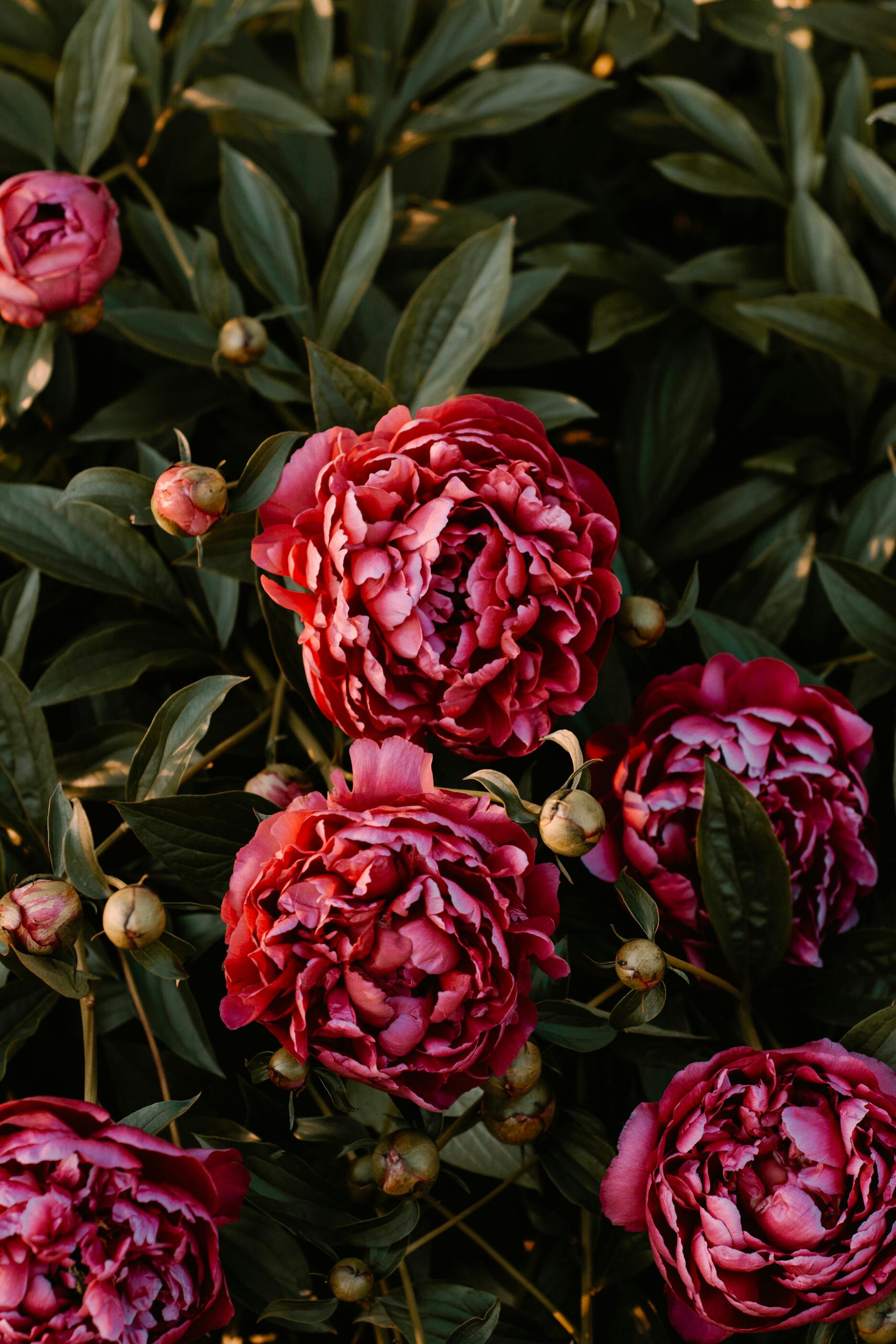
A perennial plant lives for more than two years. Many perennials live for decades, returning year after year from their rootstock. The top growth might die back in winter. However, the roots remain alive, ready to sprout again in spring.
My hostas are perfect examples. I planted them a decade ago. Every spring, they emerge bigger and better. I love this feature.
- They return year after year.
- Their roots survive dormant periods.
- They often provide long-term garden structure.
The Big Differences: Annuals vs. Perennials
The main difference between these two plant types comes down to their lifespan. This impacts everything from when you plant them to how much money you spend. Your garden design choices can hugely depend on this.
Lifespan and Replanting Needs
Annuals are like a one-hit wonder band. They come, they rock out for a season, and then they are gone. You need to replant them every single year.
Perennials are more like a classic rock band. They have staying power. They come back for encore after encore, season after season, without you needing to replant them. You just divide them sometimes.
| Feature | Annuals | Perennials |
|---|---|---|
| Lifespan | One growing season | Multiple years |
| Replanting | Every year | Rarely, only to divide or move |
| Winter Survival | No (dies) | Yes (roots survive) |
Bloom Period and Flowering Habits
Annuals generally flower non-stop from planting until frost. Their whole purpose in life is to produce as many seeds as possible before they perish. This makes them fantastic for continuous color.
Think about impatiens for a shady spot. They just keep blooming. They just keep giving.
Perennials often have a more defined bloom period. They might flower for a few weeks or a month. Then, their flowers fade. Some perennials, like certain coneflowers, have a longer bloom season. Others, like peonies, are spectacular for a short, glorious time.
I have a patch of irises. They are stunning for about three weeks in late spring. Then, I enjoy their foliage for the rest of the summer. You get to appreciate their beauty in a different way.
Cost and Long-Term Value
Annuals might seem cheaper individually. However, buying them every single year adds up. If you fill large beds, you can easily spend hundreds of dollars.
My neighbor once spent a fortune on geraniums for her entire front yard. It looked amazing but cost a lot. She always joked about her “disposable flowers.”
Perennials involve a larger upfront investment per plant. But, remember, you generally buy them once. Over several years, they become much more economical. They also spread.
I actually divided my hostas last year. I gave away three big clumps to friends. I did not spend a dime. That makes me feel smart.
Annuals:
- Lower individual plant cost.
- Higher recurring seasonal cost.
Perennials:
- Higher individual plant cost.
- Lower long-term cost.
- Provide opportunities for division and sharing.
Maintenance and Care
Annuals often require deadheading to keep blooming. This means removing spent flowers. They also need consistent watering and sometimes fertilizing to keep up their prolific flowering.
I usually spend afternoons deadheading marigolds. It feels like a never ending chore. My back bothers me sometimes.
Perennials need less fuss once established. You might deadhead some to encourage rebloom or tidy them up. They generally need less frequent watering than annuals after their first year. Some bigger perennials might need staking.
My delphiniums are gorgeous but tall. I always have to stake them. Otherwise, they fall over in a strong wind, which makes me sad.
Garden Design and Flexibility
Annuals offer garden great flexibility. You can experiment with new color schemes every year. Had a terrible red phase last year? No problem. Go all purple this year. No one will judge.
They are perfect for container gardens and window boxes. You can change themes on a whim. This allows for creativity.
Perennials define the structure of your garden. They provide a sense of permanence. You use them like walls and foundations. You can layer them to create different heights and textures.
I use perennial grasses as a backdrop for my flower beds. They provide movement and texture year-round even in winter. They really make a statement.
Choosing What is Right for Your Garden
Knowing these differences helps you make smart choices. You do not just grab any plant at the store anymore. You grab the right plant.
When to Choose Annuals
You should choose annuals when you want:
- Instant, season-long color.
- To fill in gaps in perennial beds.
- Seasonal porch decorations.
- To experiment with bold color combinations annually.
- Inexpensive, temporary planting.
For example, I use annual lobelia to spill over the edges of my hanging baskets. It provides a beautiful cascade of blue. It looks phenomenal.
When to Choose Perennials
You should choose perennials when you want:
- A garden that comes back every year.
- To save money over time.
- To build a stable garden structure.
- Plants that grow larger and fill spaces.
- Less annual planting work.
I always recommend starting a new garden with a good foundation of perennials. You then add annuals for pops of color. This balances everything.
Growing Tips for Both Plant Types
No matter what you choose, successful gardening comes down to a few basic principles. This advice applies to everything.
Soil and Sunlight
Both annuals and perennials need good soil. They also need the right amount of sunlight. Plants are particular about their living conditions.
- Soil: Always add compost to your garden beds. Compost improves drainage and adds nutrients. It acts like plant superfood.
- Sunlight: Read the plant tag. Does it say “full sun?” It means at least six hours of direct sun daily. “Partial shade” means a few hours of morning sun. This tells you where to put it.
I once tried to grow sunflowers in a shady spot. They stretched and looked pathetic. They also did not flower. I learned my lesson.
Watering Practices
Proper watering is very, very important. Too much water drowns roots. Too little water stresses the plant.
- Consistency: Water newly planted annuals and perennials regularly. They need help establishing their root systems.
- Deep watering: Once established, perennials often benefit from deep, infrequent watering. This encourages deep root growth. You want strong roots.
I tend to stick my finger in the soil about an inch or two deep. If it feels dry, I water. If it feels moist, I wait. It is a simple trick but effective.
Fertilization Needs
Some plants are hungrier than others. You can always tell by their leaves.
- Annuals: They put out a lot of flowers. This requires energy. They often benefit from regular feeding every few weeks with a balanced fertilizer.
- Perennials: Established perennials usually need less fertilizer. A good layer of compost in the spring often provides all the nutrients they need.
My roses are heavy feeders. I give them a special rose food. They reward me with huge, fragrant blooms.
My Personal Experience and Advice
I have learned so much about plants over the years. My biggest piece of advice is just to try things out. Do not be afraid to fail.
A Garden of Both Worlds
My own garden is a mix. I have the reliable perennials that anchor the beds. Then, I use annuals to fill in the gaps. They provide that continuous splash of color that makes me happy.
For example, my front bed has tall phlox in the back. Their summer flowers are amazing. I then plant zinnias in front for a continuous show. This works great.
Learning from Experience
I once bought a whole flat of what I thought were perennial petunias. They were annuals. I felt silly. You live and you learn.
Now, I always double-check the plant tag. I look for words like “annual,” “perennial,” or “biennial.” A biennial plant lives for two years, flowering in the second. These are less common.
Do not feel bad if you make a mistake. Every gardener does. The joy of gardening comes from the learning process. It also comes from getting your hands dirty.
Frequently Asked Questions
Is it better to grow annuals or perennials?
The ‘better’ choice depends on your gardening goals. Annuals give constant, season-long color for one year. Perennials provide long-term structure and return annually with less replanting work.
Do perennials die in winter?
The top growth of most perennials dies back to the ground in winter. However, their roots remain alive underground. They then send up new shoots in the spring.
Can annuals reseed themselves?
Some annuals, like calendula or cosmos, can reliably reseed themselves. This means their dropped seeds sprout new plants the following spring. It depends on your climate and if the seeds germinate.