How to Tell If Your Garden Soil Needs Fertilizing (And What to Use)
Are you looking at your plants, wondering why they seem a bit… sad? You water them, give them sun, but something feels off. Maybe your garden soil is throwing a silent plea for some plant food. Do not worry, figuring out if your soil needs a snack and what kind to give it is easier than you think.
Understanding Your Soil’s Basic Needs
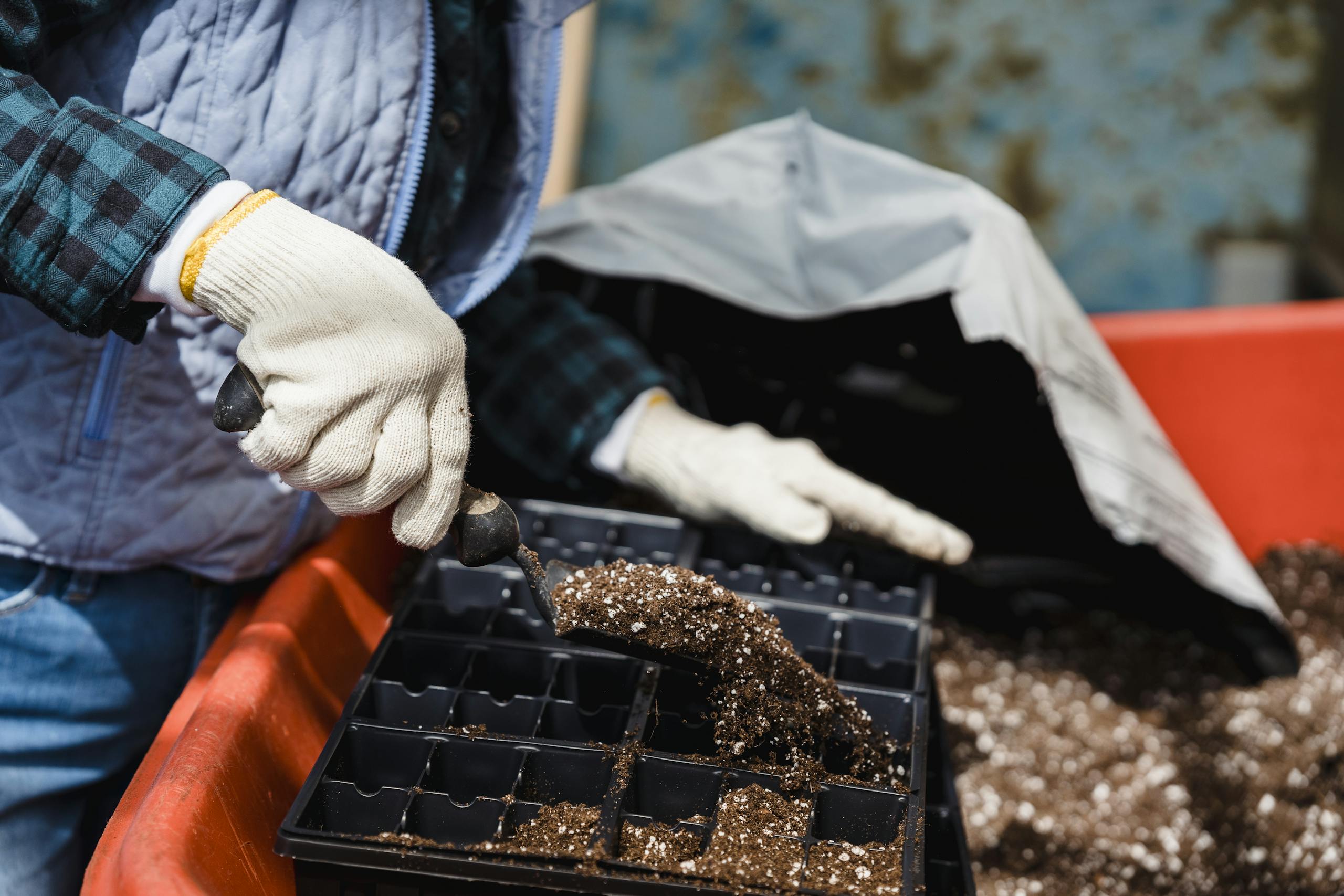
Most gardeners, even ones with green thumbs, sometimes forget that soil is not just dirt. It represents a living, breathing ecosystem. Your plants get most of their food from this complex network, so keeping it happy makes your garden thrive.
The Big Three: N-P-K
Think of three nutrient superheroes your plants always need for a healthy diet. They are nitrogen (N), phosphorus (P), and potassium (K). Each one has a specific job in helping your plants grow big and strong.
- Nitrogen (N): This nutrient is for leafy, green growth. If your plants look yellow or stunted, they probably need more N. It makes those emerald leaves sing.
- Phosphorus (P): This helps with root development, flowering, and fruiting. Are your flowers not blooming or your tomatoes small? P might be the missing piece.
- Potassium (K): This is like a general health booster. It helps plants resist diseases and handle stress. It keeps things humming along nicely.
Micronutrients: The Supporting Cast
Besides the big N-P-K, your soil also uses tiny amounts of micronutrients. These include things like iron, zinc, and boron. They are like the sprinkles on a cupcake; small but important for flavor and overall well-being.
Signs Your Plants Are Hungry
Your plants communicate their hunger, but they do not use words. You need to learn their silent language. Look closely at their leaves and their overall demeanor.
Leaf Discoloration and Growth Stunting
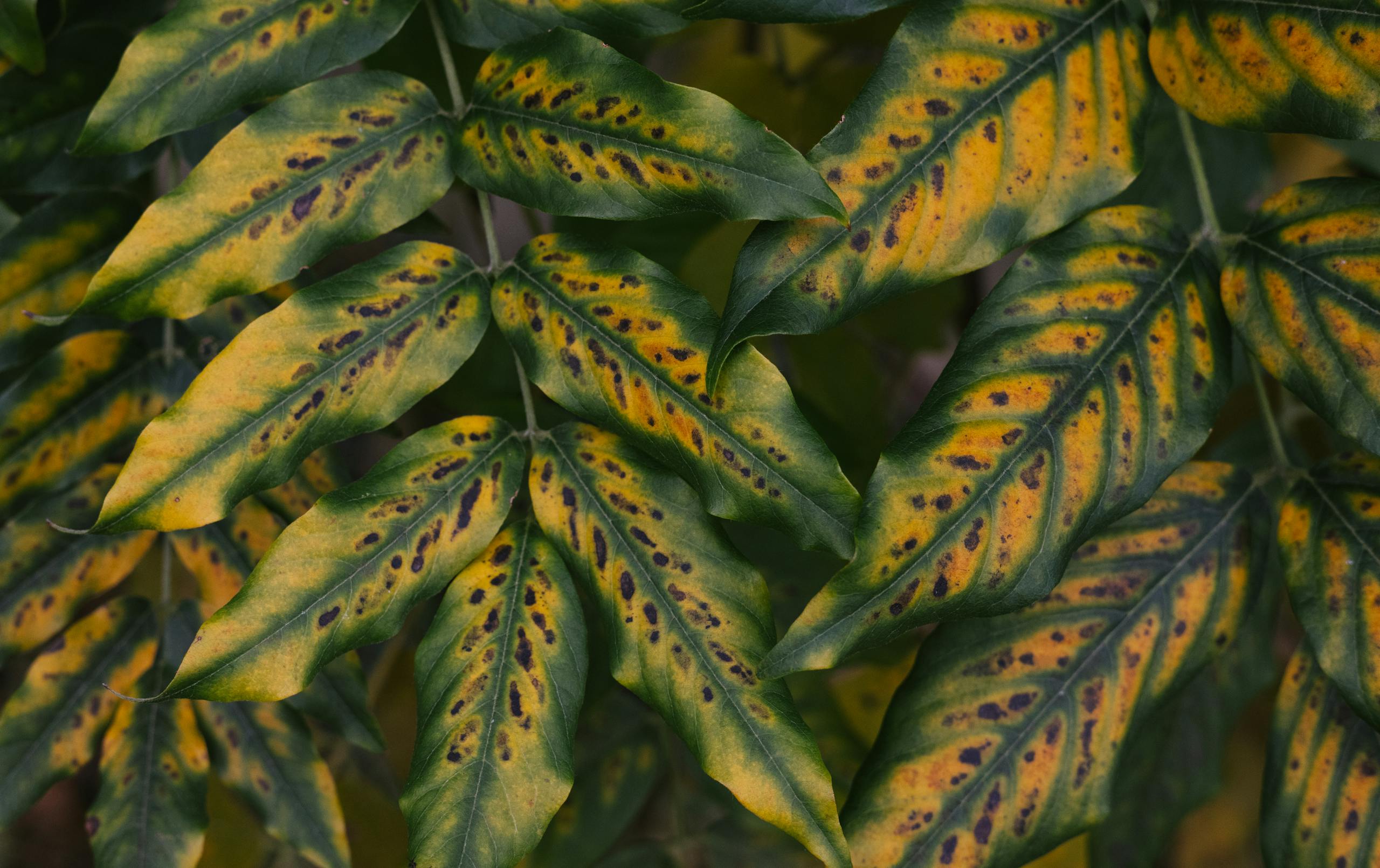
This is often the first clue. A healthy plant has vibrant, consistent color. A hungry plant often looks patchy or pale, sometimes even a bit yellowish.
- Yellowing Leaves: This typically points to a nitrogen deficiency. The older leaves at the bottom of the plant often turn yellow first. It is like they are sacrificing themselves for the new growth.
- Purple or Red Leaves: This might mean a phosphorus problem. Tomato plants sometimes show this on their undersides. It is an unusual color for leaves to be.
- Brown Edges or Spots: This can be a sign of potassium deficiency, or sometimes other issues. The edges of the leaves might look burnt.
- Stunted Growth: If your plant is not growing at all, or very slowly, it is definitely not getting enough nutrients. It might be stuck in a permanent juvenile state.
Poor Flowering or Fruiting
You put in all that effort, and your flowers are sparse or your fruit looks sad and tiny. This is a common tale of nutrient woes.
- Few or Small Flowers: If your flowering plants have few blooms, or the blooms are weak, phosphorus could be the issue. They are just not getting the energy to produce.
- Small or Deformed Fruit: This is often about potassium or a lack of balanced nutrients. Your vegetables need consistent feeding to plump up.
The Simple Soil Test
You do not need a fancy lab for a basic soil assessment. You can do a few things right at home to get a good idea of your soil’s condition. My grandma, bless her heart, used to say “just taste the dirt.” Do not do that.
The Hand Test for Soil Texture
Pick up a handful of your garden soil. Squeeze it gently.
- Sandy Soil: It feels gritty and falls apart easily. Water drains quickly through this. It is like trying to hold water in a colander.
- Clay Soil: It feels sticky and forms a hard ball that resists breaking. It holds water too well and can become waterlogged. It is like play-dough for adults.
- Loamy Soil: This is the ideal. It feels crumbly but holds its shape gently. It is a good mix of sand, silt, and clay. This soil gives your plants a happy home.
Store-Bought Soil Test Kits
You can buy simple, inexpensive soil test kits at most garden centers. These kits tell you your soil’s pH level and sometimes even N-P-K levels. These are pretty reliable for a home gardener.
Understanding pH Levels
pH measures how acidic or alkaline your soil is. Most plants prefer a slightly acidic to neutral pH (around 6.0 to 7.0). If your soil is too acidic or too alkaline, plants cannot absorb nutrients, even if they are present. It is like having food in the fridge but the door is locked.
| pH Level | What It Means | Plant Nutrient Availability |
|---|---|---|
| Below 6.0 | Acidic | Some nutrients are unavailable; add lime to increase pH |
| 6.0 – 7.0 | Neutral / Slightly Acidic | Ideal for most plants; nutrients are readily available |
| Above 7.0 | Alkaline / Basic | Some nutrients might be unavailable; add sulfur to decrease pH |
Choosing the Right Fertilizer: Organic vs. Synthetic
Once you know your soil needs some help, you have a choice to make: go organic or use a synthetic option. Both have their pros and cons, kind of like choosing between a home-cooked meal and fast food.
Organic Fertilizers
These come from natural sources like compost, manure, bone meal, and blood meal. They improve soil structure over time and feed the beneficial microbes in your soil.
- Compost: This is a fantastic all-around soil improver. It adds nutrients, improves drainage in clay soil, and helps sandy soil hold water. It is basically black gold for your garden.
- Manure: Well-rotted manure (from chickens, cows, or horses) provides a good balance of nutrients. Never use fresh manure; it can burn your plants. That smells bad too.
- Bone Meal: This is great for phosphorus. Use it for root crops and flowering plants. It does not smell great, but your plants will love it.
- Blood Meal: This gives a quick boost of nitrogen. Use it for leafy greens. It is exactly what it sounds like.
Synthetic Fertilizers
These are manufactured chemicals that provide precise amounts of nutrients. They work fast, giving your plants a quick pick-me-up.
- Granular Fertilizers: You sprinkle these on the soil. They release nutrients slowly over time. Read the bag for the N-P-K ratio.
- Liquid Fertilizers: You mix these with water and apply directly to your plants. They offer an immediate nutrient boost. These are like an IV for your struggling plants.
A Word of Caution About Synthetics
It is easy to over-fertilize with synthetic products. Too much can burn your plants or damage your soil’s long-term health. Always follow the package directions for application rates. More is not always better, especially with plant food.
How to Apply Fertilizers Effectively
You have identified the problem and chosen your solution. Now, put it into action without causing more problems. Timing and technique matter a lot.
When to Fertilize
Timing depends on your plants. Most annuals benefit from regular feeding during their active growing season. Perennials often need a boost in spring and maybe again in mid-summer.
- Before Planting: Mixing compost or a slow-release granular fertilizer into the soil before you plant gives your seedlings a good start.
- During Growth:
- For heavy feeders like tomatoes or corn, fertilize every few weeks.
- For average feeders, perhaps once a month or every six weeks.
- Do Not Fertilize in Fall: For most plants, stop fertilizing late in the season. You do not want to encourage new, tender growth right before cold weather hits.
Application Methods
- Side-Dressing: For granular fertilizers, sprinkle them around the base of the plant, avoiding direct contact with the stem. Gently scratch the fertilizer into the top inch or two of soil. Then water thoroughly. This gives the roots access without burning the plant itself.
- Foliar Feeding: For liquid fertilizers, you can spray them directly on the plant leaves. Plants absorb nutrients through their leaves, providing a quick effect. This is good for a rapid correction of nutrient deficiencies.
- Compost Tea: Soak compost in water for a few days, then strain the liquid. This “tea” provides a gentle nutrient boost. It is like a healthy juice for your garden.
Beyond Fertilizers: Building Healthy Soil for the Long Term
Fertilizers are good for immediate needs, but true garden success comes from building healthy soil over time. Think of it like taking vitamins versus eating a balanced diet.
Embrace Organic Matter
Regularly add compost, aged manure, or other organic matter to your garden beds. This improves soil structure, water retention, and microbial activity. It is the best thing you can do for your soil.
Mulch, Mulch, Mulch
Apply a layer of organic mulch like straw, wood chips, or shredded leaves around your plants. Mulch conserves moisture, suppresses weeds, and breaks down over time, adding organic matter to your soil. It is free food for your soil.
Consider Cover Crops
In areas of your garden that are not planted for a season, try growing cover crops like clover or rye. They protect the soil, prevent erosion, and add nutrients back into the ground when you turn them under. It is like giving your garden a spa treatment.
FAQ
Do all plants need the same kind of fertilizer?
No, plants have different nutritional needs. Leafy greens like more nitrogen, while flowering plants and fruit-bearing plants usually need more phosphorus and potassium to produce blooms and fruit.
How often should I test my soil?
Testing your soil every two to three years provides a good baseline. If your plants show signs of nutrient deficiency, test more frequently.
Can I make my own garden-friendly fertilizer organically?
Yes, you definitely can. Compost is your best friend. You can also brew “compost tea” by soaking finished compost in water and using the liquid to water your plants.