How to Start a Vegetable Garden from Scratch
You want to grow your own food, right? Good. Forget those fancy garden catalogs and YouTube gurus making it seem impossible. Starting a vegetable garden is easier than you think, even if your thumb is currently more black than green. I am here to tell you the real deal.
Picking the Right Spot: Your Garden’s Real Estate Deal
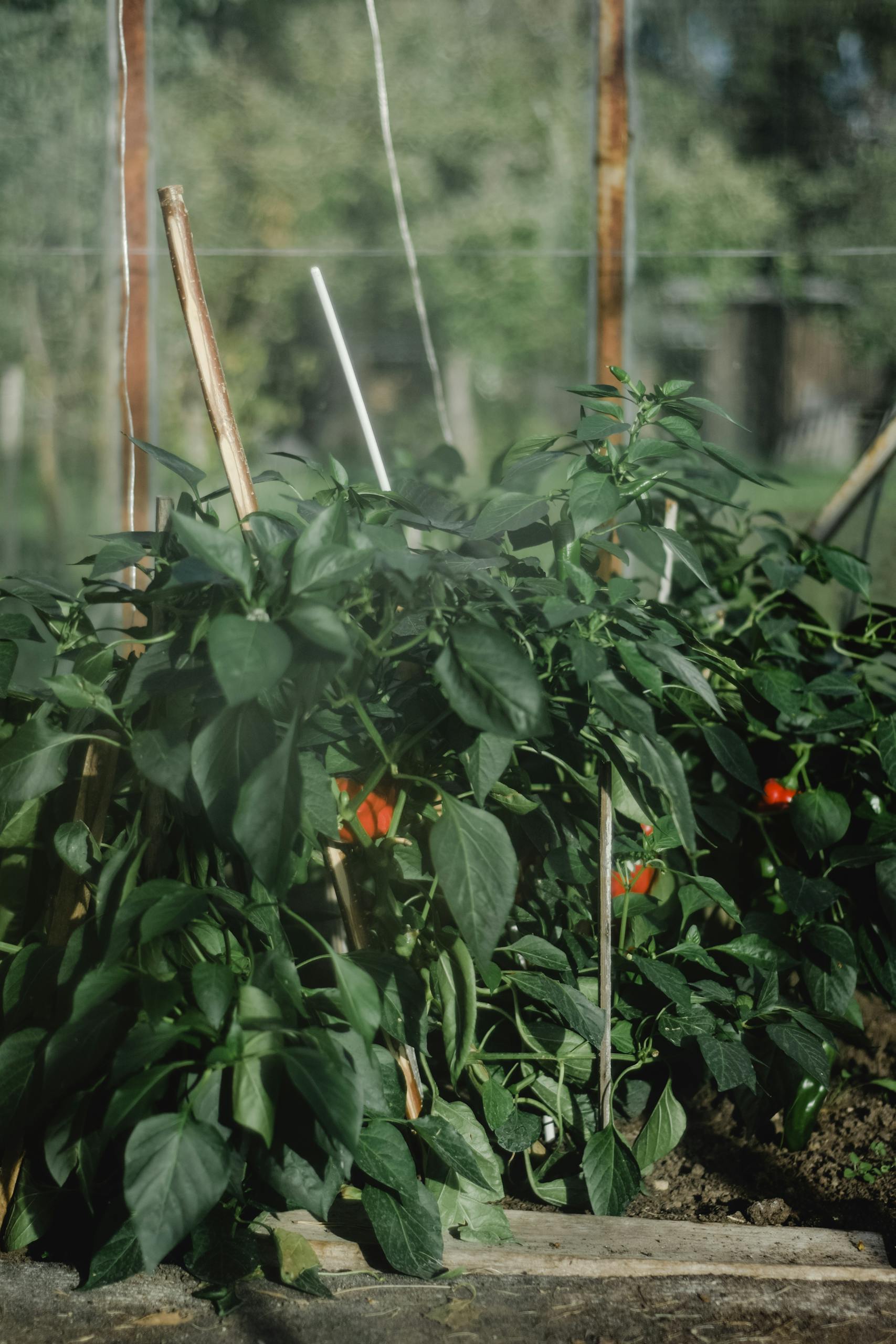
Finding the perfect piece of land for your future salsa ingredients is like finding a good apartment. Location, location, location. You need sun, friend, lots of it.
Sunshine is Your Best Friend
Vegetables, for the most part, are sun worshippers. They need at least six to eight hours of direct sunlight every day. If your backyard looks like a vampire’s paradise, you might have a problem.
Walk around your yard throughout the day. Notice where the sun hits and for how long. That shady corner where you like to read? Probably not the best spot for tomatoes.
Drainage Matters More Than You Think
Plants hate wet feet. Imagine walking around in soggy socks all day; that is how your plants feel in poorly draining soil. Your plants will literally drown if water just sits there after a rain.
You can do a simple drainage test. Dig a hole about a foot deep and fill it with water. If the water is gone in a few hours, you are golden. If it is still there the next morning, you have a swamp on your hands. You might need to add some raised beds, which we will talk about later.
Understanding Your Soil: It is Not Just Dirt
You would not try to bake a cake with sand, would you? Your garden needs good soil, not just any old dirt you scrape off the ground. This is the foundation for everything.
The Magic of Organic Matter
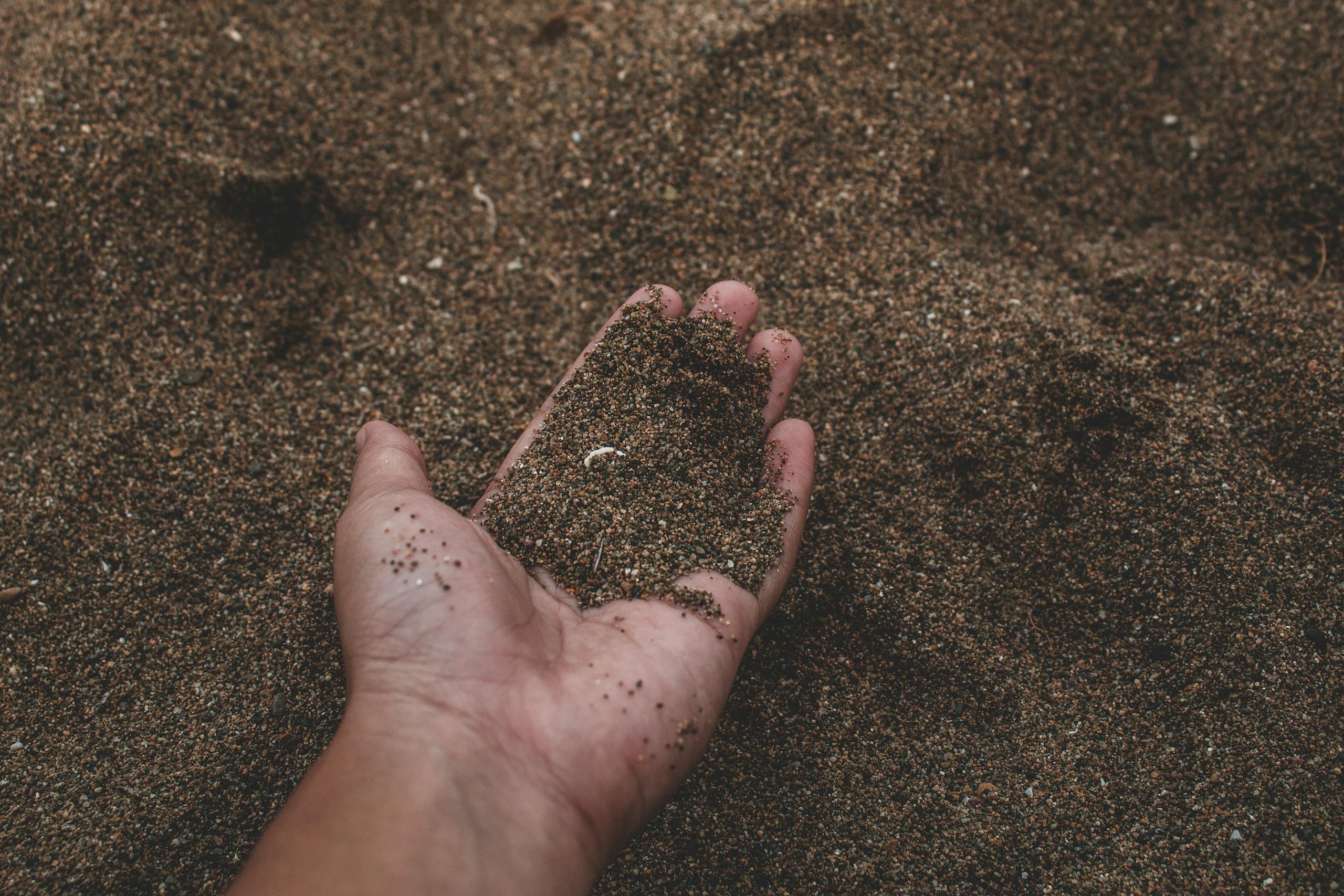
Good soil is loose, dark, and smells earthy. It is full of life. The secret ingredient? Organic matter. This includes compost, well-rotted manure, and other decomposed plant materials.
Organic matter improves soil structure, helps with drainage, and holds onto nutrients. It is like a super vitamin for your garden. If your soil looks like concrete, you have work to do.
Testing Your Soil
You can buy a soil test kit from a garden center or send a sample to your local extension office. These tests tell you what nutrients your soil is missing and its pH level.
The pH level tells you how acidic or alkaline your soil is. Most vegetables prefer a slightly acidic to neutral pH, somewhere between 6.0 and 7.0. Knowing your soil’s pH lets you know what to add to adjust it properly.
Garden Layouts: More Than Just Rows

You have options for how you arrange your plants. Do not just blindly dig rows because that is what you saw in a picture book. Plan it out a bit.
Traditional Row Gardening
This is what most people picture. Long, straight rows of plants. It is good for larger gardens and using gardening equipment like a tiller.
It can be a little inefficient with space, though. There is a lot of walking space between rows. But it is simple, and simplicity is sometimes fine.
Raised Beds: The Garden on a Pedestal
Raised beds are frames, usually made of wood, filled with a good soil mix. They offer excellent drainage and you control the soil quality from day one.
They are great if your native soil is terrible. Plus, they are easier on your back since you bend over less. You can also plant things closer together, which means more food in a smaller space.
| Garden Type | Pros | Cons |
|---|---|---|
| Traditional Rows | Easier for large areas, good for tilling | Less efficient space, can have drainage issues |
| Raised Beds | Control over soil, good drainage, easier on back | Higher initial cost, may dry out faster |
Container Gardening: Small Space, Big Harvest
No backyard? No problem. Balconies, patios, and even windowsills can host a bounty of edibles. You just need the right containers.
Make sure containers have drainage holes. Use a good potting mix, not garden soil, because potting mix is lighter and drains better. Not every vegetable likes pots, but many do just fine.
Choosing Your Veggies: Play Favorites
Do not go crazy trying to grow everything. Start small and pick what you love to eat. There is no point in growing a ton of kale if you despise kale.
Beginner-Friendly Vegetables
Some plants are just more forgiving than others. Start with these to build your confidence.
- Lettuce and other leafy greens
- Radishes
- Bush beans
- Zucchini (be warned, they produce A LOT)
- Carrots
- Cherry tomatoes (easier than large slicing tomatoes)
Consider Your Climate and Season
Not all vegetables grow well in all places or at all times. Check your local planting calendar or ask at a local nursery.
Some plants like cool weather, like lettuce and broccoli. Others, like tomatoes and peppers, need lots of heat. Planting at the wrong time is just asking for disappointment.
Getting Started: Seeds or Starts?

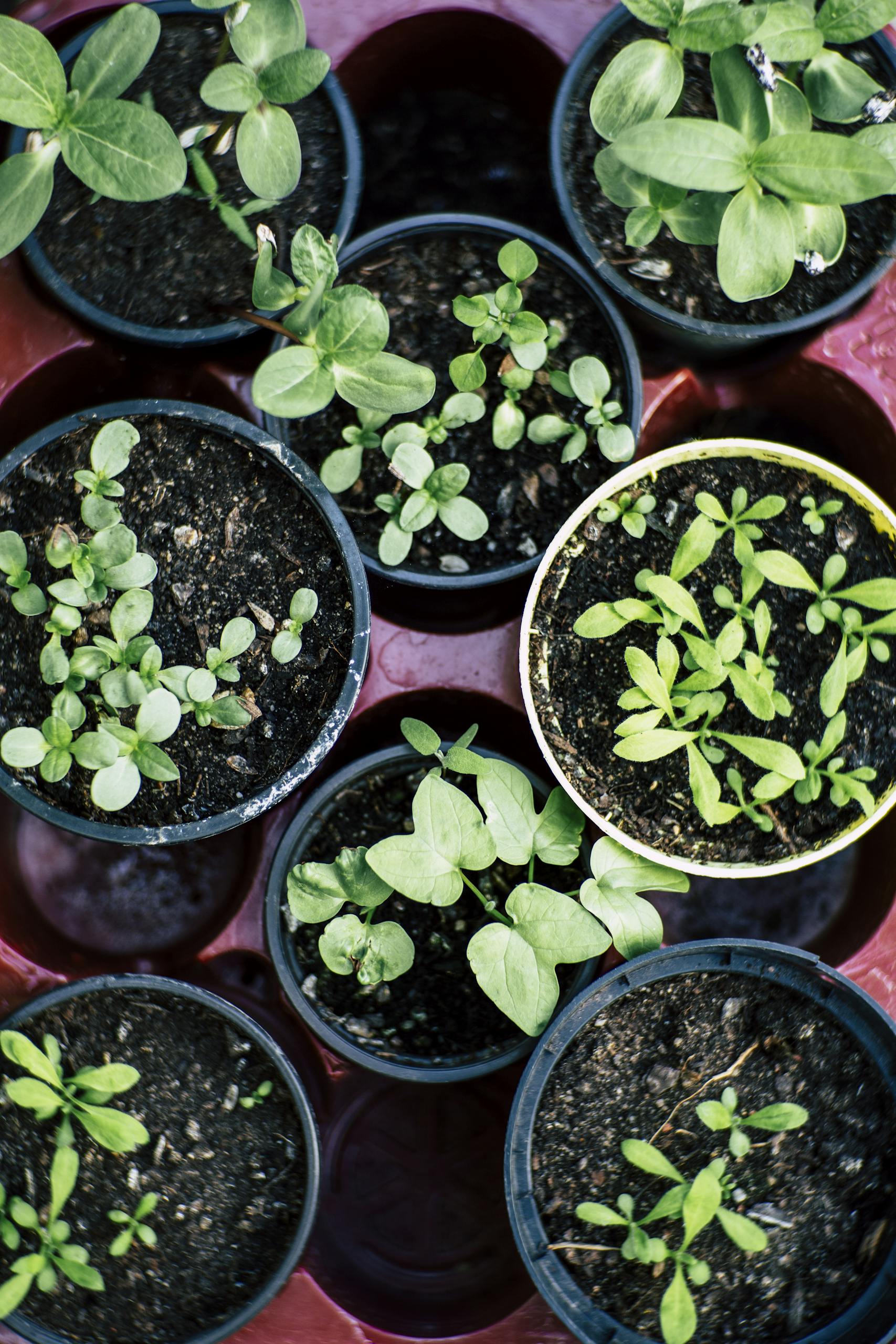
You have decided what to grow. Now, do you plant tiny seeds or buy small plants from the garden center? Both are good options.
Starting from Seeds
This is cheaper and gives you more variety. However, it takes patience. You either plant them directly in the garden (direct sowing) or start them indoors.
Starting seeds indoors means you get a head start on the growing season, especially for plants that need a long time to mature, like tomatoes. You will need some basic equipment, like seed-starting trays and a grow light.
Buying Seedlings (Starts)
These are small plants already growing. They are more expensive but save you time and work. They are great for beginners or if you just want to get things going faster.
When you buy starts, make sure they look healthy. Check for yellow leaves or bugs. You do not want to bring problems home to your new garden.
Planting Your Garden: The Moment of Truth
You prepared the soil and picked your plants. Now, stick them in the ground. Sounds simple, right? It mostly is.
Spacing is Important
Do not crowd your plants. They need room to grow, get air circulation, and soak up the sun. The seed packet or plant tag will tell you how far apart to space them.
If you put them too close, they compete for resources and can be more susceptible to diseases. Think of it like a crowded elevator; nobody is really happy there.
Watering After Planting
Always water thoroughly after planting seeds or transplanting seedlings. This settles the soil around the roots and stops air pockets from drying them out.
New plants are delicate. Do not let them dry out in their first few days in their new home. A gentle shower is what they need, not a deluge.
Watering Your Garden: The Most Common Mistake
This is where many new gardeners mess up. They either water too much or not enough. There is a sweet spot.
How Much and How Often
Your plants need consistent moisture, not constant sogginess. Stick your finger in the soil about an inch deep. If it feels dry, it is time to water. If it is still damp, wait.
Water deeply and less frequently rather than little bits every day. Deep watering encourages roots to grow deeper, making the plant more resilient to dry spells. Aim for the soil, not the leaves, to reduce disease.
Morning is Best
Water in the morning if you can. This gives the leaves time to dry before nightfall, which helps prevent fungal diseases.
If you water in the evening, the moisture just sits on the leaves overnight, creating a perfect party for fungus. Nobody wants a fungus party in their garden.
Weed Control: The Never-Ending Battle
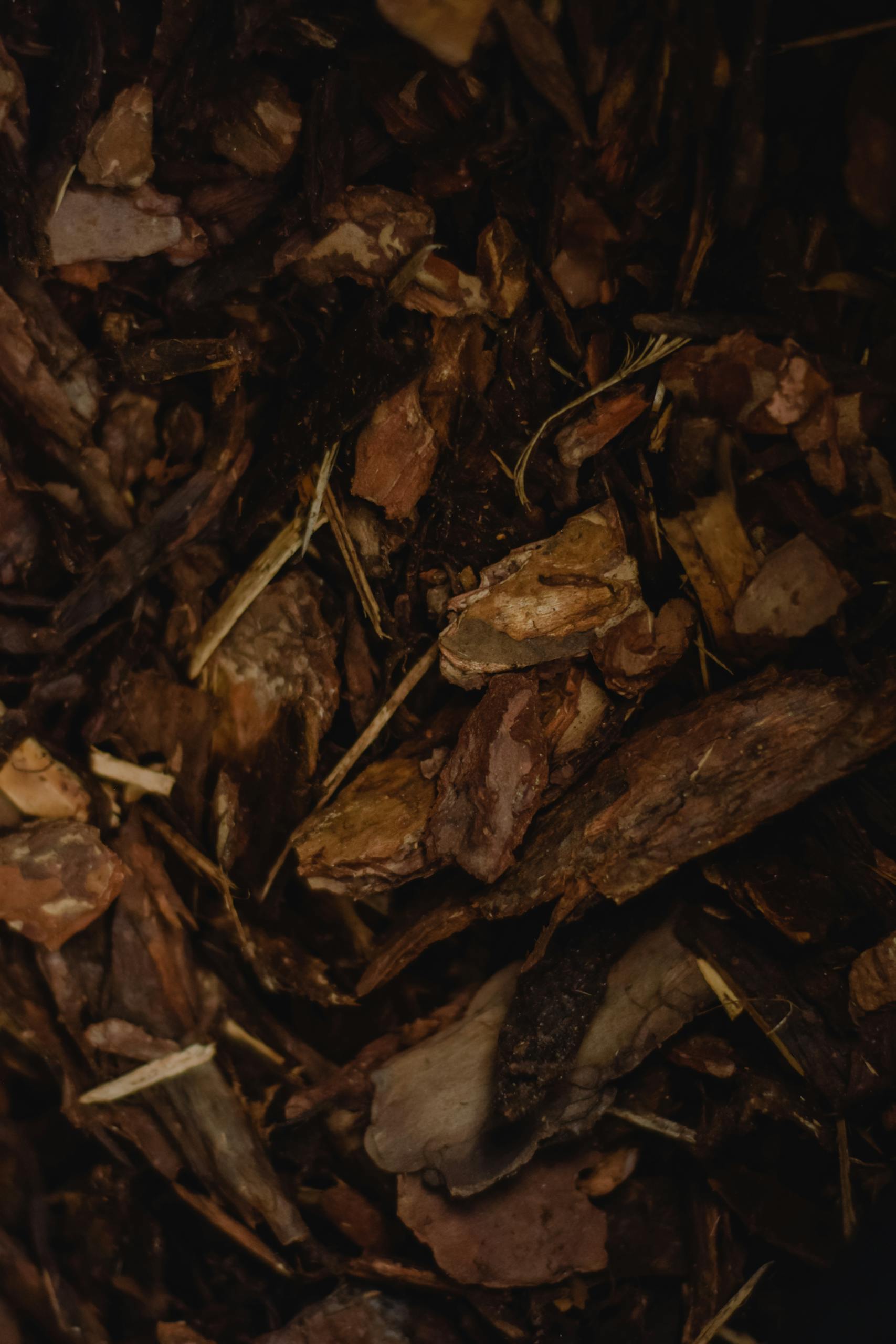
Weeds are the garden’s uninvited guests. They steal water and nutrients from your plants. You need to keep them in check.
Mulching is Your Magic Bullet
A layer of mulch (straw, wood chips, shredded leaves) on top of your soil is fantastic. It suppresses weeds, conserves moisture, and regulates soil temperature.
A two to four-inch layer usually does the trick. Plus, as organic mulches break down, they add nutrients back to your soil. It is a win-win situation.
Hand Weeding
Sometimes you just have to get down on your hands and knees and pull those little rascals out. It is good exercise, I tell myself.
It is easier to pull weeds when the soil is damp. Get them before they get big and go to seed. One weed going to seed means thousands more next year. It is a never-ending cycle, my friend.
Pest and Disease Management: The Garden’s Little Dramas
At some point, something will try to eat your plants or make them sick. Do not panic.
Identify the Problem
Do not just spray everything. Figure out what the problem is first. Are those tiny holes from a bug or a bird? Is that yellow leaf a symptom of disease or just old age?
Look up common garden pests and diseases in your area. Your local extension office is a great resource. Google can help, but sometimes you get too much information that way.
Organic Solutions First
Before reaching for the harsh stuff, try gentler solutions. Hand-picking bugs, using insecticidal soap, or applying neem oil are good starting points.
Healthy plants are more resistant to pests and diseases anyway. Good soil, proper watering, and adequate sunlight go a long way in keeping your plants happy and strong.
Harvesting Your Bounty: The Best Part
This is why you put in all that work. Knowing when and how to harvest makes a big difference in taste and encourages more production.
Know When to Pick
Do not wait too long. Overripe vegetables are often tough or bland. Pick regularly to encourage your plants to keep producing more.
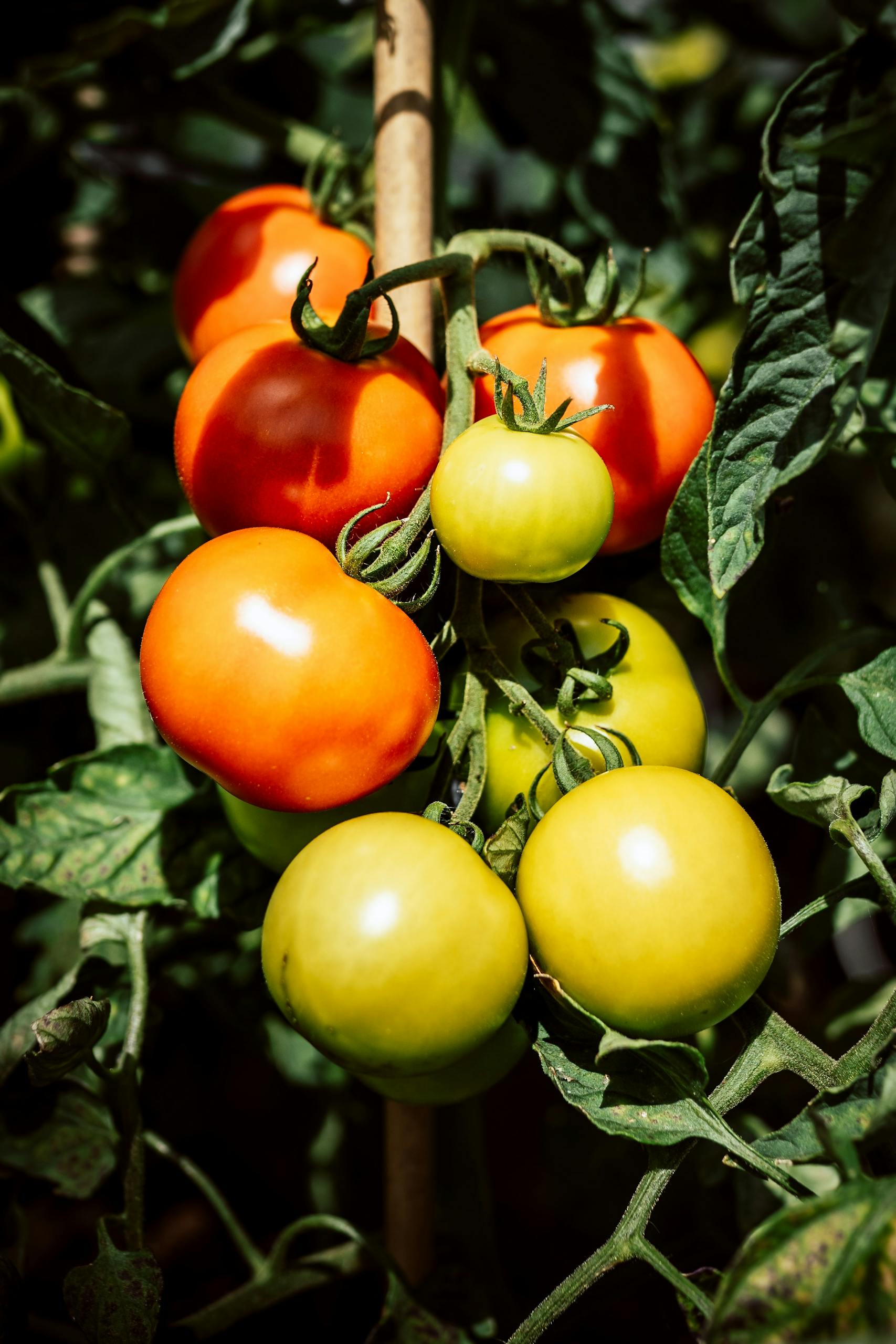
For example, zucchini gets enormous and seedy if you let it go too long. Pick them when they are small and tender. Leafy greens taste best when picked young. Tomatoes should be firm and fully colored.
Gentle Hands
When you harvest, be gentle with your plants. Use a sharp knife or clippers for things like peppers and squash to avoid damaging the plant.
Pulling ripe vegetables off with force can hurt the plant, which means less future produce for you. And we want more, right?
Starting a vegetable garden from scratch is not about perfection. It is about learning, getting your hands dirty, and enjoying the process. You will make mistakes; everyone does. I still do, and I have been gardening for years. The best part? You get to eat your mistakes, or at least learn from them. Now go, get growing.
FAQ
How much space do I actually need for a vegetable garden?
You do not need a huge backyard. Even a small 4×4 foot raised bed or a few well-placed containers can produce a surprising amount of food. Start small; you can always expand later.
Do I need fancy tools to start?
Absolutely not. A good hand trowel, a digging fork or shovel, and a watering can are pretty much all you need to begin. You can buy more specialized tools as you get more into gardening.
What if I have animals that like to eat my garden?
Ah, the classic problem. Fencing is often the most effective solution for larger animals like deer or rabbits. For smaller critters, you might need netting or row covers to protect your plants.