Beginner’s Guide to Harvesting Herbs
Feeling lost in your herb garden? Wondering when to snip those fragrant leaves? You are in the right place. I am here to tell you how to harvest your herbs so they just keep on giving. Seriously, it is not rocket science. It is more like, you know, plant whispering.
Understanding Your Green Goodness
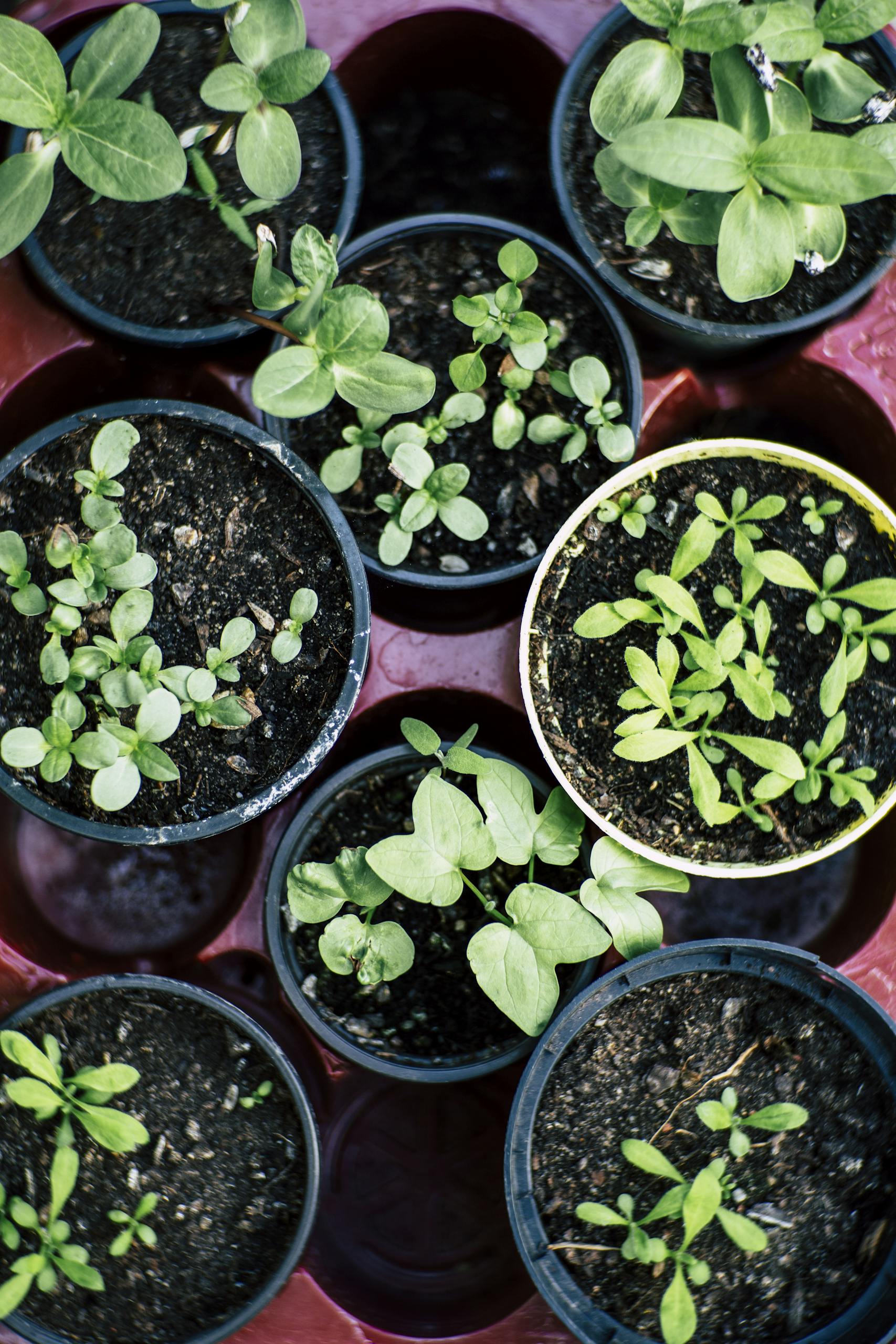
You want your herbs to thrive, right? Well, just like you, they need a little attention. They do not ask for much, just some sun, water, and a good haircut now and then. Think of harvesting as giving them a fresh style; it promotes new growth.
Why Prune Your Herbs?
Cutting back your herbs actually helps them. It keeps them from getting leggy and all scraggly. Plus, it makes them produce more yummy leaves for your cooking. This is a win-win, even for people like me who sometimes forget where they put their car keys.
Knowing When Your Herbs are Ready
This is not a race; it is a marathon. You want to harvest your herbs when they taste their best. For many herbs, that means before they start flowering. Once they flower, the flavor often changes. It can get a little bitter, kind of like your mood on a Monday morning.
Tools of the Trade (aka What to Use)
You do not need a fancy set of gardening shears used by professional topiary artists. A good pair of sharp scissors often does the trick. Clean tools make clean cuts, and clean cuts are good for your plants. It reduces the chance of, well, plant boo-boos.
Basic Harvesting Equipment
- Sharp scissors or pruning snips.
- A clean basket or container for your harvest.
- Gloves, if you are particular about dirt under your fingernails.
General Harvesting Techniques
Okay, here is the secret sauce. You do not just lop off the top. You need to be a little strategic. It is like playing chess with your plants, except they do not move.
The “Pinch Back” Method
For many leafy herbs, like basil and mint, you want to pinch or cut just above a leaf node. That is the spot where leaves or branches grow from the main stem. This encourages the plant to branch out, giving you more to harvest later. It is like telling your plant, “Hey, grow wider, not taller!”
Taking a Quarter
A good rule of thumb is to never remove more than about one-quarter of the plant at one time. This gives the plant enough leaves to keep photosynthesizing and growing strong. You would not want someone taking half your lunch, right? Same principle.
Harvesting Specific Herbs
Every herb has its own little personality. Some are divas, some are laid-back. Knowing their quirks helps you get the most from them.
Basil: The Italian Stallion

Basil loves warm weather. Harvest basil leaves often to keep the plant producing. Pinch off the top sets of leaves just above a node. If you see flower buds forming, snip them off right away. Those flowers make the leaves taste, well, less basily. My grandmother used to say, “A basil flower is a wasted leaf.” She was a very wise woman.
Mint: The Sprawling Sensation
Mint is enthusiastic. Like, really enthusiastic. You can be a bit more aggressive with mint. Cut entire stems back, leaving about two to three sets of leaves at the base. Mint grows quickly, so you will be harvesting often. It almost feels like a competitive sport sometimes.
Rosemary: The Woody Wonder
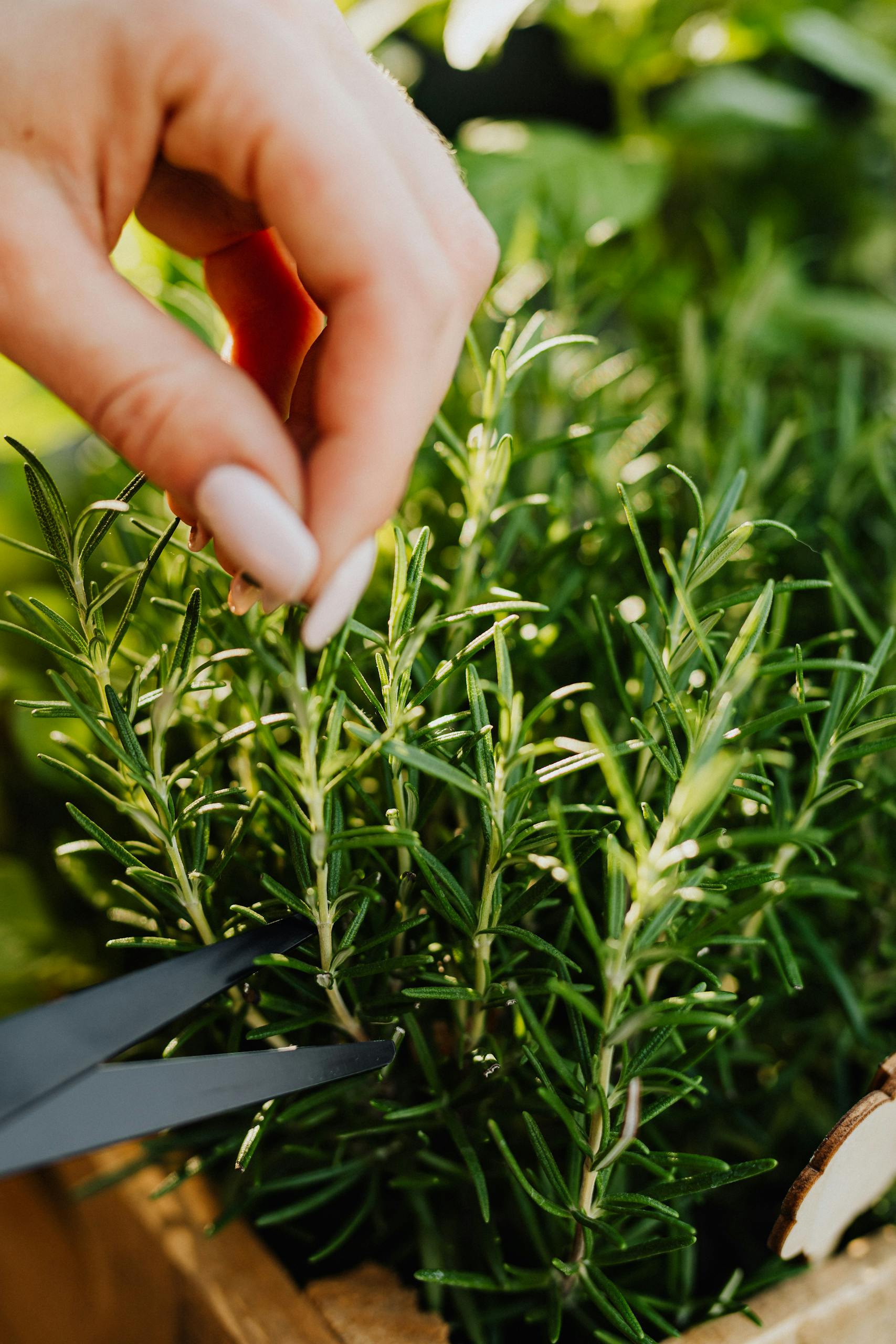
Rosemary can get woody. Harvest new, soft growth. You can snip off sprigs as needed. Rosemary does not mind a good haircut. You can even shape it a bit if you are feeling artistic. Just do not try to make it look like a poodle; it likely will not appreciate that.
Thyme: The Low Rider
Thyme is a low-growing herb. Snip off the outer stems, leaving the inner ones to keep growing. You can take quite a bit from a mature thyme plant. It is pretty resilient. I once accidentally ran over my thyme with the lawnmower, and it still came back. Tough stuff.
Chives: The Spiky Sibling
Chives are easy. Just snip off the green blades with scissors about an inch from the ground. They grow back fast. You can harvest chives many times through the growing season. They are like the energizer bunny of the herb world.
Parsley: The Curly or Flat-Leafed Friend
For parsley, cut the outer stalks closer to the ground. This encourages new growth from the center of the plant. Both curly and flat-leaf parsley follow this method. My neighbor always said flat-leaf tasted better, but I think she was just being snobby.
Cilantro: The Finicky One
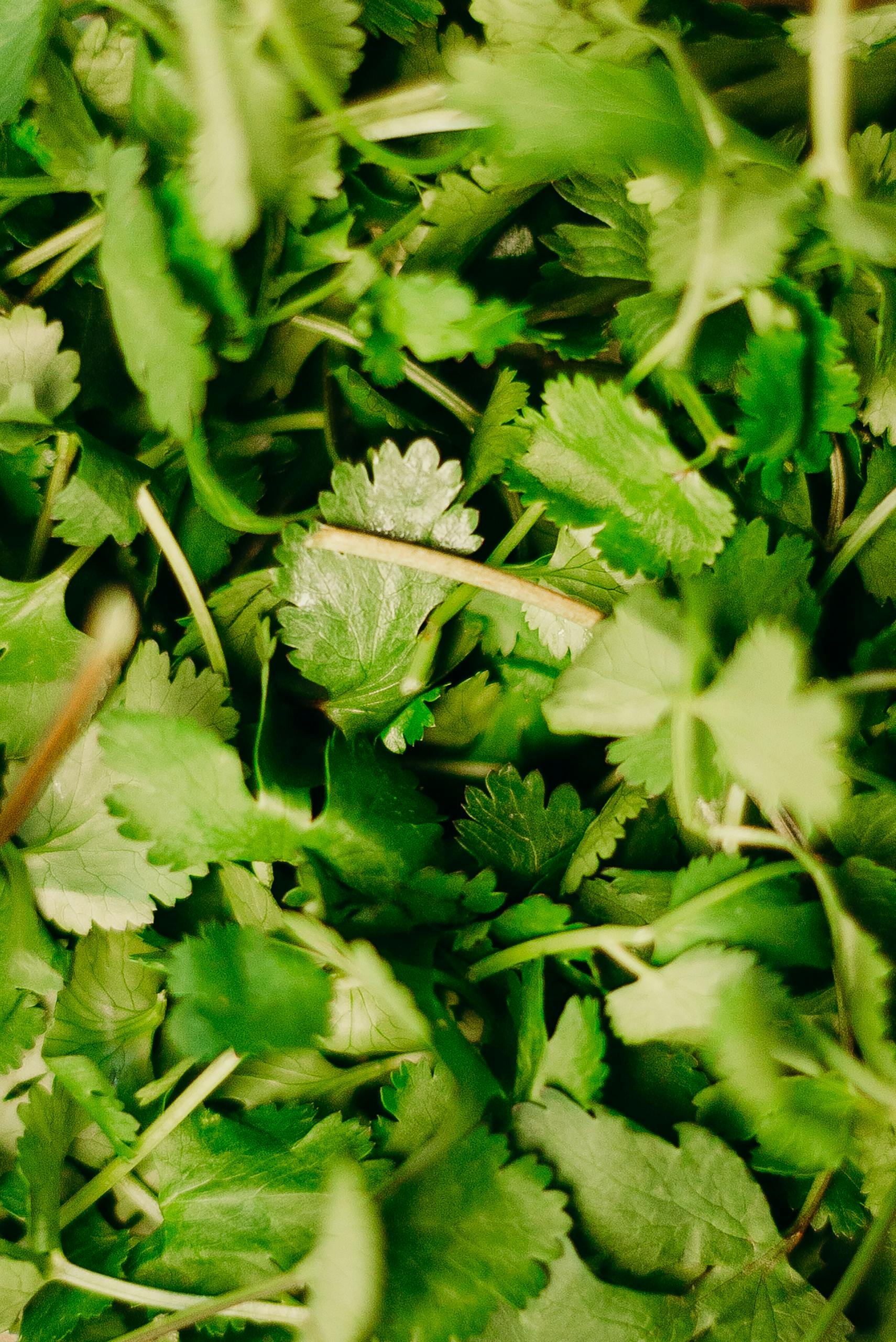
Cilantro bolts quickly in warm weather, meaning it sends up a flower stalk and the leaves lose flavor. Harvest cilantro leaves frequently. If you see it starting to bolt, harvest the whole plant. It is a sprint with cilantro, not a marathon.
When to Avoid Harvesting
Yes, there are times you should put down the scissors. It is not always about taking. Sometimes it is about patience.
When Your Plant is Small
Let your young herbs establish themselves before you start snipping. Give them a chance to grow a good root system. Think of them as teenagers; they need their space to develop.
During Stress Periods
If your plant looks droopy, yellowish, or otherwise unwell, leave it alone. Let it recover. Harvesting a stressed plant is like trying to make someone run a race when they have a cold. Not a good idea.
Preserving Your Harvest
So you have all these lovely herbs. Now what? You cannot eat it all tonight. Unless you are planning a very herb-heavy meal, which, honestly, sounds pretty good.
Drying Herbs
Drying is a classic method. Air drying works well for herbs with lower moisture content, like rosemary, thyme, and oregano. Hang them in small bunches in a cool, dark, well-ventilated area. My grandma used to hang hers in the pantry, and the whole house smelled amazing.
For herbs with higher moisture, like basil or mint, a dehydrator can work, or a very low oven setting. You do not want to cook them; you want to dry them.
Freezing Herbs
Freezing works wonderfully for many herbs, especially those that lose flavor when dried, such as basil, parsley, and cilantro.
- Chop your herbs finely.
- Place them in ice cube trays.
- Cover with a little water or olive oil.
- Freeze until solid.
- Pop them out and store the frozen cubes in a freezer bag.
This is my go-to method for basil. It is so easy to just pop a basil cube into soup or sauce later. Plus, it makes me feel very prepared, which happens like twice a year.
Making Herb Oils and Vinegars
Infusing oils or vinegars is another way to preserve flavor. Just make sure your herbs are completely dry if using oils to prevent bacterial growth. You do not want any unexpected science experiments in your kitchen.
Troubleshooting Common Herb Harvesting Mistakes
Even the best of us mess up sometimes. It is part of the learning curve, like trying to assemble IKEA furniture.
| Mistake | Impact | Fix |
|---|---|---|
| Over-harvesting | Plant becomes stressed, stops growing, or dies. | Take no more than 1/4 of the plant at a time; let it recover. |
| Harvesting too young | Plant does not establish a strong root system. | Wait until plant is well-established before first harvest. |
| Not pruning flowers | Herb flavor changes, plant focuses energy on seeds, not leaves. | Pinch off flower buds as soon as they appear for most herbs. |
I once took too much basil from one plant, and it sulked for weeks. It was like I had personally offended it. Live and learn, right?
Advanced Tips (Just Kidding, Still Beginner-Friendly)
Okay, maybe not “advanced,” but things you will naturally figure out as you get more comfortable. It is like riding a bike; you just start doing it.
Harvesting for Flavor Peak
Most herbs taste their best in the morning after the dew has dried but before the heat of the day. That is when their essential oils are most concentrated. It is like they are at their peak performance, ready for their culinary debut.
Seasonal Harvesting
Some herbs, like cilantro and dill, prefer cooler weather and will “bolt” (go to seed) quickly in hot temperatures. Others, like basil, thrive in the heat. Pay attention to your local climate and harvest accordingly. You cannot force a winter coat on a summer day.
Harvesting your herbs regularly is like giving them a pep talk and a haircut all at once. Happy harvesting, my friend!
FAQ
How often should I harvest my herbs?
The frequency depends on the herb, but generally, harvest leafy herbs like basil and mint every one to two weeks during their peak growing season to encourage continuous growth.
What should I do if my herbs start to flower?
For most culinary herbs, if you want more flavorful leaves, pinch off the flower buds as soon as you see them. This redirects the plant’s energy back into leaf production instead of seed production.
Can I harvest herbs in the rain?
It is best to harvest herbs after the rain has dried on the leaves. Wet leaves can lead to mold or spoilage if you plan to store them, and you might wash away some of the flavorful essential oils.