7 Fast-Growing Vegetables You Can Harvest Quickly
You want fresh veggies, but patience is not your virtue. Good news, my friend! You can have your garden and eat it too, super fast. Let’s talk about seven speedy vegetables that practically sprint from seed to supper.
Rapid Rewards: Why Grow Quick-Harvest Vegetables?
Growing your own food is seriously satisfying, right? But sometimes, you just do not want to wait around forever for a radish. Fast-growing vegetables are like the instant gratification of the gardening world.
They are fantastic for beginners, giving you quick wins and building your confidence. No more staring at tiny seedlings, wondering if anything will ever happen. These guys grow before your very eyes.
The Joy of Speedy Harvests
There is nothing quite like pulling a crisp carrot from your own soil. When you can do that in a few weeks, it feels like magic. Plus, you get to skip the grocery store and enjoy produce picked at peak freshness.
These fast growers also let you experiment with different crops throughout the season. You can plant, harvest, and then plant something totally different in the same spot. It is like a revolving buffet of homegrown goodness.
The Magnificent Seven: Your Quick-Harvest Powerhouses
Alright, let us get down to business. Here are seven vegetables that will make you feel like a gardening superstar in no time.
1. Radishes: The Sprinters of the Garden

Seriously, radishes are champions of speed. Some varieties go from seed to snack in under a month. It is almost unbelievable how quickly they pop up and develop those zesty roots.
I remember one time, I tossed some radish seeds in a bare spot, thinking, “Eh, maybe.” A few weeks later, boom! A whole row of perfect, spicy little globes. It felt unfair to the other slower vegetables.
Tips for Terrific Radishes
- Plant them directly in loose soil.
- Keep the soil moist, but do not drown them.
- Harvest when they are small; big radishes get woody.
2. Leafy Greens: Lettuce and Spinach
When you want salad, you want salad now. Good thing leafy greens are super accommodating. Loose-leaf lettuce and spinach are incredibly fast, giving you tender leaves in just a few weeks.
You do not even need to wait for a full head to form. You can do what savvy gardeners call “cut and come again” harvesting. Snip off the outer leaves, and the plant keeps producing more. It is like a salad bar that never closes.
Growing Glorious Greens
- Sow seeds about half an inch deep.
- Provide some partial shade if your summers are scorching.
- Water consistently to prevent bitterness.
3. Bush Beans: The Prolific Producers
Bush beans are like the energizer bunny of the vegetable patch. They produce oodles of pods in a relatively short time, usually around 50-60 days. They do not even need a trellis, so they are perfect for smaller spaces or containers.
My grandmother always said, “If you want beans, plant beans.” She was right. I planted a row of bush beans one spring, and I swear, I was picking them daily for weeks. My freezer was overflowing with blanched green beans.
Bean Basics for Beginners
- Plant after all danger of frost is gone.
- Make sure the soil is warm enough.
- Pick frequently to encourage more production.
4. Beets: Root and Leaf Rewards

Beets are amazing because you get two vegetables for the price of one. Not only do you get those earthy, sweet roots, but the leafy tops are also edible and delicious. And guess what? They grow fast!
You can start harvesting the greens in about a month. The roots take a little longer, around 50-60 days, but that is still pretty speedy. It is like a buffet of goodness from one plant.
Cultivating Charming Beets
- Sow seeds directly in the garden.
- Thin seedlings to give roots room to grow.
- Water regularly, especially when roots are forming.
5. Turnips: Underrated and Unexpectedly Quick
Many people forget about turnips, but they are a hidden gem for quick harvests. You can enjoy the greens in about a month, and the roots are ready in about 40-60 days. They are incredibly versatile, too.
I experimented with growing turnips one year, mostly because I had extra space. I was pleasantly surprised. The greens were peppery and great in stir-fries, and the roots were sweet and mild when picked young. Consider them a secret weapon.
Tips for Terrific Turnips
- Plant in loose, well-drained soil.
- Keep soil consistently moist.
- Harvest roots when they are small and tender.
6. Green Onions/Scallions: The Ultimate Cut-and-Come-Again
If you want a vegetable that practically grows itself, green onions are your friend. You can plant sets or even the white ends of store-bought green onions. They practically regrow overnight.
I keep a glass of water on my windowsill with the ends of green onions from the grocery store. Within days, new green shoots appear. Then, I plant them in a pot outside, and I always have fresh green onions. It is ridiculously easy.
Growing Green Onions with Gusto
- Plant sets or bulb ends in moist soil.
- You can grow them in pots or directly in the garden.
- Snip off what you need; they will regrow.
7. Microgreens: The Instant Garden

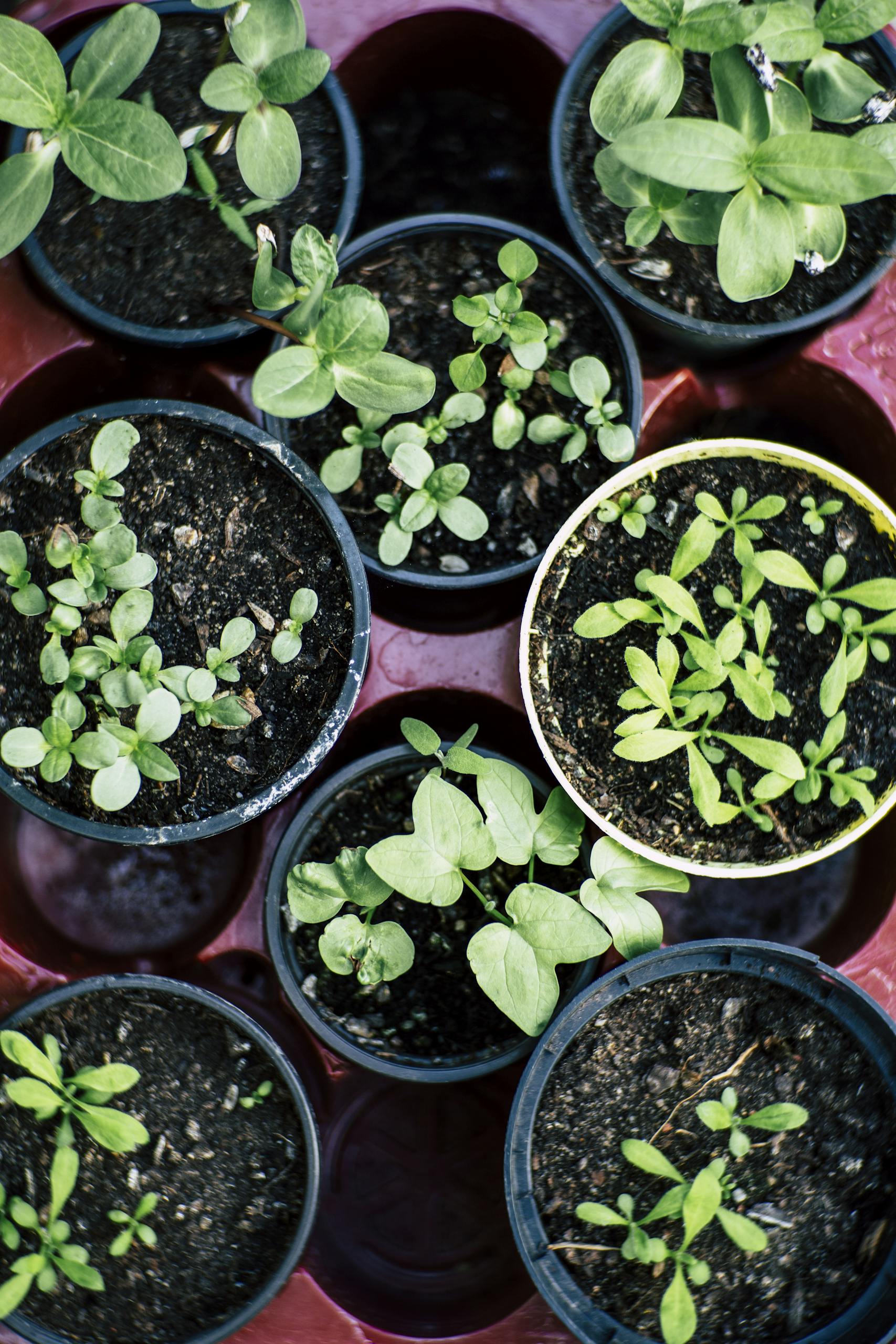
Okay, these are not exactly full-sized vegetables, but microgreens are the fastest of the fast. We are talking about little seedlings of various vegetables, herbs, and grains, harvested when they are just a few inches tall. You can grow them indoors on a windowsill.
Seriously, from seed to harvest can take as little as seven to ten days. You sprinkle seeds on a flat tray of soil, keep them moist, and boom! A week later, you have a nutrient-packed, flavorful addition to salads, sandwiches, or just to snack on. It is the gardening equivalent of fast food, but healthy.
Microgreen Magic
- Use shallow trays with drainage holes.
- Spread seeds densely over sterile potting mix.
- Harvest by snipping just above the soil line.
Planning Your Speedy Vegetable Patch
Even with fast growers, a little planning goes a long way. Think about where your sunlight hits and how much space you have. You do not need a huge garden to grow these speedy delights.
Here is a little table to give you a quick glance at harvest times. Keep in mind these are averages; always check your specific seed packet for the most accurate information.
| Vegetable | Approx. Days to Harvest | Notes |
|---|---|---|
| Radishes | 20-30 days | Some varieties are even faster! |
| Lettuce (loose leaf) | 25-35 days | Cut and come again harvesting. |
| Spinach | 28-40 days | Harvest outer leaves for continuous supply. |
| Bush Beans | 50-60 days | Pick frequently. |
| Beets (greens) | 30 days | Roots take 50-60 days. |
| Turnips (greens) | 30 days | Roots take 40-60 days. |
| Green Onions | 20-30 days | Can harvest repeatedly. |
| Microgreens | 7-14 days | Harvest young seedlings. |
Succession Planting: The Secret to Continuous Harvests
This is where you become a real gardening pro. Do not plant all your radish seeds at once. Plant a small batch every week or two. That way, you get a continuous supply of fresh radishes instead of a giant glut all at once.
This trick works for almost all of these fast growers. It spreads out your harvest and keeps your kitchen supplied with fresh produce all season long. It is like magic, but with dirt and seeds.
Maintaining Your Quick Garden

Even the fastest growing vegetables appreciate a little tender loving care. Good soil, enough water, and some sunshine are key. They are not demanding divas, but they do have basic needs.
Soil Quality for Speedy Growth
Think of your soil as the foundation of your vegetable house. Loose, well-draining soil with plenty of organic matter will make your plants happy. They can send their roots down deep and find all the nutrients they need.
If your soil is heavy clay, add some compost or well-rotted manure. If it is too sandy, do the same. Good soil is truly the unsung hero of a productive garden. It makes everything easier, I promise you.
Watering Wisdom
Fast-growing vegetables do not like to dry out. Consistent moisture helps them grow quickly and taste their best. Uneven watering can lead to problems like bitterness in greens or tough radishes.
But also, do not overwater. Soggy roots are unhappy roots. Just stick your finger in the soil about an inch deep. If it feels dry, give it a drink. Simple as that.
Common Challenges and Quick Fixes
Even the speedy ones sometimes face a hiccup. Do not fret if things do not go perfectly. Gardening is about learning and adapting, like a real-time strategy game.
Pests: The Uninvited Guests
Aphids love new, tender growth. If you see them, a strong spray of water from your hose can often dislodge them. For more persistent problems, a little insecticidal soap can do the trick.
The good news with fast growers is sometimes they grow so fast, they outrun mild pest infestations. You might harvest them before the pests even get a good foothold. It is like they are playing a different game, on a faster clock.
Bolting: When Plants Rush to Seed
Sometimes, especially in hot weather, leafy greens and radishes can “bolt.” This means they send up a flower stalk and try to go to seed. When they bolt, the leaves often become bitter, and radishes get woody.
To avoid this, try to plant heat-sensitive crops in cooler parts of the season. Provide some partial shade if you are pushing into warmer weather. And, of course, harvest them young, before they get any big ideas about flowering.
Harvesting Your Bounty: The Best Part

Okay, this is what you have been waiting for. Knowing when and how to harvest your quick-growing vegetables is key to enjoying them at their peak flavour. Do not be shy; dig in!
For most of these, younger and smaller is often better. Radishes are crispest when they are still relatively small. Lettuce and spinach leaves are most tender before they get too big. Do not wait for them to become giants.
Snip greens with scissors or pinch them off. For root crops, gently loosen the soil around them and pull. It is a simple joy, truly. You will be hooked once you taste the difference of fresh-from-the-garden produce.
Begin Your Quick Garden Journey Today
You now have the knowledge to create your own fast-paced, delicious vegetable patch. No more excuses about not having time or patience. These seven vegetables are designed for gardeners who want results, and they want them now.
Grab some seeds, find a sunny spot, and get planting. You will be amazed at how quickly you can go from tossing seeds into the dirt to tossing fresh greens into your salad bowl. Happy gardening, my friend!
Frequently Asked Questions
Can I grow these fast-growing vegetables in containers?
Absolutely! Most of these fast-growing vegetables are perfectly suited for container gardening. Lettuce, spinach, radishes, and green onions thrive in pots, making them ideal for patios or balconies.
How often should I water my quick-harvest garden?
You should check your soil daily. Water when the top inch of soil feels dry to the touch. Consistent moisture is important for fast growth and to prevent bitterness in leafy greens.
Do these vegetables need a lot of fertilizer?
Not usually. If your soil is rich in organic matter, they may not need any extra fertilizer. A balanced, organic fertilizer can be used sparingly if growth seems to be slowing or leaves look discolored.