How to Grow Strawberries in Containers
So, you want lovely, homegrown strawberries but maybe you live in a tiny apartment, or perhaps your yard is already a jungle. No problem. Growing strawberries in containers is totally doable, honestly, even for someone who sometimes forgets to water their houseplants. You just need a few simple tricks, and soon you will be enjoying sweet berries right from your patio.
Why Containers are King for Strawberries
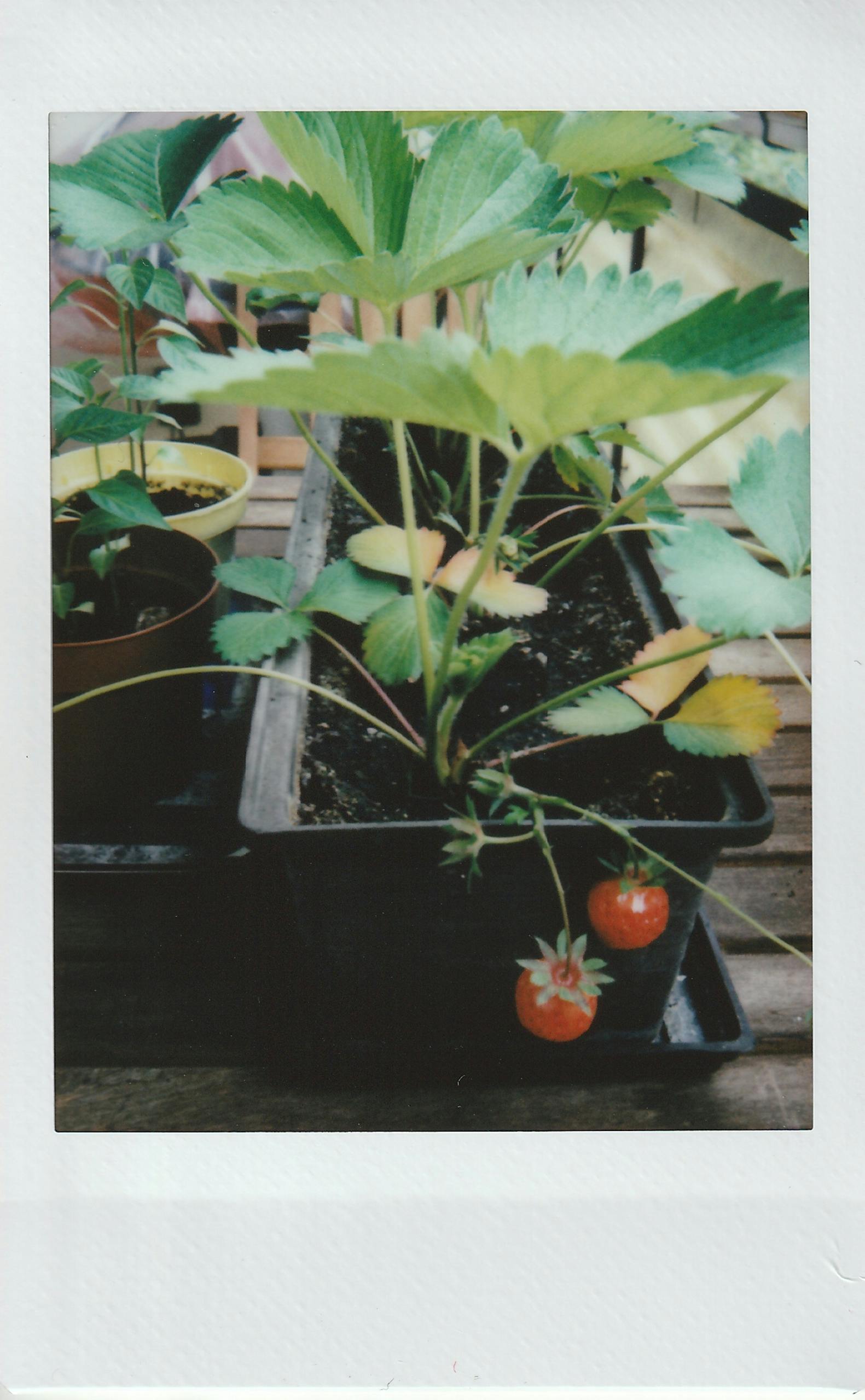
You know, the ground can be a tricky place for strawberries. Pests love them, diseases can spread fast, and trying to keep those runners from taking over your yard is a full-time job. Containers fix a lot of those headaches. Plus, you can move them around, which is fantastic for sun exposure.
Pest Protection and Disease Defense
My buddy, John, planted strawberries in his garden last year. He thought he was doing everything right. Then, he went on vacation for a week. When he came back, squirrels had eaten every single berry. With containers, you can put up netting way easier or even bring the plants inside if you are expecting a horde of hungry critters. You can also monitor for diseases much more closely, which helps you avoid a whole plant graveyard problem.
Mobility and Sun Worship
Strawberries are sun junkies. They want at least six to eight hours of direct sunlight a day. If your patio only gets morning sun in one spot and afternoon sun in another, it is really simple to move your pots. Try doing that with a garden bed. You just cannot. Think about it.
Picking the Perfect Pot and Berry
This part is not rocket science, honest. You just need a container that drains well and some strawberry plants that actually like small spaces. You do not want a diva plant wanting acres of land.
Container Choices: More Than Just a Pretty Face

Drainage is your number one rule for pots. Strawberries hate wet feet. Get a container with holes. If it does not have holes, you need to make some. I learned this the hard way with a gorgeous, but hole-less, ceramic pot. My plants basically drowned.
- Terracotta pots: They breathe well, but dry out fast. You will need to water more often.
- Plastic pots: They hold moisture better, so less watering. Make sure you lift them up sometimes to check for mold underneath.
- Fabric grow bags: These are my personal favorite. They air-prune roots, preventing them from circling, and they drain exceptionally well. Plus, they are light and easy to move. I have a whole balcony full of these.
- Strawberry pots: These are the ones with pockets on the sides. They look cool, and you can fit a lot of plants, but the side pockets can dry out really quickly. You need to be diligent with watering.
As for size, a pot at least 6-8 inches deep and 10-12 inches wide works well for a single plant. A larger container, like a half-whiskey barrel, can house a few plants, maybe three or four.
Strawberry Varieties for Your Confined Quarters
Not all strawberries are created equal for container life. You want varieties that produce berries over a long season and do not send out a gazillion runners.
There are three main types of strawberries:
- June-bearing: These produce one large crop in early summer. If you want a big haul for jam, these are good, but they send out lots of runners trying to make more baby plants.
- Everbearing: These produce a crop in spring, another in late summer, and sometimes a small one in fall. They are good for a steady supply of berries.
- Day-neutral: These produce berries all season long as long as temperatures are between 35 and 85 degrees Fahrenheit. These are the champions of container growing because they do not mind being confined and produce continuously.
My top picks for containers are:
- Seascape (day-neutral): These give you a lot of berries, and they taste great.
- Albion (day-neutral): Another prolific producer, known for big, firm berries.
- Eversweet (day-neutral): Resilient and sweet, a good all-rounder.
- Tristar (everbearing): A classic everbearing type with good flavor.
You can buy bare-root plants or small potted plants from a nursery. Bare-root plants are usually cheaper, but they take a little longer to get going.
Soil and Sunlight: The Unsung Heroes
You cannot just dig up dirt from your backyard and call it a day. Container plants have different needs. And did I mention sun? Yes, I did, but it is important to reinforce.
Potting Mix, Not Garden Dirt
This is where many people mess up. Garden soil compacts too much in pots, suffocating roots and holding too much water. You need a good quality potting mix. Look for something well-draining but also able to retain some moisture.
A good potting mix should include:
- Peat moss or coco coir: For moisture retention.
- Perlite or vermiculite: For drainage and aeration.
- Compost or aged manure: For nutrients.
I usually mix my own, or I buy a reputable brand specifically for containers. I always make sure it is fresh too. You do not want last year’s dusty bag.
The Sun’s Daily Dose
Strawberries, as I said, need sun. Lots of sun. Like, a celebrity on a red carpet kind of attention. Six to eight hours of direct sunlight is the minimum. If they do not get enough sun, your berries will be small, pale, and taste like disappointment. Position your containers where they get the most sun possible. If you are moving them around a lot, a plant caddy with wheels is a lifesaver. Seriously, go get one.
Watering, Feeding, and Pruning: The Daily Grind
Gardening involves a bit of upkeep. Strawberries are no different. They need consistent care to pump out those juicy berries.
Watering Wisdom: No Drowning, No Desert
Container plants dry out faster than in-ground plants. You will probably need to water your strawberries daily, especially when it is hot and sunny. Stick your finger an inch or two into the soil. If it feels dry, water until it drains from the bottom. Do not just splash a little on top; soak it. Remember, wet feet are bad. Consistent moisture is good. Mulching the top of the soil with straw or wood chips can help retain moisture, keeping you from watering quite so much.
Feeding Frenzy: Nutrients for the Win
Your potting mix has some nutrients, but your hungry strawberry plants will eventually use them up. You need to fertilize.
I like to use a balanced liquid fertilizer, like a 10-10-10, or one specifically for fruits and vegetables.
- Start feeding when you see the first flowers.
- Fertilize every two to four weeks during the growing season.
- Always follow the instructions on the fertilizer package. More is not always better. You can burn your plants. I learned that after getting a little too enthusiastic with my first batch of tomatoes. They withered.
Pruning for Productivity: Snip, Snip, Hooray!
Pruning is not just for roses. Strawberries need a little trim too.
Runner Management
Strawberries send out runners, which are basically little clone babies. In the ground, these can spread like wildfire. In containers, they just eat up your plant’s energy that should be going into making berries. I usually snip them off unless I want to root a new plant. You can take the runner and put it in a small pot of its own, letting it stay attached to the mother plant until it roots, then sever the connection. Free plants! Who does not like that?
Old Leaf Removal
As the season progresses, some leaves will age and turn yellow or brown. Cut these off. They are not doing anything useful and can even invite disease. Removing them improves air circulation around the plant, which is always a good thing.
Pest and Disease Patrol: Your Secret Agent Mission
Even in containers, you cannot escape all the bad guys. But you have got more control. You are like the master of your miniature strawberry kingdom.
Common Culinary Criminals
You will probably run into some common garden pests.
- Aphids: These tiny green bugs suck the life out of plants. You can spray them off with a strong stream of water from your hose or use insecticidal soap. My personal preference is the water gun method; it is oddly satisfying.
- Slugs and Snails: These slimy creatures love to munch on leaves and berries. You can handpick them (ew, I know) or set out shallow dishes of beer. They are drawn to the yeast, fall in, and drown. It is a sad, boozy end for a slug.
- Birds: Birds love berries as much as you do. Netting is your best friend here. Just drape it over your plants when the berries start to ripen. Otherwise, your harvest will disappear quickly.
Spotting and Stopping Sickness
Diseases are less common in containers if you follow good practices, but still watch out for them.
- Powdery Mildew: This looks like white powdery spots on leaves. Improving air circulation by pruning and sometimes using a fungicide (organic kind, if you want) can help.
- Leaf Spot: Small brown or purple spots on leaves. Again, good air circulation and removing affected leaves are key. Sometimes, though, you just have to pull a really sick plant to protect the others. It is like triage for plants.
Winterizing Your Container Strawberries: Do Not Let Them Freeze
If you live where it gets cold, your container strawberries need some winter protection. They are not as tough as their in-ground cousins.
Here are a few options:
- Move them indoors: If you have a cool, unheated garage, shed, or basement that stays above freezing, you can move your pots there. They will go dormant.
- Bury the pots: You can dig a trench in your garden and bury the entire container in the ground. This insulates the roots.
- Insulate the pots: Wrap your pots in burlap, bubble wrap, or even old blankets. You can also group them together tightly.
- Cover with mulch: Once they go dormant, cover the plants with a thick layer of straw or pine needles.
The goal is to keep the roots from freezing solid too many times, which just kills the plants. You want them to have a nice, cozy winter nap.
Harvesting Your Hard-Earned Berries: The Sweet Reward
This is the best part! You have put in the work, now it is time for the payoff.
When to Pick
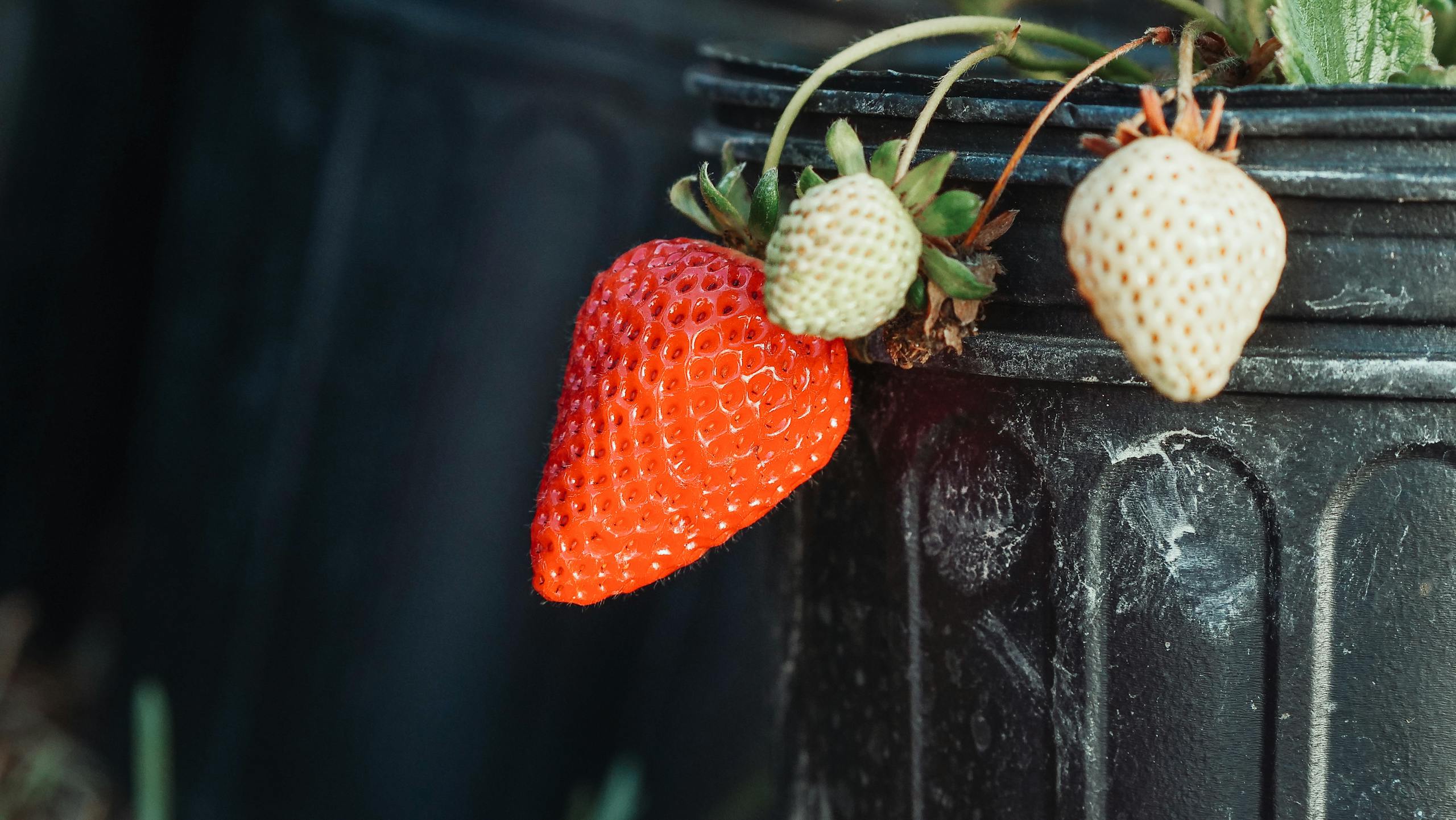
Pick strawberries when they are fully red. The little green or white spots mean they are not quite ready. Strawberries do not ripen much after they are picked. So leave them on the plant until they are glorious.
How to Pick
Gently grasp the stem just above the berry and snap it off, or use a small pair of pruners. Do not pull the berry itself; you can damage the plant. Pick often, every day or two when they are really producing. This encourages the plant to make even more berries.
Enjoy the Fruits of Your Labor
Eat them fresh, make jam, put them on ice cream. My favorite is just to wash them and eat them warm from the sun. Nothing beats it. You cannot buy berries like that at the store.
| Task | Frequency | Notes |
|---|---|---|
| Watering | Daily or every other day | Check soil moisture before watering. |
| Fertilizing | Every 2-4 weeks | Use balanced liquid fertilizer; start when flowers appear. |
| Pruning Runners | As needed | Snip off runners to conserve plant energy for fruit. |
| Harvesting | Daily to every other day | Pick when fully red; pick often to encourage more berries. |
| Pest Check | Weekly | Look for bugs or signs of disease. |
Growing strawberries in containers is really satisfying. It is not too hard, and the taste of a homegrown berry is incomparable. You will wonder why you did not start sooner. Just try it. You will be amazed at what you can grow in a small space. Your friends will be a little jealous too. It is okay. You can share, or not. Your call.
Frequently Asked Questions
Can I use compost instead of potting mix for my container strawberries?
While compost is a great soil amendment and provides nutrients, it is usually too dense on its own for container growing. It will compact and restrict drainage, suffocating the roots. It is best to mix compost into a lighter potting mix.
How many strawberry plants can I put in one container?
The number of plants depends on the container size. For a standard 10-12 inch wide pot, one plant is best. For larger containers, like a half-whiskey barrel, you can plant three to four strawberries, giving each plant ample space to grow and produce.
Do I need to replace my strawberry plants every year?
Strawberry plants are perennials, meaning they can live for several years. Everbearing and day-neutral varieties generally produce well for two to three years before their production declines. You can propagate new plants from runners if you wish to keep them going longer.