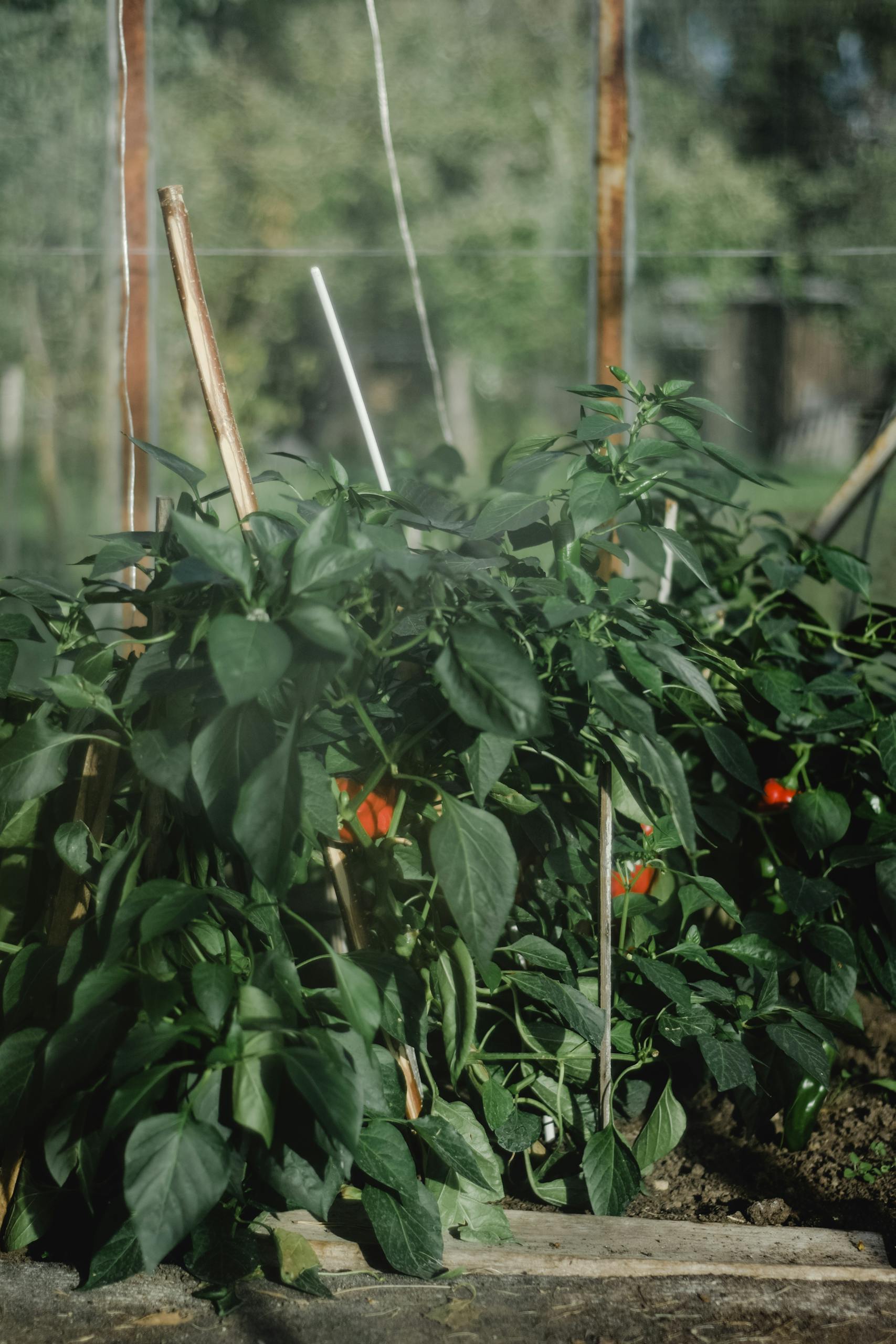
10 Low-Maintenance Plants for Beginners
So, you want some greenery in your life but maybe your thumb feels a little less “green” and a lot more “brown?” You are not alone. Nobody wants to commit to a plant only to watch it slowly, sadly wither. Good news: I am here to tell you about some plants that practically take care of themselves. You will feel like a gardening wizard, I promise.
Beginning Your Green Journey: Why Easy Plants are Your Best Friends
You probably think gardening is for grandmas with unlimited free time and a secret potion for plant longevity. Not true. Starting with easy care plants helps you build confidence. You learn plant signals without the stress of high-stakes botanical drama.
The Joy of No-Stress Growing
My first plant, a finicky fern, died within a week. I thought I was cursed. Then my friend gave me a snake plant and it thrived despite my neglect. That little win changed everything. You get to enjoy the beauty plants bring without them becoming another chore on your overflowing to-do list.
Low maintenance does not mean boring. These plants offer incredible beauty and air-purifying benefits. They just ask for very little in return. Think of them as the chill roommates of the plant world.
Your Top 10 Low-Maintenance Plant Picks
Here it is, the moment you have been waiting for. My hand-picked list of resilient, beautiful, and forgiving plants. Get ready to impress your friends with your newfound botanical prowess.
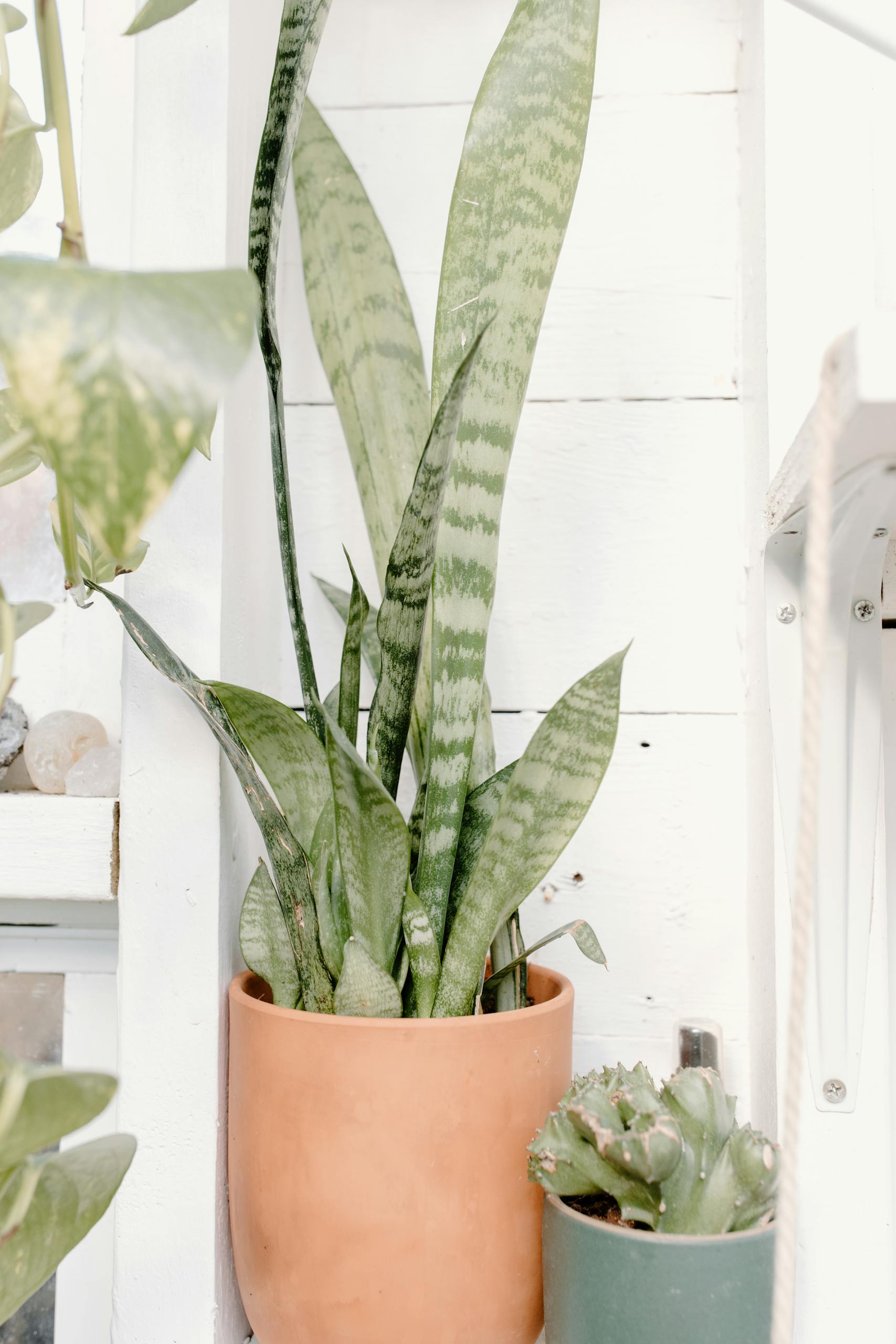
Snake Plant (Sansevieria trifasciata)
This plant is a true survivor. Seriously, you can forget to water it for weeks and it will just shrug it off. They come in many interesting varieties too, with upright, sword-like leaves.
They also tolerate low light conditions. Some people call them “bulletproof” plants. I call them my secret to looking like an expert gardener.
- Watering: Once every 2-4 weeks, let the soil dry completely.
- Light: Adaptable, from low to bright indirect light.
- Pro tip: Do not overwater. That is their only real enemy.
ZZ Plant (Zamioculcas zamiifolia)
Another champion of neglect, the ZZ plant has waxy, dark green leaves that look almost artificial. This plant stores water in its thick rhizomes, making it incredibly drought tolerant.
I left mine for a month during vacation once, totally forgot about it. Came back, and it looked just as happy as when I left. You cannot beat that.
- Watering: Once every 2-4 weeks, when the soil is bone dry.
- Light: Low to bright indirect light.
- Pro tip: Clean the leaves with a damp cloth for extra shine.
Pothos (Epipremnum aureum)
Pothos plants are incredibly versatile and come in beautiful variations like ‘Marble Queen’ or ‘Neon’. They are perfect for hanging baskets or trailing over shelves. They truly thrive on a little bit of benign neglect.
They also tell you when they are thirsty; their leaves will droop slightly. Give them a drink and they perk right back up. It is like they are communicating with you.
- Watering: When the top inch or two of soil feels dry, typically weekly.
- Light: Low to medium indirect light.
- Pro tip: Trim them back to encourage bushier growth.
Spider Plant (Chlorophytum comosum)
Spider plants are so much fun because they produce little “spiderettes” or plantlets. You can easily propagate these and share them with friends. It is like they never stop giving.
They are also excellent air purifiers. Plus, watching the little babies grow is strangely satisfying. Your home will feel like a tiny plant nursery within a few months.
- Watering: Once a week, keep soil lightly moist but not waterlogged.
- Light: Bright, indirect light is best.
- Pro tip: Give them occasional liquid fertilizer during growing season.
Cast Iron Plant (Aspidistra elatior)
The name says it all. This plant is tough, resilient, and virtually indestructible. It can handle low light, temperature fluctuations, and even a bit of sporadic watering. Many generations of my family have kept these plants in their homes, a testament to their longevity.
If you have that one dark corner where nothing else survives, the cast iron plant is your answer. It is like the unsung hero of the indoor jungle.
- Watering: Sparingly, when the soil is completely dry.
- Light: Very low to medium indirect light.
- Pro tip: Dust the large leaves regularly to help them photosynthesize.
Peace Lily (Spathiphyllum)
Peace lilies are graceful and elegant, famous for their white, flag-like flowers. Like the pothos, they are very vocal about their thirst; they dramatically droop when dry. A good drink and they bounce back like nothing happened.
My Aunt Carol has one that is older than me. It always blossoms around the holidays, a perfect little signal of the season. They are truly beautiful and rewarding plants.
- Watering: Once a week, when leaves start to noticeably droop.
- Light: Low to medium indirect light.
- Pro tip: Use filtered water if your tap water has a lot of chlorine.
Aloe Vera (Aloe barbadensis miller)
Not only is aloe vera incredibly easy to care for, but it also has medicinal uses. Got a minor burn? Snip off a leaf and soothe it with the gel inside. It is like having a tiny first-aid kit on your windowsill.
They are succulents, so they love sunshine and do not need much water. They also produce “pups” that you can separate and make new plants. It is the plant that keeps on giving.
- Watering: Every 2-3 weeks, or when soil is dry, less in winter.
- Light: Bright, direct to indirect light.
- Pro tip: Plant in well-draining succulent soil to prevent root rot.
Christmas Cactus (Schlumbergera)
Unlike desert cacti, the Christmas cactus is a tropical plant that blooms in winter, just in time for the holidays. They are low maintenance and surprisingly resilient. Mine has been passed down through generations in my family, blooming faithfully every year.
They produce beautiful, vibrant flowers, bringing much-needed color during the colder months. It is pure joy when they burst into bloom.
- Watering: Once every 2-4 weeks, when top soil feels dry.
- Light: Bright, indirect light.
- Pro tip: Give them a period of cool temperatures and darkness in fall to encourage blooming.
Jade Plant (Crassula ovata)
Jade plants are classic succulents known for their thick, woody stems and plump, oval leaves. They resemble miniature trees and can live for decades with proper care. I have seen some that are truly ancient, looking like little bonsai trees.
They are considered symbols of good luck and prosperity in some cultures. Plus, they look super cool. What is not to love?
- Watering: Every 2-4 weeks, when soil is dry to the touch.
- Light: Bright, direct light.
- Pro tip: Slowly introduce them to strong sunlight to avoid leaf scorching.
Parlor Palm (Chamaedorea elegans)
If you dream of a tropical vibe but fear the commitment, the parlor palm is your answer. It is a slow-growing, elegant palm that tolerates lower light and a bit of neglect. Plus, it is non-toxic to pets, which is a huge bonus if you have furry friends.
I have one in my office, which gets very little natural light, and it is thriving. It adds such a calming presence to the room. Truly a gem for low-light situations.
- Watering: When top inch of soil is dry, typically every 1-2 weeks.
- Light: Low to medium indirect light.
- Pro tip: Increase humidity by misting occasionally or placing near a humidifier.
Basic Care Tips for Your New Green Friends
Even though these plants are super easy, a few basic principles will guarantee their happiness. You do not need to be a botanist, just a reasonably attentive plant parent.
Understanding Light Needs
Light is probably the most important thing. Too little, and plants get leggy or just kinda sad. Too much, and they get sunburned. Imagine trying to get a tan in the desert without sunscreen; that is how some plants feel in direct sun.
- Bright, Indirect Light: This means near a window but out of direct sunbeams.
- Low Light: They can survive in dimmer spots, but will not usually grow much.
- Direct Light: A sunny window with unfiltered sun.
Watering Wisdom: Less is Often More
This is where most beginners mess up. Overwatering causes root rot, which is basically plant drowning. You are loving them to death. Do not do it!
Stick your finger in the soil. If it feels dry, then water. If it feels moist, wait. Pretty simple, right?
Replace the table with the following HTML table:
| Plant Type | Watering Frequency | Signs of Thirst | Signs of Overwatering |
|---|---|---|---|
| Succulents/Cacti (Aloe, Jade) | Every 2-4 weeks | Wrinkled leaves | Mushy stems, yellowing leaves |
| Tropical (Pothos, Peace Lily) | Weekly to Bi-weekly | Drooping leaves | Yellowing leaves, stunted growth |
| Drought Tolerant (Snake, ZZ) | Every 2-4 weeks | No obvious signs, very forgiving | Mushy spots, black stems |
Potting and Soil Matters
Good drainage is key. Most plants hate sitting in soggy soil. Use pots with drainage holes at the bottom. A saucer underneath catches water, preventing a mess.
Regular potting mix works for most of these. For succulents like aloe or jade, use a special cactus or succulent mix. It dries out faster, which they prefer.
Advanced Low-Effort Tips for the Overachiever
Okay, so you have mastered the basics. You want more. Here are a couple of things that take minimal effort but make a big difference.
Seasonal Adjustments
Plants are not robots. Their needs change with the seasons. In winter, when light is lower and growth slows, they need less water. Think of it as their sleepy time.
In spring and summer, when they are actively growing, they might need more frequent watering and maybe a little plant food. Just a little. Do not go crazy.
The Power of Dusting
Yep, just wiping down their leaves. Dust blocks light and makes it harder for plants to photosynthesize. A quick wipe with a damp cloth every month or so keeps them happy and looking shiny. It is like giving them a mini spa treatment.
Common Questions and Simple Answers
How do I know if my plant is getting enough light?
If your plant is leggy, stretching towards the window, or if new leaves are much smaller than old ones, it probably needs more light. If leaves look bleached or have crispy brown spots, it might be getting too much direct sun.
Can I use tap water for my plants?
Most plants tolerate tap water just fine. Some sensitive plants, like peace lilies or spider plants, can show browning on leaf tips from chlorine or fluoride. If this happens, let your tap water sit out overnight before watering, or use filtered water.
Why are the leaves on my plant turning yellow?
Yellowing leaves are often a sign of overwatering, especially if they feel mushy. It can also indicate a nutrient deficiency or natural aging. First, check your watering schedule and ensure good drainage.