Companion Planting Guide: What Grows Well Together
You want a garden that practically grows itself, right? Forget battling pests and scratching your head over poor yields. You simply need to learn a few clever tricks to make your plants play nice, giving you a bigger, healthier harvest.
The Secret Life of Plants: A Gardener’s Best Friend
Listen, plants are not just pretty faces standing there all lonesome. They have entire social lives, complete with friendships, rivalries, and even some pest-deterring strong-arm tactics.
Companion planting is not some new-age fad; gardeners have been doing this for centuries. Think of it like inviting the right people to a dinner party; everybody has a better time. If you get it wrong, well, you know how those awkward dinners go.
Why Your Garden Needs Friends, Too

You might be thinking, “What’s the big deal? I just put seeds in the ground.” But you miss out on real magic. When you pair certain plants, they help each other out in ways you would not believe. Some deter bugs, some improve the soil, and others simply make their neighbors taste better.
Yes, you heard that right, better taste! I once had a neighbor who swore his tomatoes tasted like cardboard until he started planting basil nearby. Now, he brags about them all the time. Makes you wonder, does not it?
- Pest Control: Certain plants release compounds that bugs absolutely hate. It is like a natural no-fly zone for garden invaders.
- Attracting Beneficial Insects: Some plants are like a welcome mat for pollinators and predators that eat the bad bugs. You want more bees, more ladybugs, less trouble.
- Soil Improvement: Legumes, for instance, put nitrogen back into the soil, which is like giving your other plants a fancy nutrient smoothie.
- Weed Suppression: Taller plants can shade out weeds, keeping them from taking over. It is passive-aggressive weed control, and I approve.
- Growth and Flavor Enhancement: Certain pairings boost the growth of their companions and can even make vegetables more delicious. Seriously, try it.
Classic Companion Pairings: Peas and Carrots, but Better
Some combinations are just famous, like butter and toast. These have stood the test of time because they work. You will see these pop up in every old-timer’s garden for a reason; they are dependable.
I learned a lot from my grandma, who swore by these. She always said, “Why work harder when the plants do the work for you?” A wise woman, she was.
The Three Sisters: A Legendary Trio
Perhaps the most famous example comes from Native American agriculture. The “Three Sisters” represents corn, beans, and squash. This is not just a garden; it is an entire ecosystem standing up straight.
- Corn: It provides a natural trellis for the beans to climb. No need for stakes; the corn does all the heavy lifting.
- Beans: These are the nitrogen fixers of the group. They take nitrogen from the air and make it available in the soil, feeding the hungry corn and squash.
- Squash: Its large leaves provide ground cover, suppressing weeds and keeping the soil moist. Plus, those prickly vines deter hungry critters. It is like natural barbwire.
I tried this combo for the first time last year, and I still talk about it. My corn was taller than me, the beans were abundant, and the squash was enormous. My only regret was not planting more.
Tomatoes and Basil: A Culinary Match Made in Heaven
If you ask any Italian chef, they will tell you basil and tomatoes are a pair you can not break. In the garden, it is no different. Basil reportedly improves the flavor of tomatoes.
It also helps deter whiteflies and hornworms, those big green monsters that can decimate your tomato plants in a single afternoon. I had a hornworm problem one year that nearly made me give up gardening. Then I discovered basil’s superpower. Total game-changer.
- Tomato (Solanum lycopersicum): Needs good sun, well-drained soil, and friends to keep the bad bugs away.
- Basil (Ocimum basilicum): Loves the sun, needs moist soil, and smells divine. It is the perfect bodyguard and flavor enhancer.
Unlikely Duos: When Opposites Attract
Sometimes, the best partnerships are ones you would least expect. These are the quirky pairings that surprise you with their effectiveness. I stumbled upon some of these by accident; sometimes, happy accidents are the best teachers, are not they?
Carrots and Rosemary: A Scent-sational Strategy

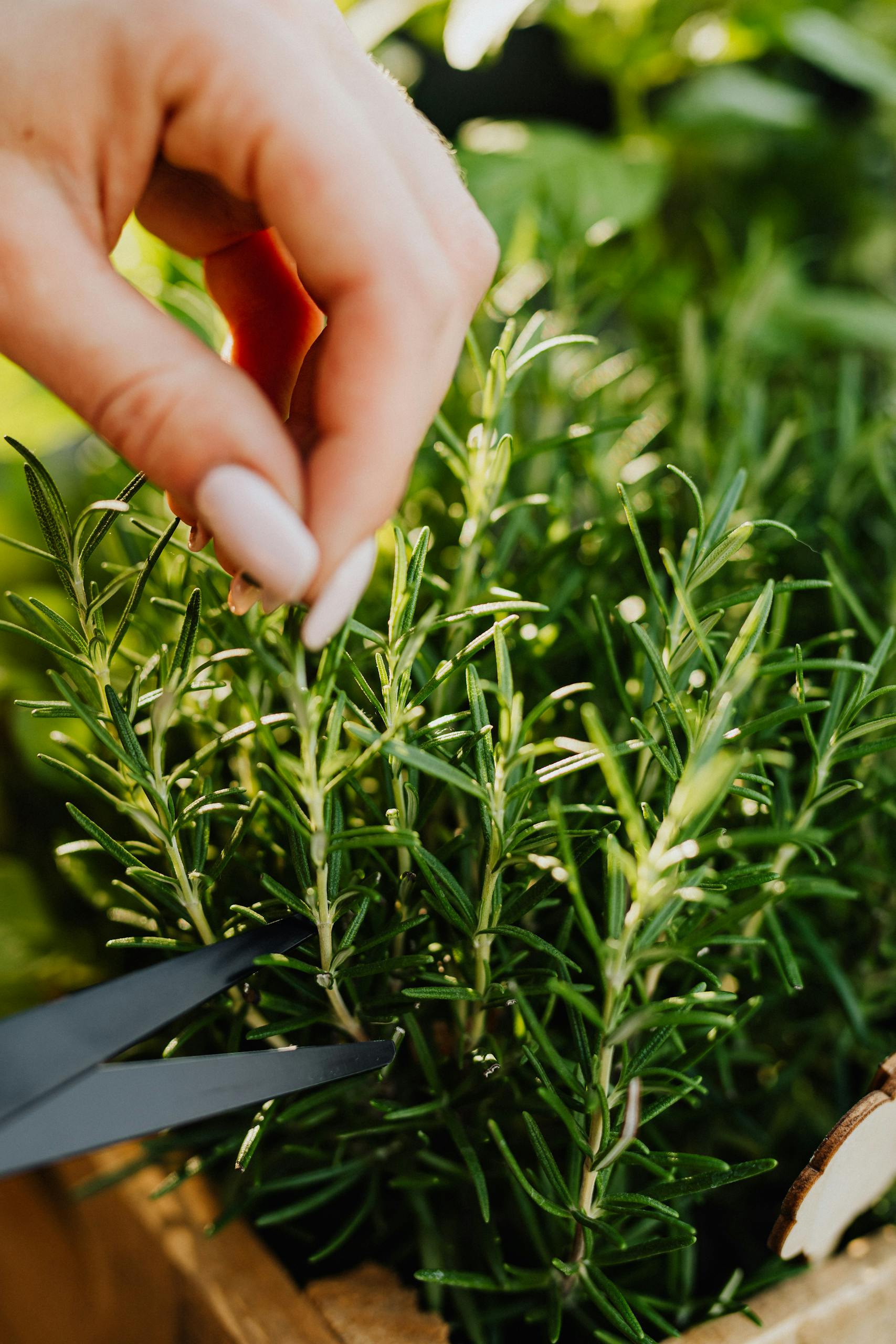
You might not think of these two together, but rosemary is a fantastic companion for carrots. Rosemary’s strong scent confuses the carrot rust fly, which is a major pest for carrot growers. The fly simply can not find the carrots to lay its eggs. It is like wearing a very strong perfume to a crowded party to avoid unwanted attention.
| Plant | Primary Benefit | Notes |
|---|---|---|
| Carrot | Improved Growth, Pest Protection | Needs loose soil for root development. |
| Rosemary | Deters Carrot Rust Fly | Prefers well-drained soil, full sun. |
Potatoes and Horseradish: A Rooty Alliance
This one always gets a chuckle because it sounds so random. Planting horseradish near your potatoes surprisingly helps deter potato beetles. It is a bold move, but sometimes you need a bold move.
Plus, you get horseradish! Who doesn’t love a fresh batch of horseradish sauce with their roast beef, if you are into that kind of thing? I always say, if it helps two plants and gives me something tasty, why not?
The Don’ts of Companion Planting: Bad Neighbors Club
Just as some plants are best buddies, others are sworn enemies. Planting these together is like putting two toddlers in a room with one toy; disaster is bound to happen.
You really want to avoid these pairings, or you will wonder why your garden acts like a teenager refusing to clean their room. I learned this the hard way, trust me. My first attempt at a garden was a chaotic mess of unhappy plants. Live and learn.
Brassicas and Strawberries: The Unhappy Family
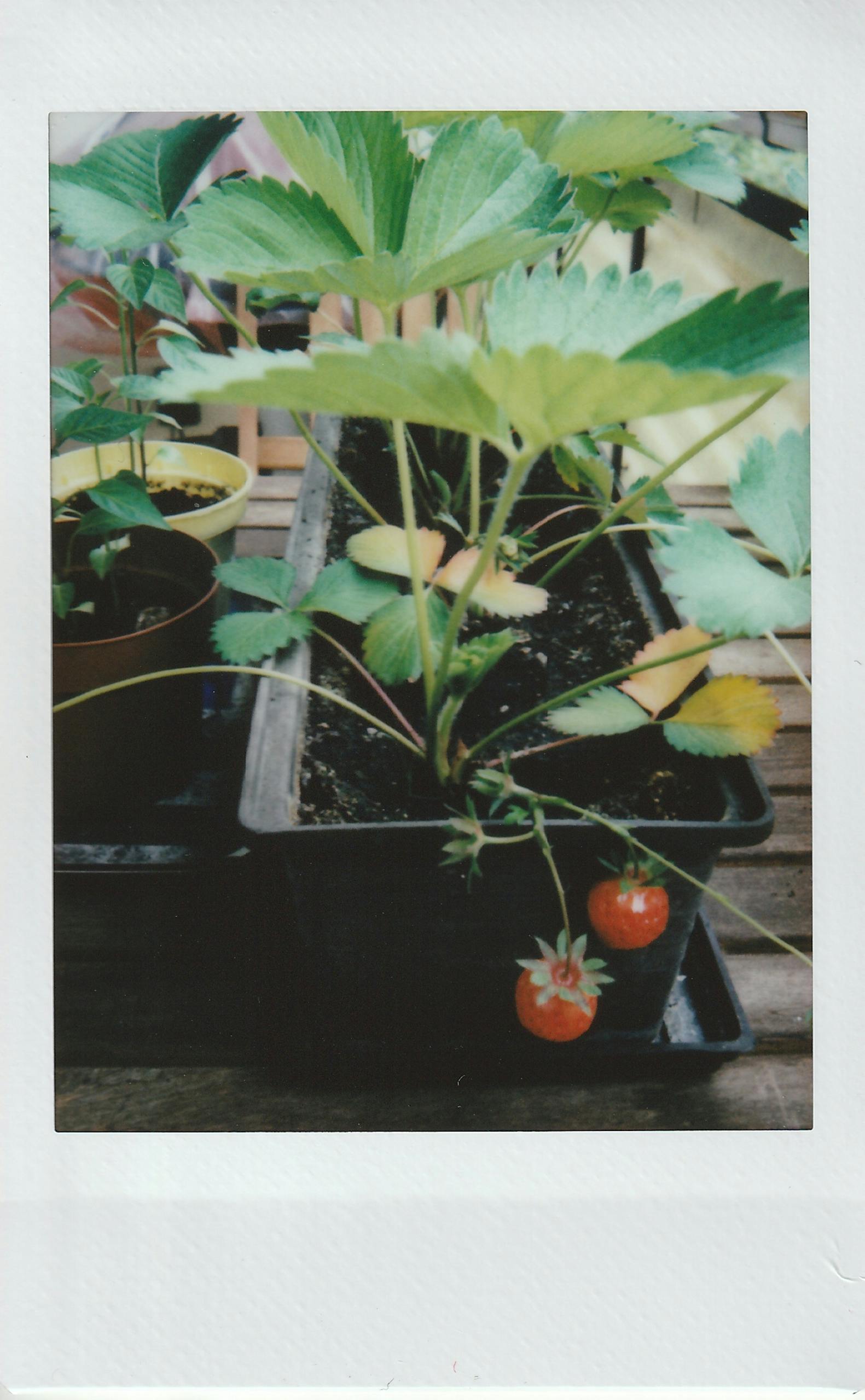
Brassicas (cabbage, broccoli, cauliflower, kale) just do not get along with strawberries. Brassicas often stunt the growth of strawberries, and they can also spread diseases to them. It is a bad scene. Keep these two separate. You would not make your enemies share a bed, would you?
Fennel: The Lone Wolf

Fennel is famously antisocial. It inhibits the growth of many other plants, including tomatoes, beans, and kohlrabi. It is a beautiful plant, sure, but plant it on its own, far away from its neighbors. Give it its own little island of solitude. It honestly prefers it that way.
Beans and Onions: A Vexing Combination
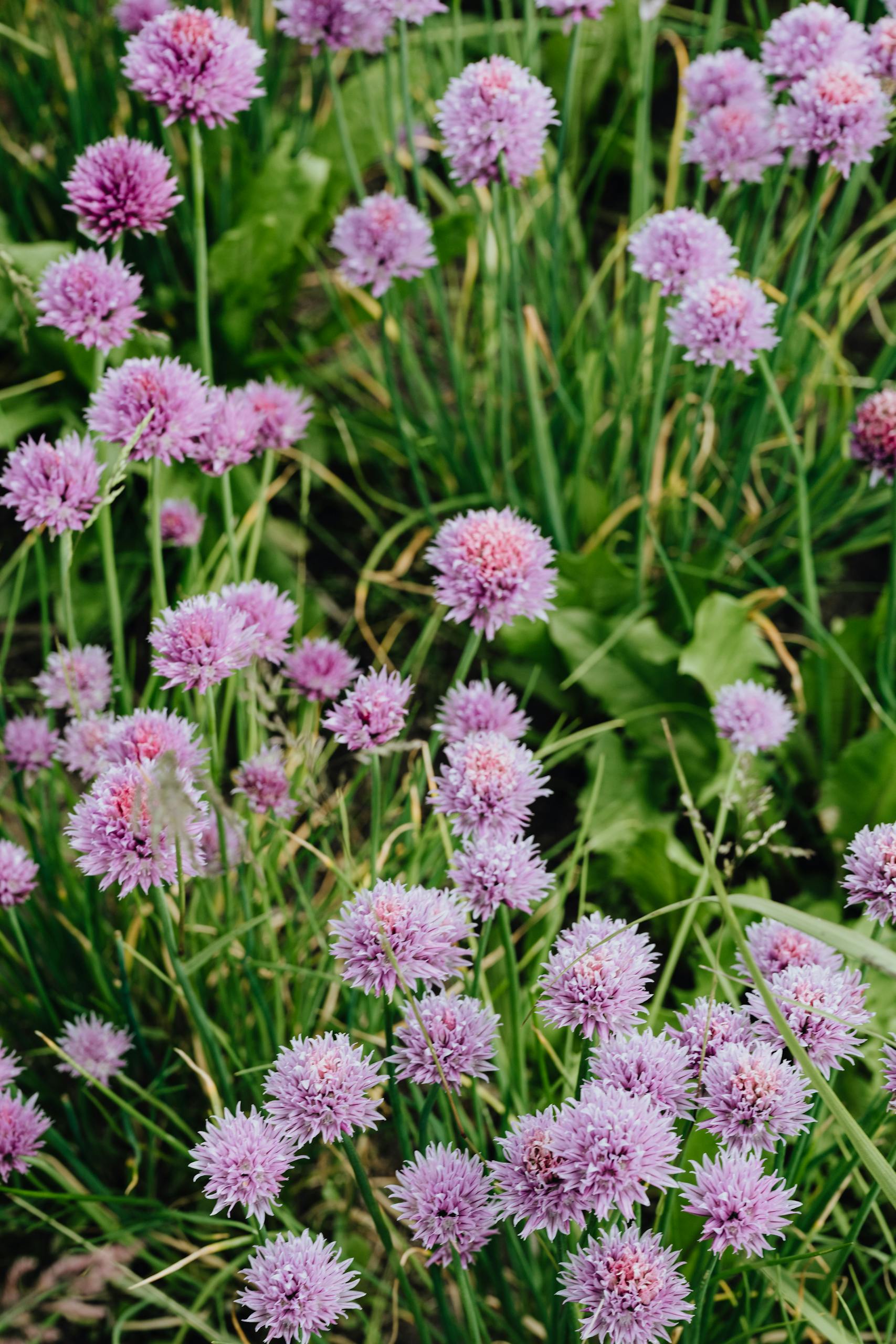
Despite beans being great nitrogen fixers, do not plant them near anything in the onion family (onions, garlic, chives, leeks). The alliums can stunt the growth of beans. It is like they just steal all the good vibes.
I have made this mistake before, and my beans were scrawny. I thought it was my fault, but no, it was just bad company.
Beneficial Plant Families: Knowing Who is Who
Understanding plant families helps a lot when you pick companions. Plants within the same family sometimes have similar needs or share common pests.
Sometimes, they compete too much for the same resources. Sometimes, they help each other out. It is a complex social network out there!
- Asteraceae (Daisy Family): This includes sunflowers, lettuce, and chicory. Many members attract beneficial insects.
- Brassicaceae (Mustard Family): Cabbage, broccoli, kale, radishes. These are often targeted by specific pests.
- Cucurbitaceae (Gourd Family): Squash, cucumbers, melons. They are vining plants that love to spread.
- Fabaceae (Legume Family): Beans, peas, peanuts. Nitrogen fixers, absolute superstars for soil health.
- Solanaceae (Nightshade Family): Tomatoes, peppers, eggplants, potatoes. These plants are susceptible to similar diseases.
Beyond Just Growing: A Holistic Approach
Companion planting is more than just throwing plants together. It is about understanding your garden as a living, breathing system. You are working with nature, not against it.
That makes all the difference. When your plants are happy, you are happy. And if you are not happy, then why are you even gardening? It is supposed to be fun!
Consider Your Climate and Soil

Even the best companion pairings will struggle if your basic conditions are not correct. You still need to give your plants proper sunlight, water, and decent soil.
Companion planting is like a booster shot; it makes good things better, but it will not fix a truly bad situation. Your garden soil is your garden’s backbone. If it’s weak, everything falls apart. I have seen it happen.
Patience and Observation are Key
Gardening is a marathon, not a sprint. You will have successes and you will have failures. Observe your plants. They tell you a lot if you listen. See what works for your specific conditions.
What works for my garden might need a slight tweak for yours. That is just how it goes sometimes. Do not be afraid to experiment a little. That is how you learn all the really cool stuff.
FAQ
What is companion planting?
Companion planting is the practice of growing different plants near each other to benefit one or both, such as deterring pests, attracting beneficial insects, or improving soil nutrients. It is like setting up a harmonious neighborhood for your plants.
Can companion planting really prevent pests?
Yes, many plants release natural compounds or have strong scents that confuse or repel common garden pests. It is a natural, chemical-free way to reduce pest damage in your garden, though not always a complete eradication.
Are there any plants I should absolutely avoid planting together?
Yes, absolutely. Some plants, like fennel, can inhibit the growth of many others. Brassicas generally do not do well with strawberries, and members of the onion family can stunt the growth of beans. Always check before you plant!
How do I start companion planting in my garden?
Begin by choosing a few well-known successful pairings, like tomatoes and basil or the Three Sisters. Observe how they perform in your garden’s specific conditions and gradually expand your companion planting efforts from there.