How to Grow Tomatoes in a Small Backyard
You want luscious, homegrown tomatoes but only have a postage stamp for a yard. Trust me, I get it. This article shows you how to turn your tiny space into a tomato haven without making your neighbors think you are crazy.
Choosing the Right Tomato Variety for Compact Spaces
Not all tomatoes are built equal when you only have a little bit of room. A big beefsteak tomato plant, for example, will spread out like it owns the whole block.
You need to pick tomato plants that behave themselves. Think small, not sprawling. Determinate varieties are your friends here; they grow to a certain size and then stop.
Determinate vs. Indeterminate Tomato Plants
Determinate tomatoes are like those polite guests who know when to leave. They grow to a specific height, produce their fruit over a few weeks, and then basically call it a season.
Indeterminate tomatoes, on the other hand, are like that relative who never leaves your couch. They just keep growing and producing fruit until the frost takes them down. Avoid these giants for small spaces unless you have a serious vertical gardening setup.
Here are some of my favorite determinate varieties for small spaces:
- Celebrity
- Roma
- Patio
- Bush Early Girl
- Better Bush
Cherry tomatoes are also great for containers and small gardens. Many cherry tomato varieties, even indeterminate ones, do well in pots because their fruit is small and they often grow in a more compact way.
Container Gardening for Tomatoes
This is where the magic happens for small backyard tomato growing. If you don’t have much dirt, or the dirt you have is bad, pots are the solution.
You can move containers to follow the sun, which is a real plus if your backyard has shady spots during parts of the day.
Selecting the Right Containers
Size matters a lot with tomato containers. Too small, and your plant gets stressed, its roots get cramped, and you get sad, small tomatoes. That is if you get any tomatoes at all.
I always tell folks to go big or go home with tomato pots. You need at least a 5-gallon container per plant. Bigger is always better for root development and happy plants.
Here are some popular container options:
- Terra cotta pots (they look nice but dry out fast)
- Plastic pots (cheap and hold moisture well)
- Grow bags (excellent for aeration and drainage)
- 5-gallon buckets (drill drainage holes in the bottom, please!)
Make sure any container you use has drainage holes. Tomatoes hate soggy feet. I mean, who does not?
Potting Mix and Fertilizing Your Potted Tomatoes
Do not just scoop up dirt from your backyard. That dirt is too dense, and it probably has weird stuff in it, too.
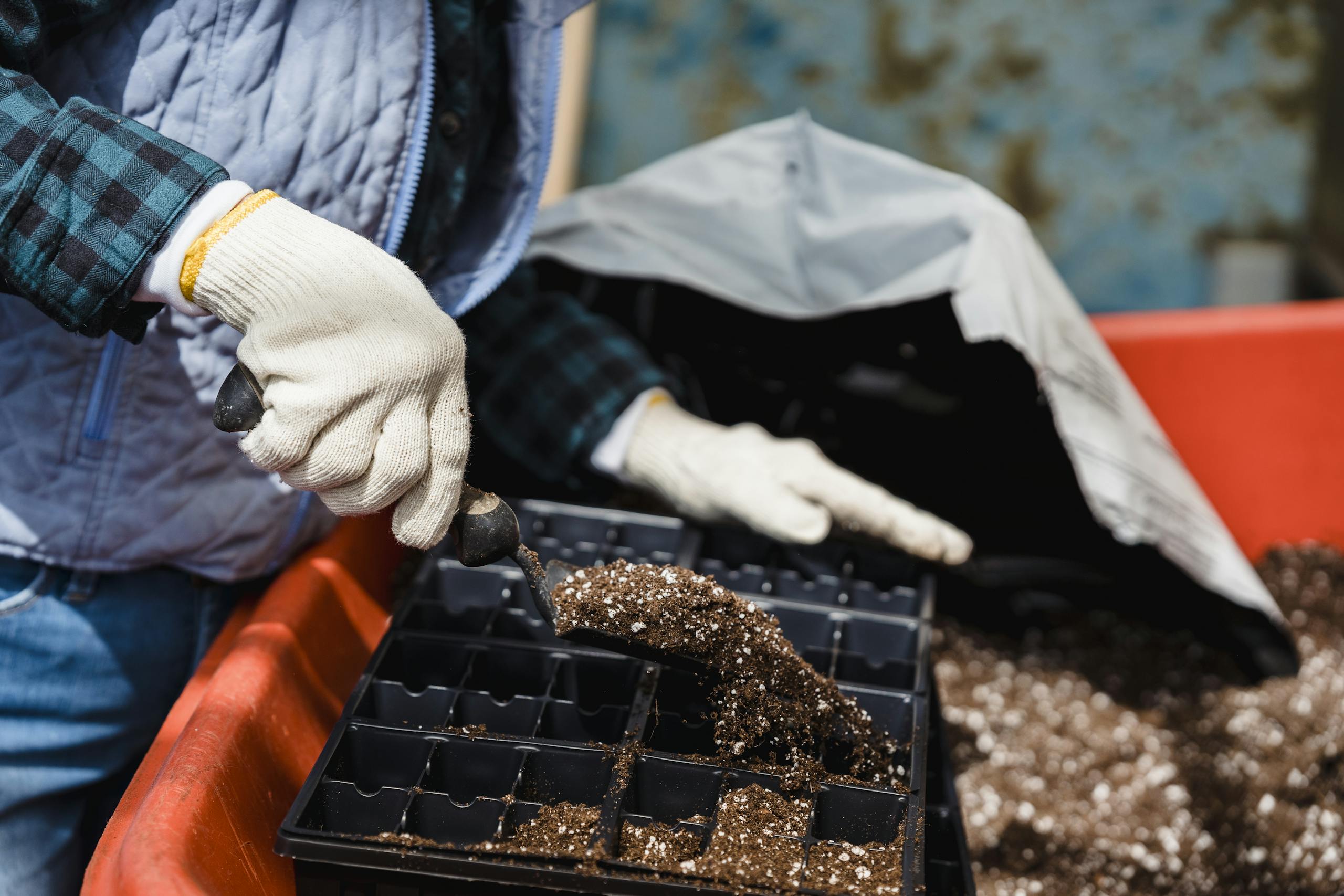
Buy a good quality potting mix designed for containers. It will drain well and give your tomato plants the air their roots need. Some mixes even have slow-release fertilizer already in them.
Tomatoes are heavy eaters. They need a lot of nutrients to produce all that fruit. I start with a slow-release granular fertilizer mixed into the potting mix. Then, I give them a liquid feed every two to three weeks once they start flowering.
I find starting with a balanced fertilizer, like a 5-10-5, works well. Once your plant begins to flower, switch to something with more phosphorus and potassium, like a 5-10-10 or even a tomato-specific fertilizer. Nitrogen is good for leaves, but too much makes a leafy plant with no fruit.
Watering Your Backyard Tomatoes

Water, water, water. This is probably the number one thing people mess up with tomatoes, especially in containers. Tomatoes like consistent moisture.
They do not like to dry out completely and then get drowned. That leads to cracking fruit or blossom end rot, which looks like a nasty black spot on the bottom of your tomatoes. It is ugly.
How Often to Water
This depends on where you live, the weather, and your container type. In general, container tomatoes need watering daily, sometimes twice a day during hot spells. My neighbor once went on vacation and asked me to water her tomatoes. She came back to shriveled little sticks. I felt bad, but I had warned her about daily watering!
Stick your finger about an inch or two into the soil. If it feels dry, water slowly until water comes out the drainage holes. If it feels moist, wait a bit.
Best Watering Practices
Water the soil, not the leaves. Wet leaves, especially overnight, invite fungal diseases. I use a watering can with a long spout so I can get right to the base of the plant.
Try to water in the morning. This gives the leaves time to dry before nightfall. If you have to water in the evening, try to keep the water off the foliage as much as you can.
Support Systems for Small Space Tomatoes
Even determinate tomatoes need some help staying upright, especially when they are loaded with fruit. Imagine your tomatoes falling over, their fruit rotting on the ground.
It is a sad sight. You need some type of support system to keep them healthy and productive.
Cages, Stakes, and Trellises
For container tomatoes, a good strong tomato cage is usually sufficient. Get the biggest, strongest one you can find. Those flimsy green ones from the discount store are okay for small peppers, but tomatoes will laugh at them.
If you are really cramming plants in, you might try staking. Drive a sturdy stake into the pot or ground when you plant the tomato. Then, as it grows, tie the main stem gently to the stake with soft gardening ties or strips of old t-shirts.
For those brave enough to try a few indeterminate varieties in a small backyard, vertical trellising along a fence or wall can work wonders. You train the plant to grow upwards, saving precious ground space.
Pruning and Pest Management
You do not need to be a professional gardener to prune your tomatoes, but a little bit of snipping goes a long way, especially in tight spaces.
Suckering Your Tomatoes
Tomato plants produce little side shoots called “suckers” that grow in the “V” shape between the main stem and a branch. If you let them grow, they become another main stem, leading to a bushier plant, which is usually not what you want in a small space.
Gently pinch them off when they are small. This directs the plant’s energy into producing fruit on the main stem, not on creating more bushy growth that hogs space and air. Pinch them off with your fingers or use clean pruners.
I remember one year, I got lazy and did not sucker my tomatoes. The plants became huge, tangled messes. The fruit was tiny, and half of it did not even ripen. Lesson learned.
Common Pests and Diseases
Pests and diseases are going to happen. It is just a fact of gardening life. The key is to catch them early before they become a big problem.
Here is a short list of common issues:
- Aphids: Small green bugs that suck plant juices. Spray them off with a strong stream of water or use insecticidal soap.
- Tomato hornworms: Big green caterpillars that can defoliate a plant overnight. Pick them off by hand; they actually glow under a black light at night, which is creepy but helpful.
- Early Blight/Late Blight: Fungal diseases that cause spots on leaves and stems. Ensure good air circulation by pruning and avoiding overhead watering. Remove affected leaves immediately.
Good air circulation is your best defense against many fungal issues, so do not cram your plants too close together. Even in a small space, giving them a little room to breathe is important.
Harvesting Your Tomatoes
This is the greatest part, isn’t it? After all that work, you finally get the reward.
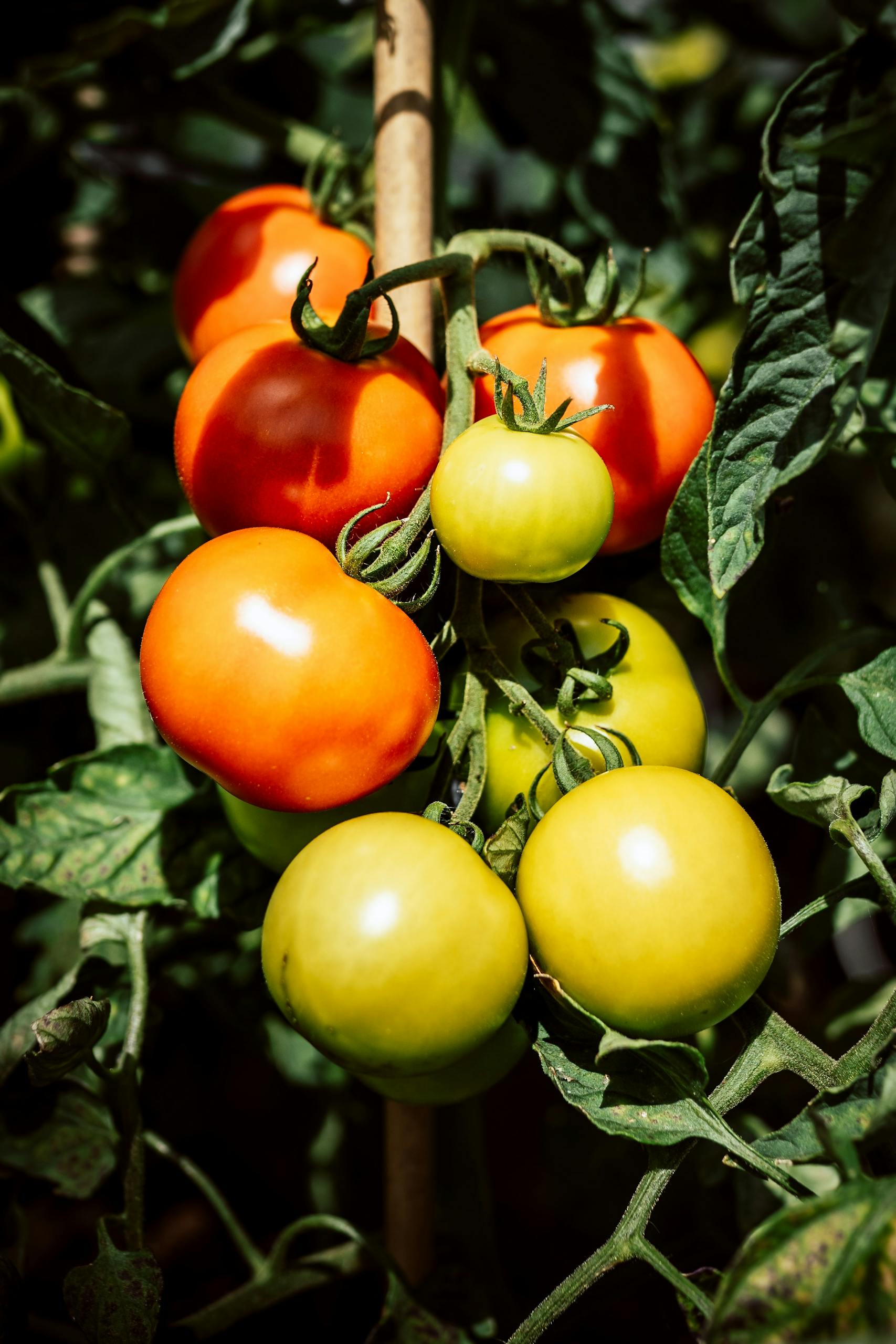
Tomatoes are ready to pick when they are fully colored and feel slightly soft when you gently squeeze them. Pick them at peak ripeness for the best flavor.
Do not just yank them off the plant. Use a small pair of pruners or sharp scissors to snip the stem just above the fruit. This prevents damage to the plant and keeps the tomato fresh longer.
Enjoy your hard-earned harvest. There is nothing like a fresh tomato from your own backyard, even a small one.
FAQ
Can I grow tomatoes indoors or on a balcony?
Yes, you absolutely can! A sunny windowsill or a south-facing balcony works great. I have seen people grow cherry tomatoes on windowsills, and they do fantastic. Just be sure to provide enough light and water.
How much sunlight do tomatoes need?
Tomatoes are sun lovers, big time. They need at least 6-8 hours of direct sunlight per day to produce a good harvest. More is always better, honestly. If your spot does not get that much sun, you might still get some tomatoes, but not a huge crop.
What is blossom end rot, and how do I prevent it?
Blossom end rot is that ugly dark spot on the bottom of your tomatoes. It happens from inconsistent watering or a calcium deficiency in the plant, often tied to water issues. Keep watering consistent, and ensure your soil provides enough calcium. Eggshells, bone meal, or a calcium supplement can help, but regular watering is key.