How to Grow Lettuce and Leafy Greens in Partial Shade
So, you want fresh, homegrown greens but your garden is not basking in full sun all day, every day? No problem. You probably heard lettuce needs lots of sunshine, right? Well, that is a little bit of a white lie. You can absolutely grow a fantastic harvest of crisp lettuce and other leafy wonders even with less than ideal light.
Understanding Your Shady Spot
Your shady spot is not always the same kind of shade. Some areas get morning sun, then afternoon shade, which is different from constant dappled light all day. I learned this the hard way, thinking all shade was created equal. My first tries at growing spinach in constant dense shade were, well, a little pathetic. It grew, but it was leggy and weak, like it was reaching for something it would never touch.
Mapping Your Sun Exposure
You need to know exactly how much sun your garden receives. I like to call it my ‘sun-dance map’.
- Observe your garden throughout the day.
- Note which areas get direct sun and for how long.
- Mark areas that receive dappled light or only morning/late afternoon sun.
A spot that gets four hours of direct morning sun, then shade the rest of the day, is actually great for lettuce. Six hours of afternoon sun can be too much for tender greens, making them bolt, which means they go to seed prematurely and taste bitter. I call that the ‘bitter truth’ of over-sunning.
Choosing the Right Greens for Low Light
Not all leafy greens are created equal when it comes to light tolerance. Some varieties simply perform better in less than full sun conditions. It is like some people are morning people and others are definitely not.
Top Leafy Green Varieties for Shade
You want leafy greens that can handle a bit of a break from the sun. These are my go-to choices for any garden with a less-than-sunny disposition.
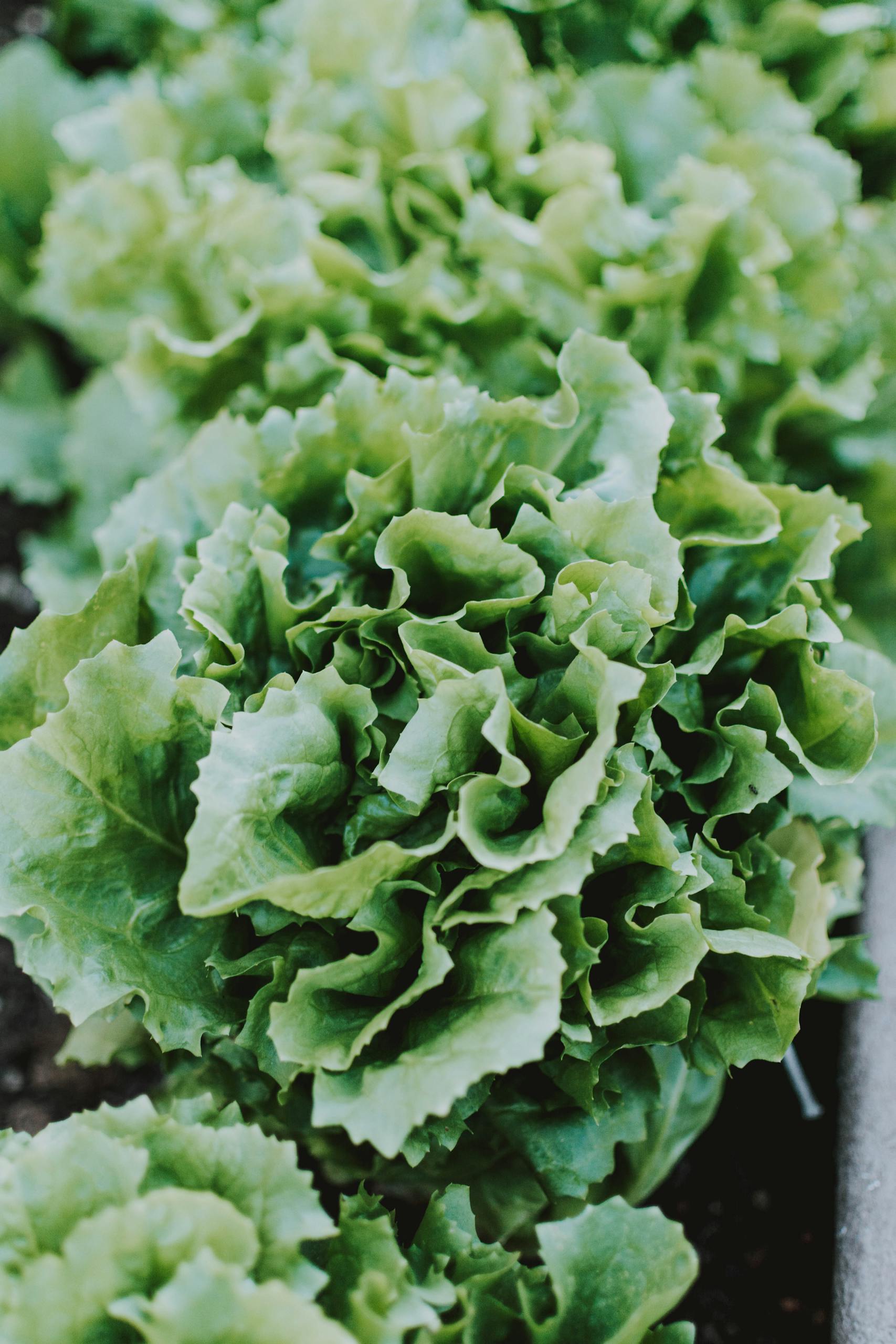
- Loose-leaf Lettuce: Varieties like ‘Black Seeded Simpson’ or ‘Buttercrunch’ are fantastic. These do not form tight heads, which makes them less demanding.
- Spinach: ‘Bloomsdale Long Standing’ or ‘Tyee’ are known for being slow to bolt. Spinach appreciates a cooler environment, so shade helps.
- Swiss Chard: ‘Bright Lights’ offers beautiful colored stems and it is very forgiving. It tolerates a surprising amount of shade.
- Kale: ‘Lacinato’ (Dinosaur Kale) or ‘Red Russian’ are both quite resilient. They can grow sturdy leaves even in partial sun.
- Arugula: This spicy green will bolt quickly in full sun, but in partial shade, its flavor is milder and its growing season extended.
- Mizuna: A Japanese mustard green, it grows quickly and tolerates some shade well.
I remember bragging to my neighbor once about my ‘Black Seeded Simpson’ lettuce in a partially shaded spot. She thought I was a magician, but really, it was just choosing the right variety.
Soil Preparation is Not Optional
Even if your sun conditions are not perfect, your soil should be. Good soil makes up for a lot of other deficiencies. Think of it as giving your plants the best possible foundation.
Nourishing Your Soil
You want rich, well-draining soil. Lettuce and other greens have shallow root systems so they appreciate easy access to nutrients and water.
- Amend your soil with plenty of organic matter. Compost is your best friend here.
- A good rule of thumb: If it looks like coffee grounds, it is probably good.
- Ensure proper drainage. Wet feet are no fun for plants either.
I once tried to plant lettuce directly into compacted clay soil, thinking, “How hard can it be?” My lettuce ended up stunted and yellow, a sad sight. You live and you learn, right? Now, I always go overboard with compost. My garden looks like a compost pile at times, but my plants are thriving.
Planting Techniques for Shady Success
How you plant your greens can also make a difference in partial shade. You want to give them every advantage possible.
Spacing and Watering
Your plants need proper spacing to get air circulation and enough light, even if it is indirect.
- Space plants a little wider apart than recommended for full sun. This helps maximize light exposure for each plant.
- Water consistently. Shady spots can stay moist longer, but do not let them dry out completely.
- Water in the morning so the leaves have time to dry before evening. This helps prevent fungal diseases.
I remember getting a little too excited and planting my arugula so close together, it practically became a solid green mat. The inner leaves never really developed, looking a bit sickly from lack of air and light. I learned my lesson. Now I give them room to breathe, like I should give my teenagers.
The Art of Harvesting Greens
One of the great joys of growing leafy greens is the continuous harvest. You do not just plant them and then wait for one big day. It is more of a continuous affair.
Cut-and-Come-Again Method
This method is especially good for maximizing your yield from shade-grown greens. You do not take the whole plant.
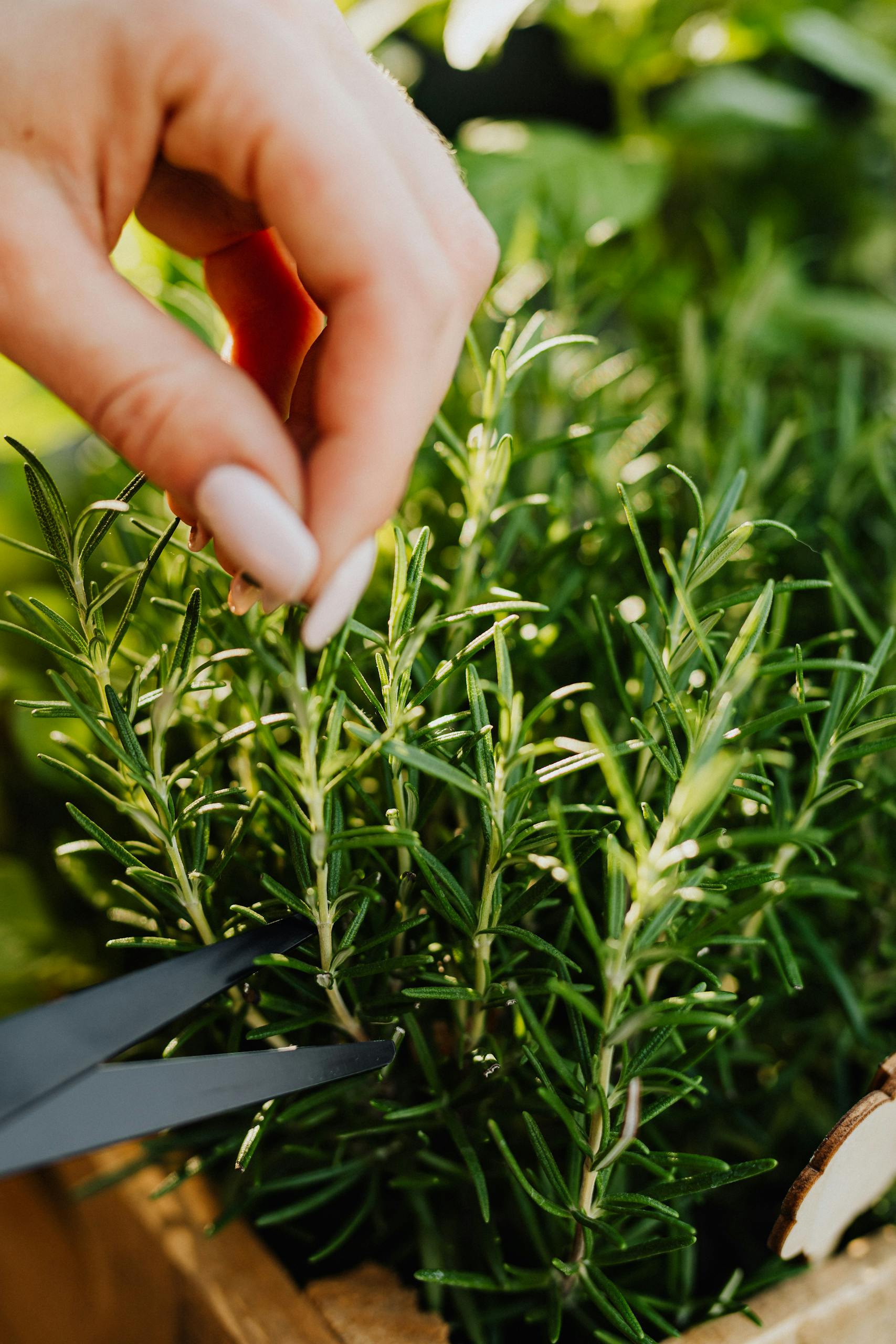
- You harvest the outer leaves, allowing the inner leaves to continue growing.
- Harvest when the leaves are young and tender for the best flavor.
- Do not take more than one-third of the plant at a time. This keeps the plant producing.
I have a running joke with my husband: my lettuce bed is like a magical, never-ending salad bowl. He laughs, but it is true. I just keep snipping, and it keeps growing. It is almost too good to be true, sometimes.
Pest and Disease Management in Shady Gardens
Shady gardens can sometimes create unique challenges for pest and disease control, mainly due to higher humidity. You want to be proactive, not reactive.
Common Issues and Solutions

You will see some usual suspects out there, but with greens, moisture can be your biggest enemy in shade.
- Slugs and Snails: They love damp, cool environments. You can use beer traps or sprinkle diatomaceous earth around plants.
- Aphids: A strong spray of water can dislodge them. You can also introduce ladybugs, your garden’s natural pest control.
- Powdery Mildew: This fungal disease thrives in humid conditions. Ensure good air circulation by proper spacing and adequate watering. Remove infected leaves immediately.
I once had a terrible slug problem in my very damp, shady lettuce bed. I was losing half my crop to these slimy marauders. My neighbor, a seasoned gardener with a twinkle in her eye, told me to put out shallow dishes of beer. The slugs went in for a party and never came out. It sounded crazy, but it worked! My lettuce was saved, and the slugs had a good last night, I guess.
Extending Your Harvest
Even in partial shade, you can stretch out the gardening season for your leafy greens. It just takes a little planning and a few clever tricks.
Succession Planting and Row Covers
These two techniques work wonders for a continuous supply of fresh greens. You never want to run out, right?
- Succession Planting: Plant small batches of seeds every two to three weeks. This ensures a staggered harvest instead of a glut all at once.
- Row Covers: You can use light row covers to extend the season into early fall, protecting plants from light frosts.
- Container Gardening: You can move containers to follow the sun or protect them from harsh weather.
I found that planting new batches every few weeks means I always have young, tender greens ready. It is a bit like having a garden conveyor belt of deliciousness. And when that first chill of autumn hits, those row covers become my garden’s cozy blanket.
What About Nutrients for Shade-Grown Greens?
Even with great soil, your plants still appreciate a little extra boost now and then. Especially if you are harvesting regularly, you are taking nutrients out of the soil constantly. Replenishing them is a smart choice.
Feeding Your Leafy Friends
Your greens are heavy feeders, so a consistent nutrient supply helps them grow strong leaves.
- Use a balanced liquid fertilizer every few weeks. Look for formulations with slightly higher nitrogen for leafy growth.
- You can also top-dress with compost or worm castings periodically. This provides a slow release of nutrients.
- Follow package directions for any fertilizer product. More is not always better.
My grandmother always said, “Healthy soil makes healthy plants.” She was right. I am a firm believer in giving your plants a good breakfast, lunch, and dinner, especially when they are working hard to produce for you. It is like feeding a hardworking athlete.
| Green Type | Shade Tolerance | Harvest Method |
|---|---|---|
| Loose-leaf Lettuce | High | Cut-and-Come-Again |
| Spinach | Medium-High | Cut-and-Come-Again |
| Swiss Chard | High | Cut-and-Come-Again |
| Kale | Medium-High | Cut-and-Come-Again |
| Arugula | Medium | Cut-and-Come-Again |
It is really not that hard to get a great harvest of lettuce and other greens, even if your garden looks like it is missing the main act of sunlight. You just need to be smart about what you grow, where you grow it, and how you take care of it. Happy planting.
Frequently Asked Questions
Is partial shade good for lettuce?
Yes, partial shade is actually ideal for many types of lettuce and leafy greens, especially in warmer climates. It helps to prevent bolting, which makes the leaves taste bitter, and extends the harvesting season.
How much sun do leafy greens need?
Leafy greens generally need at least three to four hours of direct sun or an equivalent amount of dappled light per day. More sun might be fine in cooler weather, but too much heat and sun cause them to go to seed early.
What greens can grow in shade?
Many greens thrive in shaded conditions, including loose-leaf lettuce, spinach, Swiss chard, kale, and arugula. These varieties tolerate less light and often produce more tender leaves when grown away from intense sun.