How Much Sun Do Your Plants Really Need?
Ever scratched your head wondering why some plants thrive while others just, well, don’t? You are not alone. Getting the sunlight right for your green buddies can feel like a guessing game. Let us figure this out together, one sunny spot at a time.
Understanding Sun Exposure: A Plant’s Lifeblood
You know, plants are pretty simple creatures in some ways. They eat sunlight. That is their food. Too much, too little, and you got problems.
The Spectrum of Light Needs

Every plant has a specific light requirement. It is not one size fits all, even though many wish it was an easy answer. You cannot just put a cactus where a fern wants to be. That will not work, trust me.
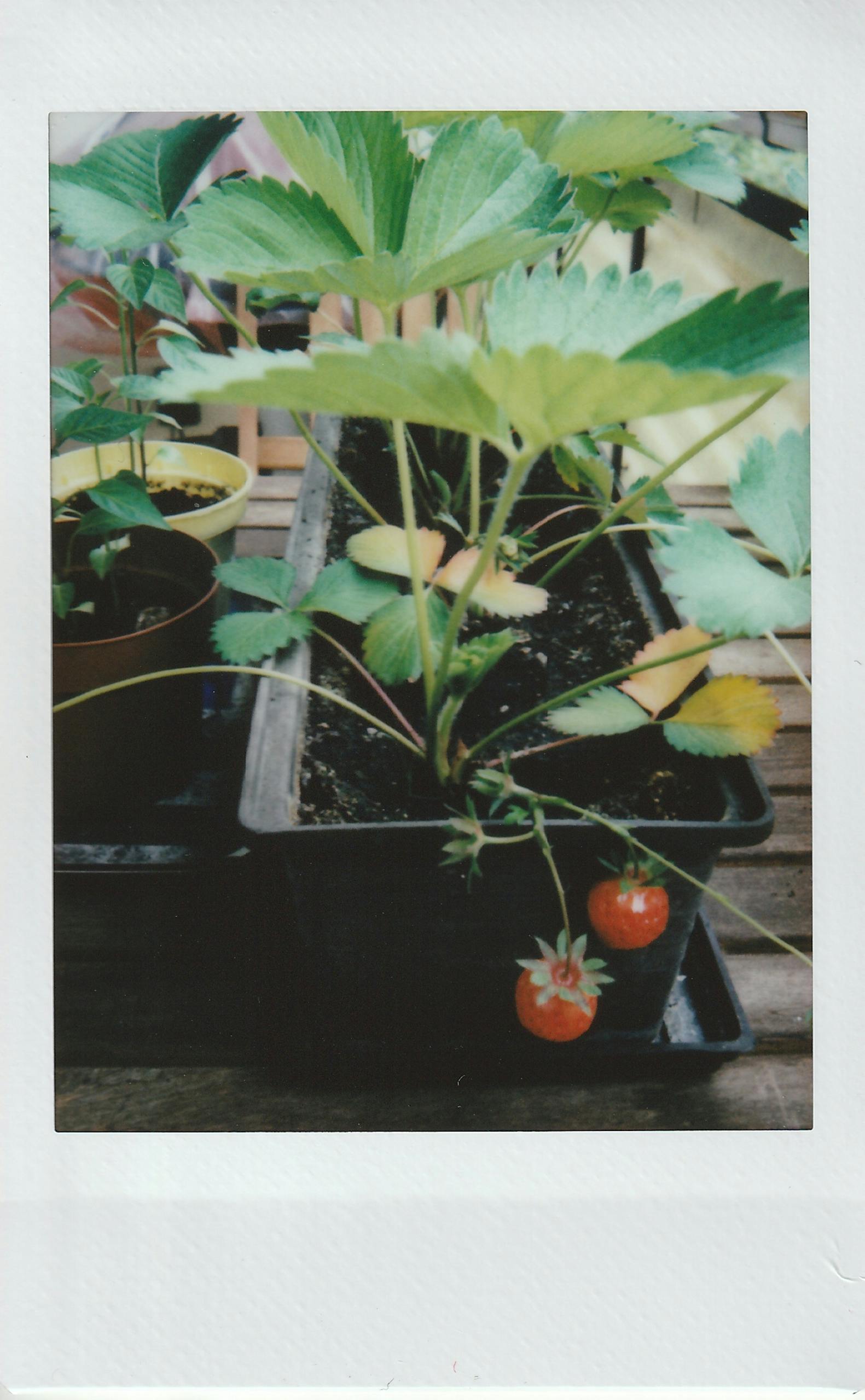
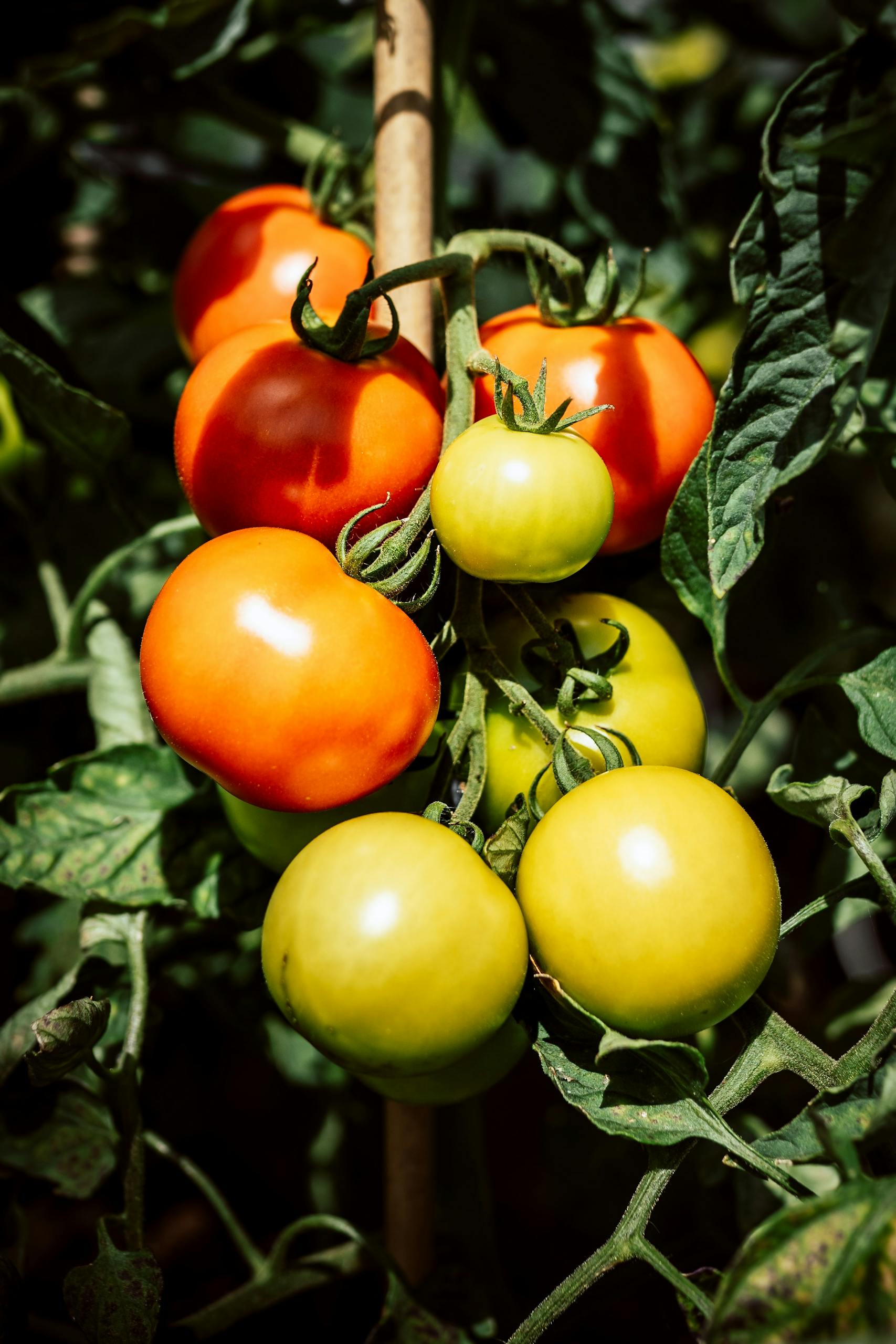
- Full Sun: These are your sun worshippers. They need at least six hours of direct sunlight every day. Think tomatoes, peppers, most herbs.
- Partial Sun/Partial Shade: These guys like a balance. They want between three to six hours of sun, often preferring morning sun and afternoon shade. Hydrangeas and impatiens come to mind.
- Full Shade: Do not let the name fool you. Full shade does not mean no light at all. It means less than three hours of direct sun, usually filtered or indirect light. Ferns and hostas are happy campers here.
Morning Sun Versus Afternoon Sun
There is a big difference here. Morning sun is generally gentler, cooler. It is good for many plants, especially those that like partial sun. Afternoon sun, well, that is where the heat is. It can be intense, sometimes too intense for delicate leaves. I learned this the hard way with some basil one scorching summer. Crispy basil not good for pesto.
Reading the Signs: Is Your Plant Getting Enough or Too Much Sun?
Your plants, they talk to you, you know. They just do it their own way. You just have to learn their language. They tell you if they are happy or not happy. It is usually pretty clear.
Signs of Too Much Sun
This is where things can get ugly fast. Burned leaves are a sure sign. Nobody wants to see that happen to their plants.
| Symptom | Description | What It Means |
|---|---|---|
| Scorched Leaves | Brown or white patches, dry and crispy edges. | Direct sun is too intense, burning the foliage. |
| Stunted Growth | Plant is tiny, not growing. | Under stress, too much energy going to survival, not growth. |
| Wilting Despite Water | Leaves sag, even after you water it good. | Heat stress, plant cannot keep up with water loss. |
| Yellowing Lower Leaves | Older leaves turn yellow and drop off. | Sometimes a sign of stress from too much sun, though also can be underwatering. |
I had a beautiful fuchsia once, put it in full afternoon sun because a friend told me it liked “lots of light.” My friend, she was wrong. Within a week, it looked like I had tried to deep-fry it. Lesson learned: listen to the plant, not always the well-meaning friend.
Signs of Not Enough Sun
This one is usually a slower, more subtle decline. Your plant just looks kind of sad. It might be stretching, reaching for something it is not getting.
- Leggy Growth: Stems are long, thin, and stretched out with sparse leaves. This is because the plant is seeking light. It is like me trying to reach the top shelf for that last bag of chips.
- Lack of Flowering/Fruiting: If your flowering plant is not blooming or your fruit tree is not fruiting, sunlight is often the culprit. Flowers and fruit take a lot of energy, and energy comes from sun.
- Smaller Leaves: New leaves come in much smaller than older ones.
- Pale or Yellowing Leaves: Especially in older leaves, a uniform yellowing can mean a lack of chlorophyll production due to insufficient light.
I remember trying to grow tomatoes in a shady corner one year. What a mistake. I had these super tall, spindly plants with maybe two sad little tomatoes total. They looked like they were auditioning for a horror movie, not supplying my pasta sauce. Now, I put them in the sunniest spot I have, even if it means moving a gopher or two.
Factors Affecting Sun Exposure
It is not just about pointing your plant at the sky. There are other things that mess with the sun situation. You have to consider them all.
Orientation: Which Way Does Your House Face?

This is a big one, folks. A south-facing window gets tons of sun all day. East-facing gets that nice, gentle morning sun. West-facing gets the intense afternoon heat. North-facing? Well, that is usually indirect light, perfect for your shade lovers. Knowing this helps you place your plants better.
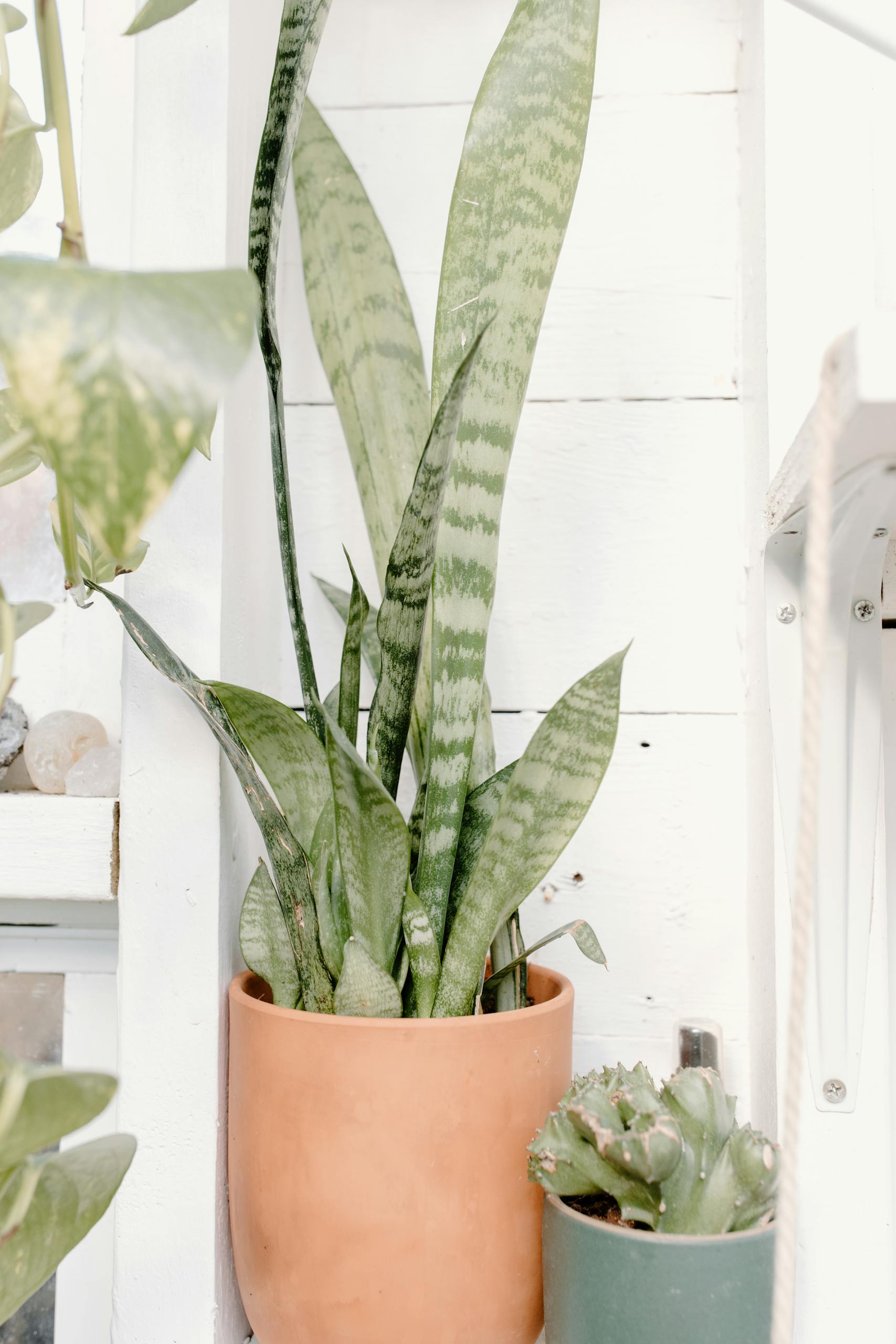
My kitchen window faces east, so I put my herbs there. They get that soft morning light and do not get scorched by midday. My living room faces west, and that is where my succulents hang out. They tolerate the heat like champs.
Obstructions: Trees, Buildings, and More
A giant oak tree can block a lot of sun, even if you think your yard is super sunny. Buildings, fences, even other big plants can cast shadows. Walk around your yard at different times of the day. Seriously, grab a cup of coffee and just observe. You will be surprised what you find.
I once put a potted citrus tree where I thought it got full sun. Turns out, my neighbor’s gargantuan maple created a big shadow for half the day. My citrus looked sad and refused to give me any lemons. I moved it, and now I have more lemons than I know what to do with. Neighbors get frustrated, but my tree is happy anyway.
Seasonality: The Sun Changes
The sun is higher in the sky in summer, meaning longer days and more direct light. In winter, it is lower, and days are shorter. What worked for your plant in July might not work in January. You might need to move your indoor plants closer to the window in winter, or further away in summer. It is a little dance you do with the sun.
My indoor fiddle leaf fig, bless its picky heart, needs to be moved closer to the window in winter when the sun is weaker. If I do not, it sheds leaves like it is going out of style. The nerve of some plants, right?
Practical Tips for Managing Sun Exposure
You have the knowledge. Now, what do you do with it? Making adjustments is part of the fun of gardening. It is like a puzzle.
Move ‘Em if You Got ‘Em
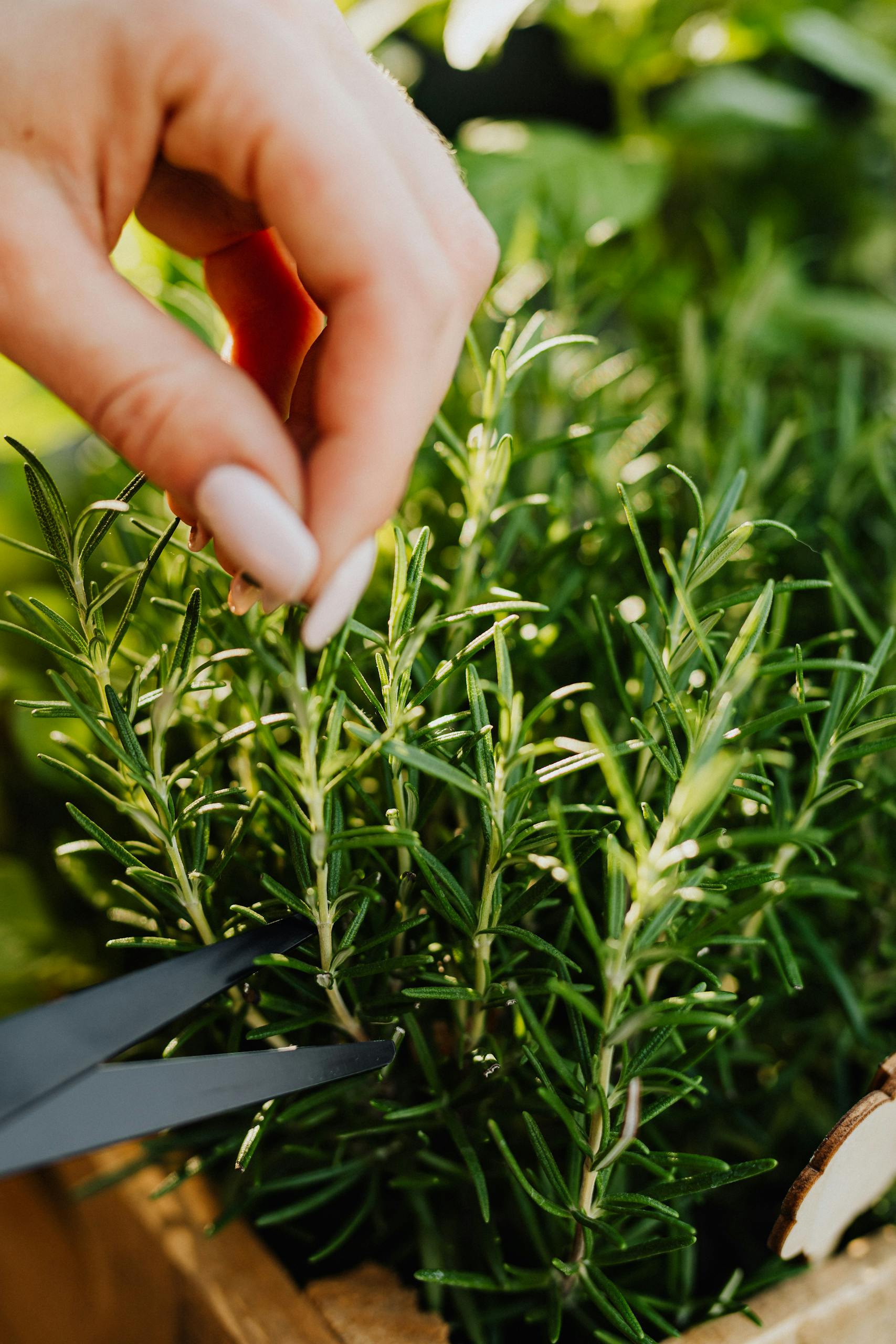
If your plants are in pots, you have flexibility. Move them! It is the easiest way to adjust their sun exposure. Seriously, sometimes a few feet makes all the difference. Get those little wheeled plant stands if your pots are heavy. They save your back and your plants.
I shift my potted rosemary around like a chess piece. In the spring, it wants morning sun. In the peak of summer, it gets partial shade in the afternoon. It is a bit of work, but my rosemary is bushy and fragrant because of it.
Shade Cloth or Protective Measures
For garden beds, or if you cannot move big plants, shade cloth is your friend. You can drape it over frames to reduce intense sun. This is especially good for delicate vegetables in hot climates. You can also plant taller plants to provide shade for shorter, more sensitive ones.
I use an old sheer curtain over my lettuce bed in the summer. It looks a little weird, but my lettuce does not bolt, and I do not have to buy endless bags of sad, pre-cut greens. It is a win in my book.
Pruning for Light
Sometimes, nearby trees or shrubs are blocking too much light from your garden beds. Judicious pruning can open up those sunny spots. Just be sure you know what you are doing, or hire someone who does. You do not want to accidentally kill your shade tree trying to save your petunias. That would be just awful, would it not?
Choosing the Right Plant for the Right Place
Honestly, the easiest way to avoid sun issues is to pick plants that naturally like the conditions you have. If you have a super sunny yard, embrace it. Plant sunflowers, corn, squash. If you have a shady yard, go with ferns, hostas, astilbe. Do not fight nature, work with it. You will be much happier, and so will your plants.
I have a friend who keeps trying to grow hydrangeas in full, blasting sun. Every year, they look miserable. Every year, I tell her to move them, or plant something else. Does she listen? No. Do I keep giving her free plants? Yes. Some lessons, they take a while to sink in.
FAQ
How do I know if my plant is getting too much or too little light indoors?
Look for signs. If leaves are scorched or browning, it is likely too much direct sun. If the plant is leggy, stretching, or new growth is small and pale, it probably needs more light.
Can artificial grow lights replace natural sunlight?
Yes, good quality grow lights can definitely supplement or even replace natural sunlight, especially during darker winter months or for indoor plants that need a lot of light. Make sure it is a full-spectrum light.
Is direct sunlight always better for plants?
No, definitely not. While many plants thrive in direct sun, many others prefer indirect light, partial shade, or even full shade. Matching the plant’s natural light preference is crucial for its health.