What to Plant Each Season: A Simple Growing Calendar
Feeling overwhelmed by gardening guides? You want to grow your own food, but honestly, where do you even start? This guide cuts through the noise, giving you a straightforward plan for what to plant each season. We will make your garden dreams a delicious reality.
Spring Planting: The Great Awakening
Spring is like a fresh canvas, all ready for your gardening art. You will want to get those cool-season crops in the ground as soon as the soil thaws a bit. Do not wait too long; those peas and spinach appreciate a gentle start.
Early Spring Crops: Cool Kids on the Block

These plants do not mind a little chill. In fact, they really like it. You can plant these fellows as soon as the ground is workable, even if there is still a slight nip in the air. Just make sure the threat of hard frost has passed, unless you enjoy picking frostbitten radishes.
- Lettuce
- Spinach
- Radishes
- Peas
- Carrots
- Beets
I find starting these from seed directly in the garden always works best. They germinate quickly and grow sturdy. There is just something incredibly satisfying about pulling your first homegrown radish, you know?
Mid-Spring Planting: Warming Up Nicely
As the days get longer and the soil warms up a bit more, you can introduce some more tender companions to your garden. Think of this as the garden throwing a larger party. These plants need a little more consistent warmth.
- Broccoli
- Cabbage
- Cauliflower
- Kale
- Swiss Chard
I usually start my broccoli seedlings indoors a few weeks before I plan to plant them outside. It gives them a head start. You avoid the whole “will they, will not they” struggle when transplanting tiny seedlings directly into cold soil.
Summer Planting: A Bountiful Harvest
Summer is really where the garden explodes with life. You will see those warm-season crops stretching for the sun. This is the time for all the traditional garden favorites. Also, this is when you start really enjoying the fruits of your labor.
Warm-Season Vegetables: Sunshine Lovers

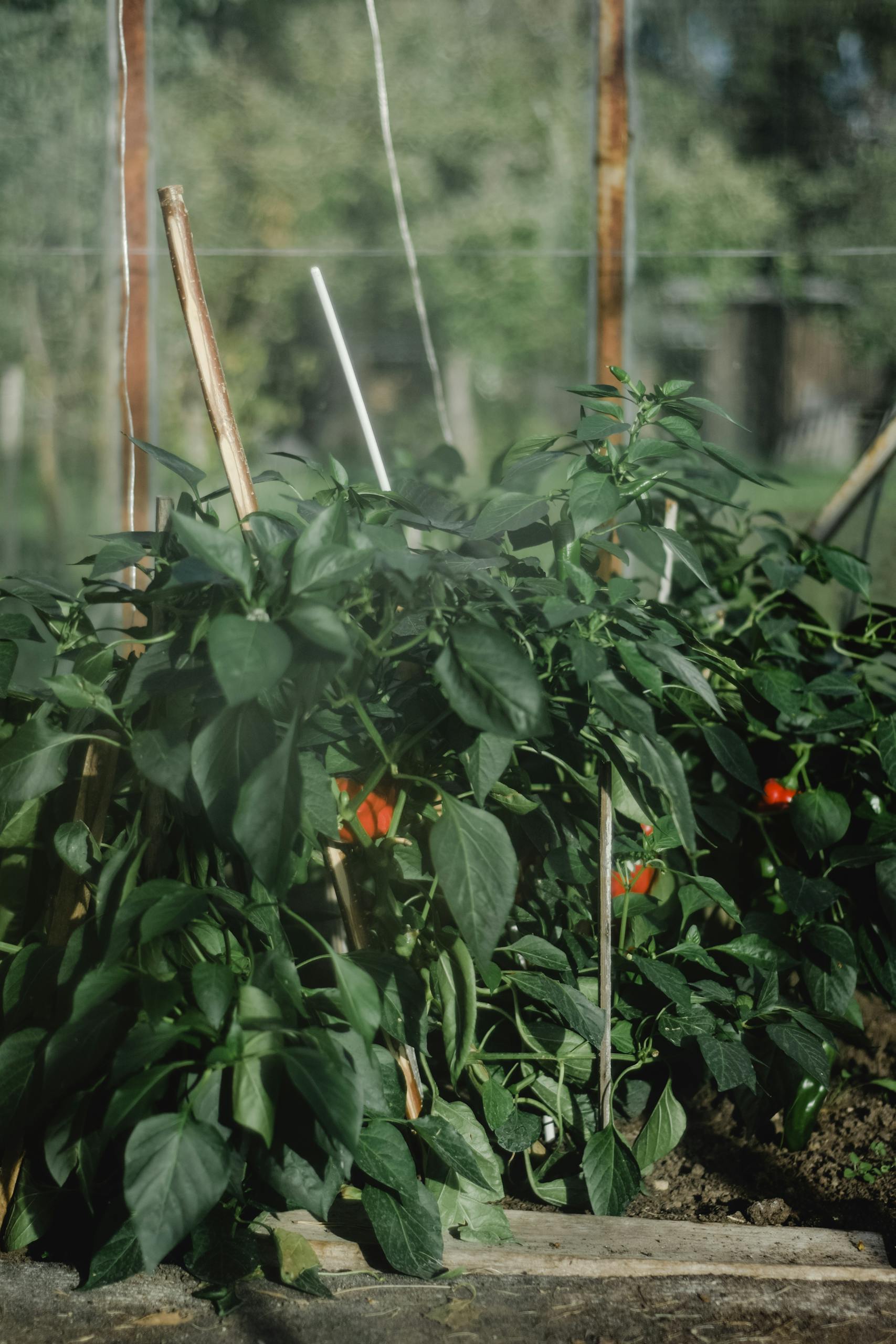
These plants absolutely adore the heat. You can transplant tomatoes, peppers, and eggplants after all danger of frost has passed. Direct sow beans and corn when the soil is reliably warm. You will regret planting them too early.
- Tomatoes
- Peppers
- Eggplant
- Cucumbers
- Squash (Zucchini, Yellow Squash, Butternut Squash)
- Beans (Bush and Pole)
- Corn
- Melons (Watermelon, Cantaloupe)
I have this one vivid memory of planting my first tomato plant way too early one spring. A late frost came. The poor thing just gave up. You learn these lessons the hard way, mostly through sorrow for your plant babies.
Succession Planting: Keep the Good Times Rolling
Do not plant all your lettuce at once, unless you plan on opening a salad restaurant. Succession planting means planting small batches of quick-growing crops every two or three weeks. This ensures a continuous harvest.
This is really great for things like:
- Radishes
- Lettuce
- Spinach
- Bush Beans
I usually set a reminder on my phone to plant another row of bush beans every couple of weeks. It prevents that overwhelming “all the beans are ready at once” problem. Then you go into a bean canning frenzy which is not terrible, but still.
Autumn Planting: Second Chances and Cool-Down Crops
Many people think gardening stops when summer ends, but that is just not true. Autumn offers a fantastic opportunity for another round of cool-weather vegetables. The cooler temperatures actually improve the flavor of some crops.
Fall Favorites: Embracing the Chill

You can replant many of the same crops you put in during early spring. The difference is, in autumn, they grow more slowly. This often leads to sweeter, more tender vegetables. The struggle with pests also tends to diminish. Bugs are getting ready for their winter nap, probably.
- Broccoli
- Cabbage
- Kale
- Spinach
- Lettuce
- Carrots
- Radishes
- Beets
I always plant a big batch of spinach in late summer for a fall harvest. It just tastes so much better, crisper even, when the weather chills down. It is like the plant is saying, “Thank you for not making me sweat all summer.”
Cover Crops: Protecting Your Soil
Beyond edible plants, autumn is the perfect time to plant cover crops. These are plants you grow not for eating, but for improving your soil health over winter. They prevent erosion, suppress weeds, and add organic matter. Think of them as your soil’s cozy blanket.
| Cover Crop | Purpose |
|---|---|
| Clover | Nitrogen fixation, weed suppression |
| Winter Rye | Erosion control, adds organic matter |
| Hairy Vetch | Excellent nitrogen fixation |
My garden beds always look so much healthier in the spring after I have used a cover crop. It beats leaving the soil bare all winter. Bare soil just invites weeds and nutrient loss. You want to avoid that.
Winter: Planning, Perennials, and Patience
While most of your annual vegetables are taking a break, true gardeners know winter is not really downtime. It is a time for planning, ordering seeds, and dreaming of spring. For those in milder climates, some gardening can still happen.
Indoor Growing: Greenhouse Dreams (or Windowsill Realities)
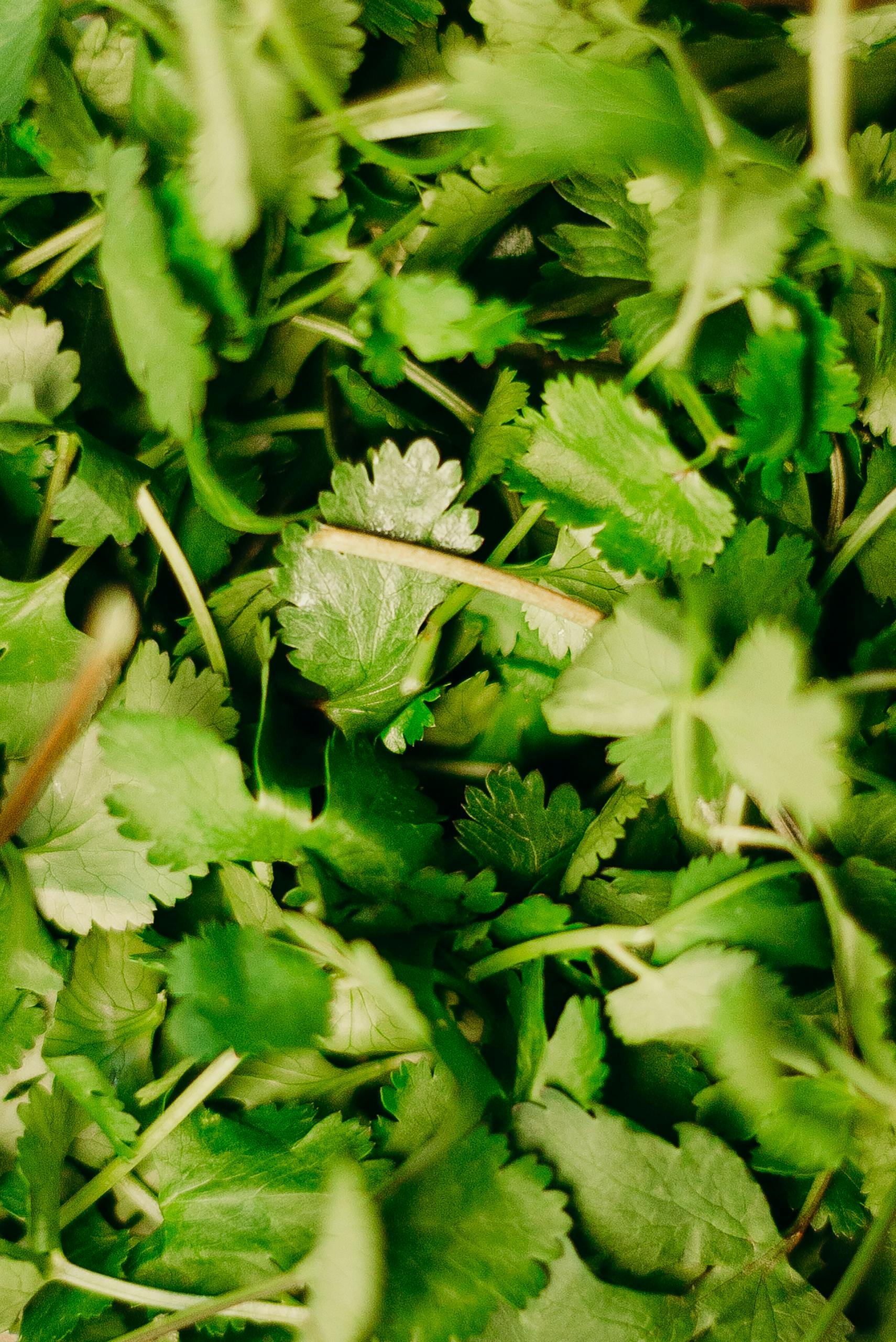
If you have a greenhouse or even just a sunny windowsill, you can grow some things indoors. Herbs are always a great option. Maybe some microgreens for a fresh nutrient boost. It helps scratch that gardening itch during the cold months. You do not want to go stir crazy.
- Herbs (Basil, Cilantro, Parsley)
- Microgreens
- Lettuce (certain varieties)
I always have a pot of basil on my kitchen windowsill in winter. It keeps the kitchen smelling nice and offers fresh herbs for cooking. It is a small victory against the winter blues.
Seed Browsing: The Thrill of the Mail Order
This is perhaps my favorite winter activity. Pouring over seed catalogs, planning what to plant next year. It is like being a kid in a candy store, but for grown-ups who like dirt. Ordering seeds early also means you get the best selection before everyone else does.
Think about these things:
- What grew well last year?
- What did not grow so well?
- What new vegetables do you want to try?
- Are there any heirloom varieties calling your name?
I remember one year I ordered some obscure purple carrots. My kids thought they were from outer space, but they tasted amazing. It is fun to experiment, even if it is just a tiny bit.
FAQs About Seasonal Planting
What if I live in a region with extreme hot or cold weather?
You adapt, my friend. In very hot climates, you probably have a short spring and fall growing season. You might grow during winter when others are under snow. In very cold regions, you cherish your short summers and focus on quick-maturing varieties, maybe use cold frames too. You adjust your planting calendar to your specific climate.
Can I start all my seeds indoors?
You can start many seeds indoors, especially those with long growing seasons like tomatoes or peppers. Some crops, like carrots and radishes, really prefer to be directly sown outside. They do not enjoy transplanting. Always check the seed packet for specific instructions. They usually know what they are talking about.
How do I know when the last frost date is in my area?
Your local agricultural extension office or a quick online search can give you this information. Websites like the Old Farmer’s Almanac provide average last and first frost dates by ZIP code. Knowing this is one of your most valuable pieces of gardening information. You do not want to plant too early.
What should I do if my crops are not growing as expected?
You need to play detective. Check the soil moisture first; too much or too little water is always a common culprit. Then look for signs of pests or diseases. Sometimes a plant just needs more sun or better soil nutrients. Do not be afraid to pull out your phone and look up plant problems. There are a lot of helpful resources online.