Best Herbs to Grow in Your Garden and How to Use Them
Are you tired of bland food? Do you want to sprinkle some magic on your meals without a trip to the supermarket? You absolutely can, my friend. Let us talk about growing your own flavor powerhouses. It is easier than you think, even if your thumb is more brown than green right now.
Start Simple: Easy-Peasy Herbs for Beginners
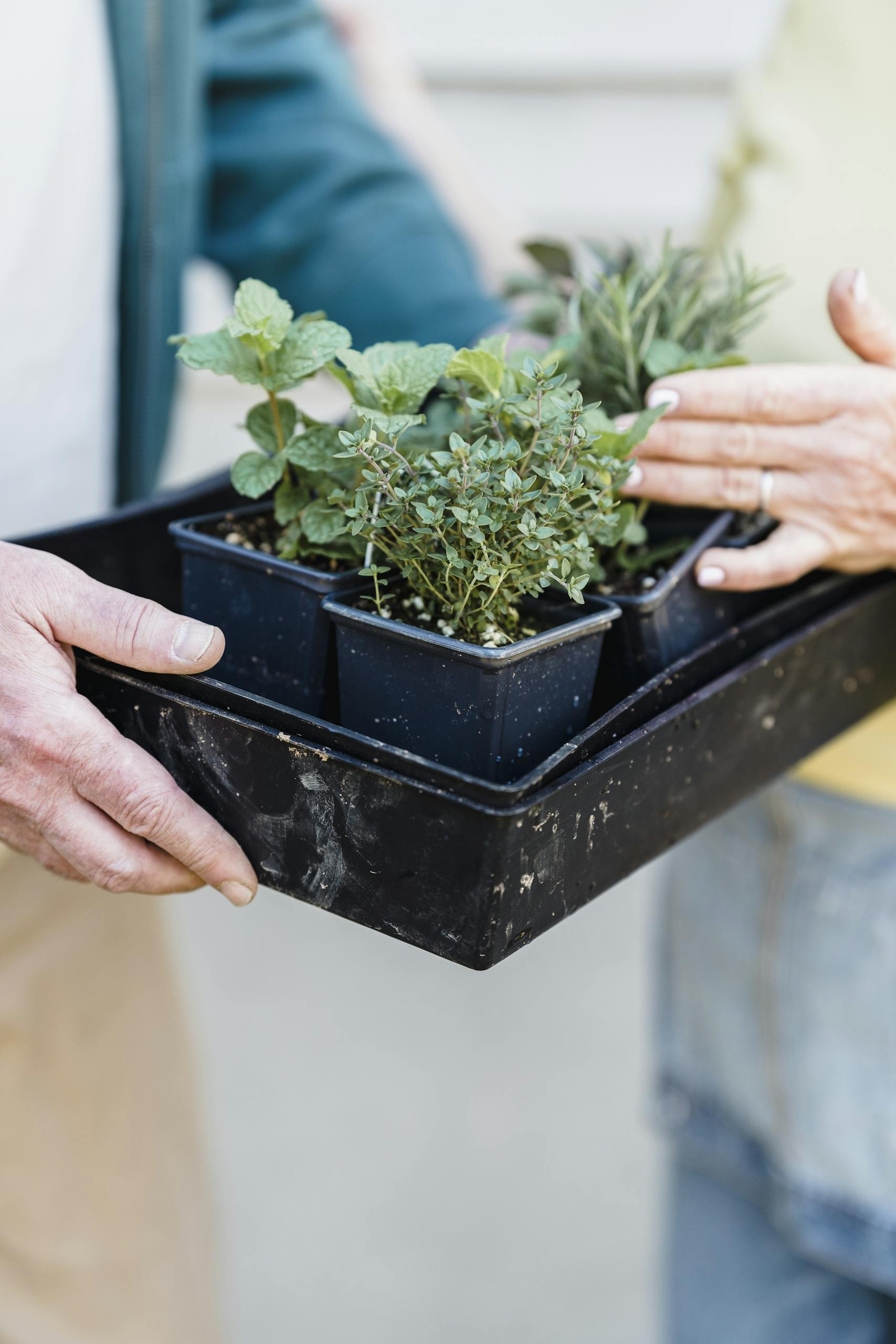
You do not need a massive plot of land or a horticulture degree to grow amazing herbs. Just a sunny spot and a little bit of love will do wonders. Some herbs are incredibly forgiving. They practically grow themselves, bless their leafy little hearts.
Mint: The Undisputed Overachiever
Mint is probably the easiest herb to grow. It is also the most enthusiastic. If you plant it directly in the ground, it will take over your garden faster than you can say “mojito.” Consider yourself warned.
- Plant mint in a pot. This contains its eager spreading.
- It thrives in partial shade or full sun. Pick your spot.
- Keep the soil moist. It likes a good drink.
How to use it? Oh, the possibilities are endless. I throw it in my water for a refreshing zing. It makes a killer iced tea. And yes, mojitos. Do not forget those.
Basil: The Aromatic Italian Stallion
Basil sings of summer and Italian dinners. It loves warm weather. Do not even think about planting it outside until all danger of frost has passed. It is a bit of a diva that way, but so worth it.
- Give basil plenty of sunshine. It needs at least six hours daily.
- Water it regularly. It wilts dramatically if it gets too dry.
- Pinch off the flower buds. This keeps the plant producing more leaves.
Pesto is the obvious choice for basil. Toss fresh leaves on pizzas, in salads, or over pasta. My personal favorite: sliced tomatoes, fresh mozzarella, and basil with a drizzle of olive oil. Simple perfection.
Chives: The Mild-Mannered Allium
Chives are the polite cousins of onions and garlic. They are super easy to grow from seed or a small plant. They come back year after year. Talk about low maintenance.
- Chives prefer full sun but tolerate some shade.
- They are not too picky about soil. Good drainage always helps.
- Snip what you need. They will grow back quickly.
Sprinkle chopped chives over baked potatoes, scrambled eggs, or creamy soups. They add a fresh, subtle onion flavor without overpowering your dish. I even chop them up and mix them into cream cheese for an instant bagel spread. Yum.
Stepping Up Your Herb Garden Game
You have mastered the basics. You are feeling confident. Now, let us explore some other fantastic herbs that offer a bit more variety and challenge. Nothing too crazy, just enough to make you feel like a gardening rockstar.
Rosemary: The Resilient Woody Wonder

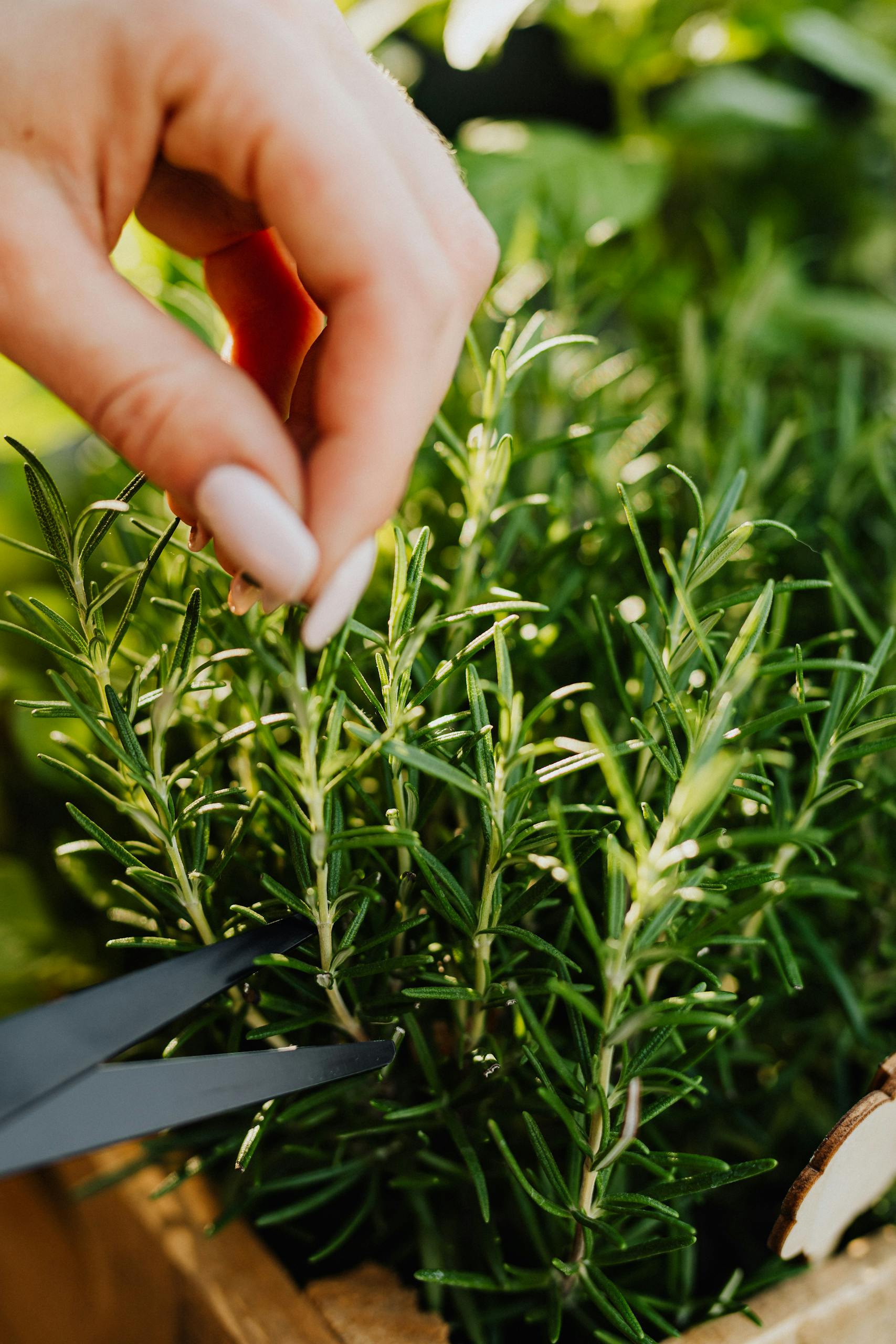
Rosemary is a strong, woody herb that smells like a Mediterranean dream. It is pretty drought-tolerant once established. It actually prefers slightly drier conditions. Overwatering is its arch-nemesis.
- Give rosemary full sun. It absolutely loves the heat.
- Do not overwater it. Let the soil dry out between waterings.
- It can grow quite large. Consider its mature size when planting.
Rosemary pairs beautifully with roasted meats, especially lamb and chicken. Throw a few sprigs on your potatoes before roasting. It also makes a lovely, fragrant addition to focaccia bread. You can even snip a few sprigs and hang them in your shower. The steam releases the scent. Instant spa treatment!
Thyme: The Tiny but Mighty Flavor Bomb
Thyme is a small-leaved herb that packs a huge flavor punch. It is another sun worshipper. It handles dry conditions well. Some varieties can even tolerate light foot traffic, which is kind of cool for a ground cover.
- Plant thyme in full sun with well-draining soil.
- It does not need a lot of water once established.
- Harvest by snipping small sprigs from the plant.
Thyme is fantastic in stews, soups, and roasted vegetables. It is a classic herb for poultry stuffing. I strip the leaves off the stems and sprinkle them into nearly everything savory. You can also make a simple thyme infusion for a soothing herbal tea if you are feeling under the weather.
Oregano: The Pizza’s Best Friend
Oregano is robust and flavorful. It thrives in sunny spots and well-drained soil. It is another herb that actually tastes better when it is a little bit stressed. Who knew plants could be so dramatic?
- Ensure oregano gets plenty of sunlight. It needs at least six hours.
- Water moderately. It dislikes soggy feet.
- Harvest often to encourage bushier growth.
Of course, oregano is essential for Italian and Greek cooking. Sprinkle it on pizzas, in pasta sauces, or on grilled vegetables. It is also wonderful in marinades for chicken or pork. I dry my homegrown oregano by hanging bundles upside down in a warm, dry place. It stores beautifully.
Herbs for Health and Wellness: Beyond the Kitchen
Many herbs are not just for flavoring food. They have a long history of use in traditional medicine and for general well-being. Think of them as your little green pharmacies.
Chamomile: The Sleepy Time Superstar
If you have trouble winding down, chamomile might be your new best friend. It produces small, daisy-like flowers. These flowers are the part you harvest for tea. It is surprisingly easy to grow from seed, though it does reseed itself quite readily.
- Plant chamomile in full sun to partial shade.
- It prefers well-drained soil.
- Harvest flowers when they are fully open.
Dry the chamomile flowers and store them in an airtight container. Steep a spoonful in hot water for a calming tea before bed. Some people also use it in a compress for skin irritations. It truly is a gentle healer.
Lavender: The Aromatic Soother

Lavender is beautiful, fragrant, and attracts pollinators. It is a Mediterranean plant, so it loves sun and heat. It surprisingly likes poor soil. Do not fuss over it too much.
- Lavender needs full sun and excellent drainage.
- Do not overwater. It thrives in dry conditions.
- Harvest flowers when they are just opening.
You can dry lavender and use the flowers in sachets to scent linens or repel moths. I also use dried lavender to make a simple syrup for refreshing lemonade. It makes a surprisingly elegant and delicious drink. Just do not confuse the culinary varieties with the ornamental ones.
Troubleshooting Your Herb Garden: When Things Go Wrong (and they will)
Gardening is an adventure. Sometimes, your plants will look fantastic. Other times, they will look like they are auditioning for a horror movie. Do not despair. A few common issues are easy to fix.
Pests: Tiny Terrorists
Aphids, spider mites, and whiteflies can sometimes show up on your herbs. They are annoying, but usually not deadly.
- Spray plants with a strong stream of water. This often knocks pests off.
- Use insecticidal soap for persistent infestations. Always follow package directions.
- Introduce beneficial insects like ladybugs. They love to munch on aphids.
I always check the undersides of leaves when I am watering. Catching pests early makes a huge difference. You are essentially a bouncer for your plants. Keep them safe.
Yellowing Leaves: What is Going On?
Yellow leaves can signal a few things. Usually, it is either too much or too little water. It is like your plant is trying to tell you something. “I am thirsty!” or “Stop drowning me!”
| Symptom | Possible Cause | Solution |
|---|---|---|
| Leaves yellow and crisp | Underwatering | Water more frequently and deeply. |
| Leaves yellow and soft/mushy | Overwatering | Reduce watering. Check drainage. |
| General pale yellowing | Nutrient deficiency | Consider a balanced liquid fertilizer. |
Stick your finger into the soil. If it feels dry an inch or two down, give it a drink. If it is still wet, hold off. Your fingers are your best gardening tools.
Harvesting Your Herbs: The Sweet Reward
This is the fun part. You have put in the effort, and now it is time to enjoy the fruits (or leaves) of your labor. Proper harvesting encourages more growth. It is a win-win situation.
- Harvest herbs in the morning after the dew has dried. Their oils are most potent then.
- Use sharp scissors or pruning shears. This makes clean cuts.
- Do not remove more than one third of the plant at a time. This allows it to recover.
- Regular harvesting keeps plants bushy and productive. It prevents them from going to seed too quickly.
For leafy herbs like basil and mint, pinch off stems just above a leaf node. For woody herbs like rosemary and thyme, snip off the tender new growth. You are essentially giving your plants a trim. They appreciate good grooming too.
Drying and Storing Your Garden Bounty
You have harvested more herbs than you can possibly use fresh. What now? Do not let them go to waste. Preserving your herbs means you can enjoy them all year long. Even in the dead of winter, you can taste summer.
Air Drying: The Old Reliable Method
This is the simplest way. It just takes a little patience. And a dry, airy space.
- Gather small bundles of herbs. Tie them with string.
- Hang them upside down in a warm, dry, well-ventilated area. Avoid direct sunlight.
- They are dry when the leaves are crumbly. This usually takes one to three weeks.
Once dry, strip the leaves from the stems. Store them in airtight jars or containers away from light and heat. Your kitchen will smell amazing during this whole process. It is a pleasant bonus.
Freezing: For Freshness in a Hurry
Freezing preserves the fresh flavor of many herbs, especially those with high water content like parsley, basil, and cilantro.
- Chop herbs finely.
- Pack them into ice cube trays.
- Pour a little water or olive oil over them.
- Freeze until solid.
- Transfer the herb cubes to a freezer bag.
When you need fresh herbs for a soup or sauce, just pop out a cube. It is incredibly convenient. Plus, it always impresses guests when you tell them your secret ingredient is homemade frozen herb cubes. They will think you are some kind of culinary wizard.
Embrace Your Inner Gardener
Growing herbs is a wonderfully rewarding experience. It connects you to your food. It adds incredible flavor to your meals. Plus, there is something truly satisfying about stepping out your back door and snipping fresh ingredients for dinner. You do not need to be perfect. You just need to try. Your garden, however small, awaits your touch. Go on, get your hands dirty. You will be glad you did.
Frequently Asked Questions
Is it better to grow herbs from seed or buy small plants?
It depends on your patience and the herb. Some herbs, like basil and cilantro, grow quickly from seed. Others, like rosemary and lavender, are much easier to start from a small plant. Buying plants gives you an instant head start.
How often should I water my herbs?
Watering frequency depends on the herb, the weather, and your pot size. As a general rule, feel the soil. If the top inch or two is dry, it is time to water. Overwatering is a common mistake that causes root rot.
Can I grow herbs indoors?
Absolutely! You can grow many herbs indoors, especially on a sunny windowsill. They will need at least six hours of direct sunlight. Supplemental grow lights can help if your natural light is insufficient. Just remember to rotate them so all sides get sun.