Best Plants for a Shaded Backyard Garden
You want your shaded backyard to stop looking like a forgotten corner, right? You desire a lush, green oasis even where the sun barely whispers. You want vibrant life, not just weeds and dirt.
Understanding Your Shade: Not All Shade is Equal

You think shade is just shade. Think again, my friend. Not all dark spots in your garden behave the same way. Knowing your specific type of shade helps you pick the right green buddies.
Deep Shade
This is the tough one. You see deep shade where the sun never, ever hits. It is usually under dense tree canopies or beside tall buildings. You have very few options for plants that survive here. Think of it as a plant prison, but with a few happy inmates.
Partial Shade
Ah, partial shade. You get partial shade when the area receives about two to four hours of direct sun, usually in the morning. This is one of the easier shade types to work with. Many plants actually prefer this gentle sun exposure. You find many plants thrive in these conditions.
Dappled Shade
This is the gardener’s favorite kind of shade. You get dappled shade under trees with light foliage, where the sun filters through like a disco ball. It is bright, but not direct. Many plants absolutely love this kind of light. You get a lot of plant choice here.
Foliage First: Plants That Pop Without Flowers
You think colorful flowers are the only way to make a garden exciting. Wrong, again. Some of my absolute favorite shady garden plants never bloom. Their leaves do all the talking. You find that foliage plants give you consistent beauty.
Hostas: The Shade Royalty
You cannot talk about shade plants without bowing down to the mighty Hosta. They come in so many varieties, your head might spin. Some grow huge, some stay tiny. Some have blue leaves, some have bright yellow, and many have fancy variegation. You can make an entire garden just out of different Hostas. You will not regret planting them. I have a ‘Sum and Substance’ Hosta that is bigger than my dog, and he is a golden retriever.
- ‘Hosta ‘Sum and Substance”: You grow this one for its huge, chartreuse leaves. It gets massive.
- ‘Hosta ‘Blue Angel”: You love its powdery blue leaves. It adds a cool tone to your garden.
- ‘Hosta ‘Patriot”: You notice its dark green leaves with crisp white margins. It is a classic for a reason.
Ferns: Elegant and Timeless
You want something truly elegant and low-maintenance? You pick ferns. They bring such a graceful texture to a shaded area. Their fronds uncurl in the spring, which is a magical sight. You find many native ferns that do great in your area.
Maidenhair Fern (Adiantum pedatum)
You recognize the delicate, fan-shaped fronds of the Maidenhair fern. It prefers moist, rich soil and deep shade. You get such a lovely, airy feel from it. It is a bit finicky about drying out, so you keep an eye on it.
Japanese Painted Fern (Athyrium niponicum ‘Pictum’)
You see this fern and think, “Wow, color!” Its silvery-green fronds have burgundy central veins. It really brightens up a dark corner. You get beautiful contrast from its unique colors.
Heuchera (Coral Bells): Color Without the Fuss

You adore Heuchera for their incredible leaf colors. You get shades from lime green to deep purple, and even orange. Their small flowers on tall stalks are nice, but you grow them for the foliage. You find them super versatile.
- ‘Heuchera ‘Palace Purple”: You get deep, dark purple leaves from this one. It is a classic.
- ‘Heuchera ‘Lime Rickey”: You see bright, shocking lime green. It really pops.
- ‘Heuchera ‘Caramel”: You love its warm, coppery-orange leaves. It brings warmth to a cool area.
Flowering Beauties for Shady Spots
You think no flowers grow in the shade. That is just silly talk. Many beautiful plants actually prefer less sun and give you stunning blooms. You just need to know which ones to pick.
Astilbe: Feathery Plumes of Color
You want vibrant color and interesting texture? You plant Astilbe. Their feathery plumes stand tall above attractive foliage. They come in shades of pink, red, purple, and white. They love moist, rich soil. You get long-lasting blooms.
I remember planting a huge bed of pink and white Astilbe under an old oak tree that provided deep shade. People always stop and ask what they are. They are so simple, yet so showy. You can not mess them up.
Bleeding Heart (Dicentra spectabilis): Classic Charm
You recognize the heart-shaped flowers of the Bleeding Heart instantly. They dangle gracefully from arching stems in spring. They are a true cottage garden staple for shade. They die back in summer, which is totally normal. You know spring has arrived when you see them.
Hydrangea: Big Blooms, Big Impact
You are looking for a big impact? You plant Hydrangeas. Not all Hydrangeas love shade, but many do, especially the bigleaf varieties (Hydrangea macrophylla) and the oakleaf varieties (Hydrangea quercifolia). You get huge, showy flower clusters.
Oakleaf Hydrangea (Hydrangea quercifolia)
You get the bonus of stunning fall foliage with Oakleaf Hydrangea. Its leaves turn beautiful shades of red, purple, and orange. The white cone-shaped flowers are gorgeous too. I tell everyone to plant one because you get year-round interest. It is a winner.
Bigleaf Hydrangea (Hydrangea macrophylla)
You know Bigleaf Hydrangeas for their large, round flower heads that can be pink, blue, or purple depending on the soil pH. They love morning sun and afternoon shade. You get truly impressive blooms.
Impatiens: Annual Color Powerhouse
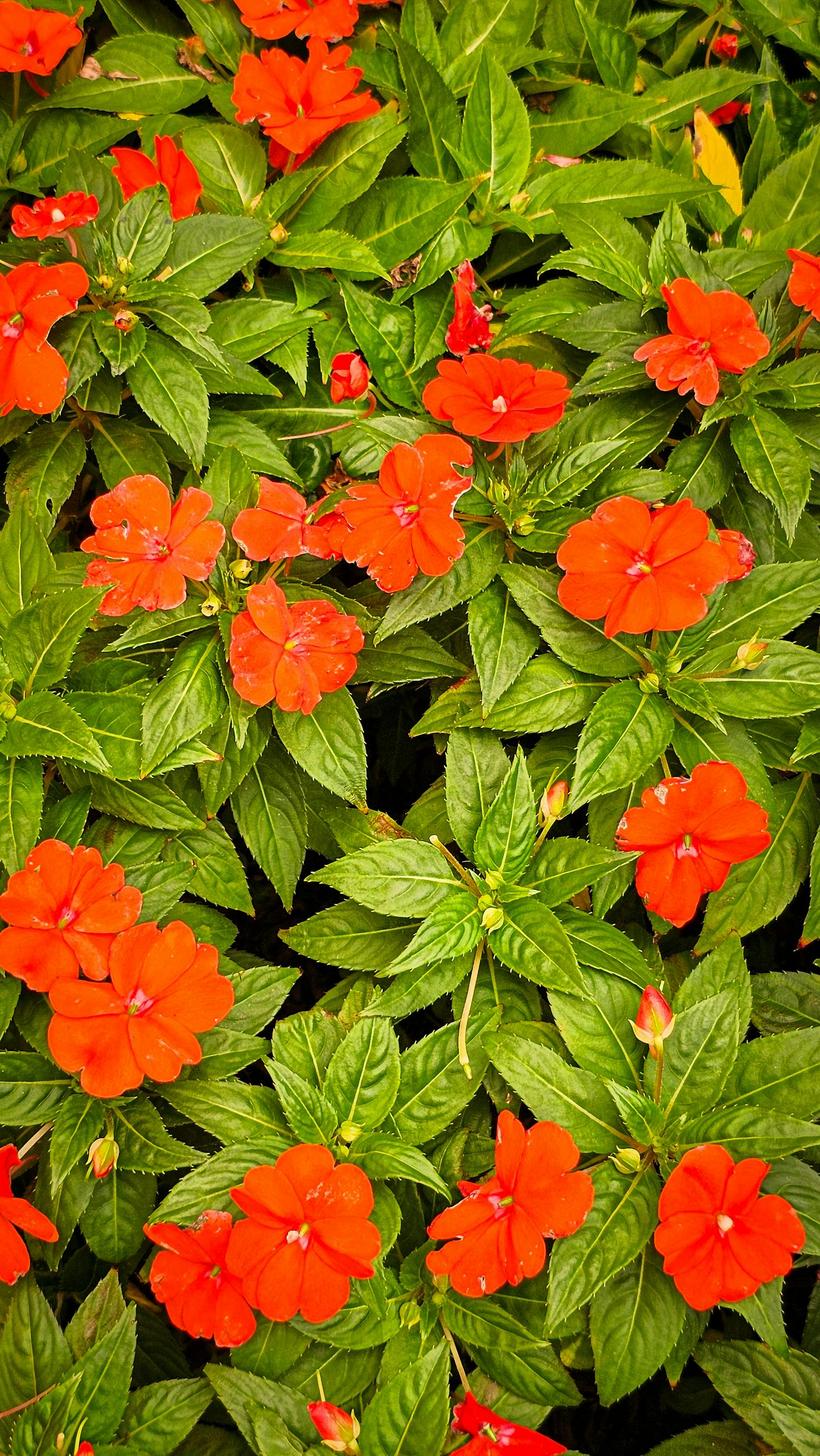
You want instant, season-long color in your shadiest spots? You go for Impatiens. They are annuals, so you replant them every year, but their endless blooms are worth it. You find them in every color imaginable. You will not find a better annual for shade.
Sometimes, I just want a quick fix for a dark corner. I dump in a flat of Impatiens, and poof! Instant garden party. You just have to remember to water them, especially in hot weather. They are thirstier than my teenager after a soccer game.
Groundcovers: Solving the Bare Earth Problem
You hate looking at bare dirt in your shaded areas. You get groundcovers to solve that problem. They suppress weeds and add a lush, green carpet. You select groundcovers that spread well but are not too aggressive.
Pachysandra: Evergreen and Easy
You want a groundcover that stays green all year? Pachysandra is your friend. It forms a dense mat of dark green leaves. It is very low maintenance once established. You get consistent coverage.
Creeping Myrtlle (Vinca minor): Versatile and Pretty
You see the glossy, dark green leaves and purple-blue flowers of Creeping Myrtle (Periwinkle). It is another evergreen option that spreads fairly quickly. It is tougher than nails. You get pretty flowers in spring.
Moss: The Ultimate Low-Maintenance Option
You are tired of planting? You go with moss. Seriously. If your shade is deep and your soil stays consistently moist, why fight it? You encourage moss. It looks serene and needs no mowing or watering. You embrace the green carpet.
Trees and Shrubs for Shady Backyards
You think trees and shrubs only belong in sunny spots. You are mistaken. Many woody plants thrive in less sun, providing structure and height to your shaded garden. You select trees and shrubs that naturally grow in woodlands.
Japanese Maple (Acer palmatum): Graceful and Colorful
You want a showstopper tree for your shaded garden? You pick a Japanese Maple. Many varieties actually prefer partial shade, which protects their delicate leaves from sun scorch. You get incredible leaf shapes and colors. You will stand and stare at it.
My neighbor has a Bloodgood Japanese Maple in his backyard under a huge pine tree. Its deep red leaves glow in the dappled light. It is one of the most beautiful trees you can plant. You just need to give it good drainage.
Rhododendrons and Azaleas: Spring Bloomers Extraordinaire

You love big, showy flowers in spring? You plant Rhododendrons and Azaleas. They are members of the same family and thrive in acidic, well-draining soil and partial shade. You get a burst of vibrant color.
Boxwood (Buxus sempervirens): Evergreen Structure
You need some evergreen structure in your shade garden? You choose Boxwood. It tolerates shade very well and provides year-round interest. You can prune it into formal shapes or let it grow naturally. You get consistent greenery.
Soil and Water: The Secret Sauce for Shade Success
You cannot just plop plants into any old dirt and expect them to live. Especially in shade, soil and water management are critical. You pay attention to these details for happy plants.
Improve Your Soil
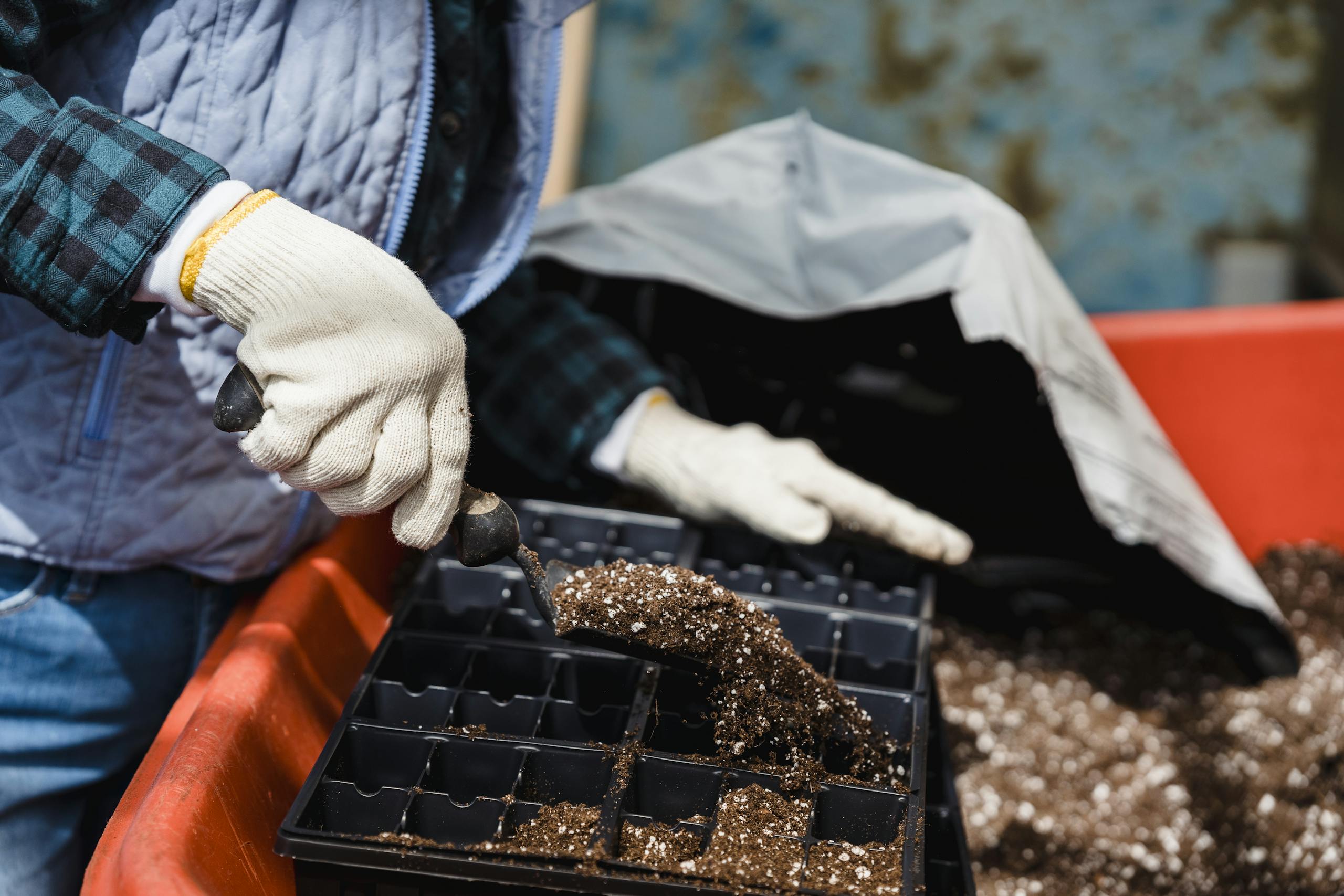
You find that shaded areas often have poor soil, maybe root-bound from large trees. You add plenty of organic matter like compost or aged manure. This improves drainage and water retention. You give your plants a good start.
Water Wisely
You understand that shaded areas might stay moister longer, but they can also be very dry if large trees are sucking up all the water. You check the soil moisture regularly. You water deeply but infrequently. You avoid soggy conditions.
| Plant Category | Light Needs | Example Plants |
|---|---|---|
| Foliage Plants | Partial to Deep Shade | Hostas, Ferns, Heuchera |
| Flowering Perennials | Partial Shade | Astilbe, Bleeding Heart, Hydrangea |
| Annuals | Partial to Deep Shade | Impatiens |
| Groundcovers | Partial to Deep Shade | Pachysandra, Vinca, Moss |
| Trees & Shrubs | Partial Shade | Japanese Maple, Rhododendron, Boxwood |
FAQ
How much sun do shade plants need?
Shade plants need varying amounts of sun. Some thrive in partial shade, receiving two to four hours of direct sun, usually in the morning. Others prefer deep shade, where they never get direct sunlight, only indirect or filtered light.
Can I grow vegetables in a shaded backyard?
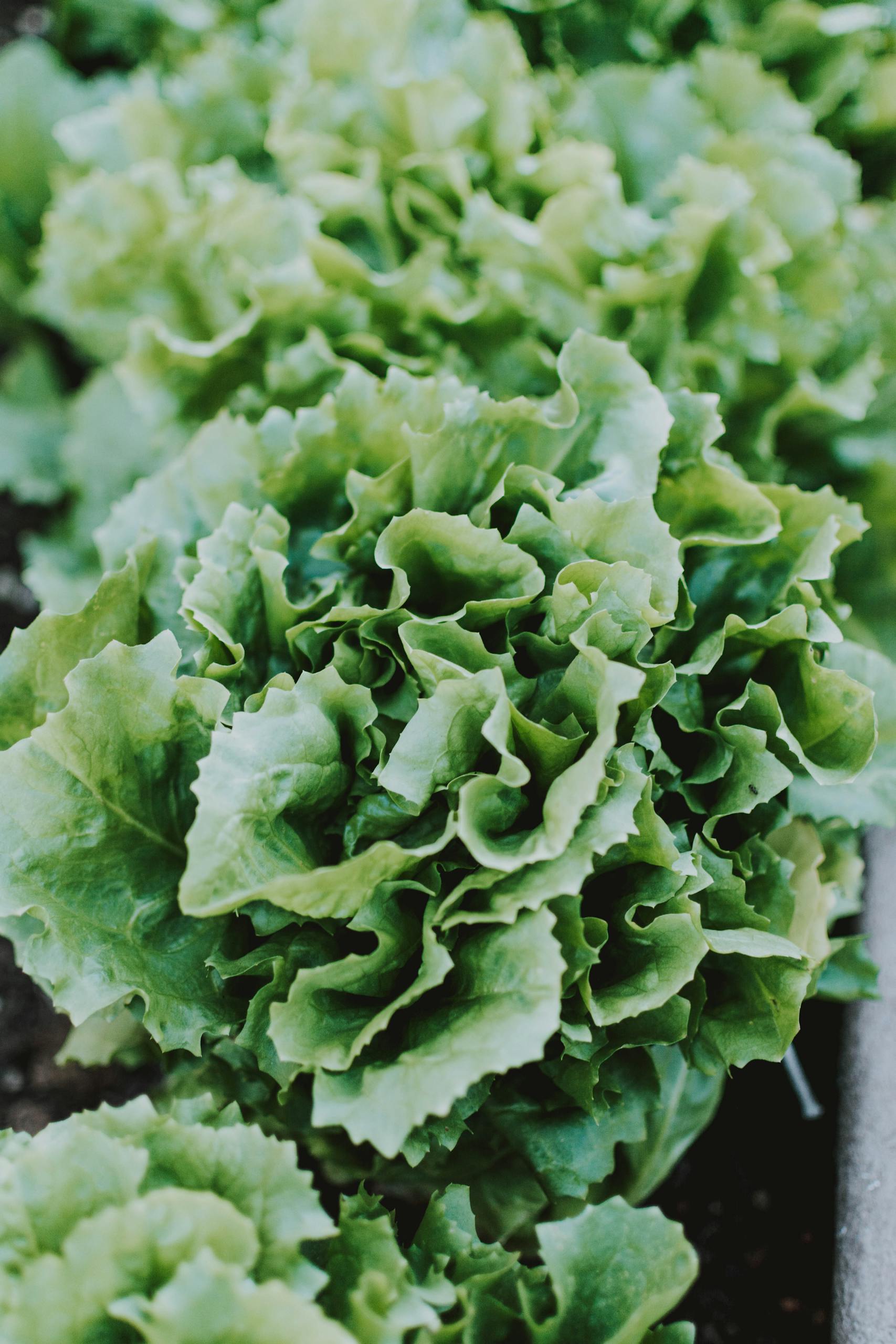
You can grow some vegetables in a shaded backyard, but your options are limited. Leafy greens like lettuce, spinach, and kale tolerate partial shade the best. Root vegetables like carrots and radishes might also do okay with at least four hours of sun.
What are the easiest shade plants to grow for beginners?
For beginners, you find Hostas, Impatiens, and Ferns extremely easy to grow in shaded areas. They are quite forgiving of less-than-perfect conditions and provide beautiful foliage or frequent blooms with minimal effort.