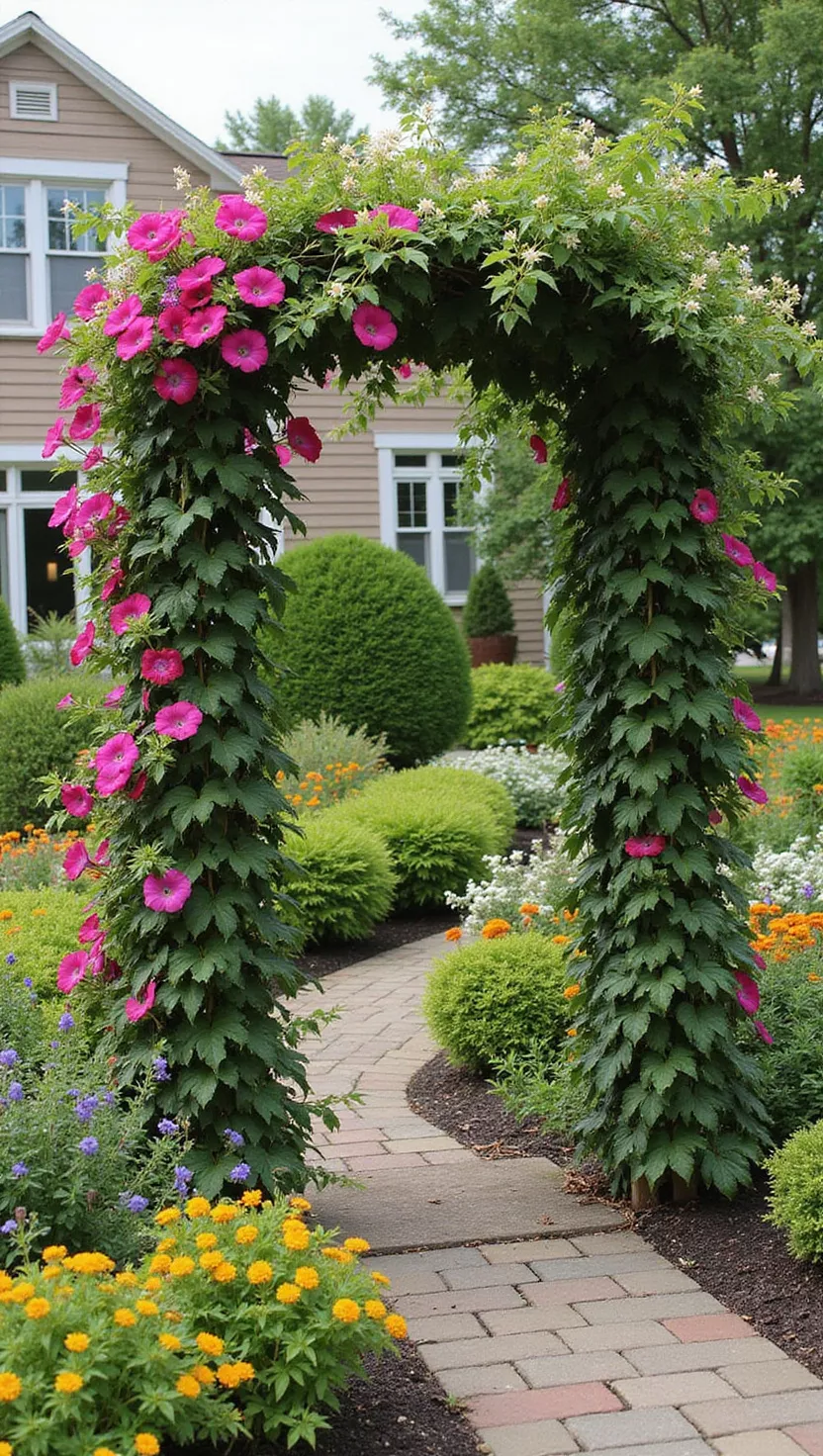
How to Choose the Right Edging for Different Garden Styles
You want your garden to look sharp, right? Picking the perfect garden edging can really elevate your outdoor space. It defines beds, contains mulch, and just makes everything look purposeful. Let’s figure out what works for your green oasis.
Understanding Garden Edging Basics

Garden edging, if you think about it, is like the trim on your favorite shirt. It just pulls the whole look together. It stops grass from creeping into your flowerbeds and keeps decorative stones from migrating onto your lawn. Plus, it makes mowing a whole lot easier, which, let’s be honest, is a huge win for anyone who owns a lawnmower. I like an easy life, you know?
You have a lot of materials to pick from. Each one has its own vibe and does different things. Some are super flexible, others are rigid. Some practically disappear, and some scream for attention. It really depends on what you want your garden to say.
Why Edging Matters More Than You Think
I remember this one time, my neighbor, bless his chaotic heart, decided to skip edging for his new rose garden. Within a year, his lawn and roses were having an unplanned, tangled meet-and-greet. It was a mess. Edging provides a clean separation. It is like boundaries in a good relationship; everyone knows where they stand.
- It keeps materials contained, like mulch or decorative gravel.
- It stops grass from invading flower beds.
- It creates a visual separation, making your garden look tidy.
- It helps with lawn maintenance, giving you a clear mowing line.
Matching Edging to Your Garden’s Aesthetic
Just like you do not wear flip-flops to a black-tie event, you would not put clunky concrete blocks around a delicate cottage garden. Your edging needs to complement your garden’s overall personality. It is about harmony, people!
Cottage Garden Charm: Soft and Natural Edging
Cottage gardens are all about whimsy, a little wildness, and a whole lot of flowers. I love this style; it just makes me feel happy. You want something that blends in, not stands out like a sore thumb. Think natural materials, things that whisper, not shout.
Brick Edging: Timeless and Textural
Bricks are a classic for a reason. They have a lovely, aged look and come in all sorts of warm colors. You can lay them flat, or stand them on their ends to create a little more height and interest. My grandmother used bricks in her garden, and they always looked amazing, even after decades of neglect and happy accidents.
When you lay bricks, you can do it neatly, or a bit wonky to give it that charming, slightly unkempt cottage feel. You know, like it just magically appeared overnight.
Here are some ways to use bricks:
- Flat Installation: Bricks laid flat create a subtle, neat border. It is good for small paths too.
- Soldier Course: Standing bricks on their ends gives a taller, more defined edge. It also deters grass better.
- Basket Weave: This pattern looks super fancy but is not that hard to do. It adds a lot of visual interest without being too formal.
Stone Edging: Rustic and Earthy
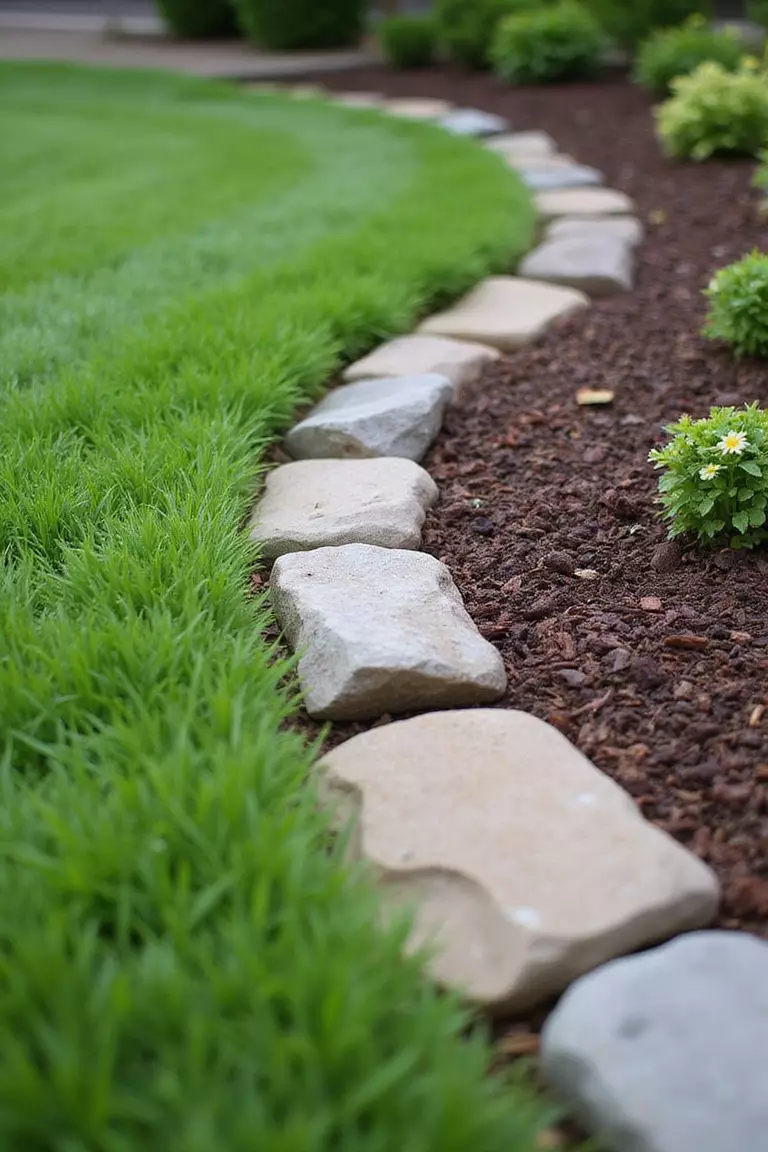
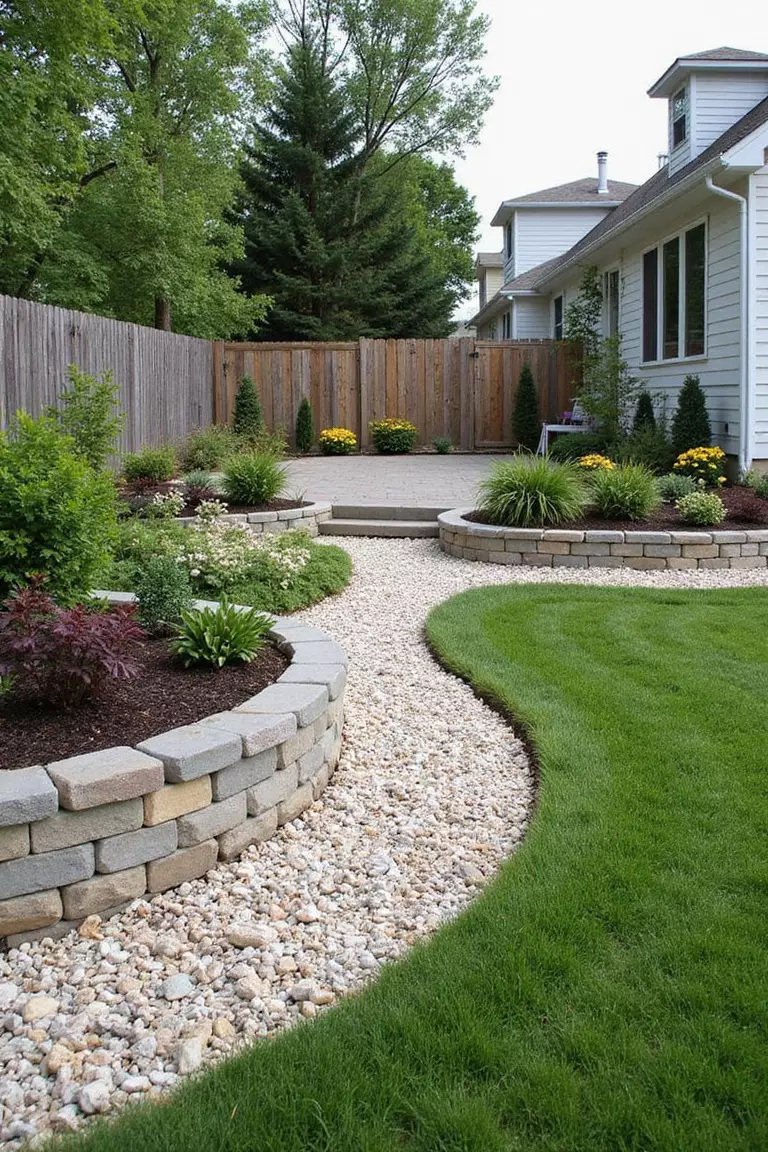
Natural stones, like river rocks or irregularly shaped flagstones, really fit the bill for a cottage garden. They have that organic feel, like they belong there, scattered by nature. You can find them in all sorts of sizes and colors, so you can really customize the look.
I once used some old stepping stones I found on a property for edging, and everyone asked where I bought them. You just have to have an eye for it, you know.
You can dry stack them, meaning no mortar, if you want that truly natural, rambling feel. It is less permanent, but very lovely.
Formal Garden Finesse: Clean Lines and Structure
If your garden is more about precision, symmetry, and perfectly manicured hedges, you need an edging equally disciplined. Think crisp, straight lines and materials that exude sophistication. These gardens make me feel like I need to pull out my fancy hat and sip Earl Grey tea.
Metal Edging: Sharp and Understated
Steel or aluminum edging totally fits the formal bill. It is thin, incredibly strong, and practically vanishes into the landscape while still providing a razor-sharp border. You can curve it if you want, but it really shines in straight lines, creating those perfect geometric shapes that formal gardens adore.
I love how metal edging just disappears. It is like the stealth bomber of garden borders; you know it is there, doing its job, but you hardly see it. It is also super durable, so you put it in once and generally forget about it.
- Steel: Very durable, rusts to a lovely patina over time, which some people love.
- Aluminum: Lighter, does not rust, often comes in various colors like black or brown.
Concrete Edging: Robust and Defined
Pre-cast concrete borders or poured concrete curbing offer undeniable structure. They are solid, permanent, and allow for very clean, precise edges. If you want something that will not budge, concrete is your friend. It is like the bodyguard of garden edging; it stands firm.
You can get concrete edging in various designs, some even mimicking stone or brick. It often comes in straight sections, making it ideal for those meticulously straight paths and beds. Just make sure you like it; it is a commitment.
| Material | Durability | Aesthetic | Installation Effort |
|---|---|---|---|
| Steel | High | Sleek, Modern, Minimalist | Moderate |
| Aluminum | High | Clean, Contemporary | Moderate |
| Poured Concrete | Very High | Solid, Permanent, Defined | High |
| Pre-cast Concrete | High | Uniform, Structured | Moderate |
Modern and Contemporary Gardens: Sleek and Minimalist Edging
Modern gardens love clean lines, often feature strong architectural elements, and rely on simplicity. They are like a perfectly curated art exhibit. Your edging should be just as sleek and uncomplicated. No fuss, no muss.
Corten Steel: Industrial Chic
Corten steel, with its distinctive rusted patina, is a darling in modern landscape design. It offers a warm, earthy tone but in a very contemporary, no-nonsense form. It is durable, very strong, and the rust layer actually protects it from further corrosion. It is like the aging rock star of garden materials; it just gets better with time.
I had a client who was hesitant about the rust, but once it settled in, they absolutely loved it. It provides a beautiful contrast to green foliage and hardscapes.
Recycled Plastic/Composite: Eco-Friendly and Versatile
For a truly modern, eco-conscious approach, recycled plastic or composite edging is fantastic. It is often black or dark gray, which suits the stark simplicity of a modern garden. It is flexible, durable, and basically maintenance-free. Plus, you are doing a solid for Mother Earth, which is always a good thing.
These materials are often very easy to install. You can get long rolls, so you have fewer seams, which contributes to that seamless, clean look modern gardens crave.
Wildflower Meadows and Native Plantings: Invisible Edging
For gardens that celebrate natural landscapes and native plants, you want the edging to be almost invisible. The goal is to make it look like the garden just naturally flows into the surrounding area, not like someone put a fence around it. It is about blending, not separating.
Trench Edging: The Nearly Invisible Option
This is probably the most hands-on, but also the most organic-looking. You literally dig a V-shaped trench about 4-6 inches deep around your garden bed. It creates a natural barrier that grass has a hard time crossing. You do have to maintain it regularly, meaning you re-dig it every few months. It is like a haircut for your garden edge; it needs touch-ups.
I use trench edging around my small wildflower patch. It looks so natural, and when people ask how I keep the grass out, I usually just shrug and say, “Magic,” because explaining trenching can sound like a lot of work. But it is worth it for the effect.
- Requires regular maintenance to keep a clean edge.
- No materials cost.
- Blends seamlessly into the landscape.
Thin, Low-Profile Metal Edging: Subtle Definition
A very thin, dark metal edging installed almost flush with the ground can provide a subtle barrier without being noticeable. It gives just enough definition to keep things separate but does not detract from the wild, natural look. Choose black or a dark bronze if you can find it.
This option provides a bit more permanence than trenching but still maintains that minimal visual impact. You want it to disappear, not scream, “Look at me! I am an edge!”
Practical Considerations for Edging Installation
You have picked your style, now you need to think about putting it in. It is not just about looks; it is about practicality too. You want it to last, and you want it to work efficiently.
Drainage Details
Always think about water. If your edging creates a barrier that traps water in your garden bed, you will have problems. Many plants hate wet feet. Make sure there are ways for excess water to drain away, especially with solid materials like concrete or tightly installed bricks. Sometimes a little gap every few feet is all you need.
I once saw a raised bed that was edged perfectly but had no drainage. After a big rain, it became a mini-swimming pool. The owner was not happy, and neither were the plants. Do not be that person.
Maintenance Matters
Some edging requires more upkeep than others. Trenching, as I mentioned, needs regular re-digging. Wood can rot and needs replacing. Metal and concrete are pretty low maintenance once they are in. Consider how much time you actually want to spend fiddling with your garden edges.
I am all for low maintenance. My philosophy is, if I put it in, I want it to work for me, not the other way around. Unless I am feeling particularly energetic, which is rare.
Cost Considerations
Your budget will definitely play a role. Natural stone can be expensive, especially if you buy it new. Recycled plastic is often more budget-friendly. Trenching is free, besides your sweat equity. Figure out how much you are willing to spend before you fall in love with something totally out of your price range. It’s like buying a new car; you have to set a budget first.
Final Thoughts on Garden Edging
Choosing the right edging is not just about making your garden look good; it is about making it work better too. Think about your garden’s personality and your own practical needs. Do you like crisp lines or a more relaxed vibe? How much maintenance are you willing to do? Once you answer those questions, picking your perfect garden border becomes a lot easier. Go forth and edge your world, my friend!
Frequently Asked Questions
What is the easiest type of garden edging to install for a beginner?
For beginners, flexible plastic or rubber edging is often the easiest to install because it comes in rolls and you mostly just need a spade to dig a shallow trench. Interlocking plastic or metal sections are also straightforward as they simply snap or slide together.
How deep should garden edging be installed to be effective?
Most garden edging should be installed at least 4 to 6 inches deep to prevent grass roots from creeping underneath and to provide stability. For more aggressive grasses, deeper installation or a material that goes further into the ground will be more effective.
Can I use reclaimed materials for garden edging?
Absolutely, reclaimed materials like old bricks, stones, broken concrete pieces (often called “urbanite”), or even repurposed glass bottles can make fantastic and unique garden edging. Just make sure the materials are durable enough and won’t leach harmful chemicals into your soil.