How to Use Recycled Materials for Creative Garden Decor
Are you staring at your garden, thinking it could use a little pizzazz without breaking the bank? You know, something unique? Well, grab a cup of coffee because you are about to discover how your trash can actually become your garden’s treasure.
Transforming Trash into Garden Treasures
You have probably got a pile of stuff you are about to throw out, right? Do not do it! Many of those items are perfect for giving your garden some real character. I actually found this out years ago, you know, when I inherited my grandmother’s very eclectic garden art collection. Some of it was truly… unique. Turns out, some of her best pieces were just old junk she spray painted.
Think Beyond the Bin: What Can You Use?
You might be surprised by what makes great garden decor. Most things you consider rubbish actually have a new life waiting for them. You just have to look at them differently.
- Old tires: These are practically begging to be planters or even quirky garden sculptures.
- Plastic bottles: You can make anything from whimsical wind chimes to self-watering systems.
- Glass jars and bottles: Fairy lights inside these look amazing on a summer evening.
- Broken pottery or dishes: These bits are fantastic for mosaics or stepping stones.
- Scrap metal: Old tools, bicycle parts, you name it, they can become instant garden art.
Creative Projects: Getting Started with Recycled Garden Art
Let us be honest, you do not need to be an artist to make cool stuff for your garden. You just need a little imagination and maybe a bit of paint. Do not worry about perfection; your garden will not judge your artistic skills.
Upcycled Planters: Not Just for Flowers
Everyone knows you can plant things in old tires, but have you thought about boots or even an old colander? I once saw a friend plant succulents in an old, deflated soccer ball. It actually looked really neat.
Tire Planters: Bigger and Bolder

Old tires are super versatile. You paint them bright colors or stack them to create tiered planters. You can plant herbs in one and cheerful marigolds in another. Just be sure to drill some drainage holes in the bottom, unless you want a swim spa for your plants.
Here is a basic way to use those old tires:
- Clean the tire thoroughly. A good scrub prevents dirt transfer.
- Paint it with outdoor-friendly paint. Bright colors make a statement.
- Drill drainage holes at the bottom. This prevents waterlogging.
- Fill with soil and your favorite plants. You are ready to go.
Household Items as Planters: Cute and Clever
My kitchen sometimes feels like a graveyard for broken mugs or chipped teacups. Guess what? They are perfect for small succulents or herbs. Even old plastic laundry detergent bottles can be cut and painted into adorable animal planters. Just do not forget those drainage holes.
You can even hang some of these up. My neighbor uses an old metal colander for a hanging herb garden. It already has the drainage, so that is a bonus, right?
Lighting Up Your Garden with Recycled Glow
Outdoor lighting adds so much ambiance. Why buy expensive lanterns when you can make your own for practically nothing? You know, the kind that makes your backyard feel like some fancy outdoor cafe.
Glass Jar Lanterns: Simple Elegance
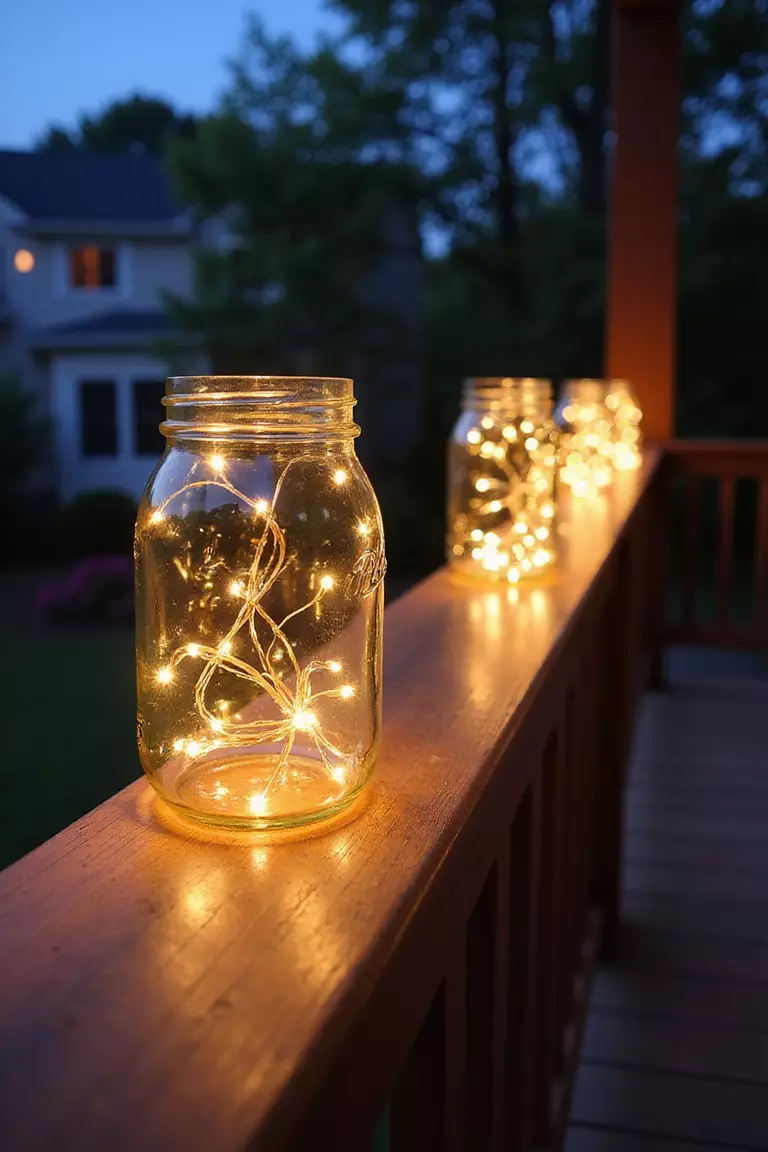
Mason jars, old pickle jars, even those giant mayonnaise jars work wonders. Pop a small LED tea light or fairy lights inside them, hang them from trees, or place them along pathways. They cast a lovely, soft glow. I actually use these on my patio, and my guests always ask where I bought them.
Here is a little trick I picked up: for extra sparkle, put some iridescent glitter or sea glass at the bottom of the jar before adding the lights. It really makes them pop.
Plastic Bottle Solar Lights: A Little Ingenuity
This idea sounds a bit wild, but hear me out. You can actually make solar-powered lights from plastic bottles. You essentially fill them with water and a tiny bit of bleach (to prevent algae), then mount them so the sun hits them, and they refract light. It is an interesting way to light up a shed or a dark corner of your garden. You see these often in developing countries, so they must work pretty good.
Garden Art with a Story: Scrap Metal and Broken Bits
This is where things can get truly unique. You are not just making decor; you are creating conversations pieces. My dad, bless his heart, used to collect all sorts of random scrap metal and weld it into abstract sculptures. Some were, let us just say, an acquired taste, but they certainly made a statement.
Metal Sculptures: Rust Never Sleeps
Old tools, bicycle rims, even car parts can become garden sculptures. You can weld them, wire them together, or just arrange them in an eye-catching way. The rust actually adds character over time, giving your piece a lovely, earthy patina. A rusty old wrench leaning casually against a stone wall? Instant charm.
Mosaics from Broken Pottery: Piece by Piece

If you have ever chipped a favorite coffee mug or had a plate break, do not toss those pieces. Wash them off and save them. You can use them to create beautiful mosaics on stepping stones, old tabletops, or even directly onto a garden wall. It is like putting together a puzzle, but a much more satisfying one. I tried this once, and while my first attempt looked like a child did it, my second one actually turned out pretty nice.
Here is how you can start a simple mosaic project:
- Gather broken ceramic pieces, glass, or tiles.
- Choose a base, such as a concrete paver or a wooden board.
- Apply adhesive to the base and press the pieces into place.
- Once dry, fill the gaps with grout.
- Clean off excess grout for a polished look.
Water Features from Unlikely Sources
The sound of running water is so relaxing. You do not need a fancy pond pump and a sculpted fountain to enjoy it. Your recycled bits can do the trick just as well.
Barrel Water Butt: A Practical Glimpse
Okay, this is less “decorative art” and more “super practical,” but a recycled rain barrel or water butt is actually a fantastic addition. You can paint it, attach pretty spouts, and even grow plants on top. It saves water and looks good. You win at life when you have one of these.
Tiered Planter Fountain: Small Scale Serenity
You can create a charming small fountain using old pots or even plastic tubs. Stack them, run a small submersible pump through them, and you have got a gentle trickling sound. I saw one made from three different sized plastic buckets painted to look like terracotta. It was so simple, but it sounded lovely.
Pathways and Borders: Walking on Recycled Art
Your garden paths and borders do not have to be boring. Use recycled materials to give them some personality and interesting texture.
Bottle Borders: Green Edges
Empty glass bottles, especially wine bottles, make fantastic borders for garden beds. Stick them neck-down in the soil, close together. They define the edge neatly and catch the sunlight beautifully. It is a very cottage-garden look. Just be careful not to trip over them after one too many glasses of your own wine.
CD or DVD Paths: Reflective Walkways
This one is a little out there, but trust me, it works. Old CDs and DVDs reflect light like crazy. You can embed them into concrete stepping stones or just lay them shiny-side-up along a path. They create a dazzling, almost futuristic look, especially on a sunny day. Your neighbors will either think you are a genius or a little bit eccentric. Either way, you will definitely be unique.
| Recycled Material | Creative Use | Notes |
|---|---|---|
| Plastic Bottles | Vertical Herb Gardens | Cut sides open, add drainage, hang. |
| Old Jeans | Pocket Planters | Sew bottom of legs, fill with soil, hang. |
| Tin Cans | Hanging Planters | Punch drainage holes, paint, attach wire. |
| Wine Corks | Garden Labels | Write plant names, attach to stick. |
Tips for Success: Your Inner Garden Guru
Before you go ransacking your recycling bin, a few pointers might help. You know, just to make sure your creative vision does not end up looking like a yard sale exploded.
Cleanliness is Key (Mostly)
Always clean your recycled materials first. You do not want old food residue attracting pests or making your project smell. A good scrub with soap and water usually does the trick. Unless it is meant to be rusty, of course. Then, let nature do its thing.
Safety First: No Trips to the ER
Some recycled materials have sharp edges. Wear gloves when handling broken glass or metal. If you are painting, do it in a well-ventilated area. Your creative spirit does not need a side trip to the emergency room, right?
Outdoor Paint: Making It Last
If you are painting anything that will live outside, use paint specifically designed for outdoor use. It resists fading and peeling. Otherwise, your masterpiece might look like a sad, faded mess after a single season. I learned this the hard way with a very ambitious, brightly colored birdbath that turned pastel in three weeks.
Embrace Imperfection
The beauty of using recycled materials is their inherent imperfections. A dented watering can or a chipped tile adds character. Do not strive for perfection; strive for uniqueness. Your garden should reflect your personality, not a factory assembly line.
FAQ
Is it safe to use plastic bottles for self-watering systems?
Yes, it is generally safe. However, you should avoid using clear plastic bottles if they will be directly exposed to sunlight for prolonged periods as they can degrade and release chemicals into the water. Darker plastics are often better.
How do I prevent my tire planters from becoming a mosquito breeding ground?
You must ensure proper drainage by drilling several holes in the bottom of the tire. Mosquitos cannot breed in fast-draining soil. You can also add a layer of gravel at the bottom for even better drainage.
Can I use any type of glass for garden mosaics?
You can use most types of glass, like old bottles or broken dishes, for mosaics. However, be cautious with very thin or sharp glass. Always wear gloves and eye protection when breaking glass or handling sharp pieces. Tempered glass, like car windows, shatters into tiny, relatively harmless pieces, but it is much harder to break intentionally.