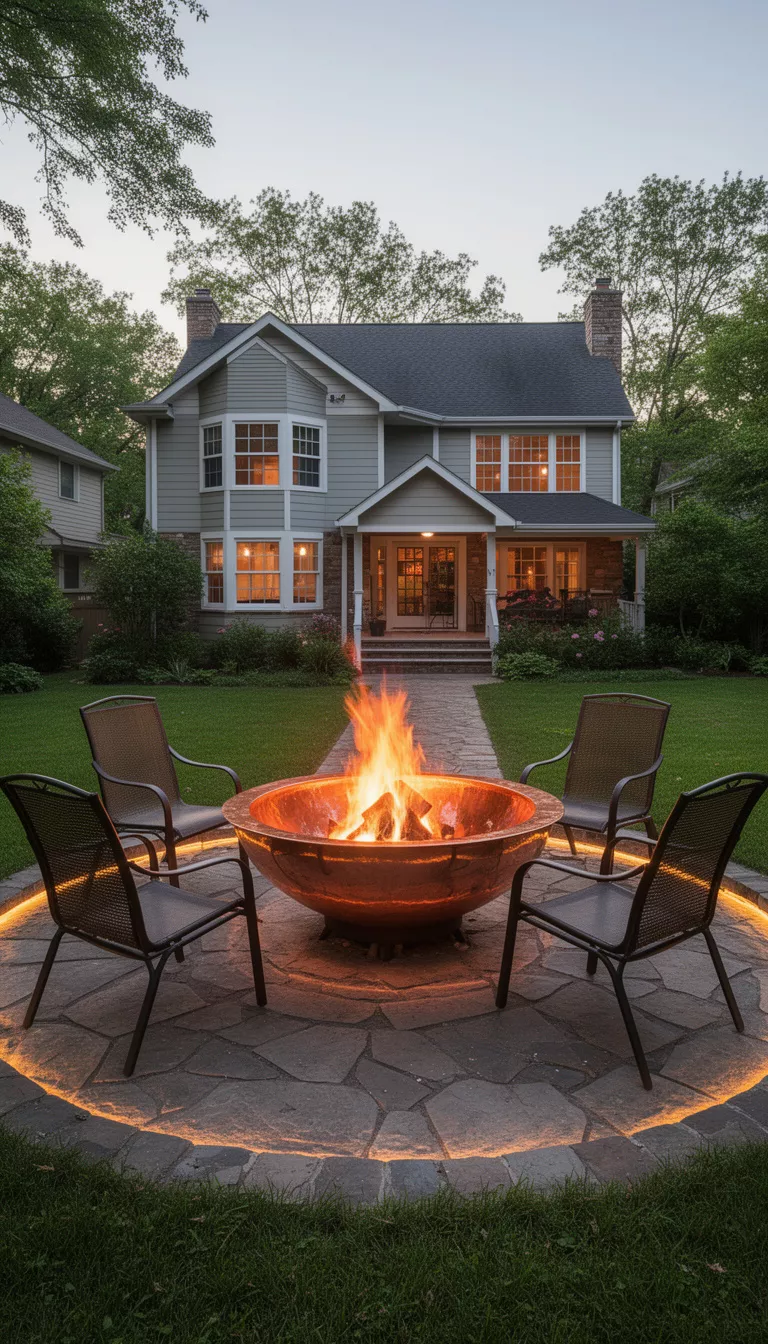
How to Create a Wildlife-Friendly Backyard Garden
You want a backyard that buzzes with life, right? A place where colorful birds sing and playful squirrels scamper. Forget those sterile, green carpets. You are about to discover how your outdoor space can become a thriving haven for local critters, and trust me, it is easier than you think.
Start with Water: Critter Hydration Station
Every living thing needs water. You need it, I need it, and that little robin hopping around your lawn desperately needs it. Providing a reliable water source is perhaps the quickest way to attract wildlife.
Bird Baths: More Than Just Pretty

A bird bath is not just a lovely garden ornament. It is a vital resource. I learned this the hard way after a particularly dry summer left my local feathered friends looking parched.
- Choose a shallow bird bath, maybe two to three inches deep at the deepest point. Birds are not great swimmers; they just need a puddle.
- Place it in an open area so birds can spot predators easily. No bird wants to be ambushed while taking a dip.
- Clean it regularly. Standing water gets filthy fast, inviting mosquitoes and diseases. Think of it like your own drinking glass; you would not want to drink from a dirty one.
Ponds: A Mini Ecosystem
If you are feeling ambitious, a small pond can transform your backyard. My pond, affectionately named “Froggy Bottom,” brought a whole new level of wildlife activity.
Frogs, toads, dragonflies, and even small fish will find a home in your pond. A diverse pond creates its own little ecosystem. Just remember, no goldfish crackers allowed.
Plant Smart: Native Flora for Local Fauna
You cannot just throw any random plant in your garden and expect wildlife to show up. Critters have preferences, just like you prefer pizza over Brussels sprouts.
Why Native Plants Rule
Native plants are the rock stars of a wildlife garden. They are adapted to your local climate and soil, making them low-maintenance. More importantly, local wildlife evolved alongside these plants.
My grandmother always told me, “If it grew here naturally, the animals here know what to do with it.” She was right, as usual.
- They provide the right kind of food: specific nectar for local pollinators, berries for birds, and leaves for caterpillars.
- They offer perfect shelter: the right branches for nesting, the right density for hiding.
- They require less water and fertilizer because they are already at home in your environment.
Flowering Plants for Pollinators
Think about those busy bees and beautiful butterflies. They need nectar and pollen. Choose a variety of flowering plants that bloom at different times of the year.
| Season | Type of Plant | Examples |
|---|---|---|
| Spring | Early bloomers | Crocus, Hyacinth, Daffodil |
| Summer | Long blooming | Echinacea, Bee Balm, Aster |
| Fall | Late season nectar | Goldenrod, Sedum, Joe Pye Weed |
I once planted nothing but petunias, thinking I was helping. They looked nice, but the bees were distinctly unimpressed. Diversity is key.
Provide Shelter: A Safe Stopover
Animals need places to hide, rest, and raise their young. Your friendly backyard can offer a variety of safe havens.
Brush Piles: Cozy Critter Condos
Seriously, a pile of sticks? Yes! A brush pile might look messy to some, but to a rabbit, a wren, or even a snake, it is a five-star hotel.
I keep a small one in the corner of my yard, discreetly hidden. I often see birds darting in and out, feeling safe from predators.
Roosting Boxes and Nesting Sites
Birdhouses are popular, but remember to get the right kind for the birds you want to attract. A bluebird house is different from a wren house.
Bat boxes are also fantastic. Bats eat thousands of mosquitoes every night. Talk about a natural pest control system!
- Research the specific dimensions for the type of bird or bat you hope to attract.
- Place boxes in appropriate locations: away from feeders, out of direct sunlight, and with clear flight paths.
- Clean them out annually after nesting season, unless a specific species is using it year-round.
Manage Pests Naturally: Chemical-Free Zone
If you spray your garden with pesticides, you are also spraying your wildlife. Birds eat insects, helpful insects eat bad insects, and suddenly you have disrupted the entire food chain.
Embrace Beneficial Insects
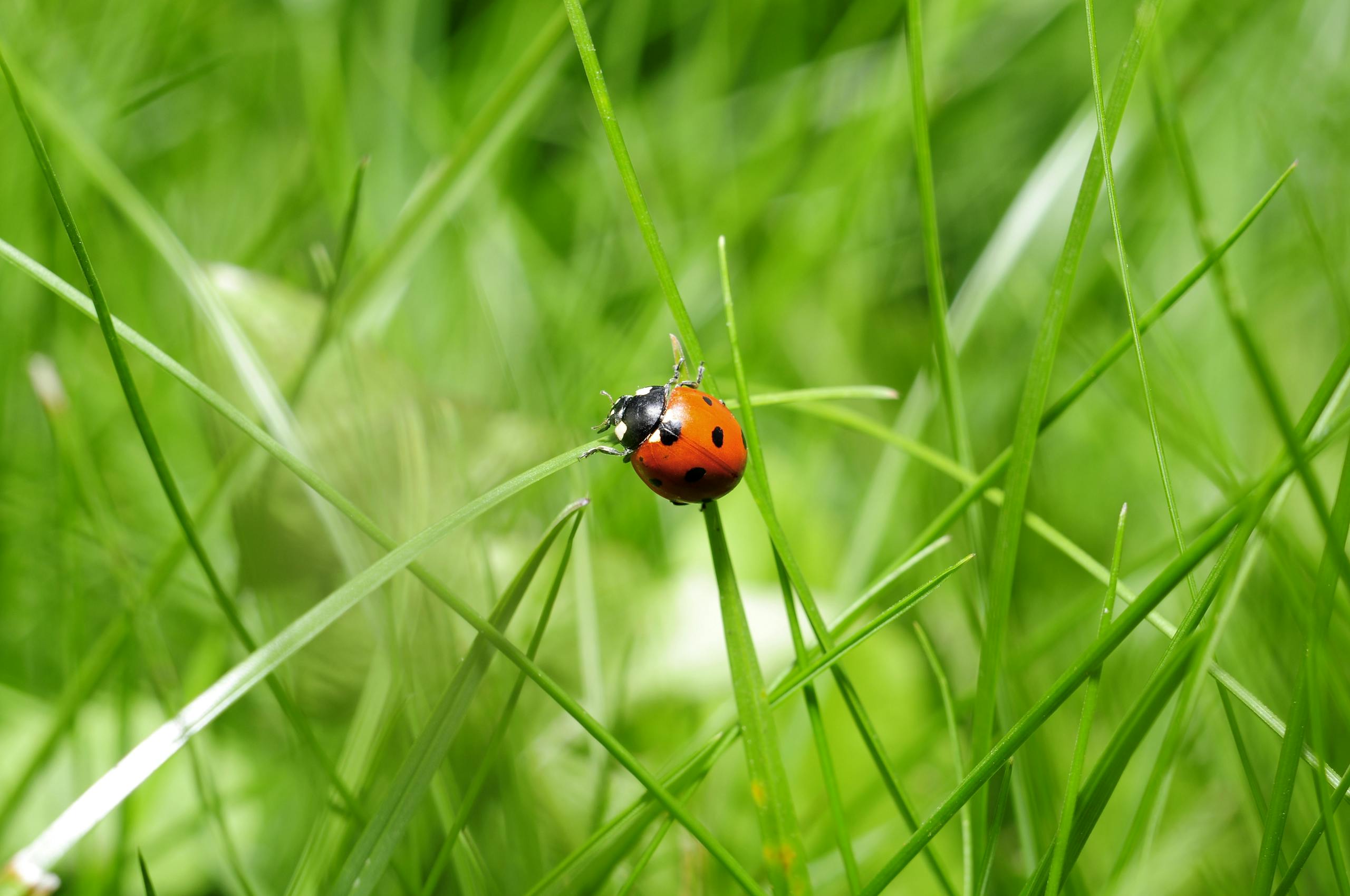
Believe it or not, some bugs are your friends. Ladybugs eat aphids. Green lacewings eat all sorts of soft-bodied pests.
I used to freak out about every tiny bug on my plants. Then I learned to identify the good guys, and now I just let them do their job. It is like having a tiny, free pest control team.
Hand-Picking and Companion Planting
Sometimes, the old ways are the best ways. If you see a few slugs or caterpillars munching on your prize plants, just pick them off.
Also, try companion planting. Marigolds planted near vegetables can deter certain pests. It is a bit like having a bodyguard for your plants.
Go Easy on the Tidying: Embrace the Mess
This might be the hardest one for some gardeners. We like things neat, right? But nature is not always neat.
Leave the Leaves
Those fallen leaves are not trash; they are treasure. They provide insulation for plants, decompose into rich soil, and offer shelter for insects.
I stopped raking every single leaf a few years ago. My garden looks wilder, but it is teeming with activity. My neighbors probably think I am lazy, but I know I am helping the environment.
Don’t Deadhead Everything
Let some of your flowers go to seed. Birds love those seeds, especially in winter. Think of it as a natural bird feeder.
I leave my coneflower heads standing through the winter. The goldfinches absolutely adore them. It is a win-win: food for them, entertainment for me.
Keep the Outdoor Cats Indoors or Contained
I love cats. I really do. But domestic cats are incredibly efficient predators, and they can significantly impact local bird and small mammal populations.
My cat, Mittens, occasionally glares at the birds from the window, and that is as close as she gets. She has a cushy indoor life, full of naps and endless cuddles, and the local wildlife gets to live another day.
Let Go of Perfection
Your wildlife-friendly garden will not look like a pristine botanical display. It will be a bit wilder, a little messier, and infinitely more alive. Embrace the imperfections.
I once obsessed over every weed. Now, if it has a flower and is not choking out my other plants, I might just let it be. Sometimes, a “weed” is just a wildflower in disguise.
FAQ
What types of materials make good nesting sites for birds?
Natural materials such as dried grasses, small twigs, leaves, and even spider webs help birds construct their nests. You can leave piles of such materials in a corner of your garden for them to collect.
How can I deter deer without using harsh chemicals?
You can use strong-smelling plants like marigolds, garlic, or chives which deer tend to dislike. Physical barriers such as fences or netting around specific plants also prove effective.
Is it bad to feed wild animals, like squirrels or raccoons, directly?
Directly feeding some wild animals can make them dependent on humans, leading to potential aggression or a loss of their natural foraging skills. It is generally better to provide natural food sources through your garden plants rather than direct feeding.
What if I have limited space in my backyard?
Even small spaces can be wildlife-friendly. Container gardens with native plants, a small bird bath, or a solitary bee house can make a significant difference. Every bit of green space helps.