What to Know Before Starting a Container Garden
Thinking about growing some green things but you do not have a ton of yard? Container gardening is your friend. You can grow so much in pots, even if you just have a tiny balcony. Let me tell you what I learned so you do not make my first mistakes.
Choosing Your Pots Wisely (Or Not)
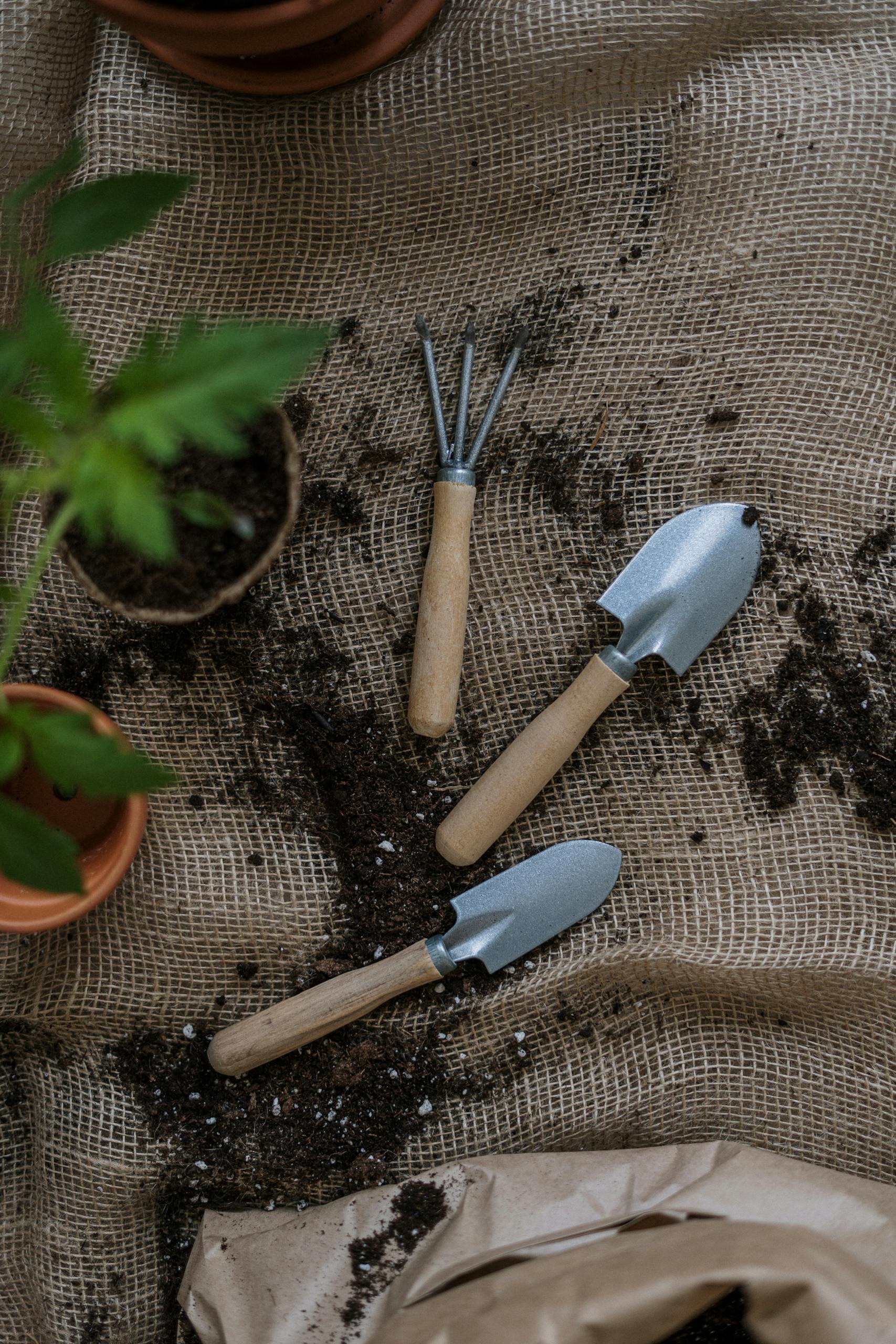
Okay, so you think any old pot will do, right? Nah, not really. The pot you pick actually matters a lot more than you think.
Size Does Matter, Folks
Do not go getting a tiny little pot for your tomato plant. She will outgrow it faster than a kid getting new shoes. Plants need room for their roots to stretch out. Small pots dry out super fast too, which means you water like a maniac.
I remember this one time I tried to grow a cucumber in a pot meant for a marigold. It was a sad, shriveled thing. Lesson learned, bigger is often better, especially for hungry plants.
Material Girl (or Guy)
Pots come in all sorts of stuff. Terra cotta, plastic, ceramic, even fabric bags. They all act a little different.
- Terra Cotta: These look nice, real earthy. They breathe well, which roots like, but holy moly, they dry out so fast. Perfect for succulents, not so much for thirsty herbs in full sun.
- Plastic: Cheap, light, and they hold moisture way better. Not always the prettiest, but super practical. They can get hot in direct sunlight, cooking roots if you are not careful.
- Fabric Grow Bags: These are my secret weapon. They breathe even better than terra cotta, prevent root circling, and you can just fold them up when you are done. They do dry out quicker, so plan on watering more.
- Ceramic/Glazed: Pretty to look at, heavy, and they hold moisture well. Usually more expensive and they can crack in winter if water freezes inside.
Dirt Talk: Potting Mix is Not Garden Soil
Please, I beg you, do not scoop up dirt from your yard and put it in your pots. That stuff is too heavy, compacts, and usually has weed seeds and other unwelcome guests.
The Magic of Potting Mix
Potting mix, often called potting soil, is specially made for containers. It is light, fluffy, drains well but also holds enough moisture for your plant’s roots. It usually has stuff like peat moss, coir, perlite, or vermiculite.
I tried garden soil once in a pot, thinking I was just being resourceful. My tomatoes were stunted, pale, and basically looked like they wanted to give up on life. Never again.
Sunshine: Your Plants’ Favorite Snack
Plants need light, like, a lot of it. You cannot just plop a sun-loving plant into a shady corner and expect miracles.
Know Your Spot
Before you even buy a plant, figure out how much sun your chosen container spot gets. Is it full sun (six-plus hours of direct sun)? Partial sun (four to six hours)? Or shade (less than four hours)?
This is where my sarcastic side kicks in: if you put a sunflower in a dark closet, do not be surprised when it is sad and spindly. It is basic plant logic, people.
Watering Woes and Wins
This is probably the trickiest part for new container gardeners. Too much or too little water kills more plants than anything else.
The Finger Test
Forget fixed schedules. Seriously. Stick your finger about an inch or two into the soil. If it feels dry, water. If it feels moist, wait. Simple as that.
Also, make sure your pots have drainage holes. If water just sits there, your plant’s roots will drown faster than a fish in a bathtub. (Wait, that metaphor is backwards. You get it.)
When to Water
I usually water early in the morning. It gives the plants time to drink up before the heat of the day, and it helps prevent fungal diseases that pop up in standing water at night. On super hot summer days, I sometimes water twice.
Feeding Your Hungry Plants
Plants in containers use up nutrients faster than those in the ground. You are their only food source.
Fertilizer is Your Friend
Most potting mixes come with a little bit of food, but it wears out after a few weeks. You will need to fertilize regularly, usually every week or two, with a diluted liquid fertilizer.
Do not go crazy with the fertilizer, though. More is not better; it can actually burn your plants. Always read the label. I once totally ignored the directions and gave my basil such a strong dose, it wilted and died in like an hour. Whoops.
Picking the Right Plants for Pots
Not every plant loves container life. Some just prefer to spread out in the ground.
Good Container Candidates
Here are some things that generally do well in pots:
- Herbs like basil, mint, rosemary, thyme, oregano.
- Leafy greens like lettuce, spinach, kale.
- Bush varieties of tomatoes and cucumbers.
- Peppers, eggplants, small squash types.
- Strawberries.
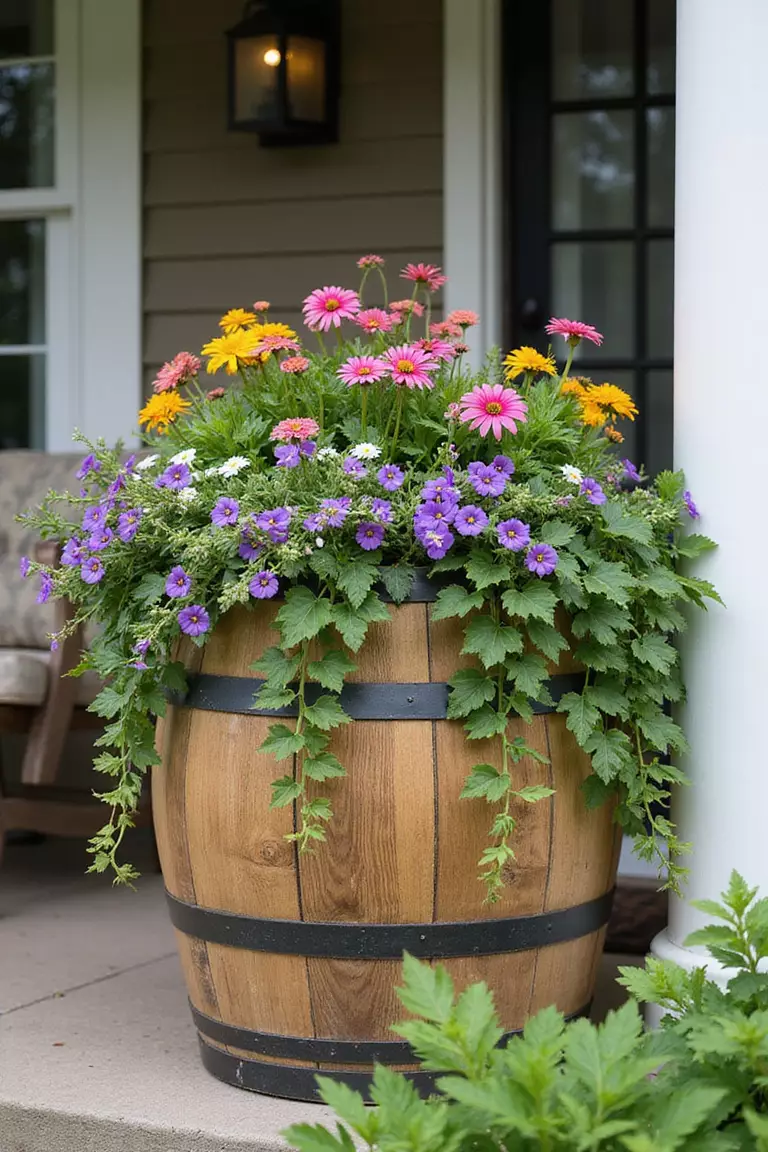
- Most flowers like petunias, marigolds, zinnias.
Consider Companions
You can even plant different things together in a bigger pot. Just make sure they like the same amount of sun and water. For example, basil and tomatoes are a classic pairing. They both love sun and need similar watering.
I made this lovely grouping of succulents and a thirsty fern once. It was a disaster. One was perpetually soggy and the other was crispy. Learn from my bad ideas.
Pest Patrol and Plant Problems
Even in containers, you will deal with some bugs or sick plants. It is just part of gardening.
Scout Regularly
Walk around your container garden a few times a week. Look under leaves. Check stems. Catching issues early makes them easier to handle.
Simple Solutions
Often, a strong spray of water can knock off aphids. For really stubborn pests, I use insecticidal soap. Healthy plants can fight off quite a bit on their own.
| Common Plant Problem | Sign | Likely Cause | Quick Fix |
|---|---|---|---|
| Yellowing Leaves | Leaves losing green color, often starting at bottom. | Nutrient deficiency (nitrogen) or overwatering. | Provide balanced liquid fertilizer or check soil moisture. |
| Wilting | Plant looks droopy, even if soil is moist. | Underwatering, root rot from overwatering, or extreme heat. | Check soil moisture deeply. If dry, water. If soggy, improve drainage. Move to shadier spot if too hot. |
| Small, Stunted Growth | Plant is not getting bigger, looks weak. | Lack of nutrients, too small a pot, or not enough sun. | Fertilize, repot to larger size, or move to sunnier spot. |
Starting a container garden is super rewarding. You get fresh food or beautiful flowers, and you do not need acres of land. Just start small, learn as you go, and do not be afraid to make a few mistakes. That is how you learn!
Frequently Asked Questions
Is container gardening hard for a beginner?
Not at all! It is quite forgiving for newbies because you have more control over the soil and water than in a large garden bed. Start with easy plants like herbs or lettuce to build confidence.
How often do I need to water container plants?
This depends a lot on the plant, pot size, material, and weather. A good rule is to stick your finger into the soil about an inch or two deep; if it feels dry, water your plant thoroughly until water drains from the bottom.
Can I use regular garden soil in my pots?
No, please do not! Garden soil is too dense for containers; it compacts easily and suffocates roots. Always use a good quality potting mix specifically designed for container gardening.
What are the best vegetables for container gardening?
Many vegetables thrive in pots, especially bush or compact varieties. Good choices include tomatoes (bush types), peppers, lettuce, spinach, radishes, carrots (short varieties), and many herbs like basil and mint.