How to Choose the Best Outdoor Lighting for Your Garden and Patio
So, you want to make your garden and patio sparkle after dark, huh? Good idea! You are not just adding light; you are crafting an atmosphere. Let us talk about transforming your outdoor living space from ‘meh’ to ‘marvelous,’ without tripping over any wires or blowing a fuse.
Understanding Your Outdoor Lighting Needs
Before you buy a single light bulb, you really ought to think about what you want your lights to do. Are you trying to scare away gnomes, or just make it so you do not fall face-first into your prize-winning petunias? Different lights do different jobs, you know.
Task Lighting Versus Mood Lighting
You have got two main types of lighting chores for your outdoor space. One makes it so you can see where you are going, and the other just makes everything look pretty.
Task lighting is like your diligent friend who always points out the steps you are about to miss. It illuminates pathways, stairs, and maybe that BBQ area where you always burn the hot dogs. You need brightness here, not subtlety.
Mood lighting, on the other hand, just wants to create a vibe. It is soft. It is whimsical. It makes your garden look like it is posing for a magazine. Think subtle glows, dappled shadows, and a general feeling of ‘ahhh, this is nice.’
Choosing the Right Fixtures and Styles
Okay, you got the why. Now, let us get to the how. What kinds of lights are going to make your space sing? There is a whole world of outdoor light fixtures out there, my friend.
Pathway Lighting
You really do not want your guests taking an unplanned detour through your flowerbeds, do you? Pathway lights keep everyone on the straight and narrow.
- Bollard Lights: These are little pillars of light that stand along your path. They look neat and direct light downwards, which is sensible.
- Solar Path Lights: Super easy to install. Just stick them in the ground. They charge all day and glow at night. I love how simple they are, but their brightness can sometimes be a bit, well, modest.
- Low-Voltage Spotlights: You can aim these to highlight specific parts of your path. Flexible, but they do need a bit more wiring work.
Accent Lighting for Garden Features
Got a cool statue, a particularly bushy fern, or a water feature you spent way too much money on? You should show it off! Accent lighting makes your garden’s best bits pop.
- Up-lighting: You aim these lights upwards from the ground to highlight trees, walls, or architectural features. It gives a dramatic effect.
- Spotlights: Similar to up-lighting, but you can adjust their beam angle for more focused illumination. I use these to make my weeping willow look extra mysterious.
- In-ground Lights: These sit flush with the ground, perfect for subtle illumination of pathways or planting beds without being obtrusive.
Patio and Deck Lighting
This is where the magic happens, where you will spend those lovely evenings sipping whatever delightful beverage you prefer. You want this area to feel inviting, like a big, warm hug.
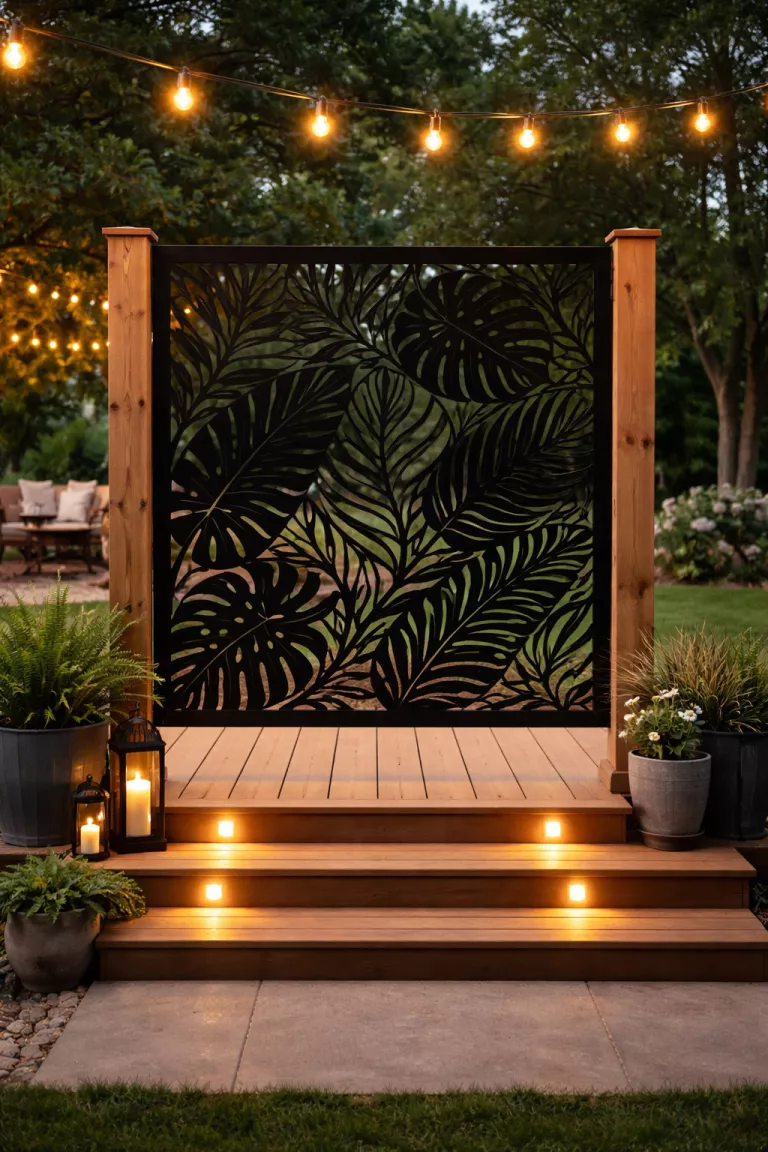
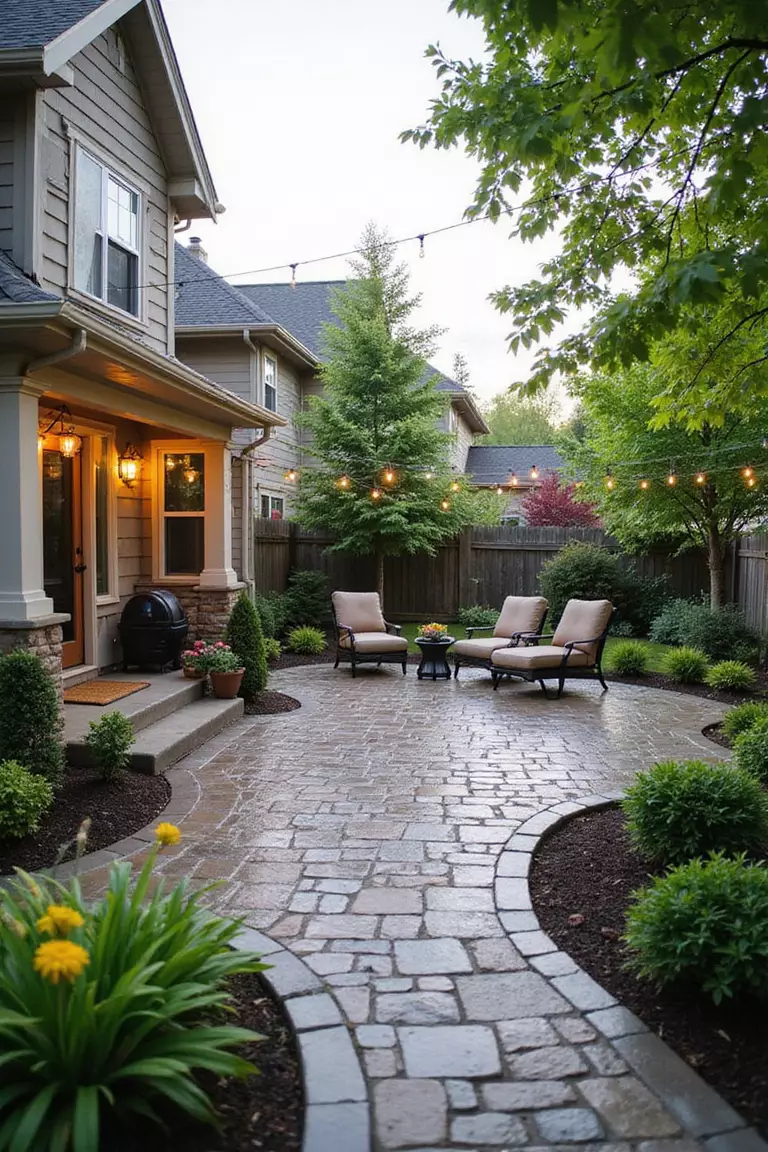
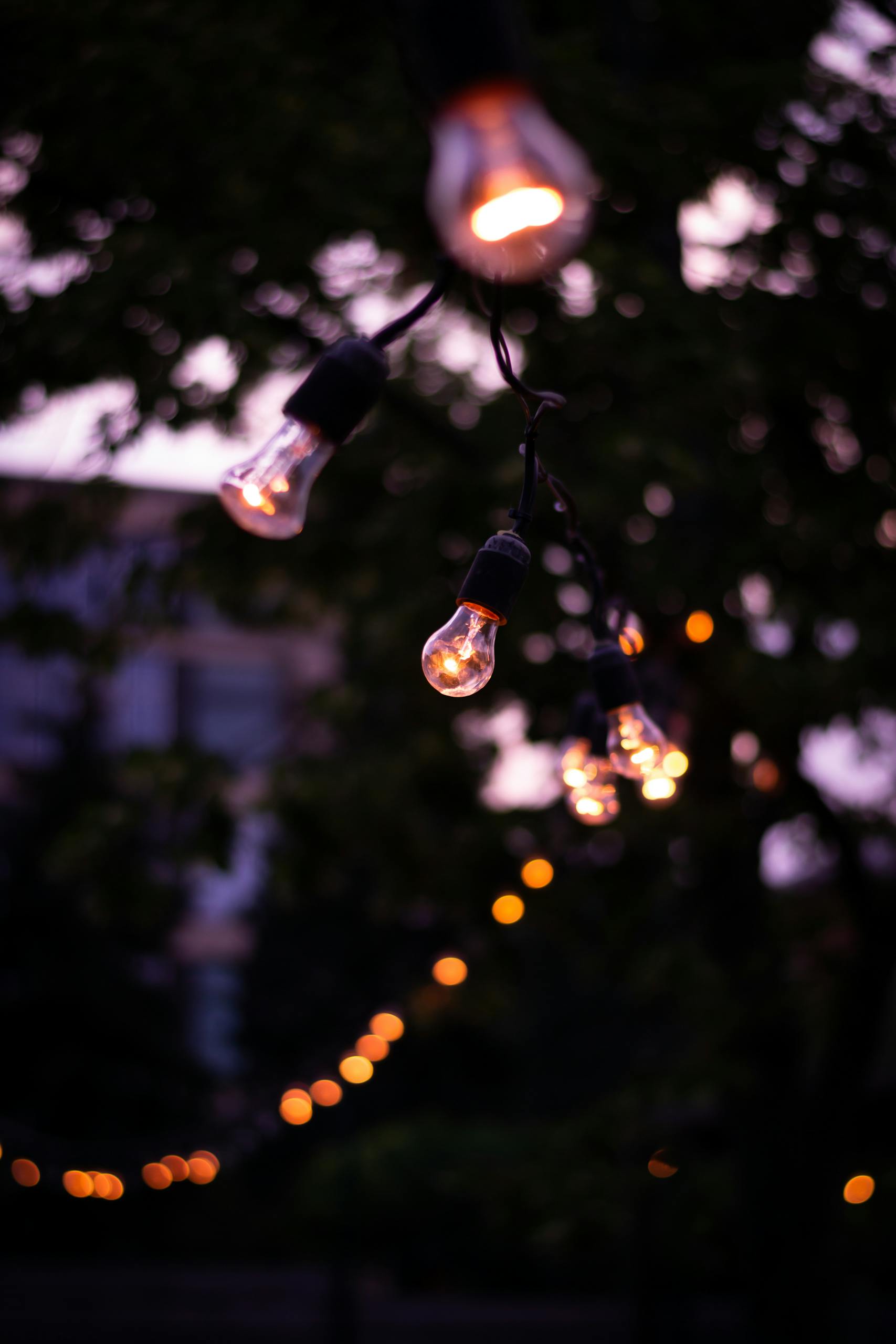
- String Lights: Oh, how I adore string lights! They add instant festivity and a warm, inviting glow. Drape them around, hang them above your seating area; they make everything look charming.
- Wall Sconces: Mount these on your house or patio walls. They provide ambient light and look quite elegant. Make sure they are rated for outdoor use, obviously.
- Deck Post Lights: These sit on top of your deck posts, casting a gentle glow downwards. They define your deck perimeter nicely.
Security Lighting
Nobody wants uninvited guests, except maybe a friendly neighborhood squirrel. Security lighting keeps the baddies away and helps you see what is going bump in the night.
- Motion-Sensor Lights: These are brilliant. They only come on when something moves, saving energy and scaring off anything that tries to creep around. I feel safer with these.
- Floodlights: They cast a wide, bright beam. Perfect for illuminating larger areas like driveways or the side of your house. Just do not blind your neighbors with them.
Power Sources and Installation Tips
Choosing the lights is one thing; getting them to work is another. You have options here, each with its own quirks.
Low-Voltage Systems
I really like low-voltage systems. They are safer and easier to install than line-voltage ones. You need a transformer to convert your household current to a lower voltage, typically 12V.
You can run the wires yourself. Just remember to bury them deep enough so you do not accidentally hit them with a shovel when you are planting new flowers. Trust me on this one; I speak from experience.
Solar-Powered Lighting
For ultimate ease, solar lights are king. They operate totally independently, soaking up sun during the day and glowing when the sun goes down.
The main downside? They depend on good sunlight. On cloudy days, they might be a bit dim. And sometimes, they just stop working for no apparent reason. It is like they just decide to retire early.
Line-Voltage Lighting
This is your standard household electricity. It is powerful and reliable, but it needs professional installation. You are dealing with 120V here, and messing with that yourself is generally a bad idea unless you are a qualified electrician. Please, just do not.
Smart Lighting and Automation
Are you a tech-savvy gardener? Good! You can make your outdoor lighting smart. It is pretty cool, actually.
Controlling Your Lights
You can get systems that let you control your lights from your phone, schedule them to turn on at sunset, or even change their color. Imagine a garden party with lights changing colors to match the mood!
Some systems even integrate with voice assistants. “Hey Alexa, make my patio glow!” Sounds fancy, right? It makes managing your garden lights much easier.
Choosing the Right Color Temperature
This is where it gets a little artsy. The color of your light really changes the feel of your outdoor space. It is not just about brightness; it is about warmth or coolness.
Warm White Versus Cool White
Light color is measured in Kelvins (K). Lower Kelvin numbers mean warmer light, higher numbers mean cooler light.
For a cozy, inviting feel, you want warm white light. Think 2700K to 3000K. It is like the glow of a warm campfire or candlelight. Perfect for patios and relaxation zones.
Cool white light (4000K to 5000K) is brighter and more bluish. It is good for task lighting or security because it makes things look clearer and sharper. It feels a bit more modern, too.
| Kelvin (K) | Appearance | Best Use |
|---|---|---|
| 2200K – 2700K | Very Warm White | Cozy ambiance, romantic settings |
| 2700K – 3000K | Warm White | Patios, decks, general garden lighting |
| 3500K – 4000K | Neutral White | Activity areas, cooking spaces |
| 4000K – 5000K | Cool White | Security lighting, task areas |
Maintenance and Durability for Garden Lighting
You put all this effort into getting the lights, so you want them to last. Outdoor conditions are harsh, you know. Rain, sun, mischievous squirrels – they all take a toll.
Weather-Resistant Fixtures
Always choose fixtures specifically rated for outdoor use. Look for an IP (Ingress Protection) rating. The higher the numbers, the better protected the fixture is against dust and water.
I always look for metal fixtures over plastic ones; they just feel sturdier. And do not forget to clean them periodically; dust and grime can really dull their shine.
LED Technology
LEDs are your best friend here. They use less energy, last way longer than traditional bulbs, and do not get nearly as hot. You will save money on electricity bills and you will not have to change bulbs nearly as often.
I have some LED lights that have been going strong for years now. They are a bit more expensive upfront, but they totally pay for themselves in the long run. My wallet thanks me.
Designing Your Lighting Layout
This is where you get to be an artist. You are not just slapping lights down; you are crafting a nocturnal landscape.
Layering Your Lights
Think about creating layers of light. Start with some general ambient lighting, then add task lighting where needed, and finally, sprinkle in some accent lighting to highlight your favorite features.
It is like painting with light, really. You want depth and interest, not just a flat wash of brightness. Experiment a bit. I often move my portable spotlights around until I find the perfect angle.
Considering Shadows
Shadows are just as important as light. They add drama and definition. Do not be afraid to leave some areas in shadow; it creates mystery and makes the lit areas stand out more.
The interplay of light and shadow makes your garden come alive after dark. It is a subtle art, but oh so rewarding when you get it right.
Budgeting for Your Outdoor Lighting Project
Let us be real, lighting can get expensive quickly. But you do not have to break the bank to light up your space.
Prioritizing Your Needs
Decide what is most important to you. Do you need security more than ambiance? Or is looking pretty your absolute top priority? Focus your budget there first.
You can always start small and add more lights later. My patio lighting started with just a few string lights, and now it is a glorious wonderland. It truly is a journey.
DIY Versus Professional Installation
If you are handy and going with low-voltage or solar, you can totally do it yourself and save some cash. There are tons of tutorials online, and it is really not that hard once you get the hang of it.
For anything needing line-voltage, hire a pro. Seriously. The cost is worth the peace of mind knowing you will not electrocute yourself or burn down your house.
Final Thoughts on Lighting Up Your Outdoor Space
You should not rush this process. Take your time, experiment, and have some fun with it. Your garden and patio are extensions of your home, and they deserve to be just as beautiful after the sun goes down. Now, go forth and make your outdoor space shine!
Frequently Asked Questions
Can I mix different types of outdoor lights?
Yes, you absolutely can and should mix different types of outdoor lights. Combining various fixtures like pathway lights, spotlights, and string lights creates a layered and dynamic lighting design for your garden and patio.
How do I know if an outdoor light fixture is waterproof?
You can check the IP (Ingress Protection) rating on the light fixture’s packaging or specifications. An IP rating usually has two numbers, with higher numbers indicating better protection against dust and water, making it suitable for outdoor conditions.
Do solar lights work in winter?
Solar lights can work in winter, but their performance might be reduced due to shorter daylight hours and less intense sunlight. They may not charge as fully as in summer, leading to dimmer or shorter illumination times.