19 Flower Garden Ideas
Stop staring at your empty yard and wishing for magic. If you want a stunning outdoor space that makes your neighbors jealous, you need these 19 Flower Garden Ideas to kickstart your creativity. You can transform your patch of dirt into a masterpiece today.
Cottage Garden Overflow
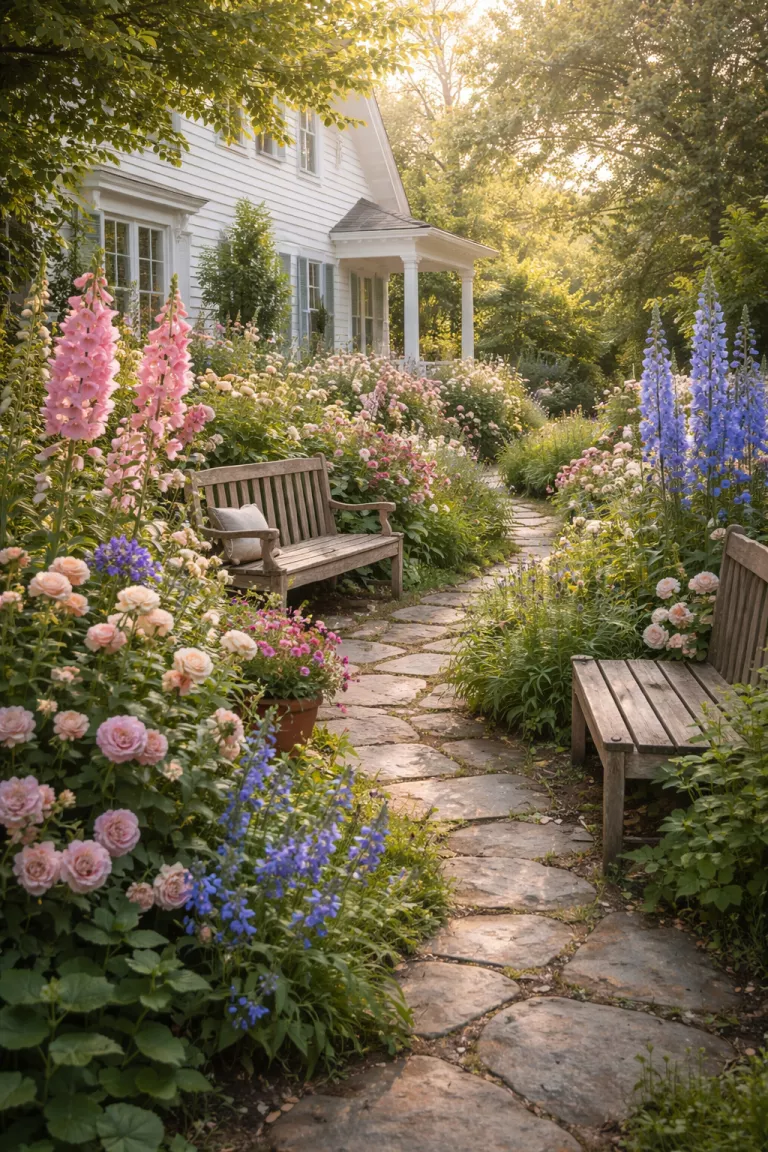
You can capture that romantic, untamed feeling by packing your beds with foxgloves, delphiniums, and roses.
This informal style thrives on density, so do not worry about perfect rows.
Place your tallest stems at the back and tuck low growers like pansies along the edges.
Winding stone paths and hidden wooden benches invite you to sit and watch the bees.
Choosing varieties that bloom at different times ensures your garden stays colorful from early spring until the first frost hits.
Vertical Flower Walls
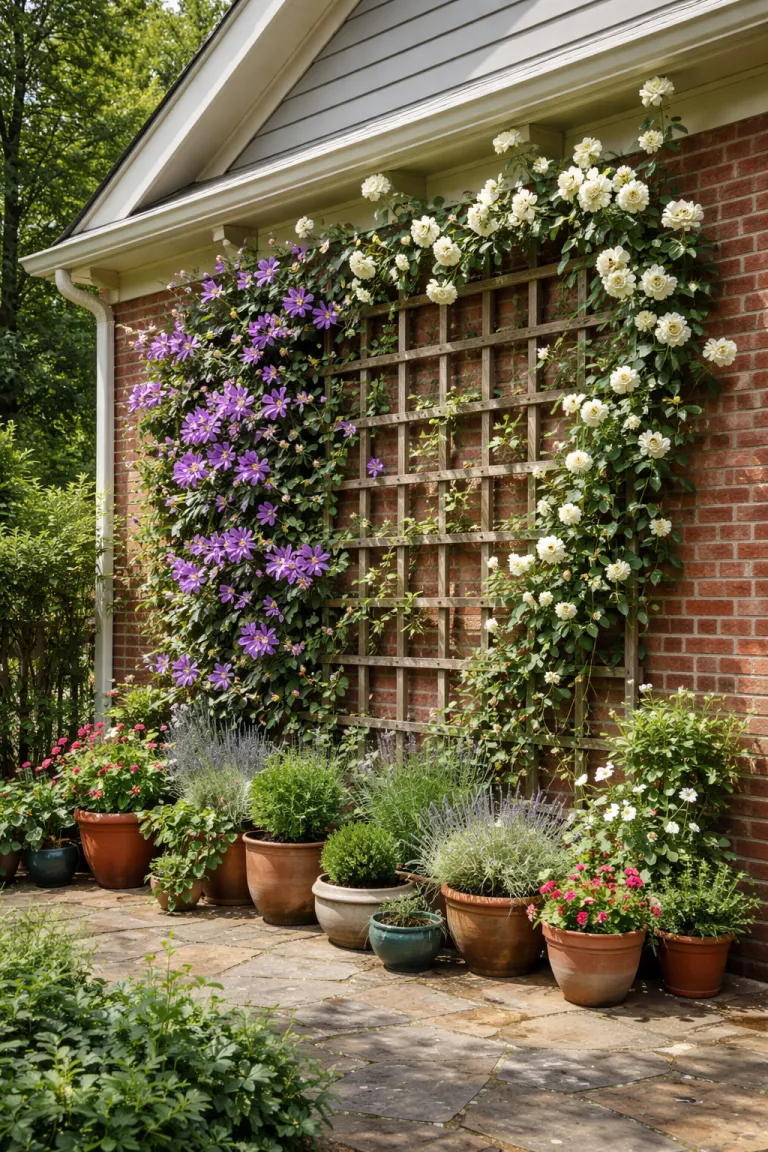
Small spaces do not have to limit your floral ambitions when you start growing upward.
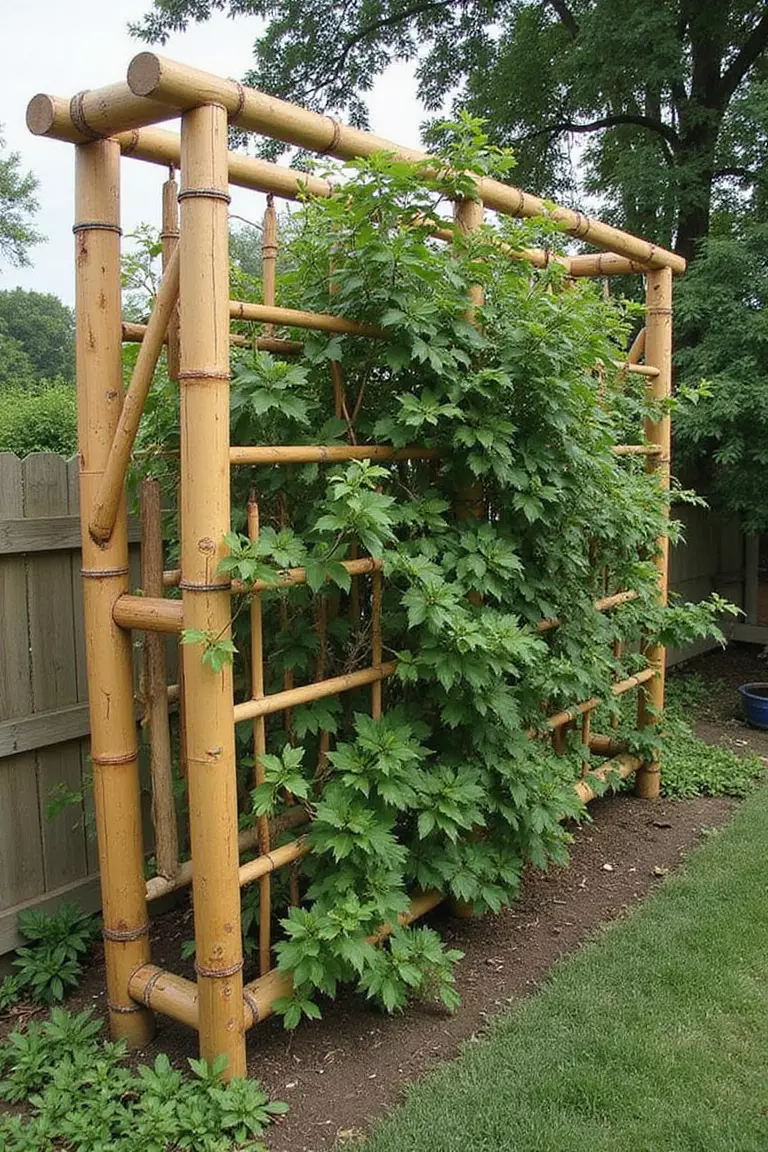
Install a trellis or wall pockets to host climbing roses and clematis.
These vertical displays add depth to your patio and hide ugly fences.
You must provide strong support for heavy bloomers as they climb toward the sun.
Consistent watering is vital because wall planters dry out faster than the ground.
These living walls turn a cramped corner into a lush, private sanctuary for relaxation.
Container Garden Clusters
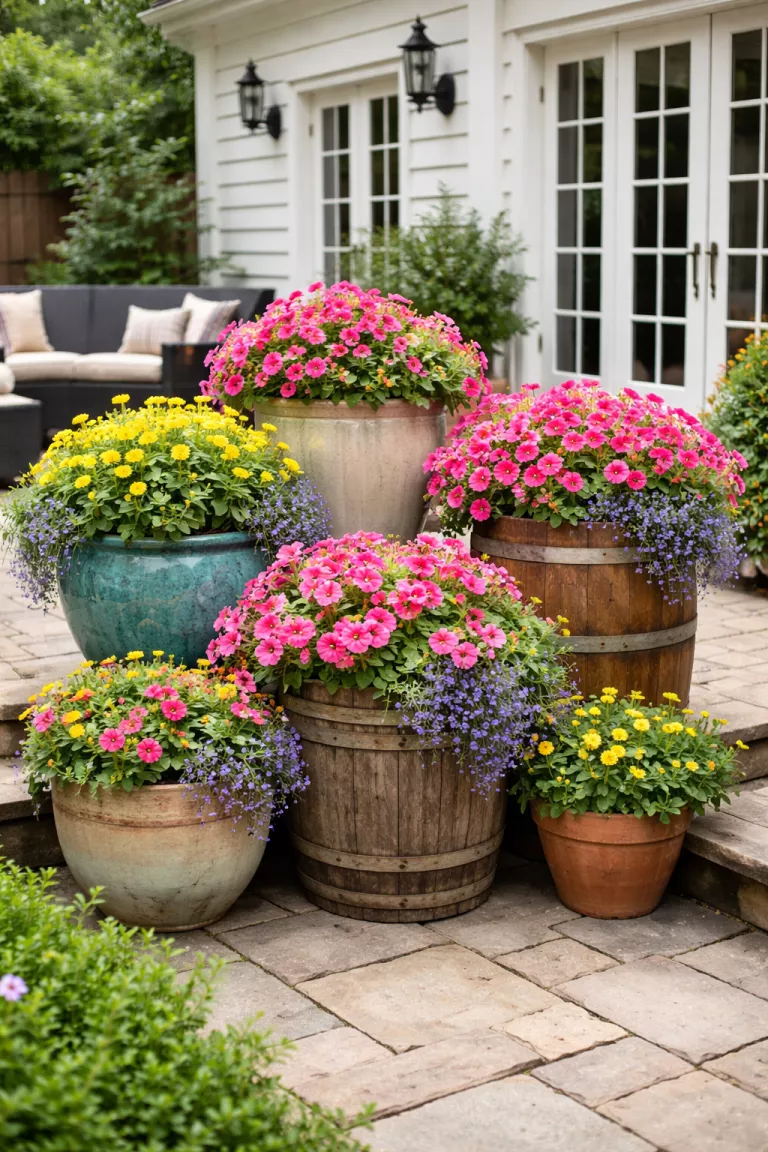
If you enjoy changing your mind, pot gardening offers the ultimate flexibility.
Group mismatched barrels and ceramic pots together to create a focal point on your porch.
You can mix vibrant zinnias with trailing lobelia for a waterfall effect.
Use high quality soil and ensure every pot has drainage holes to prevent soggy roots.
Repurposing old wheelbarrows or wooden crates adds a rustic charm to your display.
This method allows you to move plants around to follow the shifting sunlight.
Raised Bed Retreats
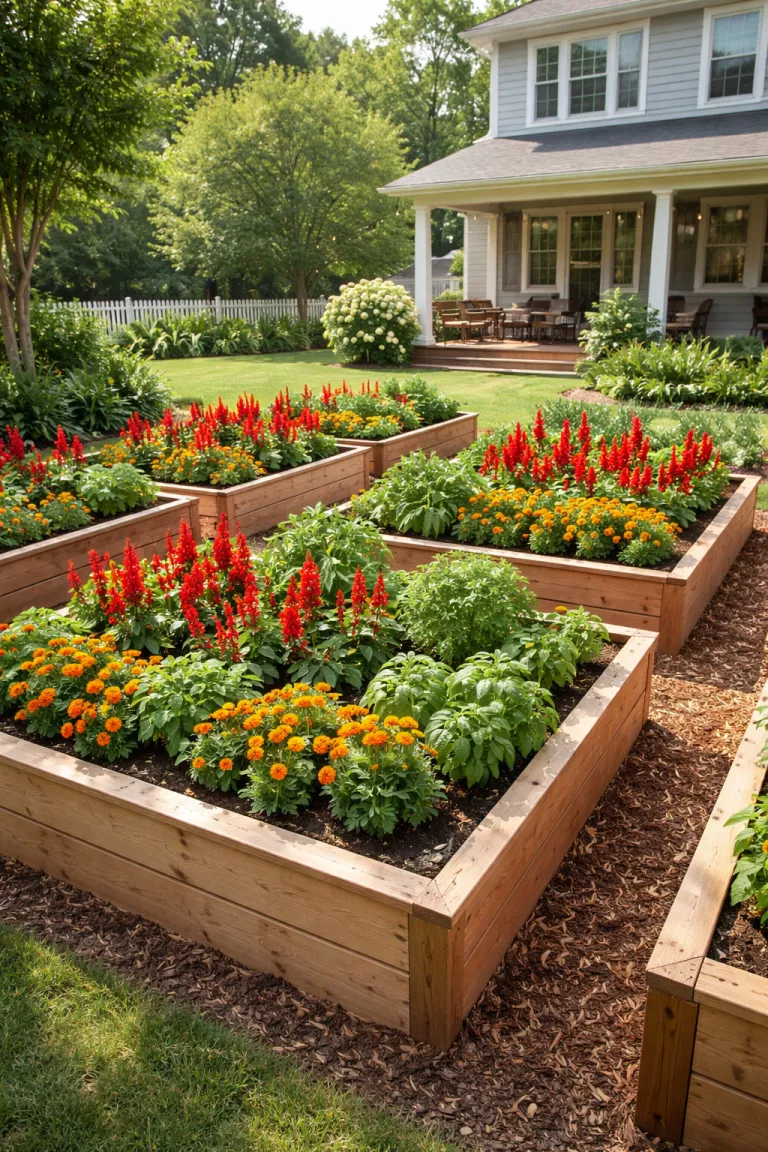
Building raised beds out of cedar or stone saves your back and gives you total control over the soil quality.
These structures keep aggressive weeds at bay and prevent rabbits from snacking on your hard work.
Try interplanting marigolds with your favorite herbs to naturally deter pests.
The extra height provides a clean look that defines different areas of your yard.
You will find that these beds warm up faster in the spring, giving your flowers a head start on the season.
Wildflower Meadow Magic
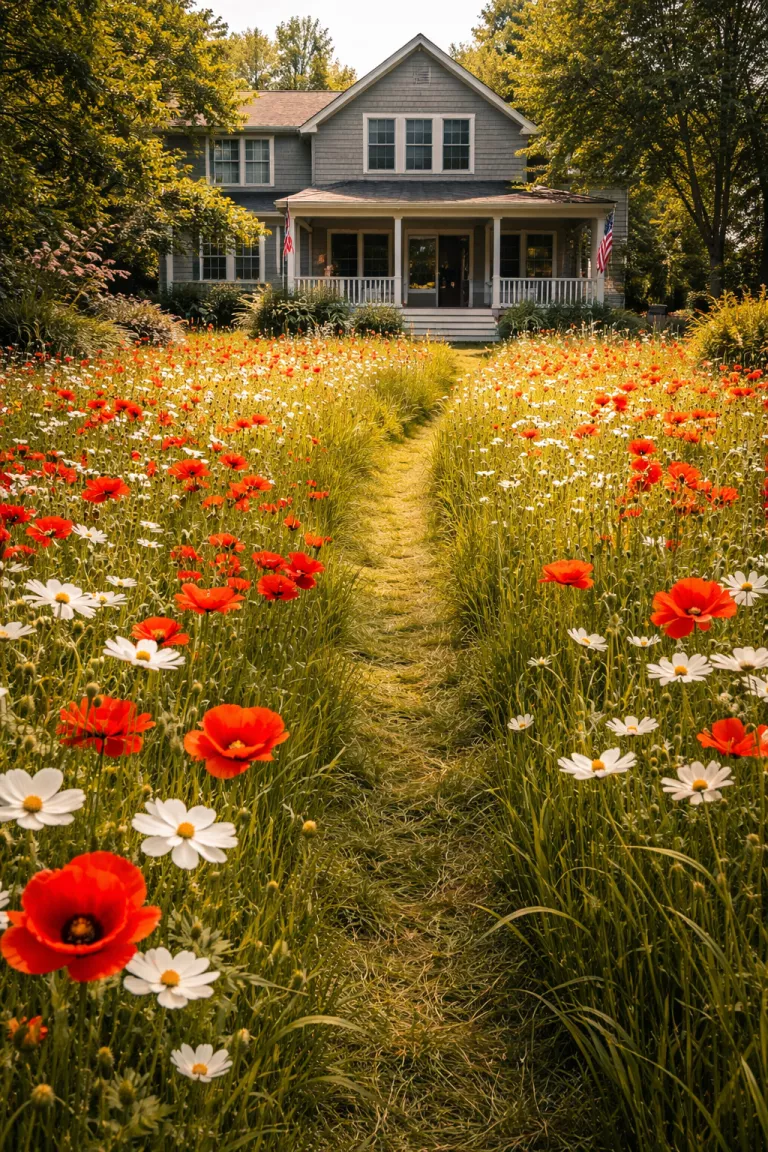
Throw away your lawnmower and embrace a more natural aesthetic with a wildflower meadow.
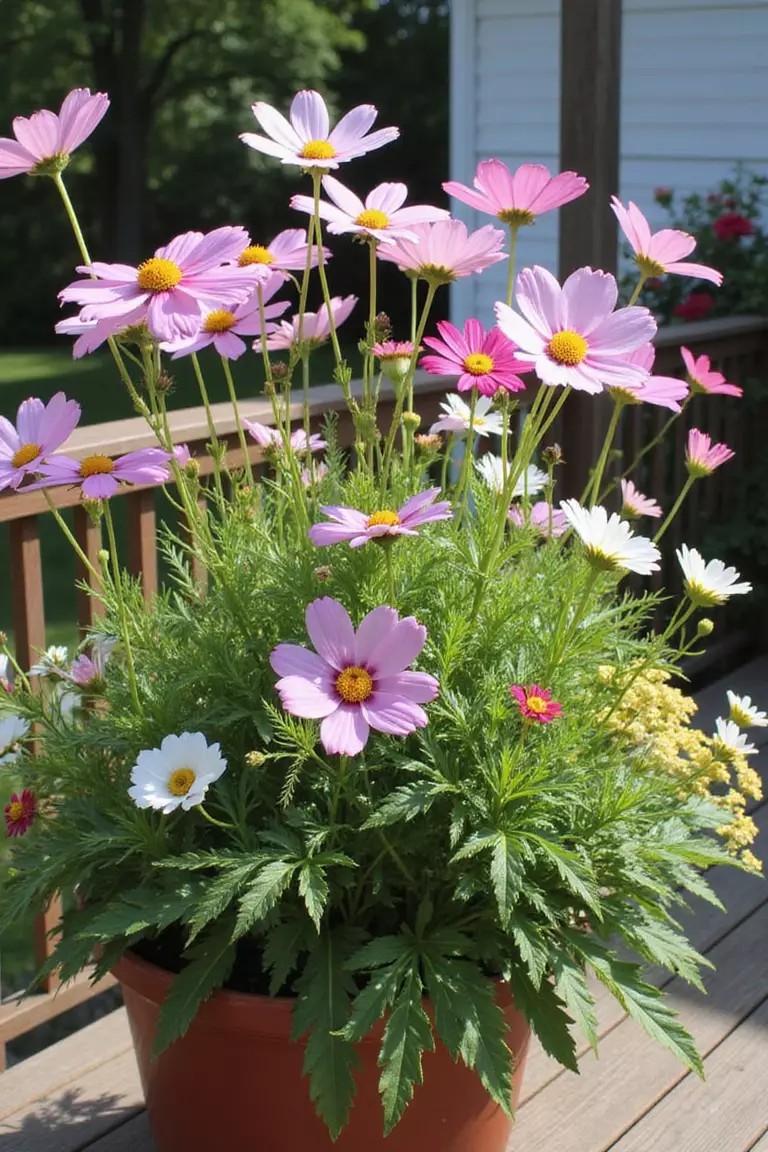
Seeding poppies and cosmos creates a colorful tapestry that requires very little maintenance once established.
You only need to mow this area once a year to keep it healthy.
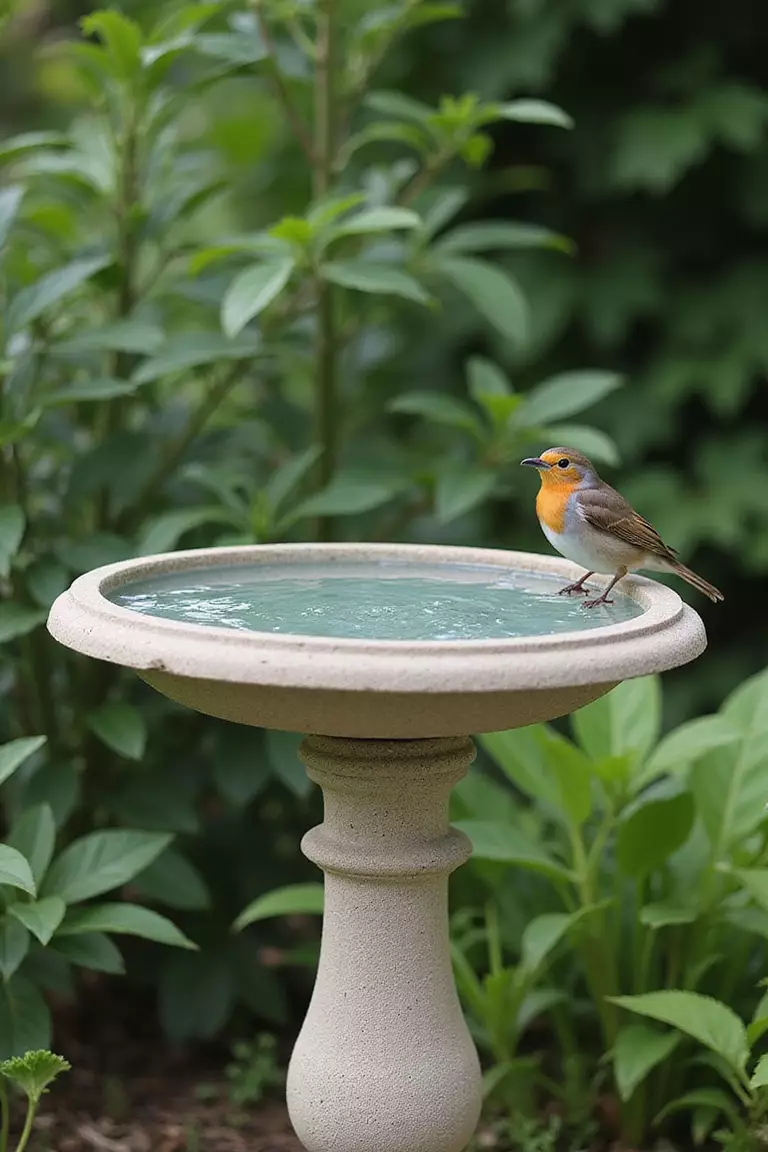
This approach supports a massive range of local insects and birds while reducing your water usage.
Native seeds often resist local diseases better than fancy hybrids, making your garden resilient against unpredictable weather and heat waves.
Shade Garden Sanctuary
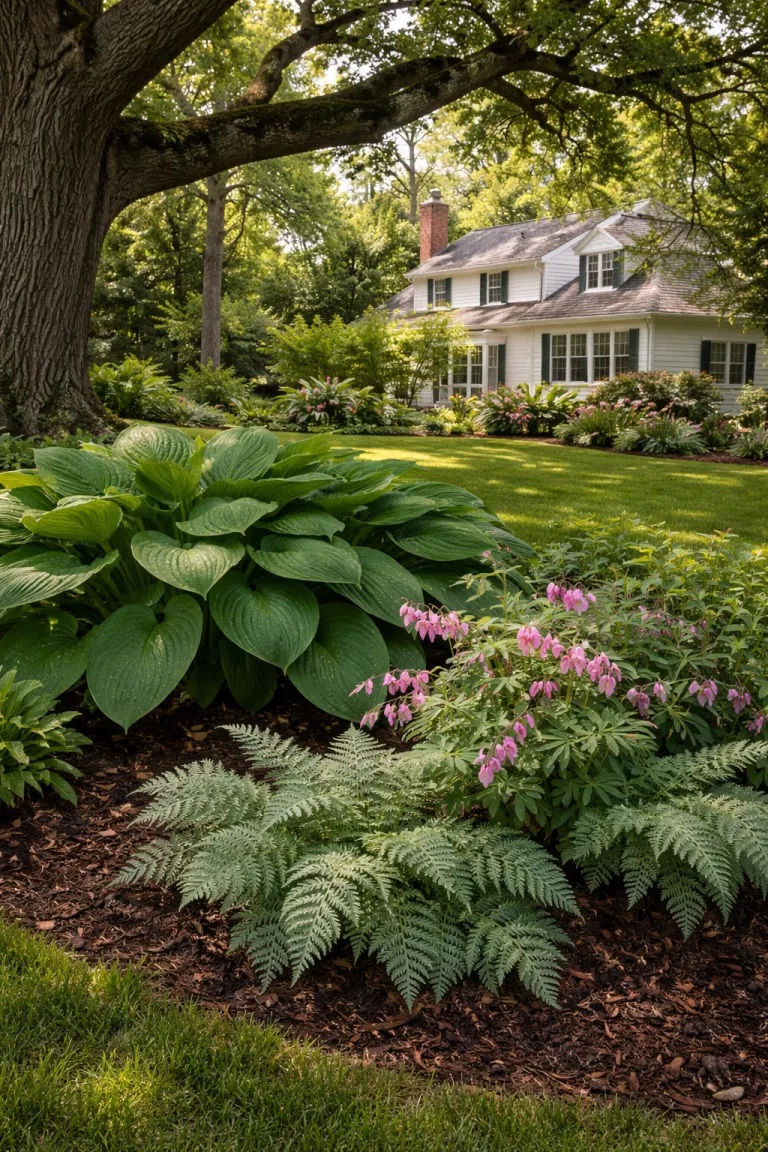
Do not let a lack of sun stop you from gardening in those dark corners under your trees.
Hostas, astilbe, and ferns love the shade and offer a variety of textures.
You can brighten up these dim areas by planting white impatiens that seem to glow at dusk.
Adding reflective mulch or light colored stones helps bounce what little light exists onto the foliage.
These cool spots often become the most comfortable places to sit during the peak of summer heat.
Sunny Perennial Border
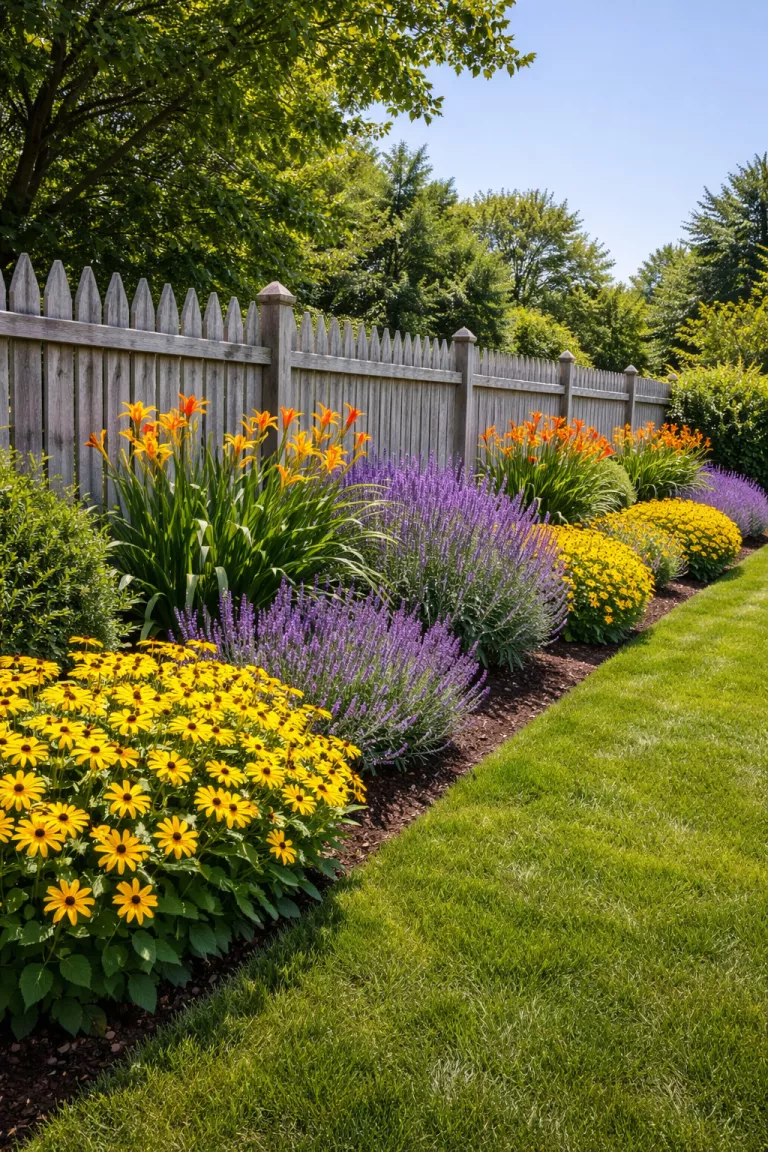
Design a classic border by grouping long blooming perennials like lavender and black eyed Susans.
Planting in odd numbers like three or five creates a more natural look than single plants.
You should deadhead spent blooms regularly to encourage the plants to produce even more flowers.
These hardy varieties return every year, saving you money and effort over time.
Every few years, you can divide the roots to create new plants for free, expanding your garden for zero cost.
Rainbow Color Wheel Garden
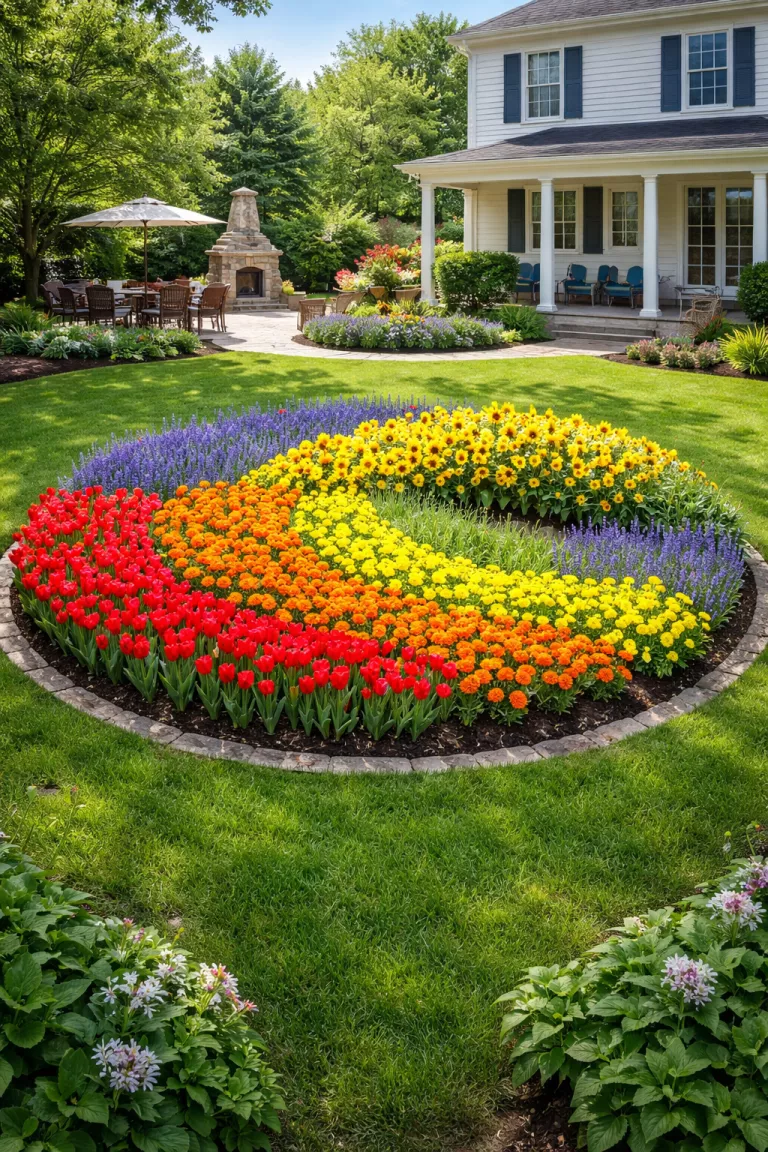
Organize your flower bed like a giant prism by arranging plants in sections of the color wheel.
You can start with bold reds and oranges, then transition into soothing blues and purples.
This structured approach makes your garden look professional and intentional rather than cluttered.
Use red tulips for a spring burst and switch to salvias for summer height.
Understanding basic color theory helps you select plants that complement each other perfectly, creating a visual harmony that delights the eye.
Monochromatic Elegance
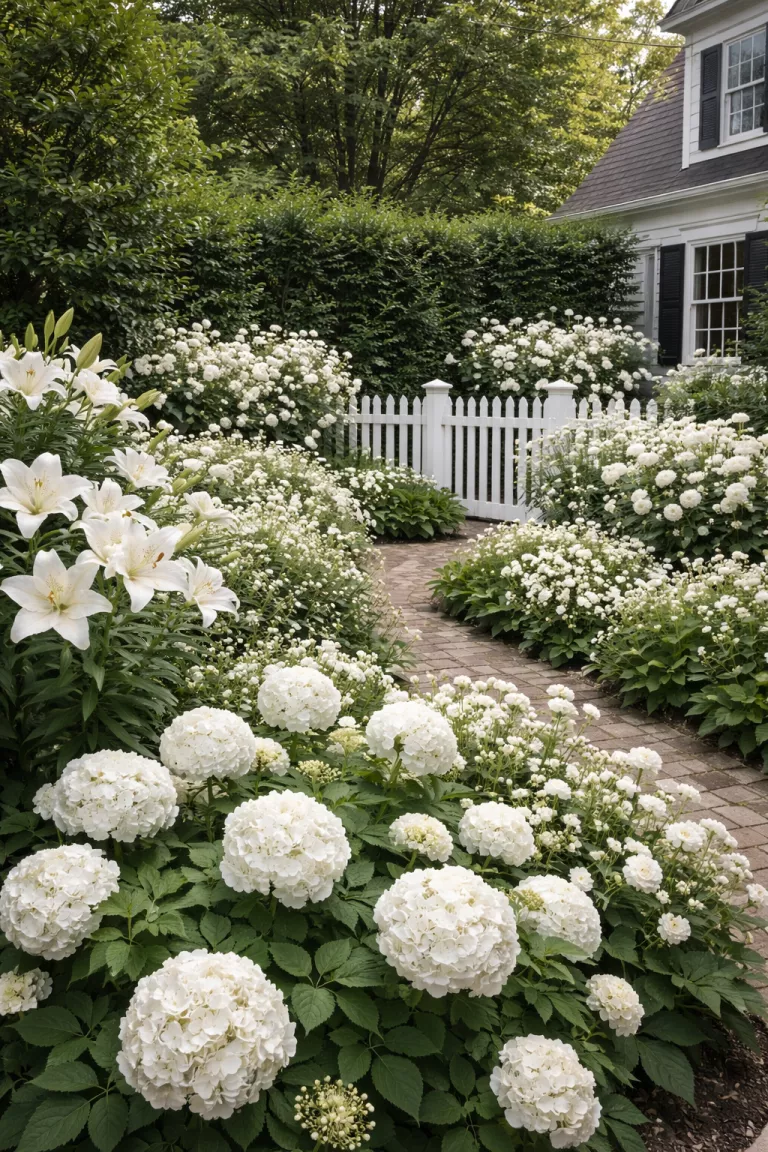
Focusing on a single color creates a sophisticated and calming atmosphere in your outdoor space.
An all white garden, often called a moonlight garden, reflects the light of the moon beautifully at night.
You can mix different textures and heights, such as spiked alliums and velvety roses, to keep the look interesting.
This strategy simplifies your shopping trips since you only look for one hue.
If you choose blue, remember that soil pH can sometimes shift the color toward purple or pink.
Cut Flower Production Patch
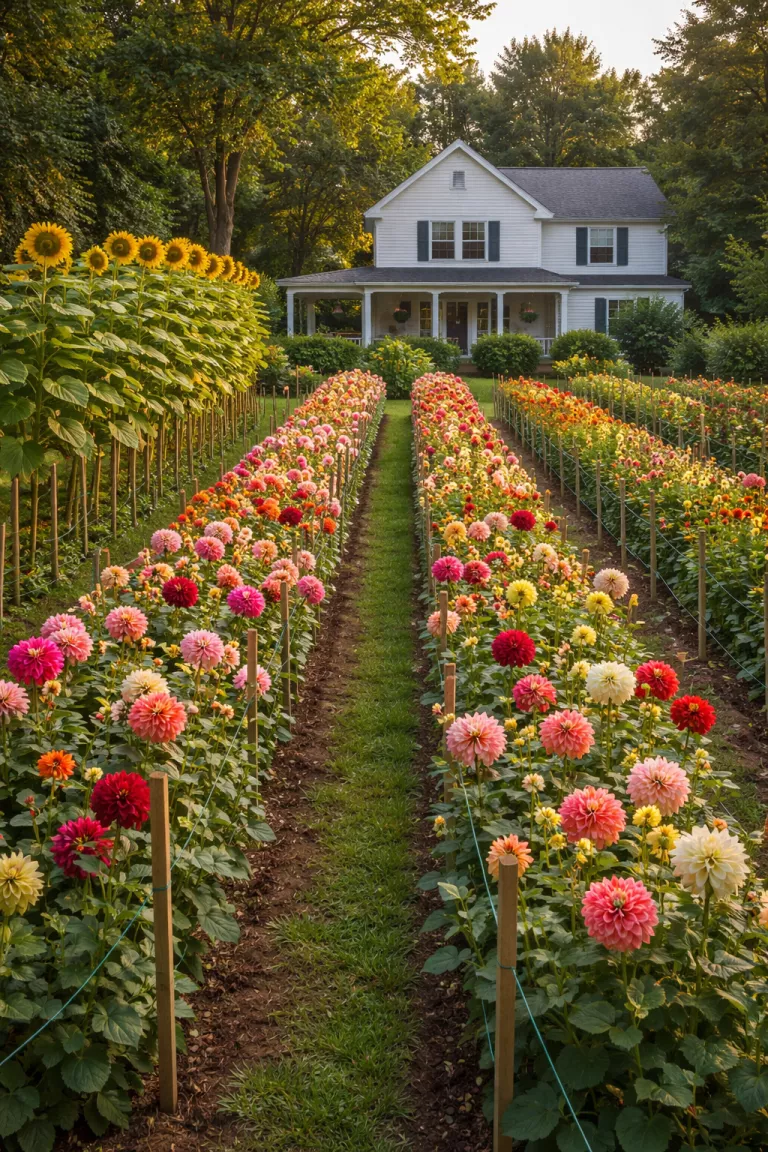
If you love having fresh bouquets on your kitchen table, dedicate a space specifically for harvesting.
Plant zinnias, dahlias, and sunflowers in efficient rows with wide paths for easy access.
You should sow seeds every few weeks to ensure a steady supply of blooms all summer long.
Staking your plants prevents the wind from snapping the heavy flower heads.
Cutting the flowers often actually encourages many varieties to grow back even thicker, so feel free to harvest as much as you want.
Spring Bulb Spectacular

Plan ahead for the end of winter by burying bulbs in the fall.
Mass planting tulips and daffodils creates a high impact display that signals the start of the growing season.
You can layer bulbs at different depths in the same hole to get a succession of blooms throughout the spring months.
Protect your investment from hungry squirrels by covering the area with a bit of wire mesh.
These hardy flowers often spread on their own, becoming more impressive every year.
Rock Garden Retreat
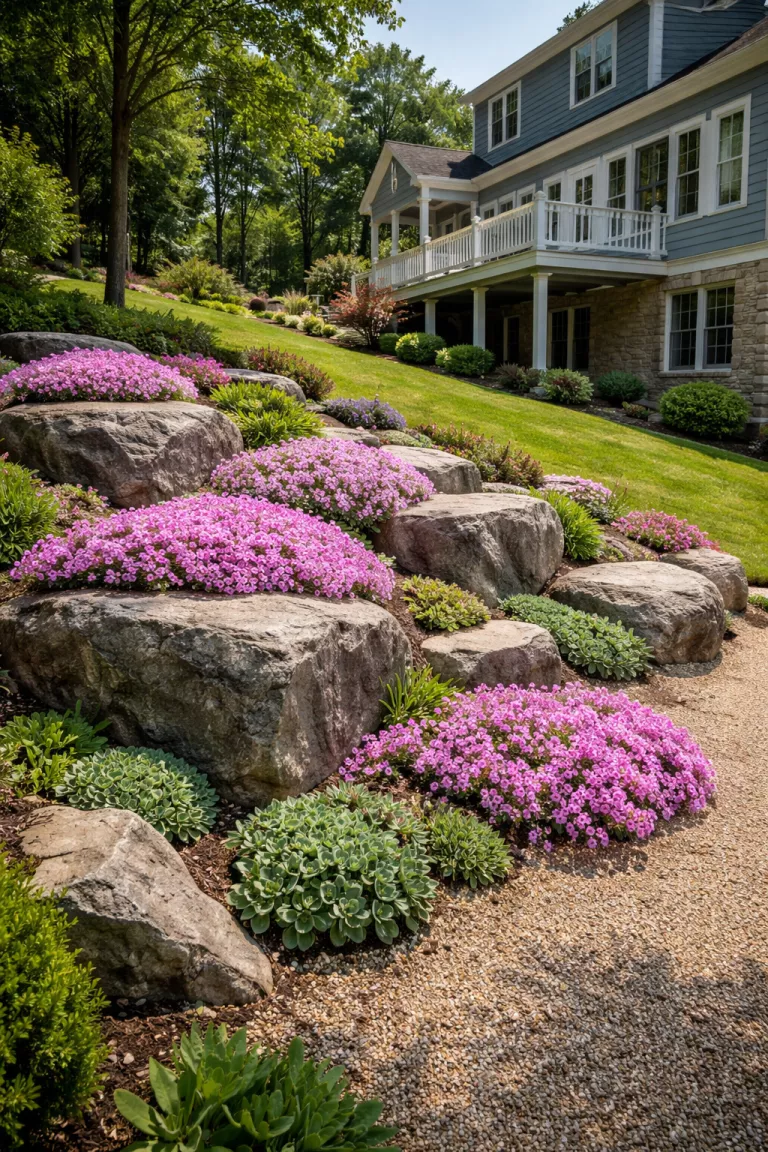
Utilize a sunny slope or a dry patch by building a rugged rock garden.
Low growing sedums and creeping phlox look beautiful when they spill over grey boulders.
These plants thrive with excellent drainage, so use plenty of gravel and sand in your soil mix.
Rocks also help regulate soil temperature and provide a sturdy backdrop for delicate alpine flowers.
This style requires very little water, making it a smart choice if you prefer a low maintenance landscape that looks natural.
Whimsical Fairy Garden
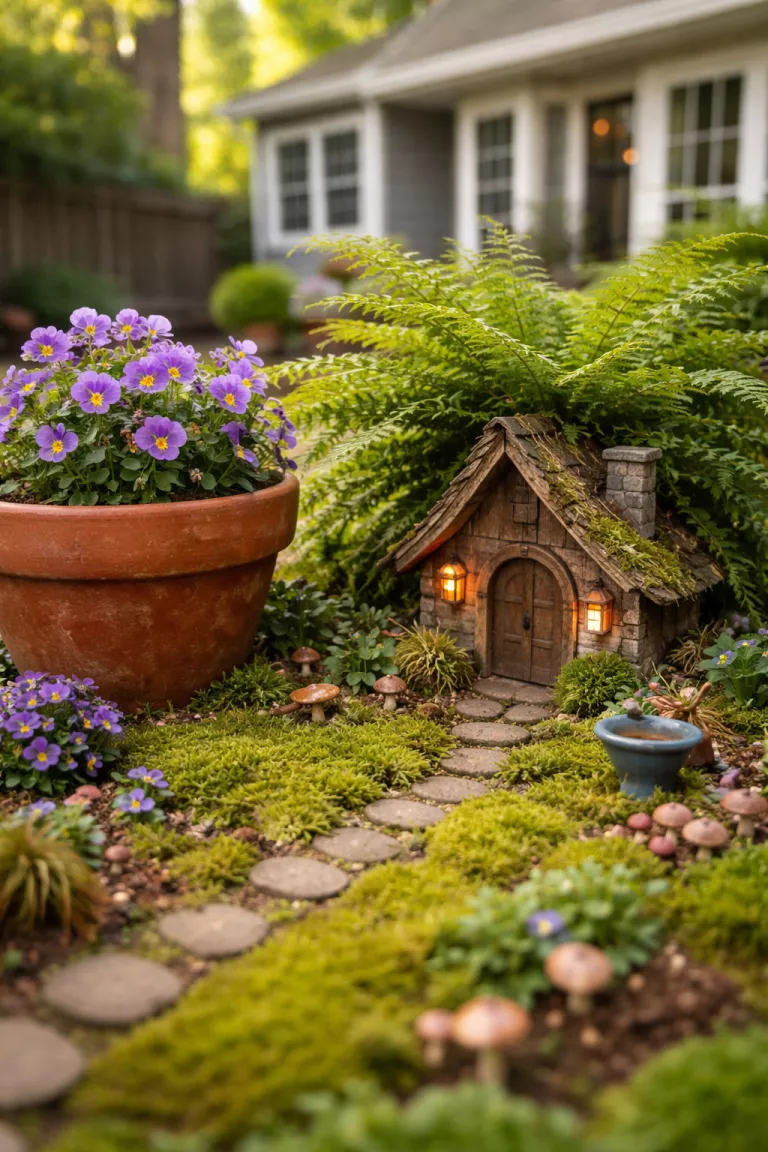
Create a tiny world of wonder by building a fairy garden in a large pot or a quiet garden corner.
Use miniature plants like moss and small violas to keep everything in scale.
You can add tiny stone paths and little houses to spark the imagination of any visiting children.
This project works perfectly for small balconies where you might not have room for a full size flower bed.
It is a playful way to experiment with different plant textures on a very small scale.
Native Plant Paradise

Choosing plants that naturally grow in your region makes your life much easier.
Local species like goldenrod and lupine have already adapted to your local soil and weather patterns.
They generally need less water and fewer fertilizers than exotic varieties.
This choice supports the local ecosystem by providing familiar food and shelter for native wildlife.
Check with a local nursery to find the best species for your specific zip code to ensure your garden thrives with very little help from you.
Succulent Flower Fusion
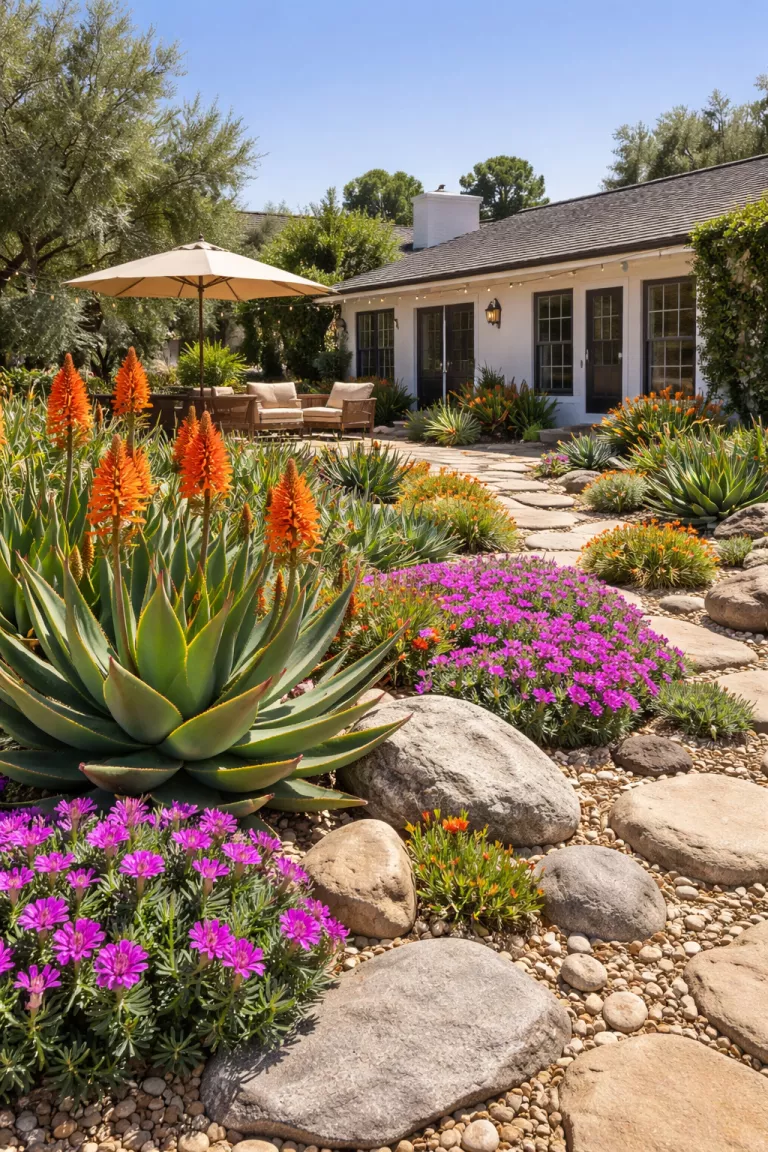
Mix the architectural shapes of succulents with the soft colors of blooming ice plants.
This combination works wonders in dry climates or areas prone to wildfires.
These plants store water in their leaves, allowing them to survive long periods of drought without wilting.
You can grow them in well-draining containers or directly in the ground if you live in a warm enough area.
Their unique textures provide year-round interest even when they are not in peak bloom, keeping your yard looking great.
Edible Flower Feast

Your garden can look good and taste even better when you include edible flowers.
Nasturtiums and violas add a peppery or sweet kick to your summer salads.
Planting these flowers among your vegetables can also help distract pests from your tomatoes and peppers.
Just make sure you grow them organically without any chemical sprays since you plan to eat them.
Researching which parts of each flower are safe to consume ensures you have a delicious and safe culinary experience right from your backyard.
Curb Appeal Front Yard
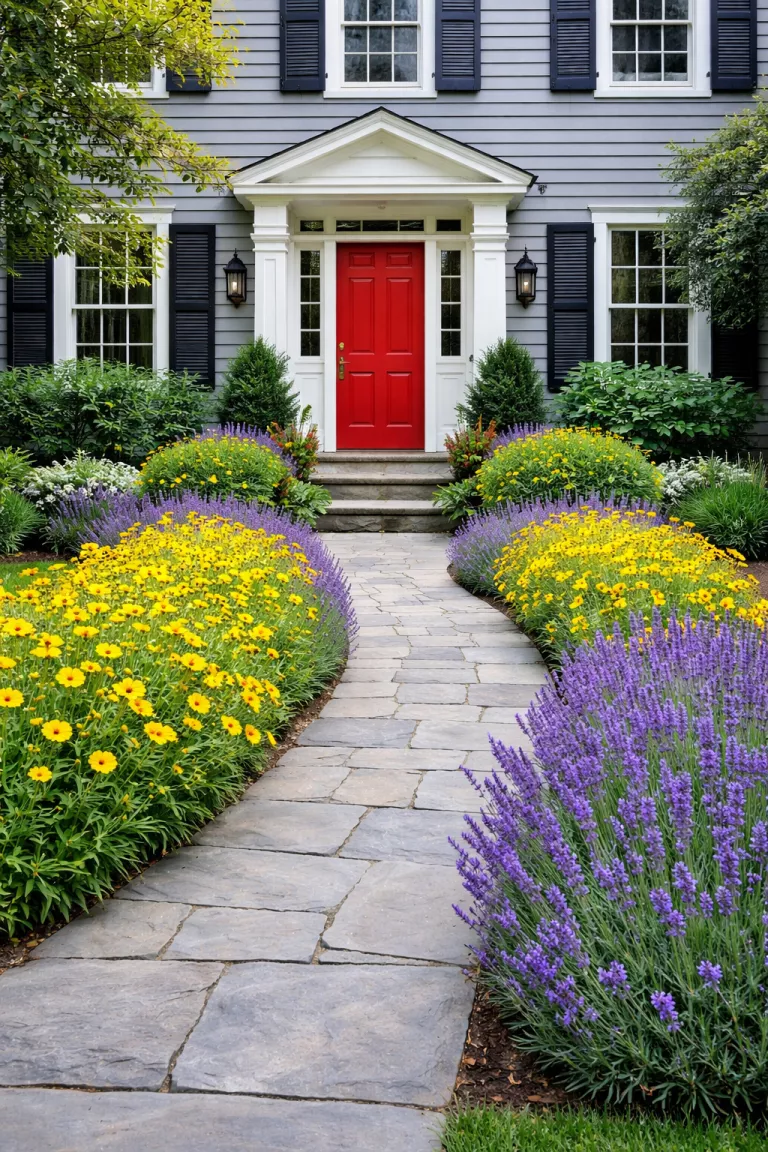
First impressions matters, so focus on your front walkway to boost your home value.
Use tidy, ever-blooming varieties like coreopsis to provide a welcoming splash of color.
Low growing plants should stay near the edges of the path so they do not trip anyone or block the view.
Adding a fresh layer of dark mulch makes the flower colors pop and keeps the area looking professionally maintained.
A well designed front garden tells everyone that someone who cares lives inside that house.
Moon Garden Mystery
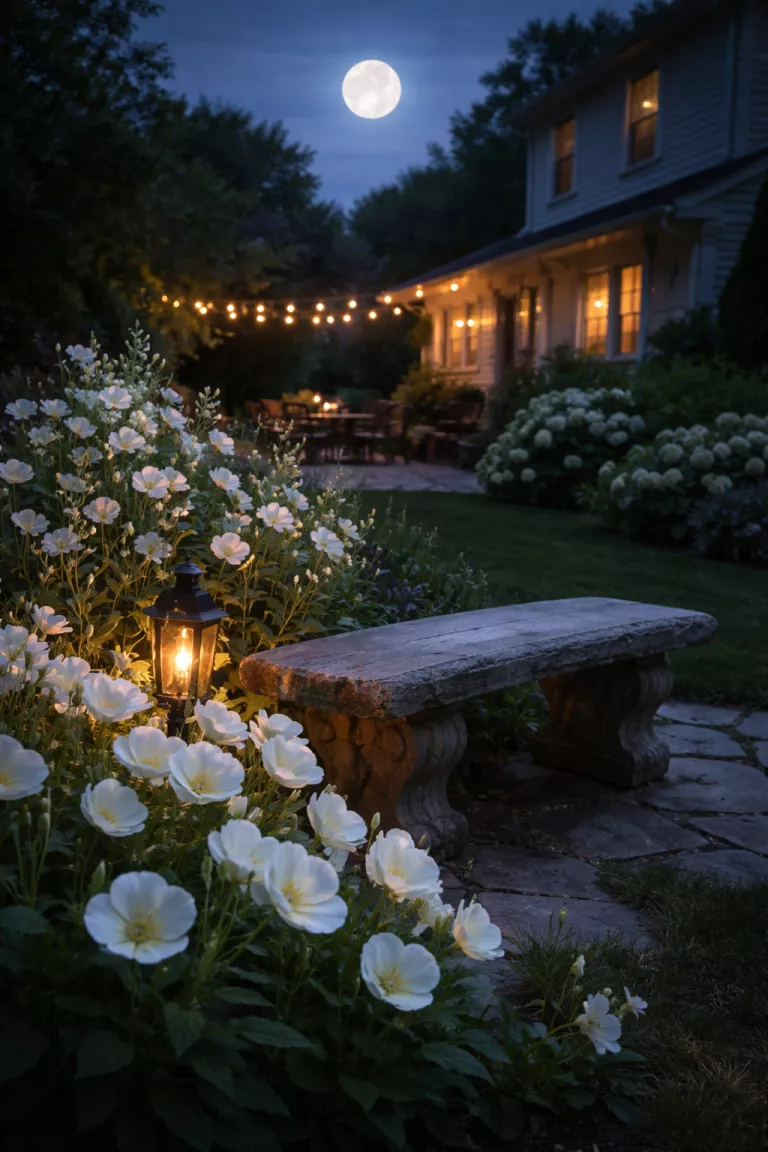
Some flowers wait until the sun goes down to show off their beauty and scent.
Planting evening primrose and white datura allows you to enjoy your garden after a long day at work.
These white and pale yellow blooms reflect the moonlight, making the garden look ethereal and mysterious.
Many night bloomers release a heavy, sweet fragrance that fills the air on warm summer evenings.
Add a comfortable chair and some soft lighting to create your own private getaway for midnight relaxation.
Drought Tolerant Desert Blooms

Save money on your water bill by choosing plants that laugh at the heat.
Yarrow and penstemon are tough survivors that do not mind a bit of neglect or a dry autumn.
Xeriscaping does not mean you only get cactus; many drought-tolerant plants produce stunning, delicate blossoms.
Use gravel mulch to keep the roots cool and prevent water from evaporating too quickly from the soil.
This sustainable approach prepares your garden for shifting climates while maintaining a lush and vibrant look all year long.