19 Gardens with Arbors Ideas
Looking to transform your outdoor space? These 19 Gardens with Arbors Ideas will spark your creativity and help you design the perfect garden retreat that combines beauty with function.
Classic Wooden Arbor Gateway

You can create a stunning entrance to your garden with a classic wooden arbor.
Choose cedar or redwood for durability against weather.
Train climbing roses or jasmine up the sides for natural beauty.
Position it where visitors first enter your garden space.
The wooden structure adds rustic charm while providing support for flowering vines.
Paint or stain it to match your home’s exterior.
This timeless design works well with both formal and casual garden styles.
Metal Arbor With Climbing Vines

Metal arbors offer strength and longevity for your garden design.
Iron or steel structures support heavy vines like grapes or wisteria without bending.
The dark metal creates beautiful contrast against green foliage.
You can find ornate Victorian styles or simple modern designs.
These arbors need less maintenance than wood versions.
Apply rust-resistant coating every few years.
Metal conducts heat, so choose heat-tolerant plants.
Position them where the structure becomes part of your garden’s architectural framework.
Rose-Covered Romantic Arbor
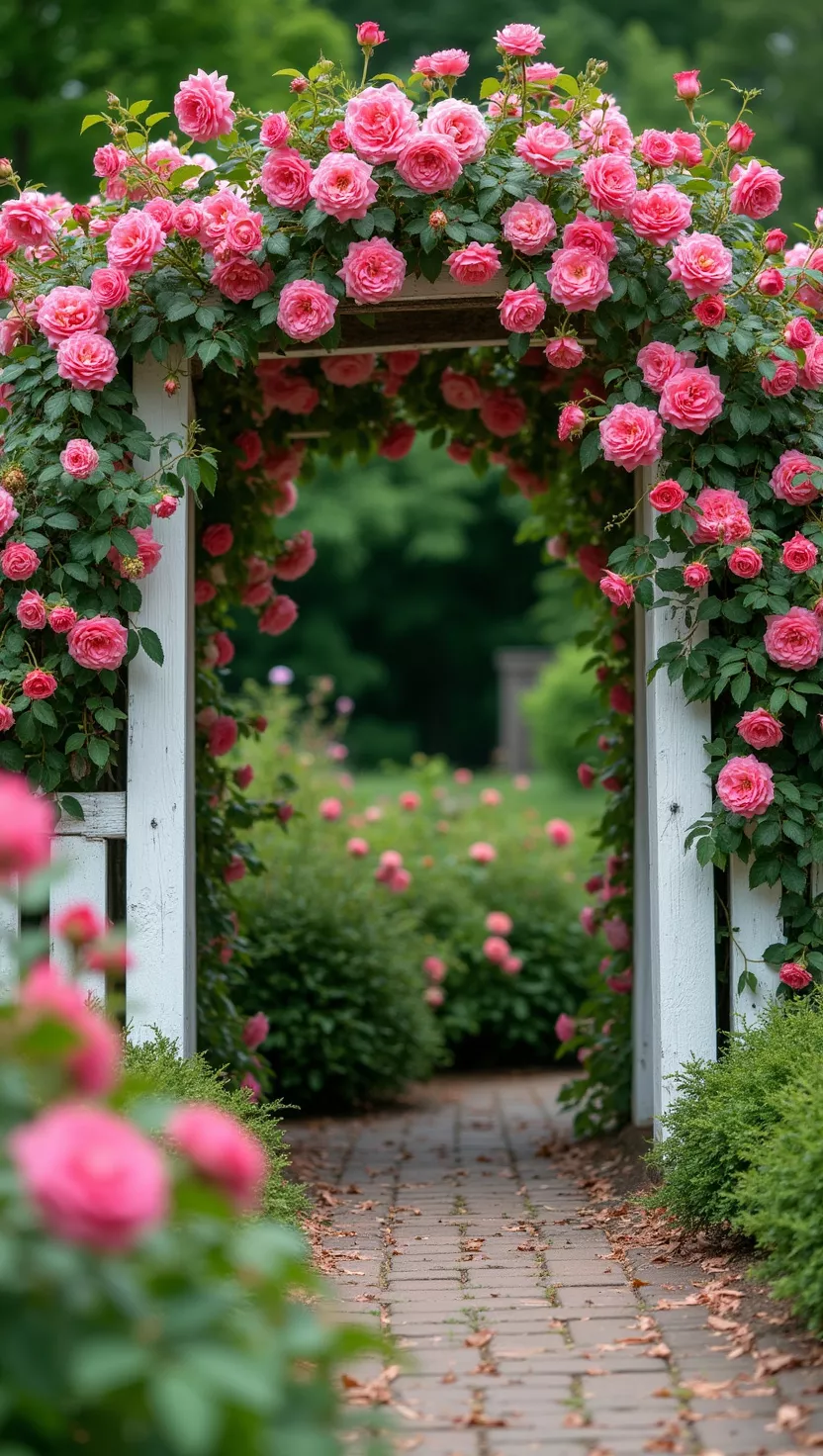
Transform your garden into a romantic retreat with a rose-covered arbor.
Select climbing rose varieties that bloom repeatedly throughout the season.
David Austin roses offer fragrance and old-fashioned charm.
Train the canes carefully to prevent thorns from catching on clothing.
Prune annually to maintain shape and encourage new growth.
White or cream-colored arbors highlight the rose blooms beautifully.
Add a bench underneath for a cozy seating area.
This creates a perfect spot for morning coffee or evening relaxation.
Pergola-Style Garden Arbor

Pergola-style arbors provide more coverage than traditional designs.
The horizontal slats create dappled shade perfect for outdoor dining areas.
You can grow vines across the top for additional shade and privacy.
This style works well for larger gardens with more space.
Build it from pressure-treated lumber for weather resistance.
The open roof design allows rain to reach plants below.
Position it over patios or seating areas.
Add outdoor lighting between the slats for evening ambiance.
Cottage Garden Arbor Entrance
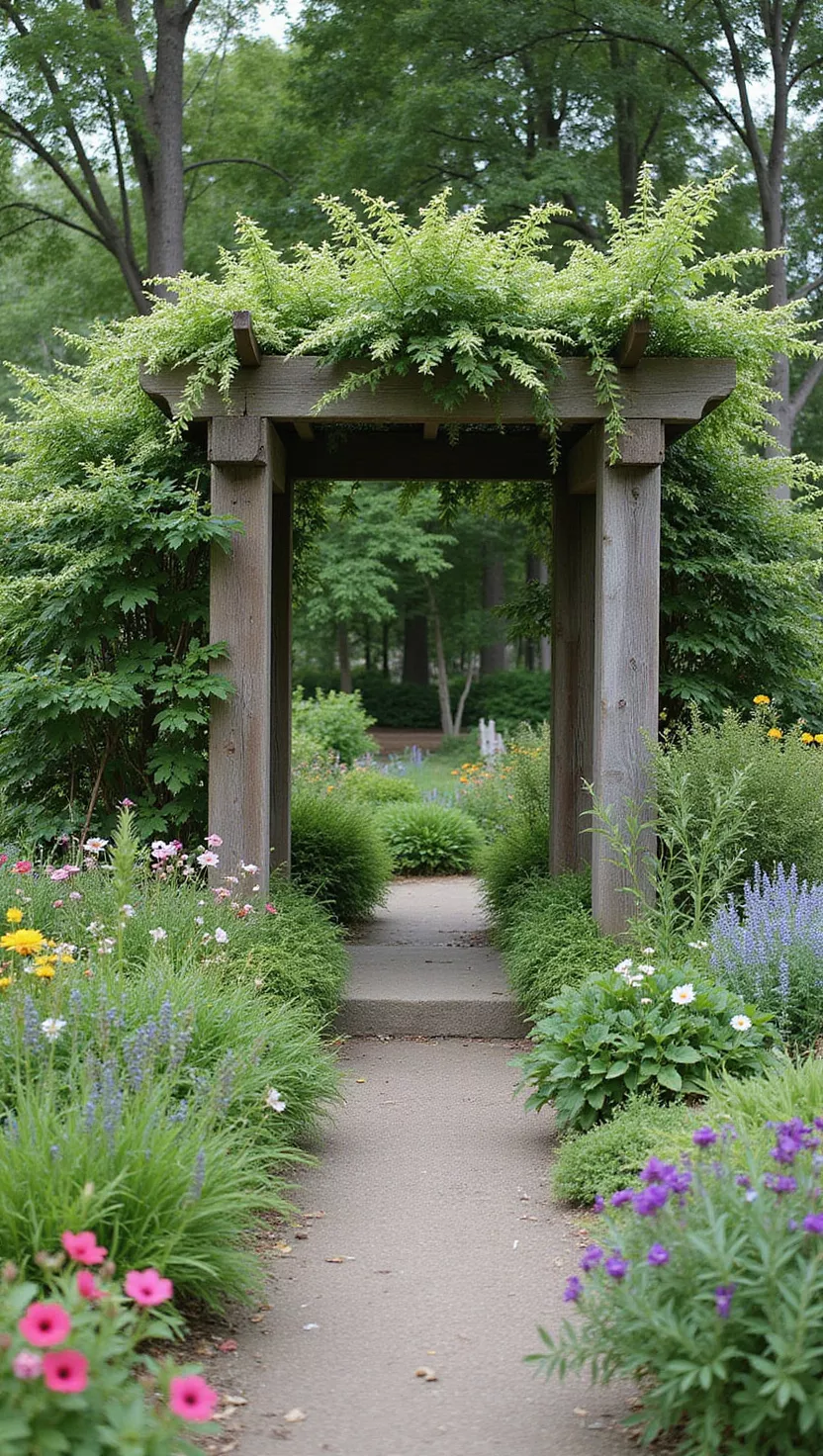
Create a charming cottage garden entrance with a simple wooden arbor.
Surround it with informal plantings like lavender, hollyhocks, and delphiniums.
Use reclaimed wood for authentic cottage appeal.
Plant sweet peas or morning glories to climb the sides.
Keep the design simple and slightly weathered looking.
Add a picket fence gate for extra charm.
This style celebrates imperfection and natural beauty.
Mix vegetables and flowers together nearby.
The arbor becomes a focal point that draws visitors into your cottage garden paradise.
Modern Minimalist Arbor Design
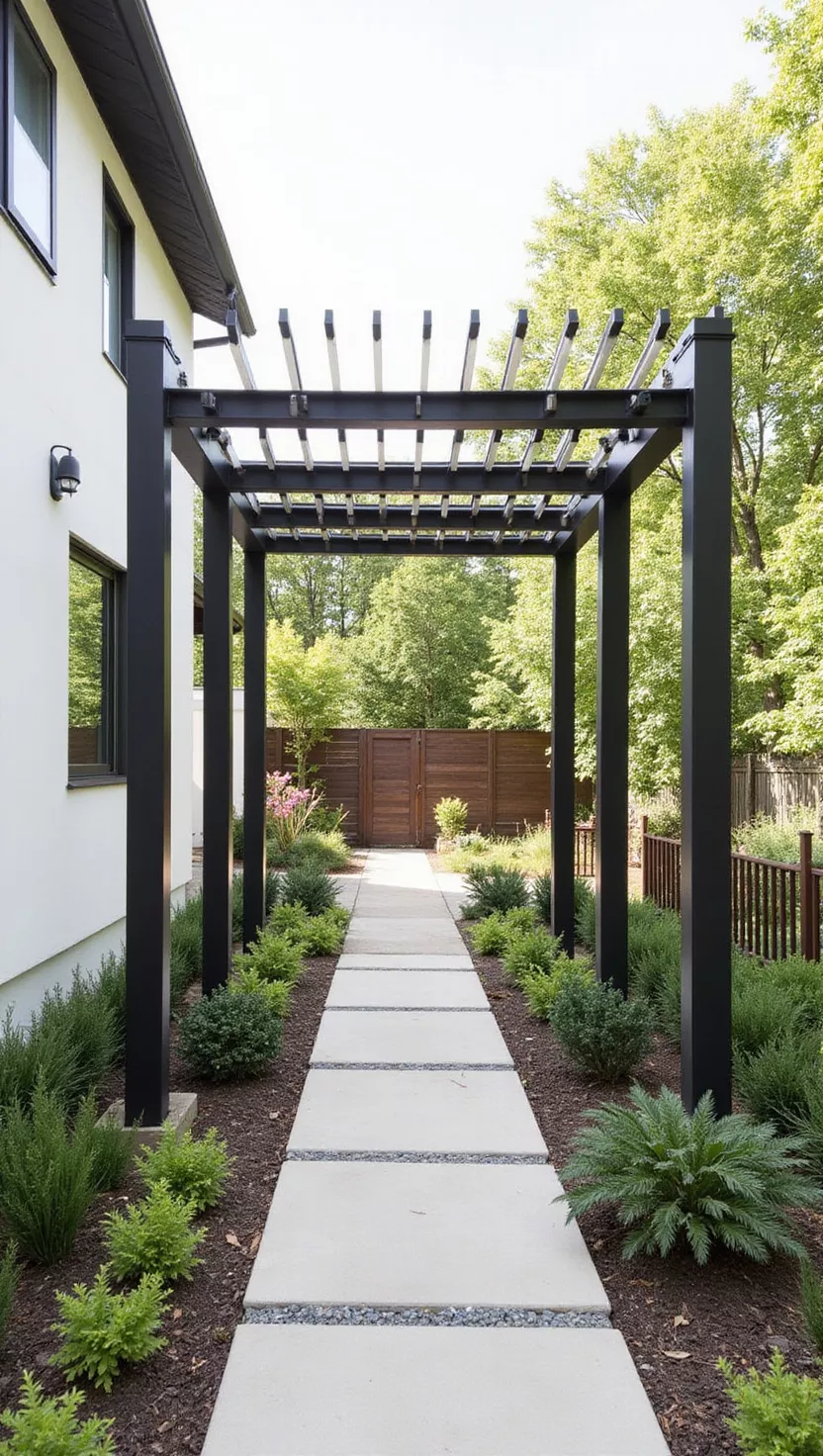
Modern gardens benefit from clean-lined arbor designs.
Choose geometric shapes with minimal ornamentation.
Steel or aluminum materials create sleek appearances.
Keep plantings simple with architectural plants like bamboo or ornamental grasses.
The arbor should complement your home’s contemporary architecture.
Powder-coated finishes in black, white, or gray work well.
Position it to frame garden views or create outdoor rooms.
Less is more with this design approach.
The structure becomes sculptural art in your landscape.
Grape Vine Arbor Walkway
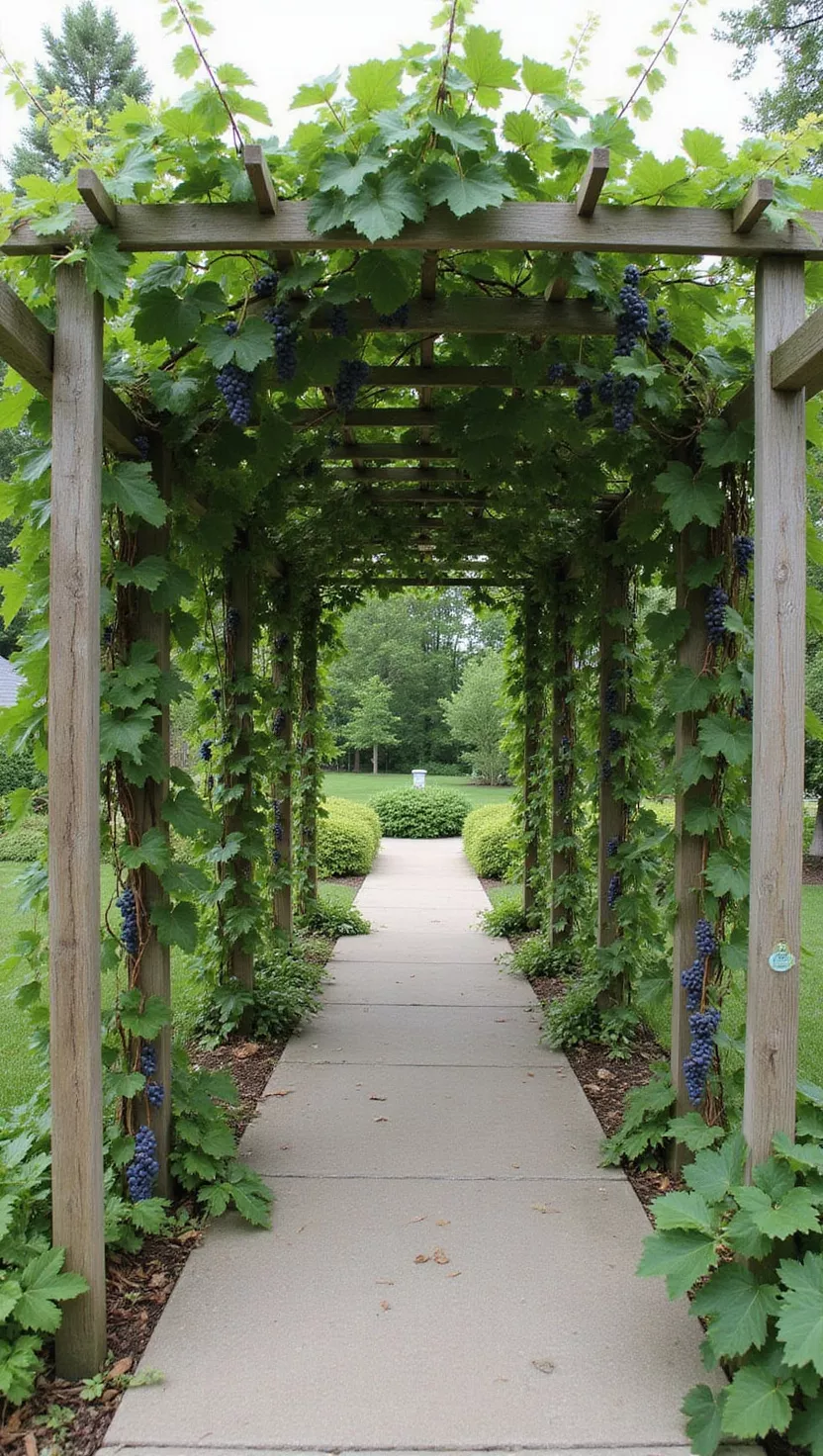
Growing grapes on your arbor serves both beauty and function.
Choose grape varieties suited to your climate zone.
The arbor needs strong construction to support heavy fruit loads.
Position it where you can harvest grapes easily.
Train vines along the top and sides for maximum coverage.
Prune annually during dormant season.
The large leaves provide excellent summer shade.
You’ll enjoy fresh grapes and beautiful fall color.
This creates an edible landscape feature that pays dividends year after year.
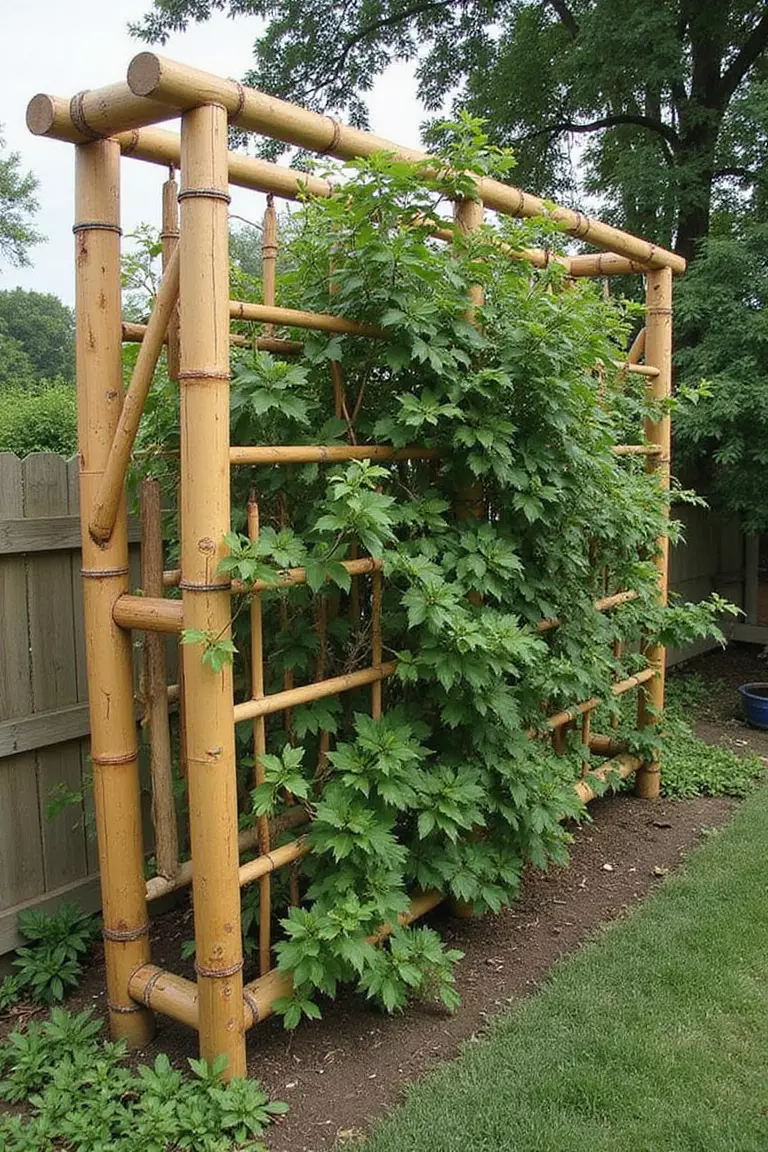
Japanese-Inspired Garden Arbor
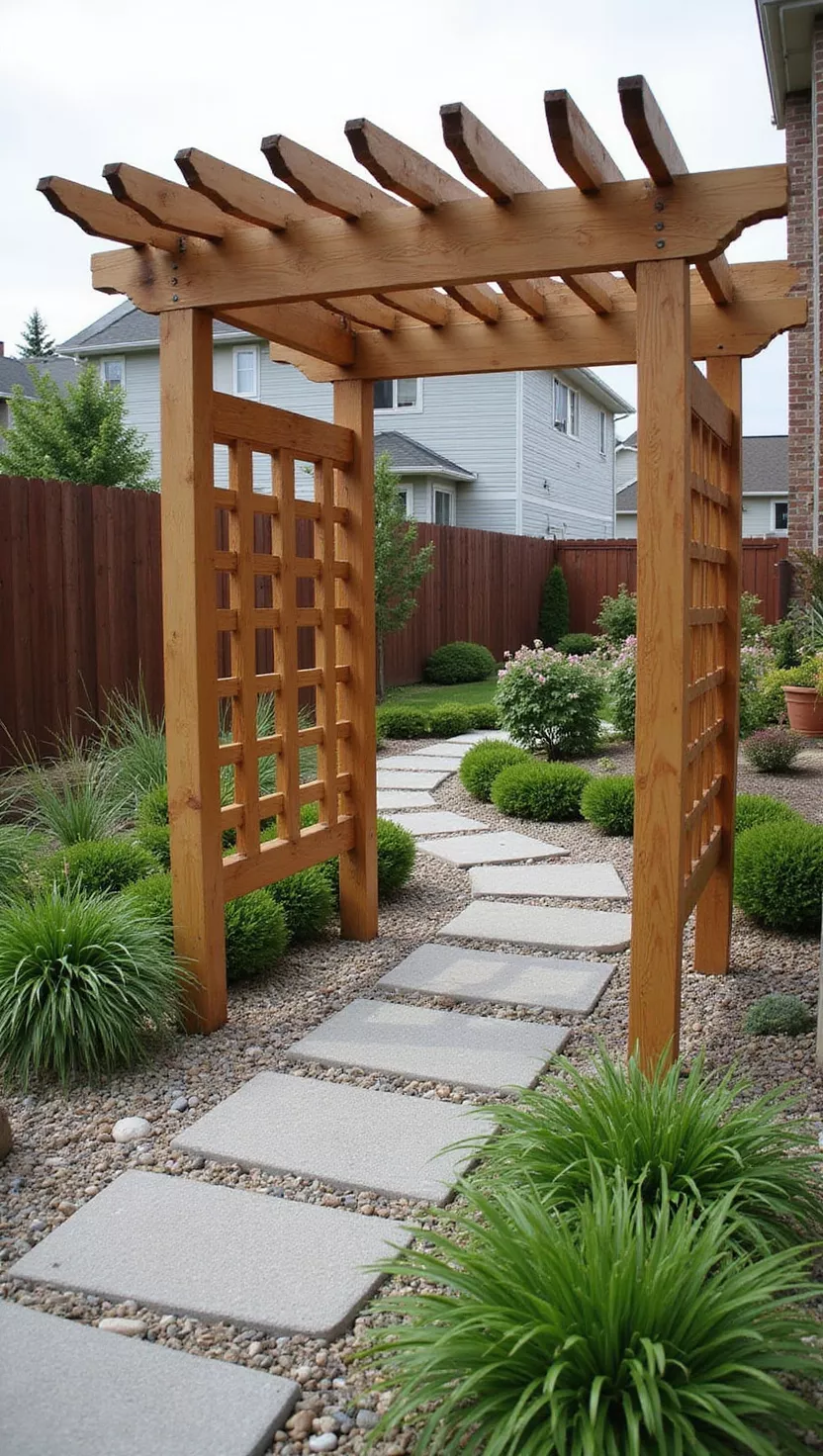
Japanese garden principles create peaceful arbor designs.
Use natural materials like bamboo or cedar.
Keep lines clean and simple.
Position the arbor to frame garden views carefully.
Plant Japanese maples or ornamental grasses nearby.
Add gravel paths and stepping stones.
The design should feel balanced and harmonious.
Avoid bright colors or busy patterns.
Train wisteria or climbing hydrangea up the sides.
This style promotes meditation and quiet reflection.
Water features complement the peaceful atmosphere perfectly.
Rustic Branch Arbor Creation
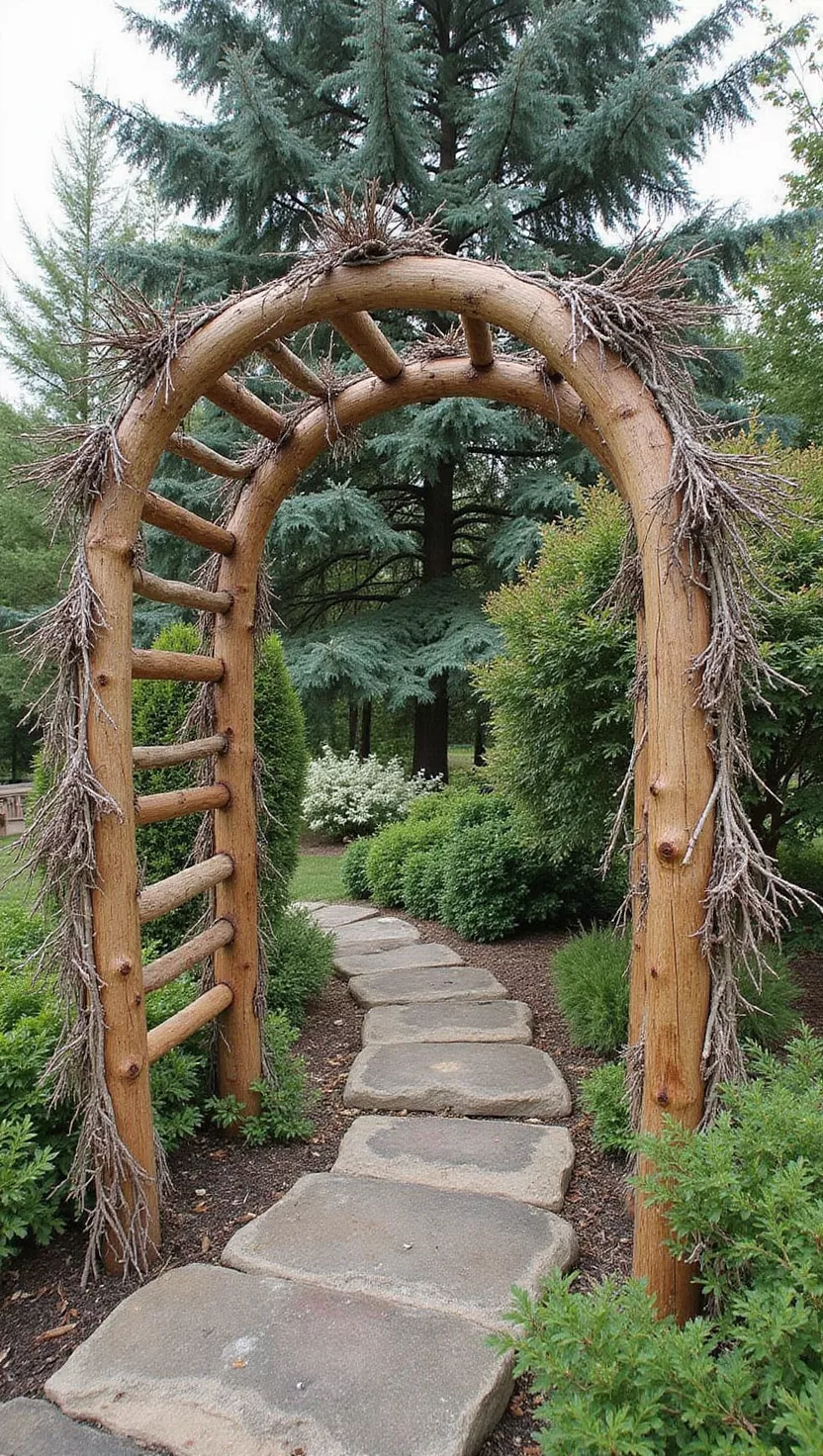
Build your own arbor using natural branches and twigs.
Collect materials from your property or ask tree services for pruned branches.
Willow and birch work well for bending.
Create organic shapes that look like nature made them.
This style costs very little but requires creativity.
The arbor will weather naturally over time.
Replace pieces as they break down.
Train lightweight vines like honeysuckle or clematis.
This approach works perfectly in woodland or naturalistic gardens where formal structures would look out of place.
Flowering Arbor With Clematis
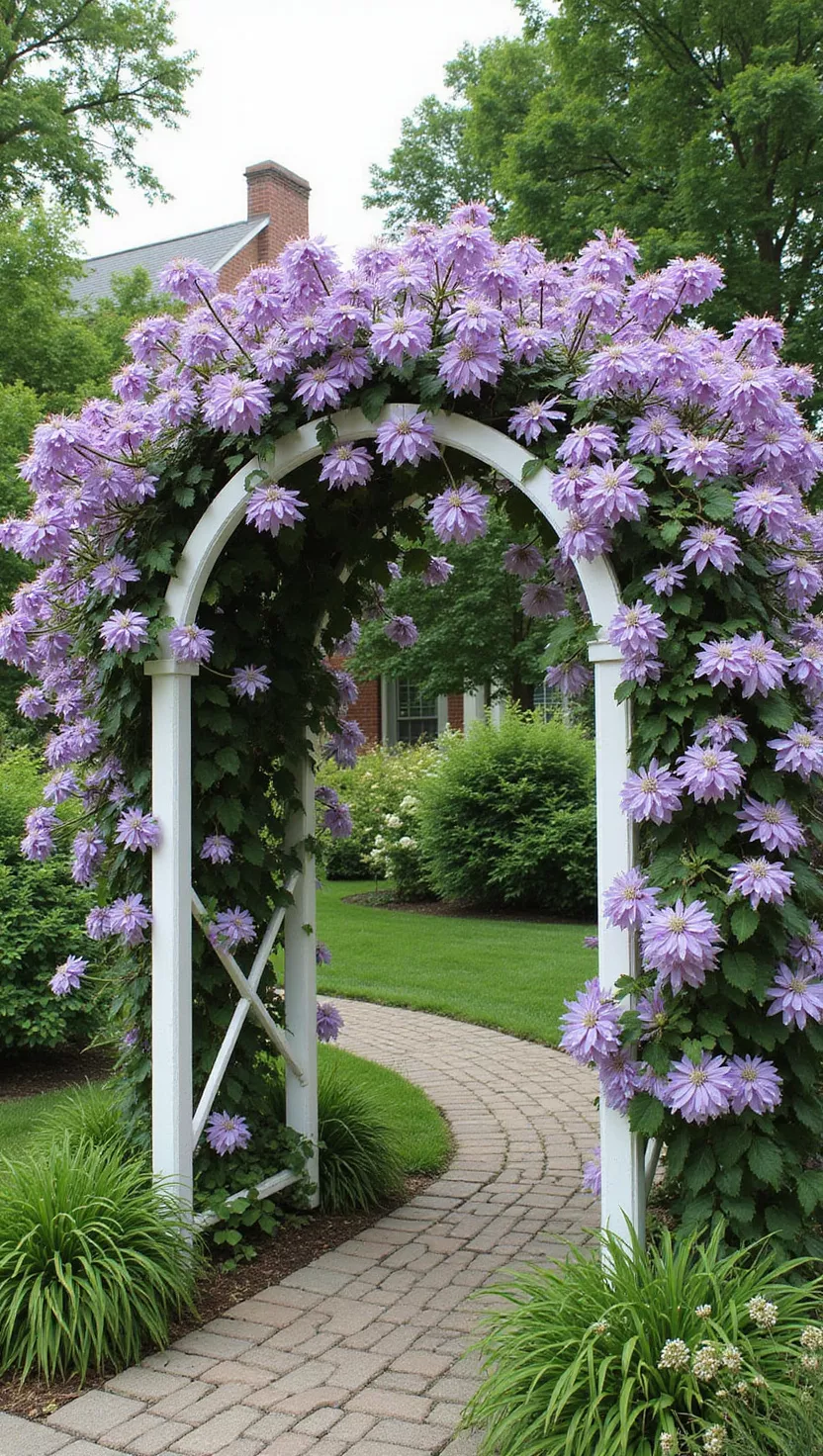
Clematis transforms any arbor into a flowering masterpiece.
Choose varieties with different bloom times for extended color.
These vines need support for their twining stems.
Plant them on the shady side of the arbor with tops in sun.
Add mulch to keep roots cool and moist.
Prune according to your clematis group requirements.
The flowers come in many colors and sizes.
Some varieties bloom twice per season.
Combine different clematis types for dramatic displays.
Your arbor becomes a living flower sculpture.
Wisteria-Draped Arbor Paradise
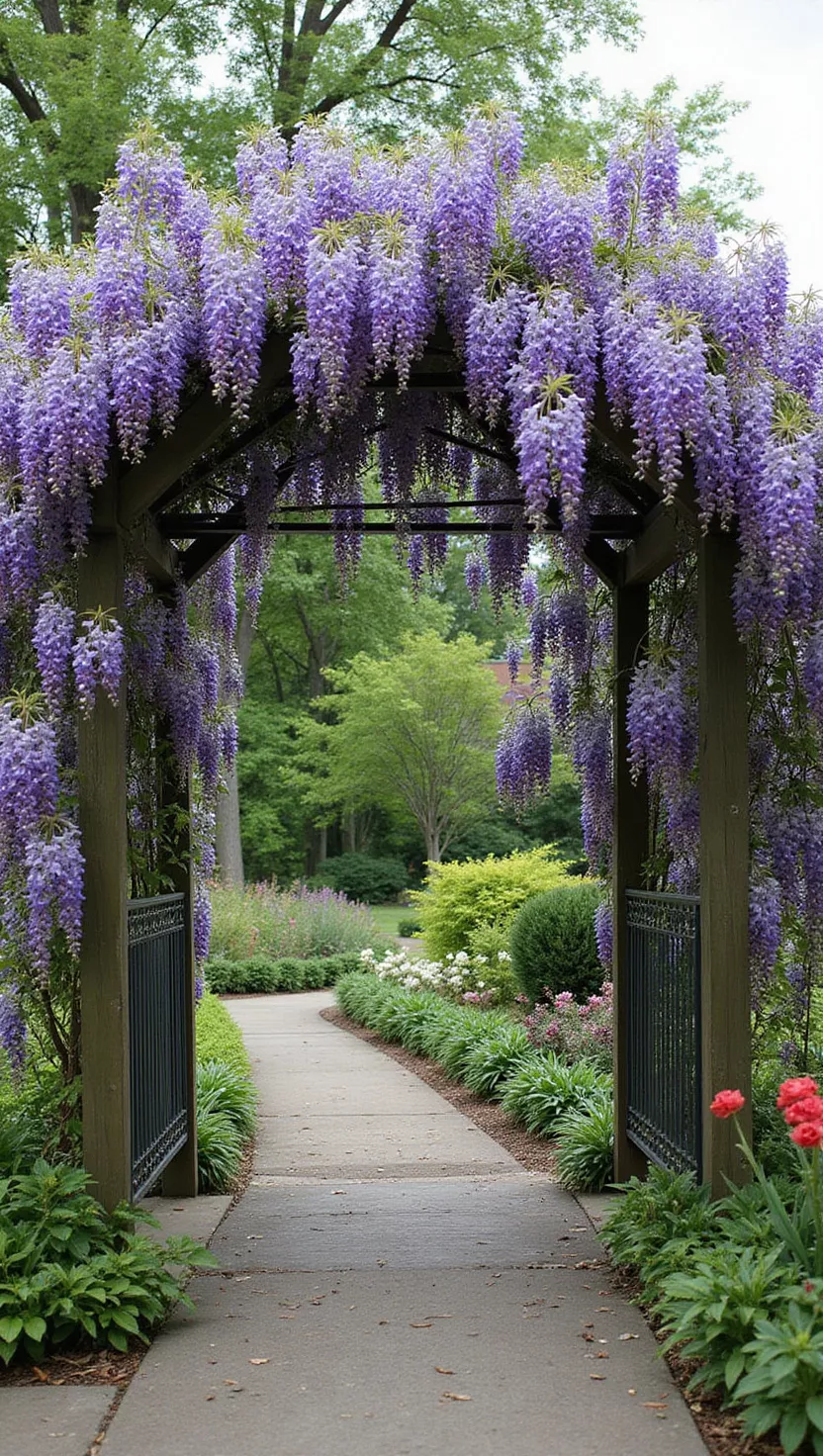
Wisteria creates breathtaking arbor displays but needs strong support.
These vigorous vines can damage weak structures.
Choose American wisteria varieties that are less aggressive than Asian types.
The spring bloom display is worth the extra effort.
Prune twice yearly to control growth and encourage flowering.
Plant wisteria where falling petals won’t create maintenance issues.
The twisted vines become architectural features even in winter.
Position seating nearby to enjoy the fragrant blooms.
This creates a truly spectacular garden focal point.
Multi-Season Interest Arbor
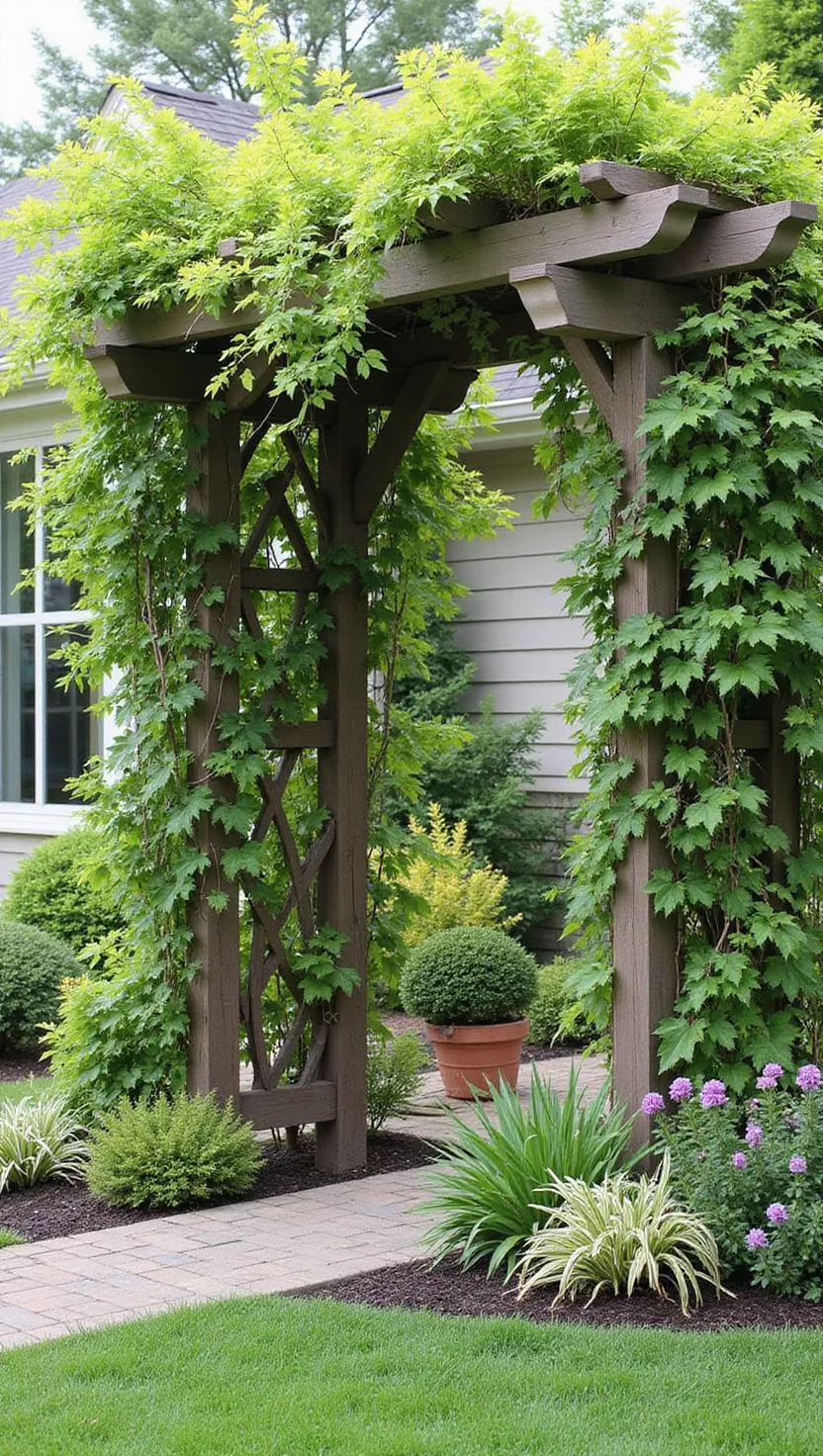
Design your arbor for year-round beauty with mixed plantings.
Combine evergreen vines with deciduous flowering types.
Use plants with interesting winter bark or berries.
Add spring bulbs around the base for early color.
Summer annuals fill in gaps between perennial vines.
Fall brings colorful foliage and seed heads.
Winter reveals the arbor’s structure and evergreen elements.
This approach ensures your garden feature looks attractive in every season.
Plan carefully to avoid overcrowding as plants mature and grow together.
Arbor With Integrated Seating
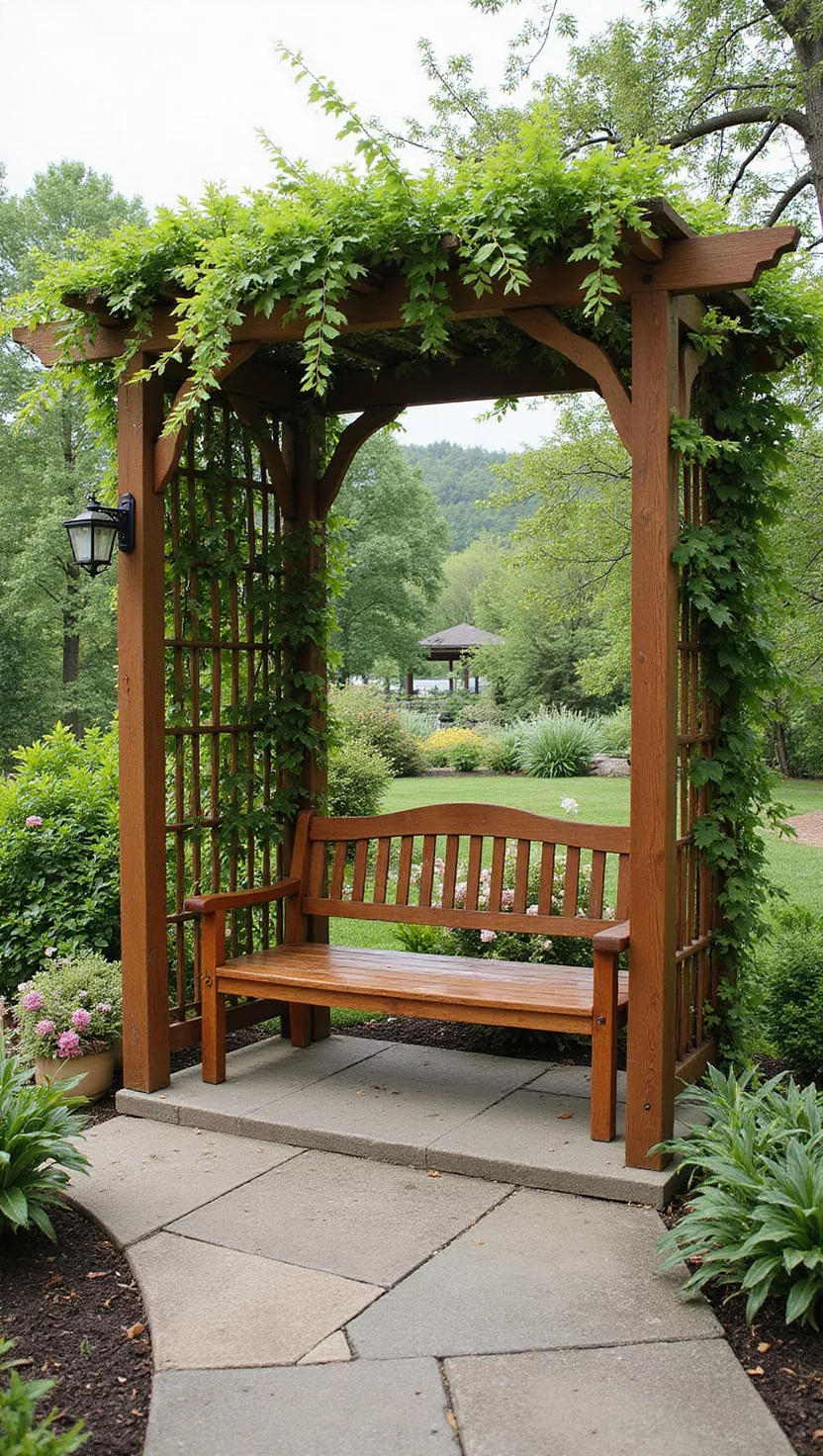
Built-in seating makes your arbor more functional and inviting.
Design benches as part of the structure for stability.
Use weather-resistant materials like cedar or composite lumber.
Position the arbor to take advantage of garden views.
Add cushions for comfort during extended sitting.
The overhead vines provide natural shade and privacy.
This creates an outdoor room feeling in your garden.
Consider adding side tables or storage under the seats.
The combination of structure and seating becomes a favorite garden gathering spot.
Scented Garden Arbor Retreat
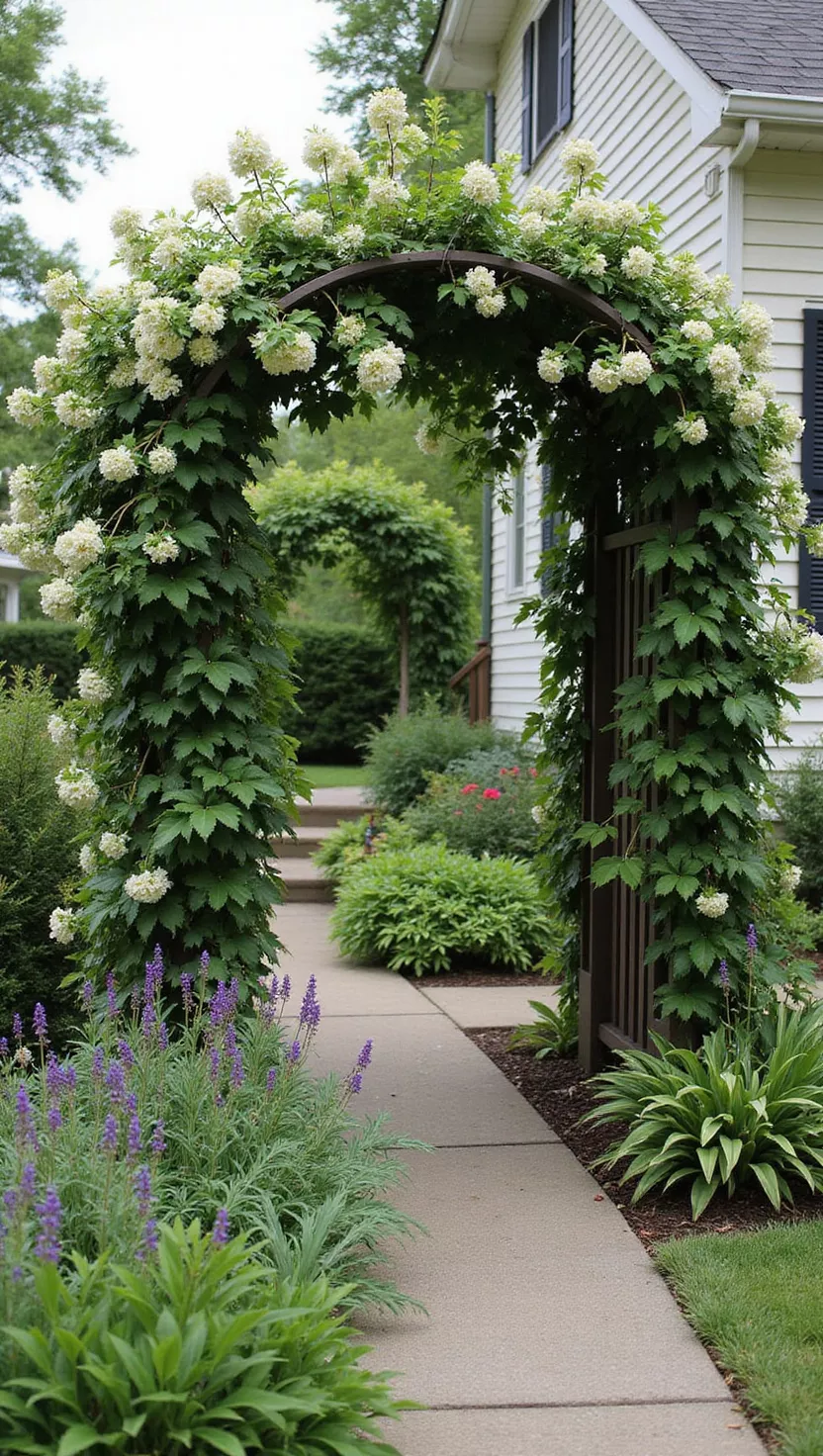
Create a sensory experience with fragrant vines on your arbor.
Plant jasmine, honeysuckle, or sweet peas for delightful scents.
Position the arbor where you can enjoy fragrances during evening hours.
Many scented flowers release stronger perfumes at night.
Add aromatic herbs like rosemary or lavender nearby.
The combination of scents creates a perfumed garden room.
Consider wind patterns when positioning fragrant plantings.
This type of arbor appeals to multiple senses and creates memorable garden experiences for visitors.
Shade Garden Arbor Solution

Shady locations need special arbor considerations and plant choices.
Select shade-tolerant vines like climbing hydrangea or Virginia creeper.
These areas stay cooler and more comfortable during hot summers.
The arbor structure becomes more visible without dense foliage cover.
Paint or stain it in colors that brighten dark spaces.
Add light-colored flowers and foliage for contrast.
Shade gardens require less watering and maintenance.
Position seating to take advantage of the cool microclimate.
This creates a refreshing retreat during hot weather.
Colorful Annual Vine Arbor
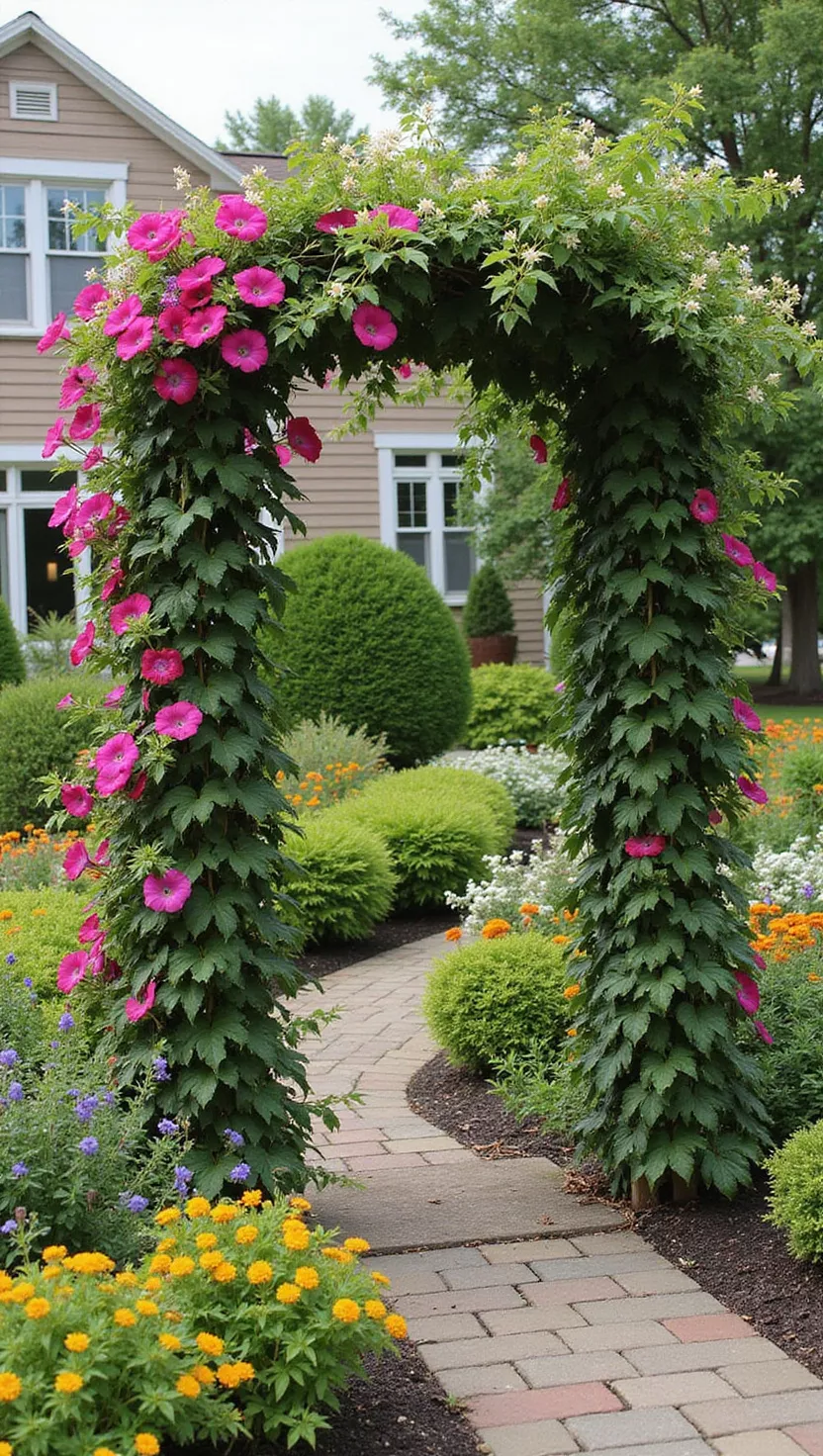
Annual vines offer flexibility and bright colors for arbor decoration.
Plant different varieties each year for changing displays.
Morning glories, nasturtiums, and sweet peas grow quickly from seed.
These vines don’t damage arbor structures like heavy perennial types.
You can experiment with color combinations each season.
Annual vines die back in winter, allowing arbor maintenance.
Start seeds indoors for earlier blooms.
Some annuals self-seed for volunteer plants next year.
This approach keeps your arbor looking fresh and different every growing season.
Privacy Screen Arbor Design
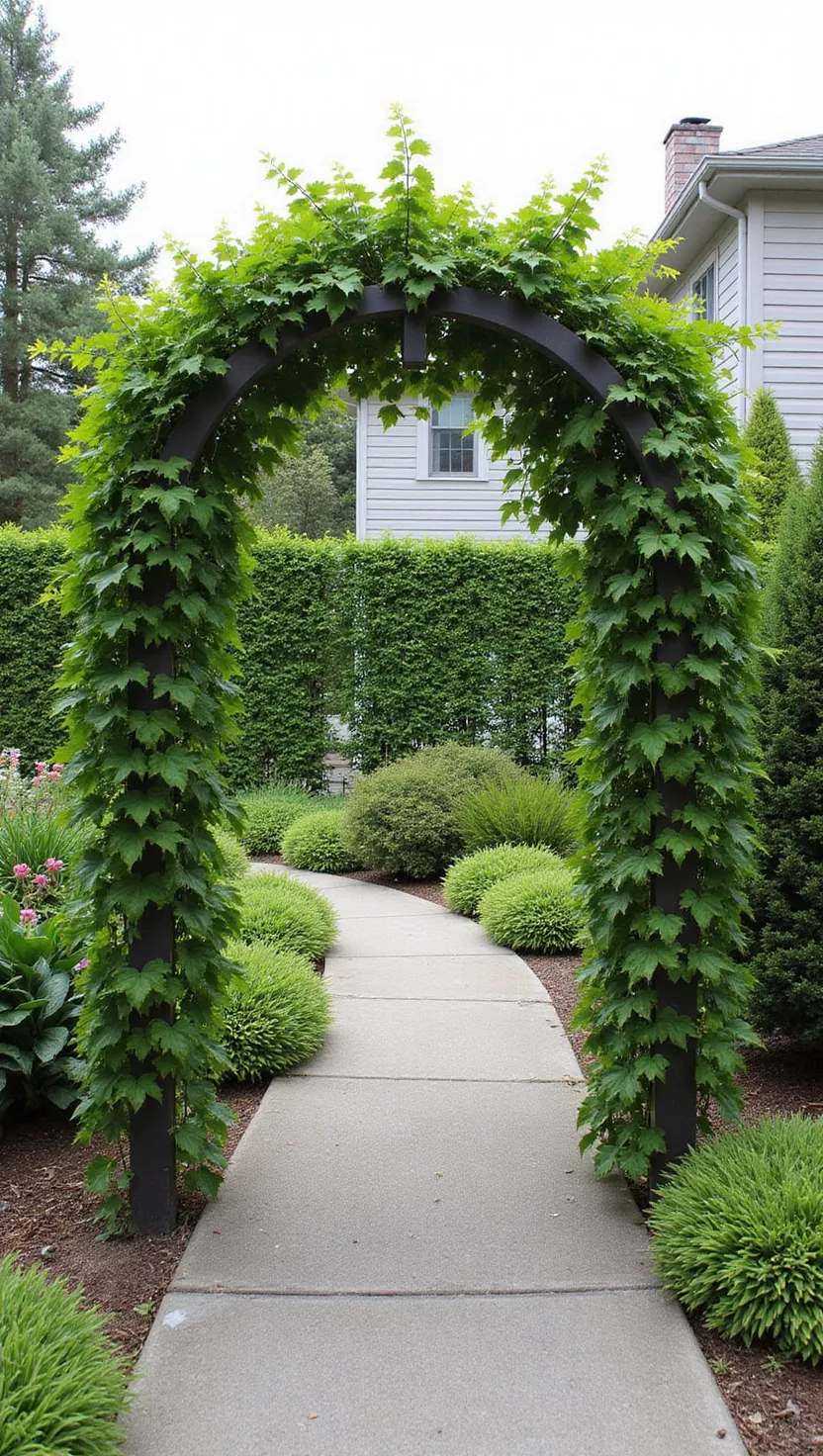
Use arbors to create privacy screens in your garden.
Position them between your space and neighbors’ views.
Choose fast-growing, dense vines for quick coverage.
Evergreen climbers provide year-round privacy.
The arbor structure supports heavier vines better than simple fences.
This creates attractive screening that looks intentional rather than defensive.
Add multiple arbors in a row for longer privacy barriers.
The overhead structure makes the screen feel more garden-like than plain fencing.
This solution adds beauty while solving privacy problems.
Seasonal Arbor Decorating Ideas
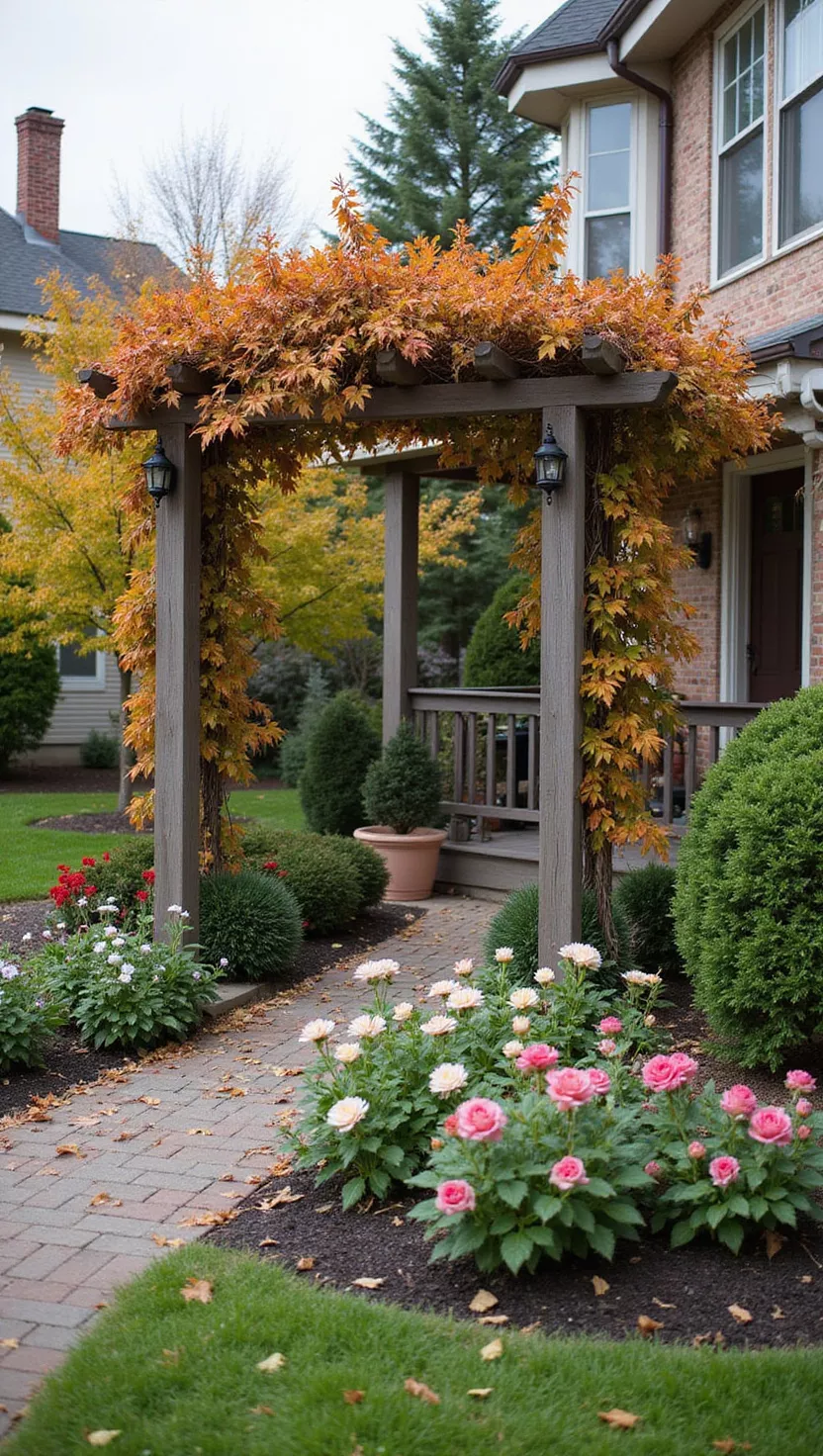
Decorate your arbor for different seasons and holidays.
String lights for winter interest and evening ambiance.
Add autumn garlands and pumpkins for fall displays.
Spring brings fresh flowers and new growth.
Summer features the arbor at its peak beauty.
Change decorations to keep the space feeling fresh.
Use weather-resistant materials for outdoor decorating.
The arbor structure supports temporary decorations easily.
This approach extends the garden season and creates focal points year-round.
Your arbor becomes a canvas for seasonal creativity and expression.
Low-Maintenance Arbor Landscaping
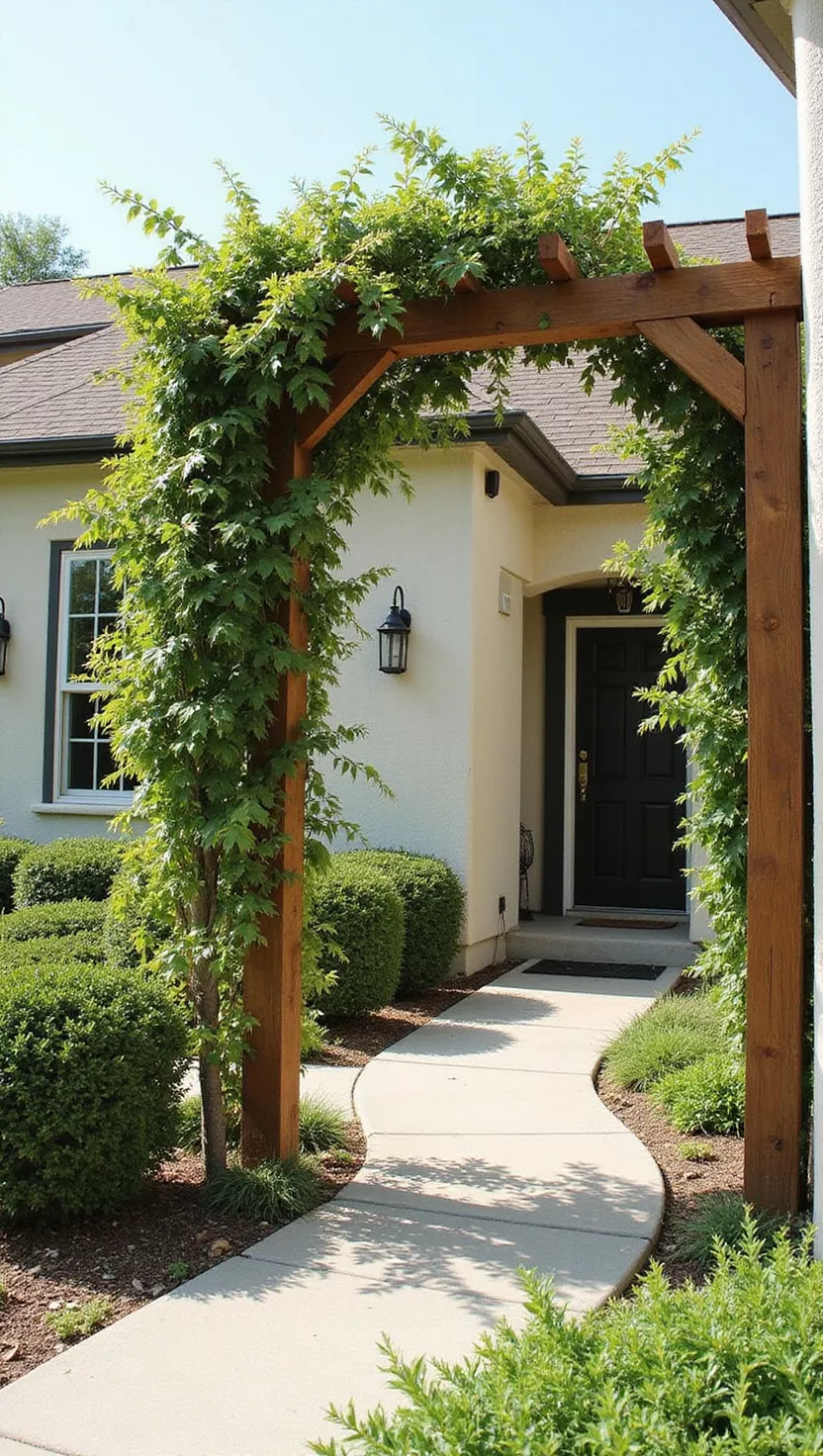
Choose low-maintenance plants and materials for busy lifestyles.
Select drought-tolerant vines once established.
Use composite or metal materials that don’t require regular staining.
Plant perennial vines that return each year without replanting.
Add mulch around the base to reduce weeding.
Choose plants suited to your climate zone for better survival.
Automatic irrigation systems reduce watering chores.
The arbor should enhance your garden without creating extra work.
This approach lets you enjoy your garden structure without constant maintenance demands.