How to Plan a Small Backyard for Both Relaxing and Growing Food
So, you have a postage stamp of a backyard and a dream of lounging with a homegrown snack? Good for you, friend! You’re probably thinking, “How do I cram a hammock, a grill, and enough tomatoes for a summer’s worth of salsa into this tiny patch?” Well, let me tell you, it is certainly possible.
Understanding Your Space: The Great Backyard Survey

Before you buy one single seed packet or garden gnome, you really must get to know your yard. I mean, truly know it. You cannot just plop down a raised bed and hope for the best. That is the kind of mistake you learn from, usually with a lot of dead plants.
Sunlight: Your Plants’ Best Friend
Gardening is all about light. Some plants are sun junkies, others prefer a shaded nap. You really need to track how much direct sunlight your space gets. My own backyard, bless its heart, gets only about four hours of direct sun in the morning, then dappled shade most of the afternoon. This means no sun-loving tomatoes for me in the ground, but some fantastic leafy greens.
Here is what you do:
- Pick a nice sunny day.
- Grab a piece of paper and a pencil.
- Draw a simple map of your backyard.
- At different times throughout the day, note where the sun hits and where the shadows fall. Do this every hour or so for a full day.
- Repeat this for a few days if you want a more accurate picture.
You will probably find some surprises. Maybe that spot you thought was nice and sunny actually gets shade from the neighbor’s giant oak for half the day.
Drainage: Avoiding a Swampy Situation
Poor drainage is a plant killer. Nobody wants a perpetually soggy garden. Dig a small hole, about a foot deep, and fill it with water. If the water drains within an hour, you are probably good. If it sits there like a sad puddle for hours, you have a drainage issue on your hands. Raised beds or containers are your saviors here. I once had a client whose backyard drainage was so bad, I joked they could open a small pond for ducks. We ended up building beautiful raised beds, problem solved.
Designing for Dual Purpose: More Than Just Pretty Pictures
This is where the magic happens. You want a place to relax, and a place to grow. These two needs are not mutually exclusive. In fact, they can complement each other quite beautifully.
Vertical Living: Reaching for the Sky
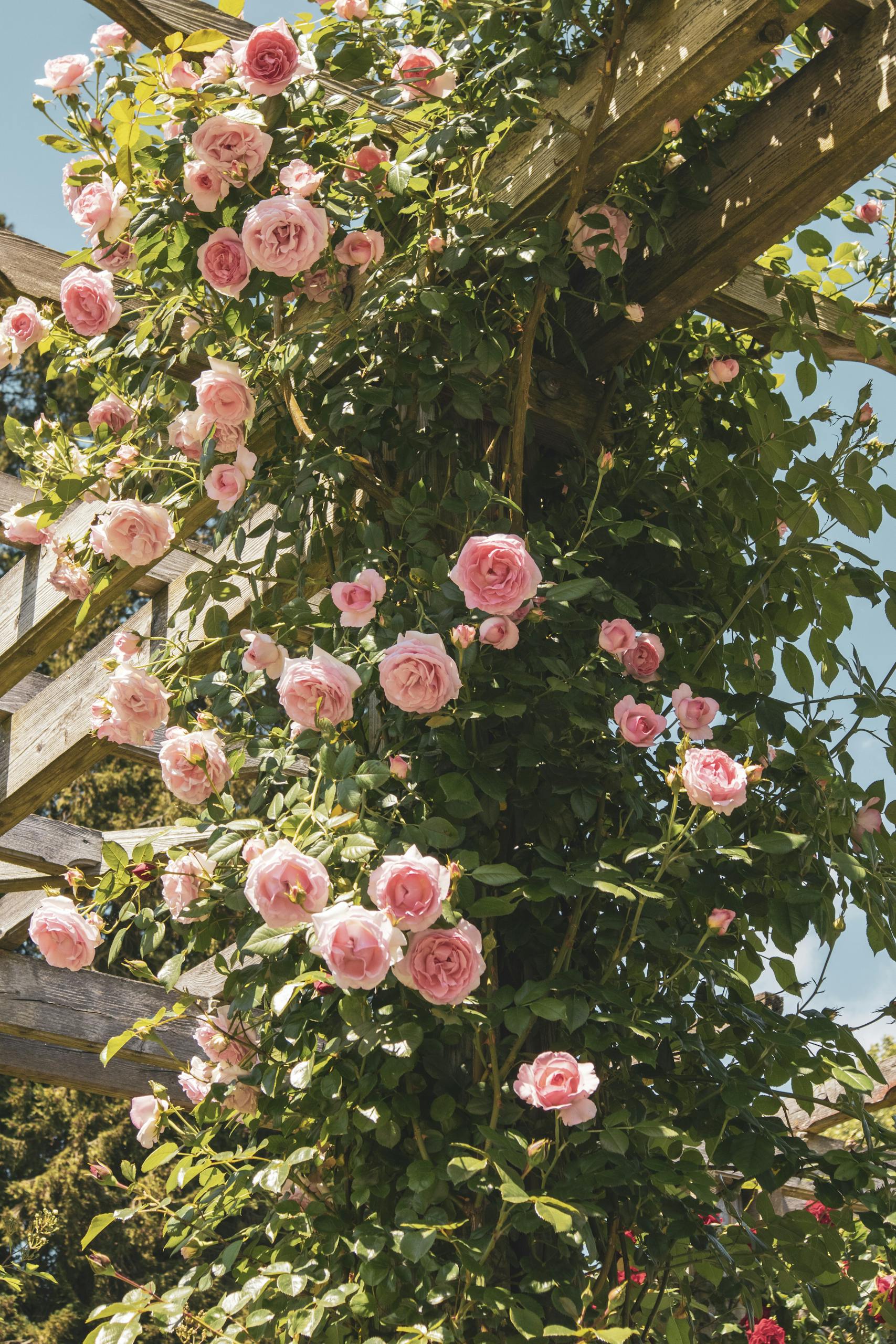
When you do not have much horizontal space, you go vertical. This is not rocket science, just smart gardening.
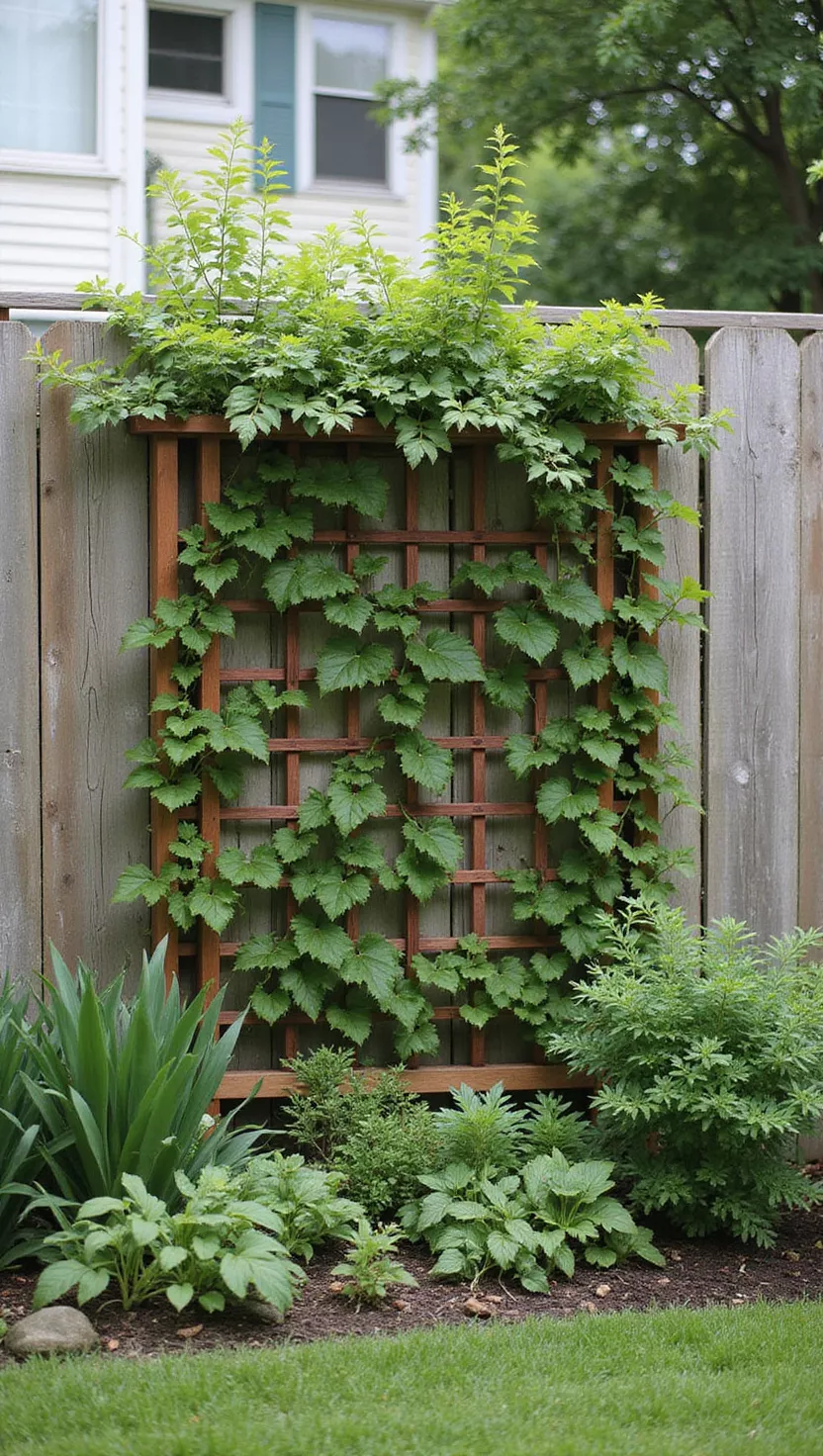
- Trellises and Arbors: These are not just for rambler roses, you know. Think about growing climbing beans, cucumbers, or even small melons up a sturdy trellis. They add height, visual interest, and food.
- Stackable Planters: These beauties are everywhere now. You can grow herbs, strawberries, or even a variety of flowers in them. They take up a tiny footprint but offer a lot of planting space.
- Wall-Mounted Planters: If you have a fence or an empty wall, put it to work. Pockets for herbs, small greens, or trailing plants look fantastic and free up ground space. I installed a series of these on my shed wall, and it instantly transformed a blank space into a living wall of herbs. My basil has never been happier.
Container Gardening: Your Moveable Feast
Containers are a small space gardener’s absolute best friend. They offer flexibility, control, and you can move them around if the sun decides to be a jerk to your tomatoes one day.
Consider these container options:
- Terra Cotta Pots: Classic, breathable, but they can dry out quickly.
- Plastic Pots: Lightweight, retain moisture better, but can look a bit…plastic.
- Fabric Grow Bags: Fantastic for root health, breathable, and easy to store when not in use. I use these for almost everything now. My potatoes love them.
- Whiskey Barrels: A bit heavier but look great and offer a lot of root space.
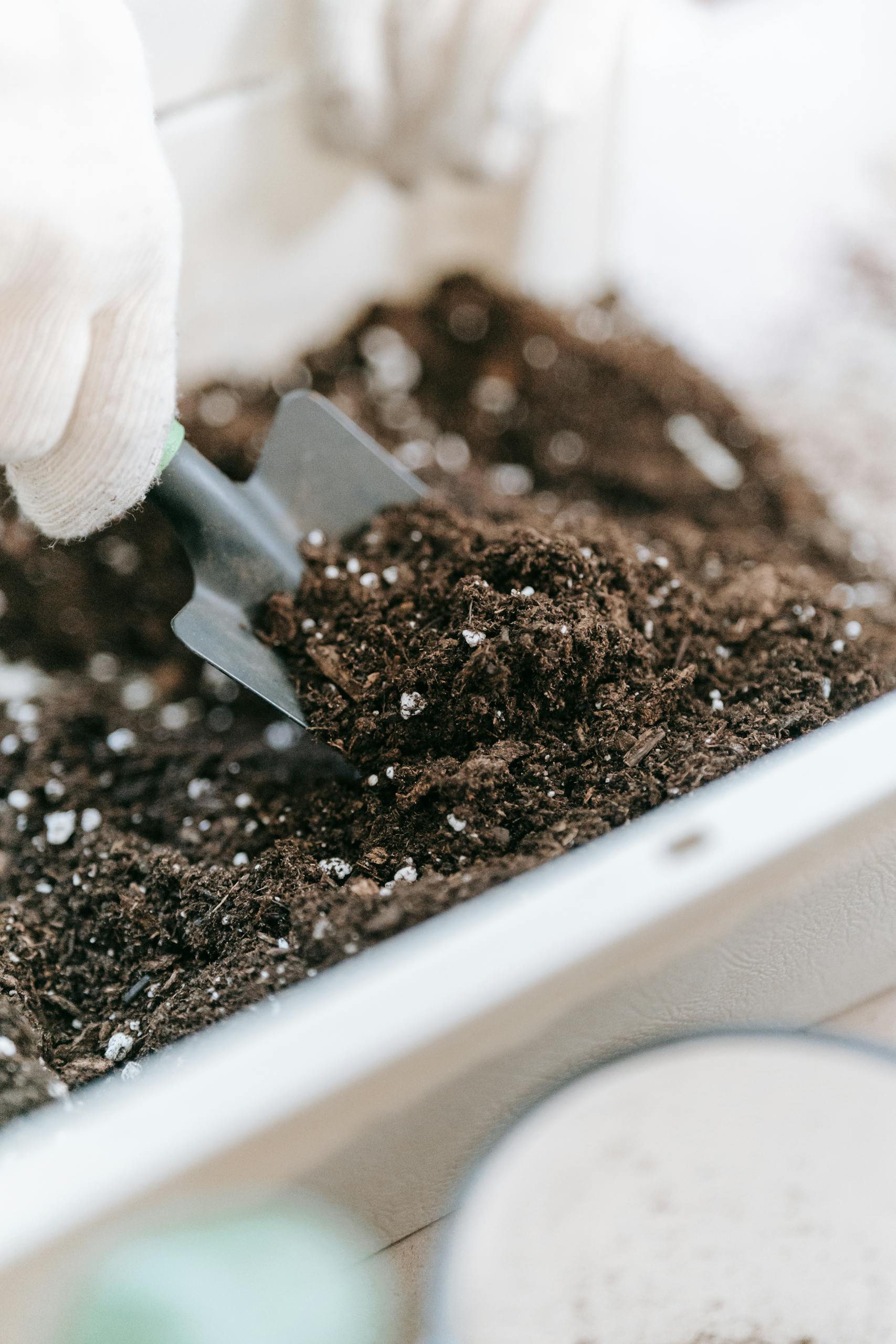
You can grow almost anything in a container. Tomatoes, peppers, eggplants, squash, beans, herbs, mixed greens – the list goes on. Just make sure the container is large enough for the mature plant, and that it has drainage holes. Do not skip the drainage holes. Your plants will drown, and you will be sad.
Raised Beds: The Best of Both Worlds
If you have a bit of ground space you can dedicate, raised beds are truly excellent. They offer good drainage, you control the soil quality, and they are easier on your back. Also, slugs seem less interested in climbing up into them, which is a bonus. I built a few small ones in my first house, and the improvement in my vegetable yield was immediate. It was like magic, only it was just good planning.
| Feature | Benefit for Small Spaces | Consideration |
|---|---|---|
| Vertical Gardening | Maximizes space upwards | Requires sturdy support or wall |
| Container Gardening | Flexible placement, soil control | Requires regular watering |
| Raised Beds | Better drainage, easier access | Initial material cost, requires some ground space |
Choosing Your Plants: Smart Choices for Small Spaces
You cannot grow a giant pumpkin patch in a small backyard, unless you want that to be the *only* thing you grow, and that is a pretty sad backyard. You need to be clever with your plant selections.
Compact Varieties: Size Matters
Many vegetable and fruit plants now come in “dwarf,” “patio,” or “bush” varieties. These are specifically bred to produce a good yield on a smaller plant.
- Tomatoes: Look for “determinate” or “bush” varieties like ‘Celebrity’ or ‘Patio Princess’. They produce their fruit all at once and stay compact.
- Cucumbers: “Bush” varieties like ‘Bush Pickle’ or ‘Spacemaster’ are much better for small spaces than their sprawling cousins.
- Squash: Again, “bush” varieties are your friend. ‘Bush Acorn’ or ‘Bush Delicata’ are good choices. Avoid those monstrous vining types unless you have several acres.
- Herbs: Most herbs are naturally compact and perfect for pots or sunny windowsills. Basil, mint, rosemary, thyme – they all do wonderfully.
Continuous Harvest: The Gift That Keeps Giving
Some plants you can harvest repeatedly, giving you more food for your space.
Think about these:
- Leafy Greens: Lettuce, spinach, kale, and Swiss chard can be harvested outer leaves, allowing the plant to continue producing more. This is called “cut and come again” and it is brilliant.
- Bush Beans: Pick them regularly, and the plant will keep producing.
- Summer Squash: Pick them small and often. If you let them get enormous, the plant will slow down production. Trust me on this one. I once let a zucchini get so big, I swear it could have been used as a small canoe.
Creating Relaxation Zones: Your Oasis Awaits
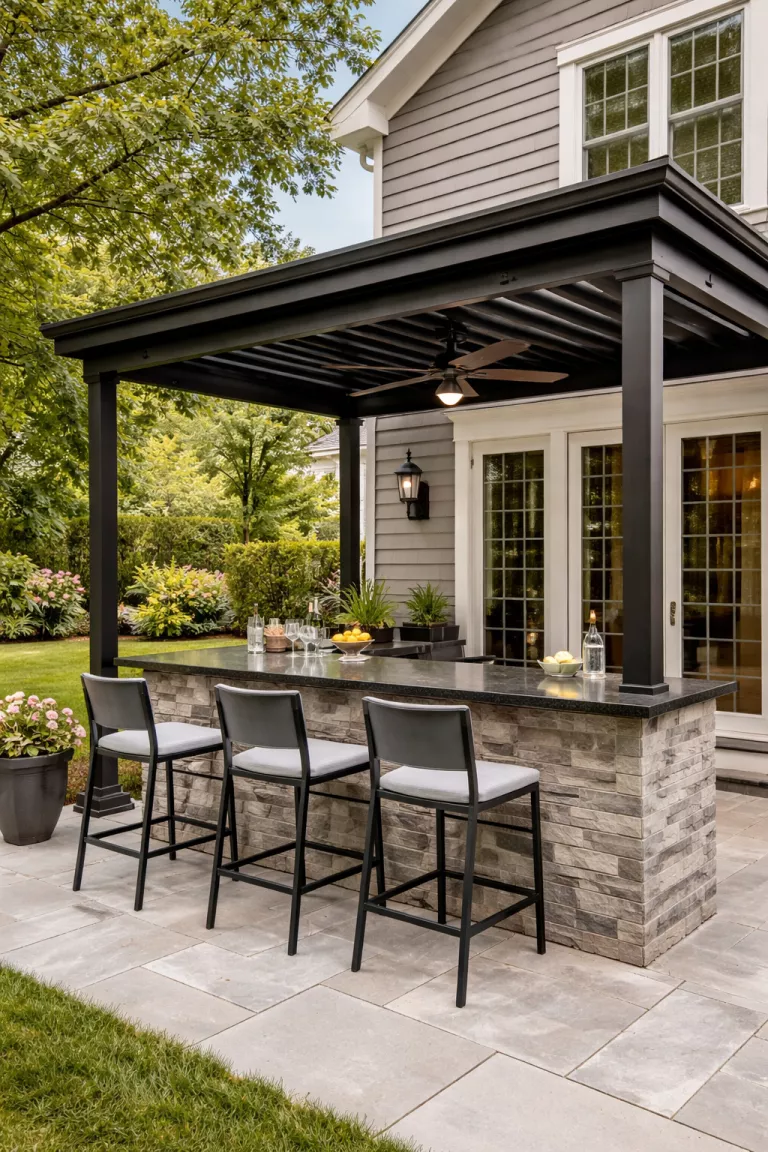
You need a place to actually enjoy the fruits of your labor, figuratively and literally. This does not mean you need an outdoor living room bigger than your actual living room.
Smart Seating: Fold, Stack, or Tuck Away

Choose furniture that is practical for a small space.
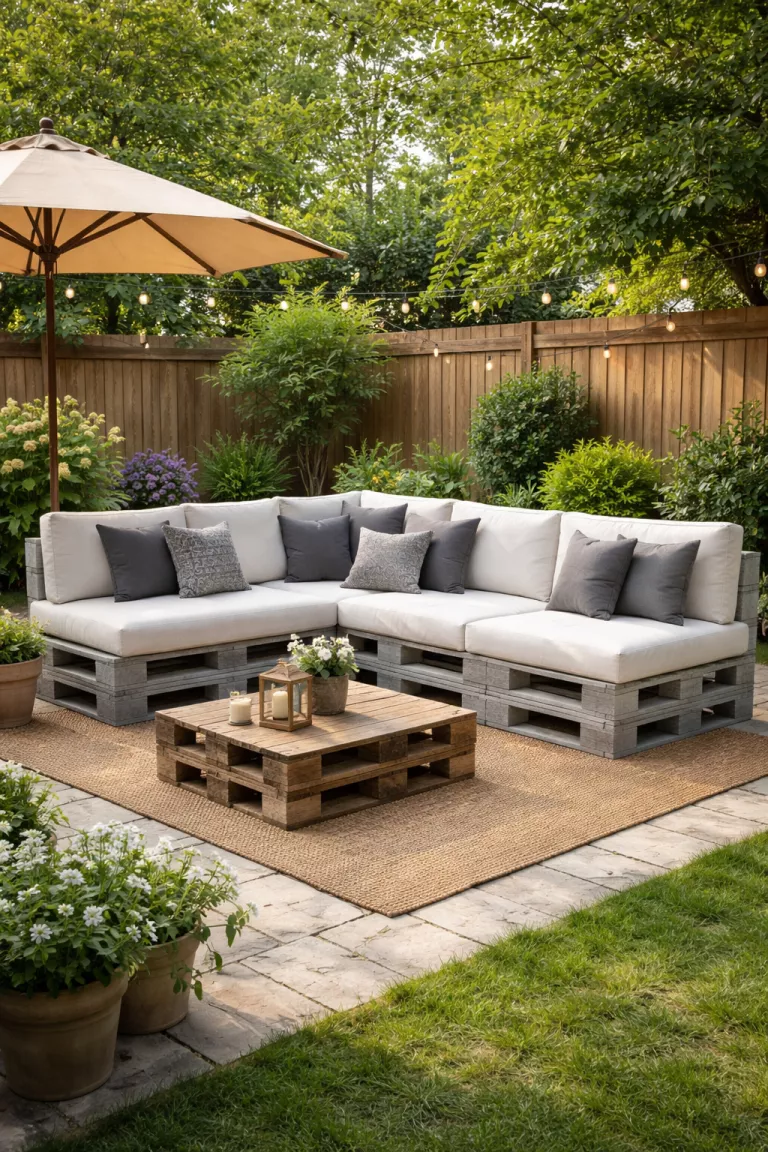
- Bistro Sets: A small table and two chairs are perfect for morning coffee or a quiet meal. They often fold up for storage.
- Garden Bench: A compact bench can provide seating and a place to admire your plants. Some even have storage underneath.
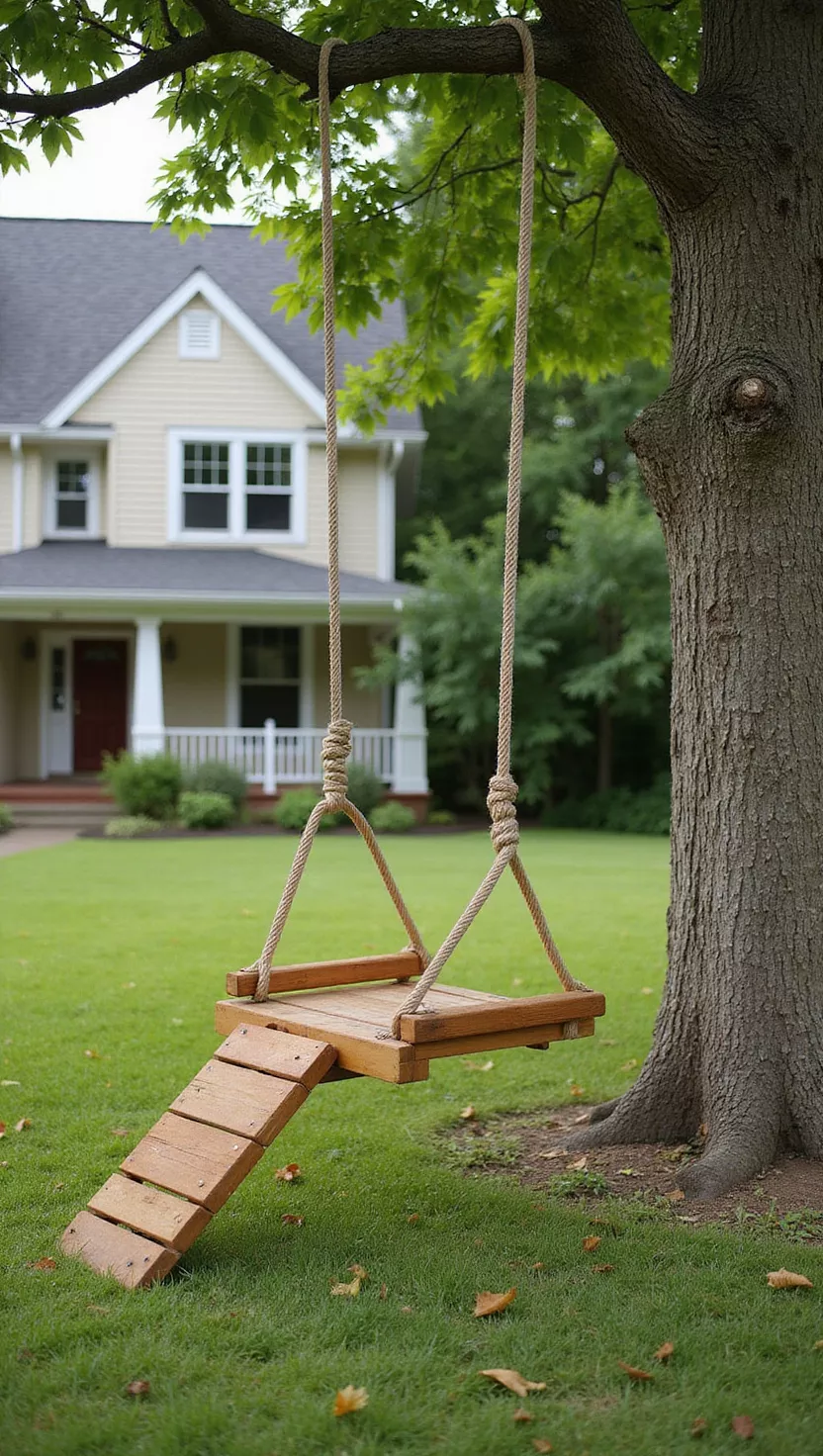
- Hammock or Swing Chair: If you have a sturdy spot, a small hammock or a hanging swing chair can be an incredible addition for lounging. You can string up a hammock between two strong trees, or sturdy posts, or get a freestanding one. Just be sure it will support your weight. Do not ask me how I know this.
Aesthetic Touches: Setting the Mood
Even in a small space, you can create ambiance.
- Lighting: String lights, solar lanterns, or a few well-placed candles can transform your backyard after dark.
- Sound: A small water feature, even a tabletop one, can provide a soothing sound. Wind chimes, if you enjoy them, can also add character.
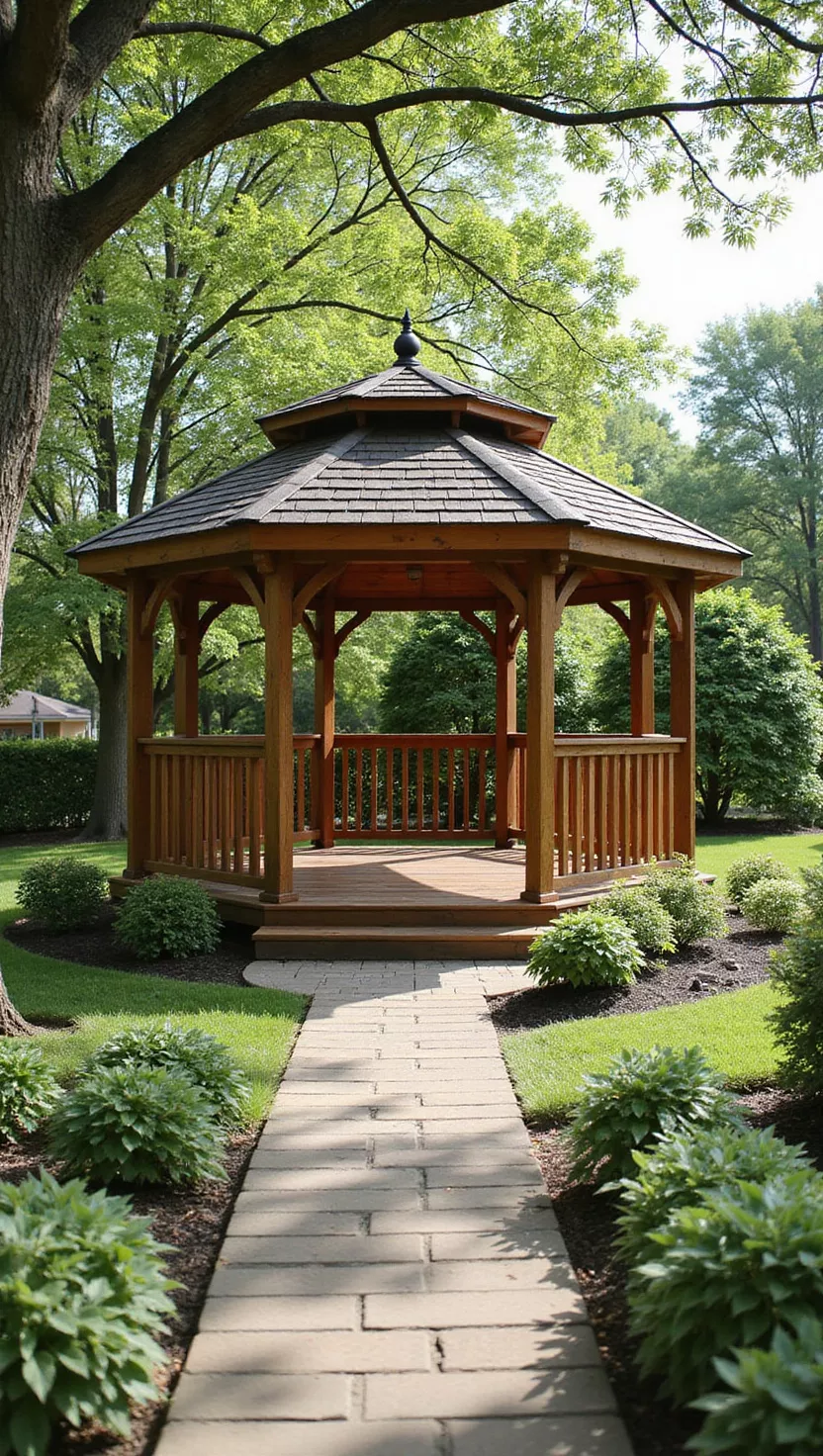
- Pathways: Even a simple path made of stepping stones can define areas and make your space feel more organized and inviting.
- Color: Use colorful pots, cushions, or even paint a fence a pleasant shade to add vibrancy.
Remember, your small backyard is not a limitation, it is an opportunity for clever design. With a little planning, you can relax, grow delicious food, and enjoy your own little slice of green paradise. It is amazing what you can do with a small space when you think vertically and prioritize what really matters to you.
FAQ: Your Burning Backyard Questions
How much sun do most vegetables need to grow well?
Most common vegetables, like tomatoes, peppers, and beans, need at least six to eight hours of direct sunlight per day to produce a good harvest. Leafy greens, such as lettuce and spinach, can tolerate a bit more shade, sometimes even thriving in four to six hours of sun.
Can I really grow fruit in a small backyard?
Absolutely! Many fruit plants have compact varieties perfect for small spaces. Look for dwarf fruit trees, bush berries like blueberries or raspberries, and even strawberries grown in hanging baskets or vertical planters. I once grew a dwarf lemon tree in a large pot on my patio, and it gave me a surprising amount of lemons.
What are some low-maintenance plants for a small food and relaxation garden?
Herbs like rosemary, thyme, and oregano are generally very low maintenance once established. For vegetables, consider cherry tomatoes, bush beans, or leafy greens. Succulents and ornamental grasses also add beauty to relaxation zones with minimal fuss.