Tips for Creating a Focal Point in Your Garden Design
You want your garden to wow people, a place where eyes just naturally drift to something beautiful. Forget those boring squares without personality. We are going to make your outdoor space truly unforgettable with some clever design tricks. Let’s make your garden the envy of the neighborhood.
Choosing Your Star Attraction: What Makes a Good Focal Point?
Think about your favorite movie. There is always that one actor everyone talks about, right? Your garden needs that same star power. It just does. A focal point is that special something that draws your eye and makes you say, “Wow, that is neat!”
Natural Wonders: Plants and Trees as Eye-Catchers
My neighbor, bless her heart, she tried to use a tiny little fern as her garden’s main attraction. It got lost. You need something strong, something with presence.
- Specimen Trees: A Japanese maple with its fiery autumn leaves or a stunning weeping cherry can be a year-round showstopper. I planted a `Bloodgood` Japanese Maple once, and every person who visited mentioned it.
- Bold Shrubs: Think hydrangeas with their big, fluffy blooms or a vibrantly colored `Burning Bush` in the fall. They just pop.
- Unique Plantings: Groupings of different textured plants or those with striking foliage like a `Dark Leaved Cordyline` can be really effective. It is all about contrast, you see.
Artistic Statements: Statues and Sculptures
Some people think garden art is only for fancy estates. Nonsense! A well-chosen piece can really elevate a simple garden.
I found this rusty old metal sphere at a flea market once. My husband, he looked at it like I lost my mind. But I put it right in the middle of my perennial bed, and suddenly, that spot had a purpose. It made the flowers around it almost glow.
Water Features: The Soothing Power of Sound and Sight
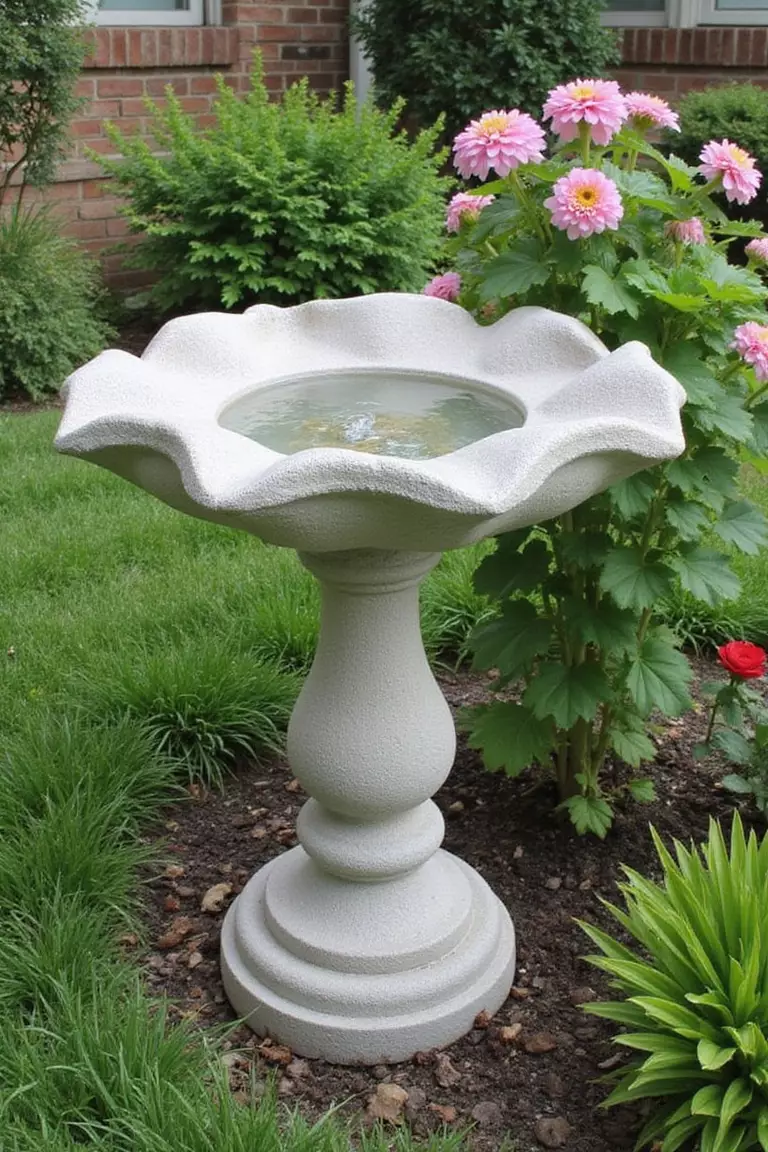
There is just something about water, is there not? The sound, the reflections, it is very calming. Plus, birds love it.
- Bird Baths: Simple, elegant, and they bring life to your garden. My cat, Mittens, he spends hours just watching the birds at ours.
- Fountains: Big or small, the sound of trickling water is incredibly relaxing. You can get really elaborate stone ones or simple bubblers.
- Ponds: If you are feeling ambitious, a small pond with lily pads and perhaps some goldfish can be a true masterpiece. Just remember, they do take some work. A lot of work, actually.
Architectural Elements: Bringing Structure and Interest
Sometimes, the best focal point isn’t alive at all. It is something sturdy and built.
My friend, Sarah, she converted an old shed into this charming little potting station with a bright blue door. Suddenly, her backyard had this adorable little cottage vibe. It was not planned, but it became the main event.
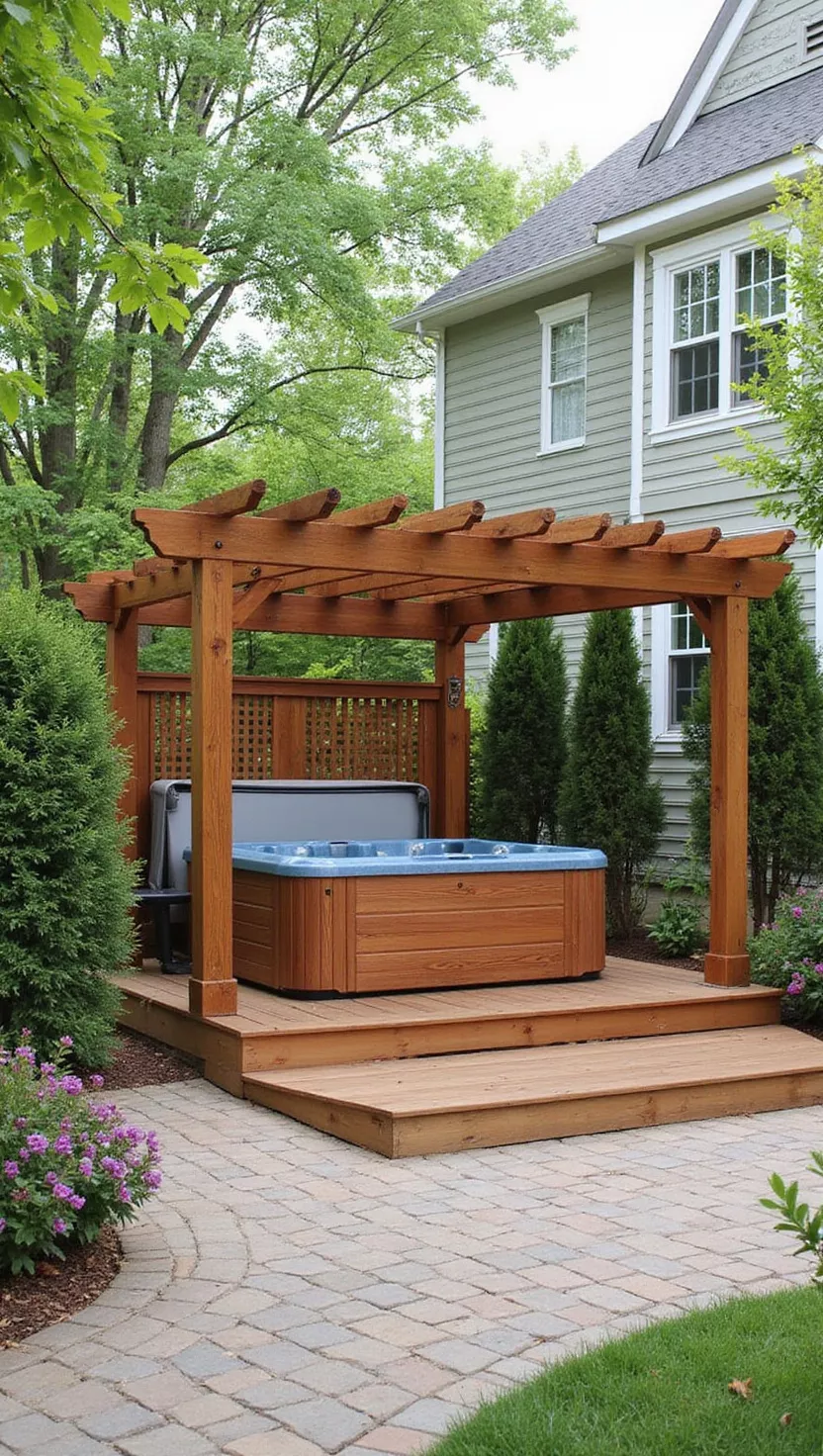
- Arbors and Pergolas: Covered with climbing roses or wisteria, they create a romantic entryway or a cozy seating area. They practically invite you in.
- Unique Benches or Seating: A beautifully crafted bench in a quiet corner can be very inviting. It says, “Come, relax a bit.”
- Gates and Doors: An ornate gate leading to another part of the garden, or even a whimsical fake door on a wall, can pique curiosity.
Placement is Everything: Where to Put Your Focal Point
You can have the most amazing ginkgo tree or the prettiest birdbath, but if you stick it behind the trash cans, no one is going to notice. Location, location, location. That is the secret.
The Golden Rule of Threes (and Odds): Visual Balance
My art teacher, Mr. Thompson, he always said, “Nature hates even numbers, kids.” He was a bit dramatic, but he had a point. Odd numbers create more visual interest.
You often see garden designers using things in groups of three or five. It just feels more natural and less “lined up for inspection.” When you place a focal point, think about what is around it. You do not want it to be all by itself in the middle of a vast lawn with nothing else around it. That is just sad.
Framing Your Masterpiece: Using Surrounding Elements
Imagine a picture frame. It helps draw your eye to the painting inside. Your garden can do the same thing.
| Technique | Description | Example |
|---|---|---|
| Pathways | Lead the eye directly to the focal point. | A winding gravel path ending at a bubbling fountain. |
| Plantings | Use taller plants on either side to “frame” a smaller feature. | Two tall cypress trees flanking a garden statue. |
| Openings | Create a view through an arbor or archway. | An archway draped in climbing roses revealing a quaint bench. |
I have this little seating nook in my backyard. You cannot see it from the patio initially. You have to walk down a small path, and then it is framed by two tall rose bushes. You find it, and it feels like a little discovery. People always say, “Oh, I did not even know this was here! It is lovely!”
Creating Curiosity: The Element of Surprise
I love a good surprise. Not a “surprise, you have taxes” kind of surprise, but a delightful one. Your garden can deliver that.
- Hidden Nooks: Tuck a small seating area or a unique sculpture around a corner.
- Peek-a-Boo Views: Allow glimpses of your focal point through trees or shrubs, enticing visitors to explore.
My old mentor, Mr. Henderson, he always said, “A good garden makes you want to see what is next.” He would strategically place little urns or a brightly colored perennial at the end of a path, just out of full view, so you just had to keep walking. He was a sneaky genius.
Beyond the Obvious: Textures, Colors, and Lighting
A focal point is not just about what it is, but how it interacts with its surroundings. It is like putting together an outfit. You do not just throw on a hat; you consider the shoes, the shirt, everything.
Color Play: Making Your Focal Point Pop
Color can really grab someone’s attention. It just works.
If your garden is mostly green, a bright red Japanese maple is going to stand out like a superstar. If you have a lot of pale pink flowers, a deep blue bird bath will create a beautiful contrast. Think about the color wheel. Opposites attract, even in a garden.
Texture Talk: Adding Depth and Interest
Texture is so overlooked. People focus on color, but texture adds so much character.
A rough, rustic stone statue next to soft, feathery ferns? Amazing. A smooth, reflective gazing ball against spiky ornamental grasses? Also amazing! It is about the feel, the visual touch. Think about smooth river stones next to jagged rocks. They both look interesting together.
Light It Up: Transforming Your Garden at Night
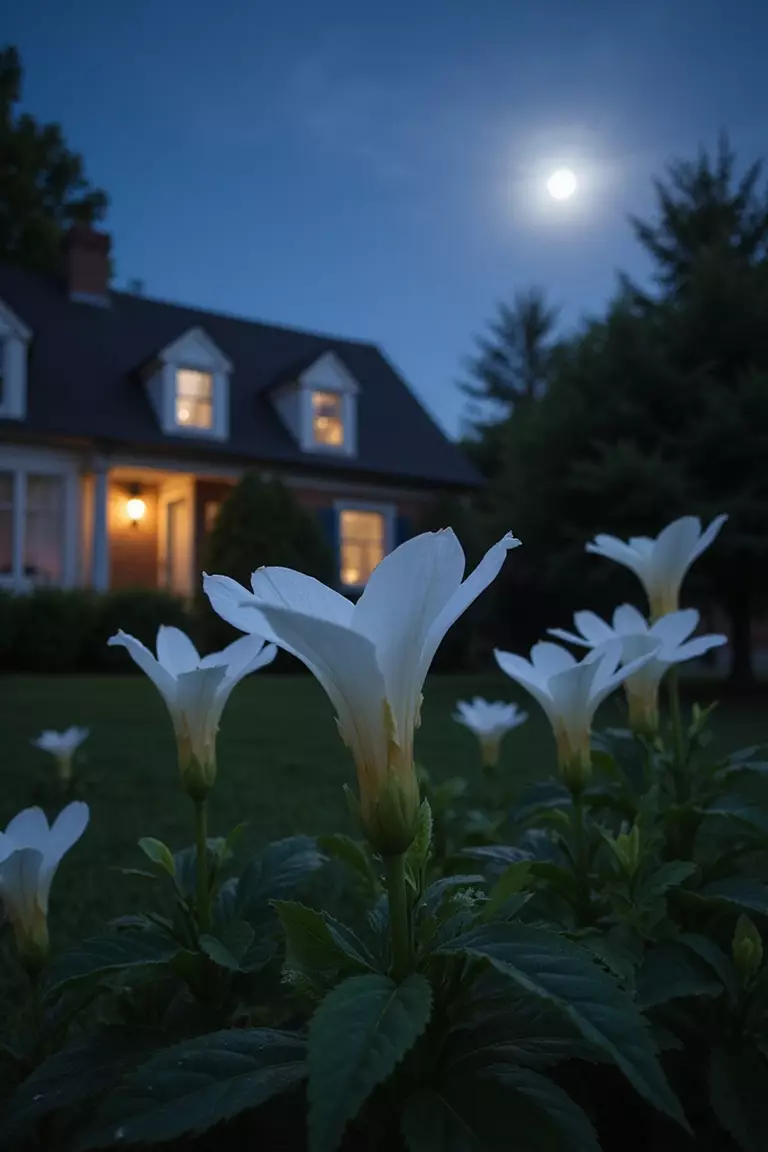
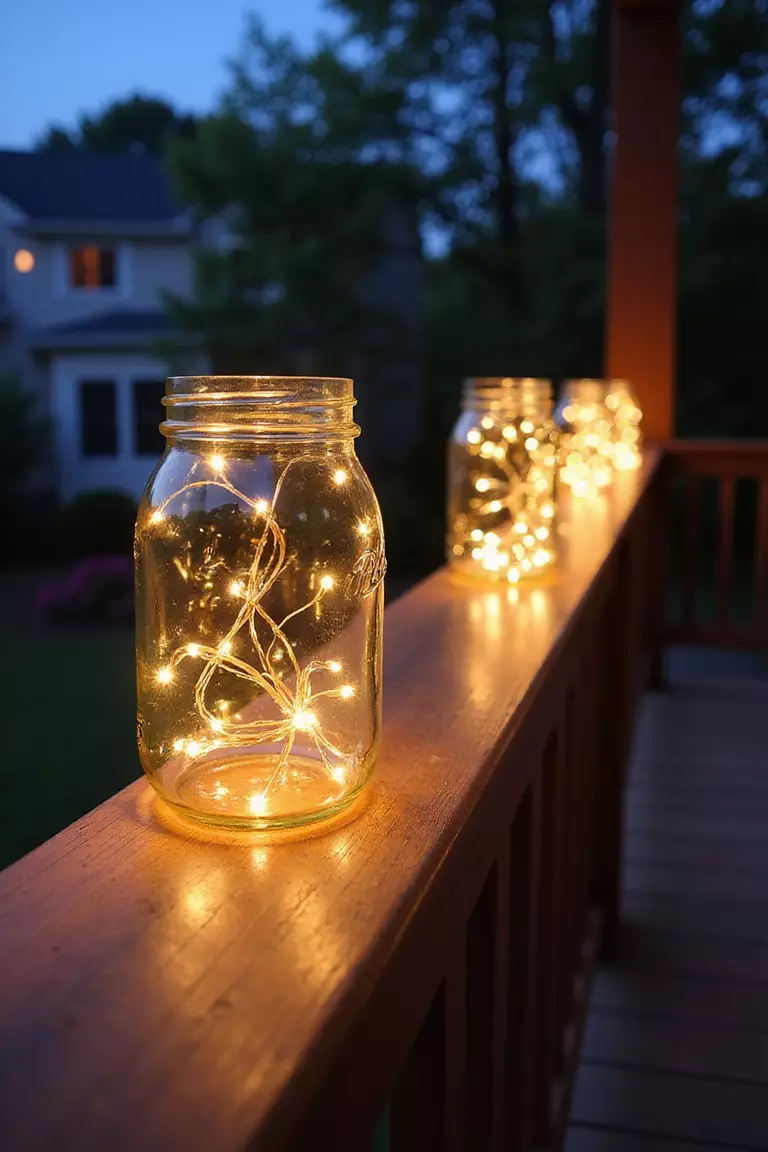
Do not let your garden go to sleep when the sun goes down. Lighting can turn your focal point into a magical nighttime display.
I put a subtle uplight on my oak tree focal point. At night, it casts these incredible shadows on the fence. It is a completely different experience than during the day. It is like having two gardens for the price of one.
- Uplighting: Shine lights from below to highlight the form of trees or sculptures.
- Spotlighting: Direct a focused beam on a specific feature.
- Path Lighting: Guide visitors towards your focal point.
Maintenance Matters: Keeping Your Star Shining
You have found your star, placed it perfectly, and even lit it up. Now, keep it looking good! A neglected focal point is just a neglected mess.
Plant Health: Happy Plants, Happy Garden
If your star plant looks sad and droopy, no one is going to be impressed.
Water it. Fertilize it. Prune it. Give it all the love and attention it deserves. If it gets a disease, treat it promptly. A healthy plant is a beautiful plant, and a beautiful plant makes a great focal point. I mean, my roses are a pain, but when they bloom, wow. Worth it.
Cleanliness and Care for Non-Plant Elements
That beautiful statue? It will get grimy. That charming bench? It will get covered in leaves.
Regular cleaning is not glamorous, but it is necessary. Give your bird bath a scrub. Wipe down your garden art. If things look dusty or dirty, it just takes away from the magic. Think of it like keeping your house clean. You just do it.
You got this. Your garden is going to be amazing, a real showstopper. People will probably ask you for advice, and then you can tell them what is what.
Frequently Asked Questions
What is the benefit of having a focal point in a garden?
A focal point gives your garden purpose and direction. It draws the eye, makes the space feel more intentional, and creates a memorable visual anchor that enhances the overall aesthetic. It transforms a collection of plants into a designed space.
Can I have more than one focal point in my garden?
Yes, you definitely can, especially in larger gardens. Just make sure they are not competing for attention or too close together. Each focal point should have its own designated space and purpose, perhaps leading from one area to another to create a sense of discovery.
How do I choose a focal point if I am on a tight budget?
You do not need to spend a lot of money to create a good focal point. You can repurpose old items like a unique piece of furniture or a large, interesting rock. Sometimes, simply pruning a common tree into a striking shape or creating a bold, colorful planting of annuals can be very effective and budget-friendly.