How to Keep a Garden Blooming Through Summer Heat
Summer approaches, bringing with it sun-drenched days and, sometimes, a wilting garden. You want your flowers to flourish, not faint, right? I totally get it. Let’s make sure your green oasis stays vibrant and beautiful even when the mercury climbs.
The Thirsty Garden: Understanding Water Needs
You know, water is like our garden’s personal trainer, it keeps everything hydrated and strong. Except, unlike a trainer, you cannot just tell it to do more pushups; you gotta provide it. And sometimes, you provide too much or too little. It truly is a balancing act.
When to Water: Early Mornings and Evenings
I tell everyone, early morning is the best time you can water your plants. The sun has not really cranked up the heat yet, so the water has a chance to soak into the soil before it evaporates.
Think of it like giving your garden a good breakfast before a busy day. My neighbor, bless her heart, waters at noon. All that water just goes straight up into the air; it does not even help the plant!
Evenings can work too, especially if you miss the morning. The air cools down, so less evaporation happens. But be careful; standing water overnight can invite some not-so-friendly fungal issues. You do not want that.
How Much to Water: Deep and Infrequent
Shallow watering is like giving a really thirsty person a teaspoon of water. It does absolutely nothing. You need to water deeply, so the roots actually go down into the soil to find what they need. This encourages stronger root systems. My grandma always said, “Water like you mean it!” And she was right.
For example, a good soak once every few days is better than a little sprinkle every day. How deep? You aim for about 6 to 8 inches into the soil. You really want that water to get down there.
Soil Matters: The Foundation of a Flourishing Garden
If your soil is not happy, your plants will not be either. It’s like trying to build a house on quicksand. You need a good foundation for anything to thrive. Healthy soil means healthy plants, simple as that.
Mulch: Your Garden’s Best Friend
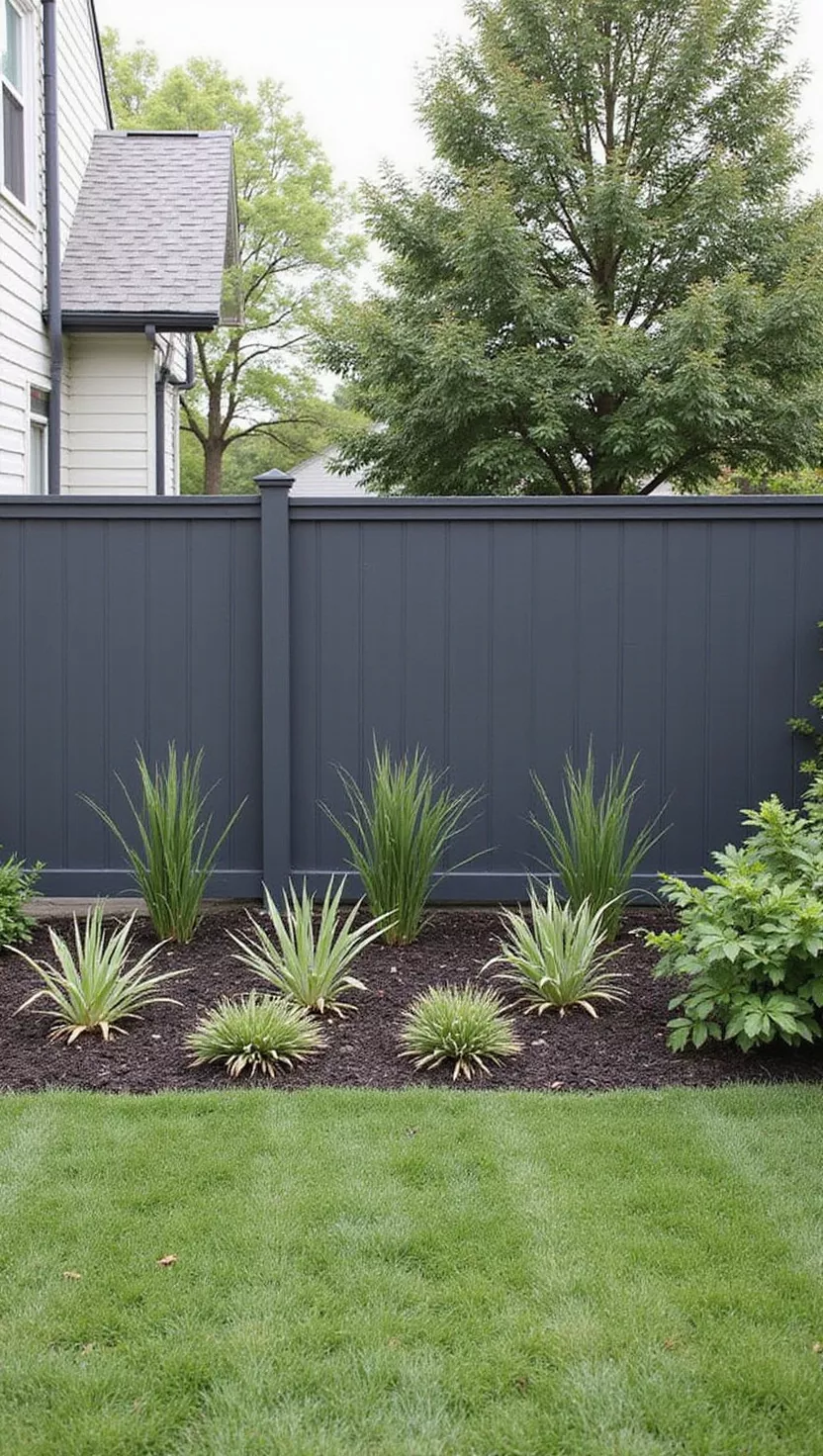
Oh, mulch! I could write a love letter to mulch. It is truly amazing. Mulch acts like a blanket for your soil, keeping it cool and moist. It also keeps those pesky weeds down, which compete for water and nutrients. I remember one summer, I ran out of mulch, and my tomatoes looked sad compared to the mulched ones. Never again.
You put about 2 to 4 inches of organic mulch, like wood chips, straw, or compost, around your plants. Keep it a little away from the plant stems, though, so they can breathe.
Compost: Nature’s Superfood
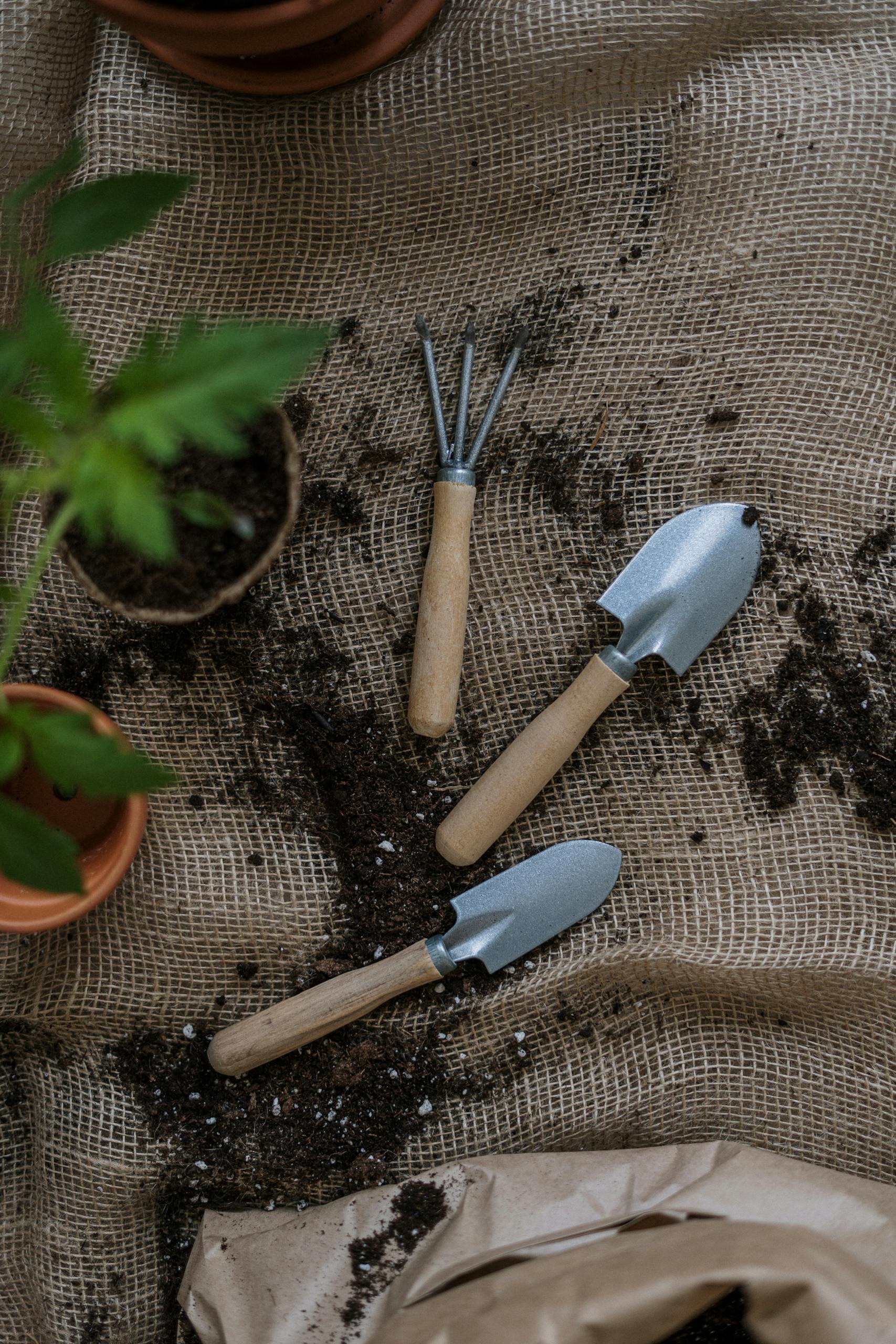
Adding compost to your soil is like giving your garden a vitamin boost. It improves soil structure, helps with water retention, and adds a ton of nutrients. My compost bin is my most treasured possession. Well, besides my trowel.
You just mix it into your soil when you plant, or you can top-dress your existing plants with it. Your plants will thank you with more blooms than you know what to do with.
Plant Selection: Picking the Right Players
You cannot expect a polar bear to be happy in the desert, right? The same goes for plants. Choosing plants that naturally love the heat is half the battle won. Do not fight nature; work with it!
Heat-Tolerant Annuals and Perennials
Some plants just inherently handle the heat better than others. You want to pick those. They are the survivors.
Annuals for Summer Heat:

- Lantana: This one is a champion. It thrives in the sun and does not seem to care how hot it gets. Plus, butterflies love it.
- Zinnia: Such cheerful flowers! They come in so many colors and really stand up to the heat. You just cut them and they keep blooming.
- Portulaca (Moss Rose): If you have a super sunny, dry spot, this plant is your answer. It practically dares the sun to get hotter.
Perennials for Summer Heat:
- Coneflower (Echinacea): These are tough as nails. They look beautiful and they just keep going.
- Sedum: Succulents that are cold-hardy and heat-tolerant. What’s not to love? They almost seem to prefer harsh conditions.
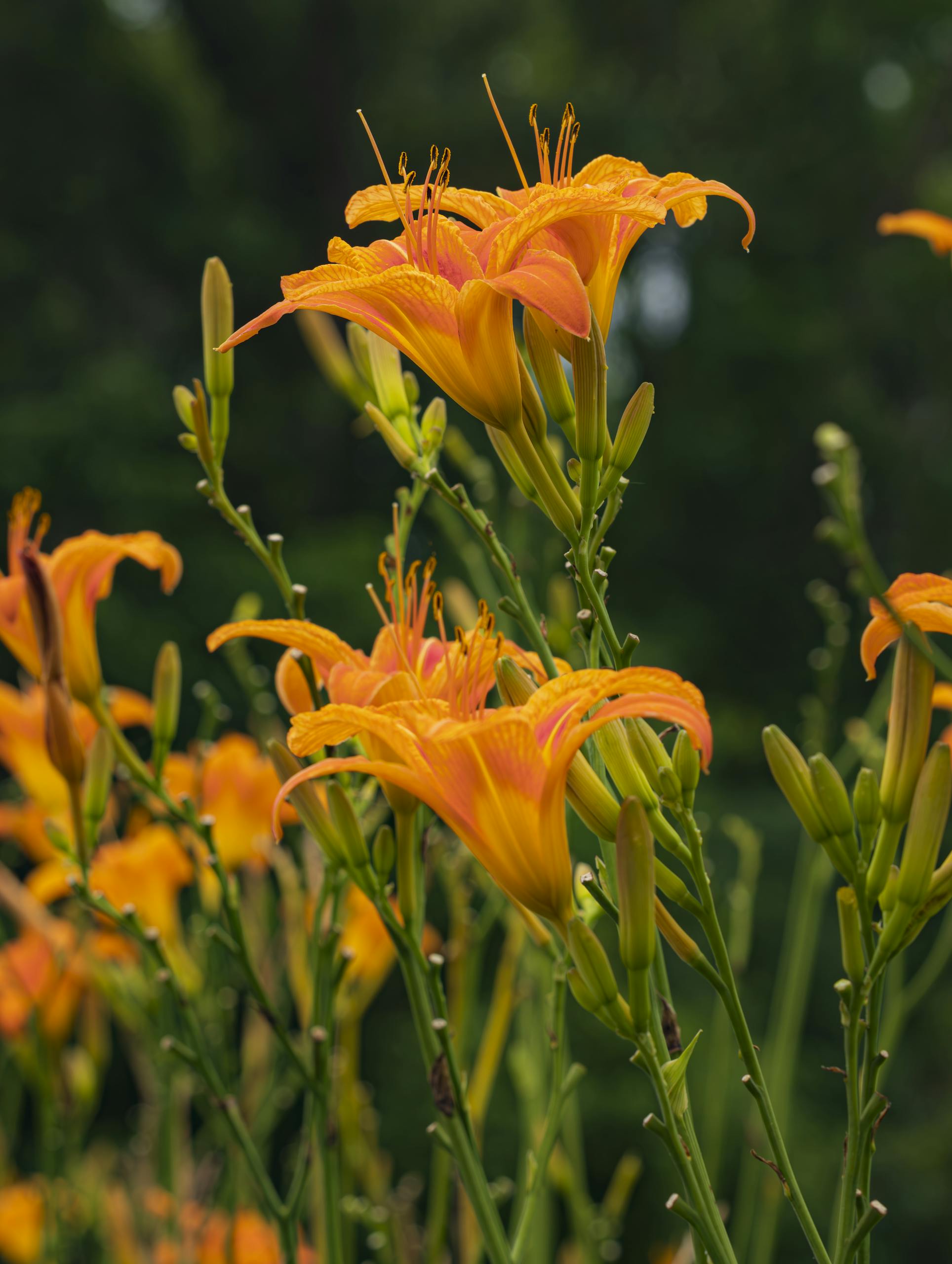
- Daylily: As their name implies, each bloom lasts a day, but the plant keeps producing more and more. They are really low maintenance.
Shade and Protection: Giving Your Plants a Break
Even heat lovers sometimes need a little siesta from the sun. Think about yourself on a scorching day; you want to find some shade, right? Your plants feel the same way.
You can use shade cloth, which is a mesh fabric that blocks some of the sun’s rays. It is easy to put up over sensitive plants or newly installed ones. I learned this the hard way after frying a few delphiniums my first summer gardening. Live and learn!
You can also use larger plants to provide natural shade for smaller, more sensitive ones. It is like having a big brother watching out for them.
Feeding Your Plants: Nutrients for Sustained Beauty
Just like we need good food to stay healthy, our plants need nutrients to keep blooming. A well-fed plant is a happy plant, and a happy plant keeps blooming through anything.
Balanced Fertilizers: Not Too Much, Not Too Little
When it is super hot outside, you generally want to ease up on the fertilizer. High nitrogen fertilizers can encourage a lot of leafy growth at the expense of flowers, and too much can actually burn your plants when they are already stressed by heat.
I prefer a slow-release granular fertilizer or a liquid feed at half strength during really hot spells. This gives them a steady supply of nutrients without overwhelming them. Think of it as a nice, gentle top-up, not a massive feast.
Micronutrients: The Unsung Heroes
Sometimes, plants also need tiny amounts of other stuff, like iron or magnesium. If all your main bases are covered and your plants are still looking a bit yellow or sad, it might be a micronutrient deficiency.
You can get tests for this, or sometimes a general all-purpose plant food will have them. It is like the trace minerals in our food; we need a bit of everything.
Pruning for Performance: Encouraging More Blooms
Pruning sometimes feels like you are hurting the plant, but you are actually helping it. It is like giving your plant a haircut that makes it grow back stronger and fuller.
Deadheading: The Secret to Continuous Blooms
This is one of the easiest and most effective ways to keep your flowers blooming. When a flower fades, you simply pinch or snip it off. This tells the plant, “Hey, you do not need to put energy into making seeds; make more flowers instead!”
I make it a habit to walk around my garden every morning with my coffee and my snips. It is very therapeutic, and my garden always looks better for it. It is like a little treasure hunt for spent blooms.
Light Pruning: Shaping for Success
Sometimes, a plant gets a bit leggy or unruly in the heat. A light trim can help it perk up and encourage new growth and more flowers. Just do not go crazy with the shears, especially when it is super hot. A little trim here and there is usually enough.
Here is a quick reference for common summer garden issues:
| Problem | Signs | Solution |
|---|---|---|
| Wilting Leaves | Leaves droop, feel soft | Deep watering early morning |
| Yellowing Leaves (Bottom) | Older leaves turn yellow | Possible nitrogen deficiency; light liquid feed |
| Scorched Leaves | Brown, crispy edges | Too much direct sun; provide shade |
| Few Flowers | Lots of leaves; minimal blooms | Possible too much nitrogen; deadhead regularly |
You know, gardening through the summer heat is not about magic. It is really about consistency and observation. Your plants talk to you through their leaves and flowers. You just have to learn to listen.
My advice is always to enjoy the process. It is not a chore; it is your personal little piece of paradise. And honestly, there is nothing quite like looking out at a yard full of vibrant, happy blooms when everyone else’s garden looks like it is contemplating retirement. You can do it!
FAQ
What happens if I forget to water for a few days during a heatwave?
Your plants will likely show signs of stress like wilting or drooping leaves, almost like they are fainting. Give them a good, deep drink first thing in the morning so they can recover before the sun gets too intense.
Can I overwater my plants in the summer heat trying to keep them cool?
Yes, you definitely can! Overwatering can actually suffocate the roots and lead to root rot, which is worse than a little dry spell. Always check the soil moisture before you water; stick your finger about an inch or two down.
Should I fertilize more during hot weather to help my plants bloom?
Actually, no, you should generally fertilize less when it is really hot. High temperatures stress plants, and too much fertilizer can burn their roots. If you must fertilize, use a very diluted solution or a slow-release type.