21 Garden Edging Ideas
Looking for ways to spruce up your garden borders? These 21 garden edging ideas will help you create clean lines and defined spaces in your yard. From simple DIY projects to creative upcycling, you’ll find something that fits your style and budget.
Stone Border Edging
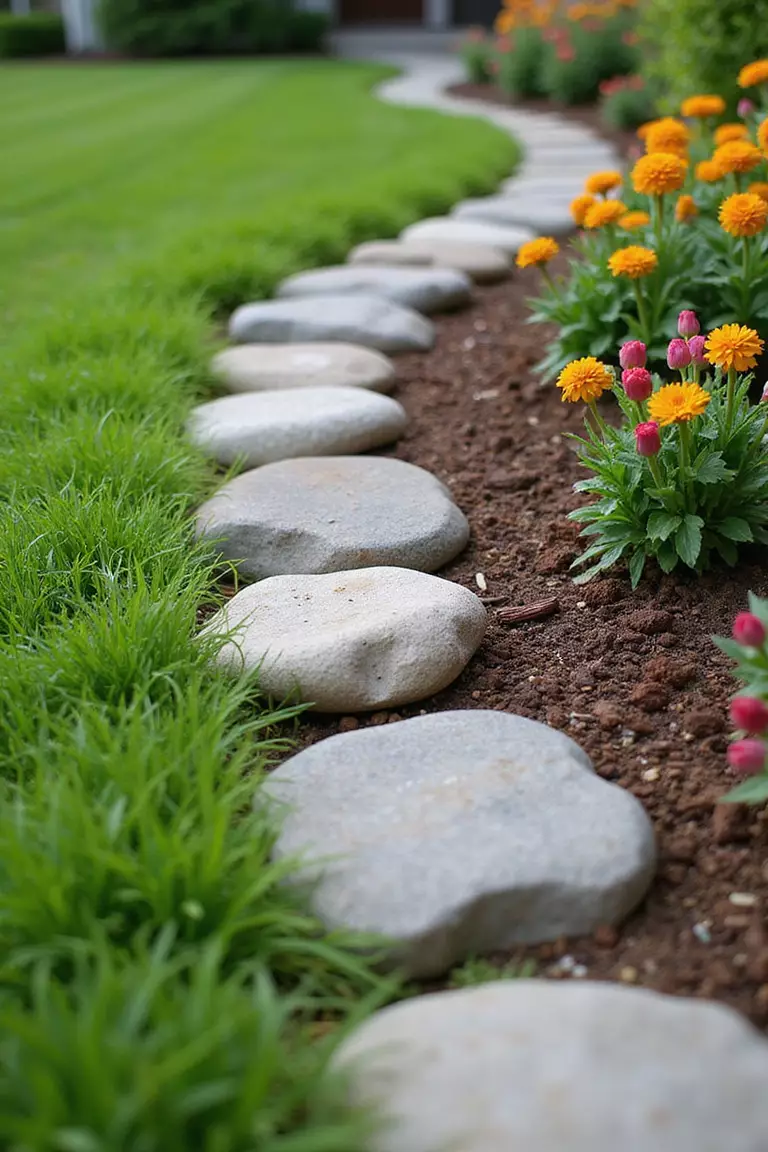
You can create a charming border with stones collected from your own yard or bought from a garden center.
Just dig a small trench, place your stones side by side, and press them firmly into the soil.
This natural-looking edge works well for cottage gardens and adds rustic charm to any outdoor space.
Brick Garden Borders

Bricks make sturdy, long-lasting garden edges that add a classic touch to your landscape.
You can lay them flat, stand them on end, or place them at an angle.
Try the “soldier course” method by standing bricks upright in a row, or create a more decorative edge with a herringbone pattern.
Wooden Edging
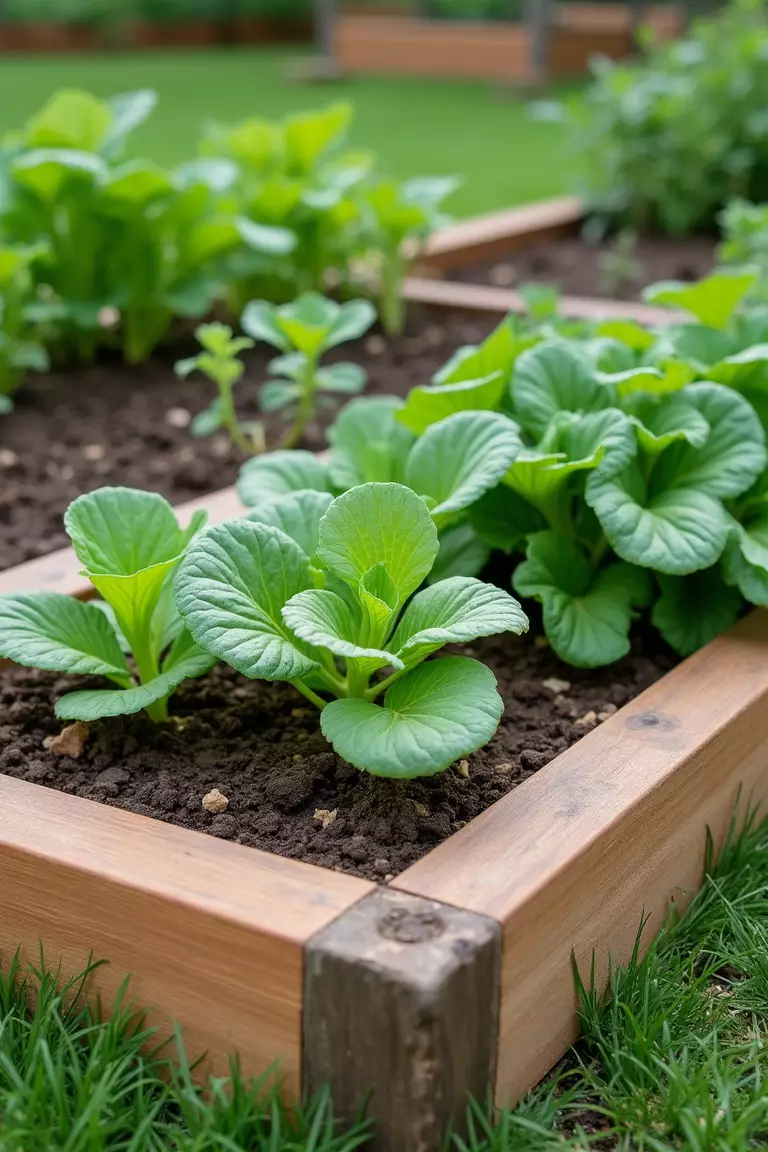
Wood gives your garden a warm, natural look.
Cedar and redwood resist rot naturally, making them good choices.
You can use simple lumber planks, log sections, or even fallen branches.
Just set them in place and secure with stakes or by partially burying them in the soil.
Metal Garden Edges

Metal edging creates clean, modern lines in your garden.
Steel, aluminum, or copper options are available at most garden centers.
You’ll need to dig a trench, insert the edging, and secure it with the provided stakes.
Metal edges are perfect if you want a nearly invisible border that holds its shape.
Plastic Garden Edging
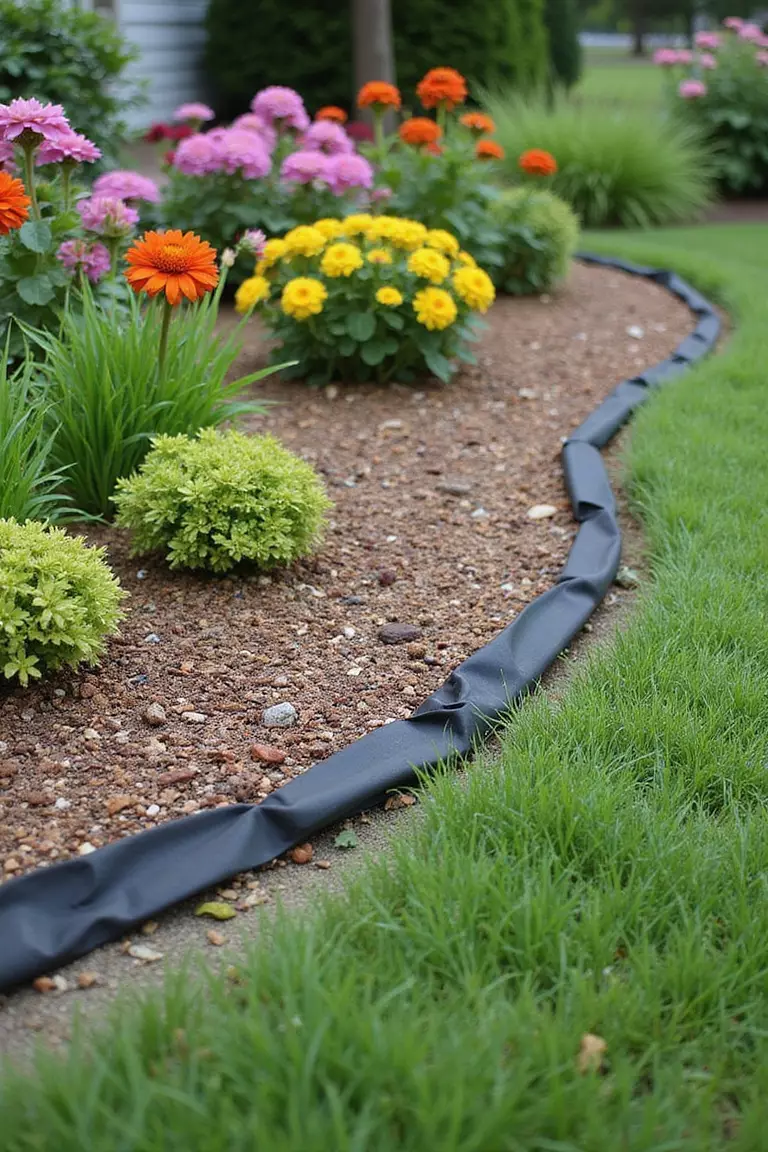
Plastic edging is affordable and easy to install.
It comes in rolls that you can cut to fit your garden’s shape.
Most types have a lip that sits flat on the ground, making lawn mowing easier.
You can find it in black, green, or brown to blend with your landscape.
Concrete Garden Borders
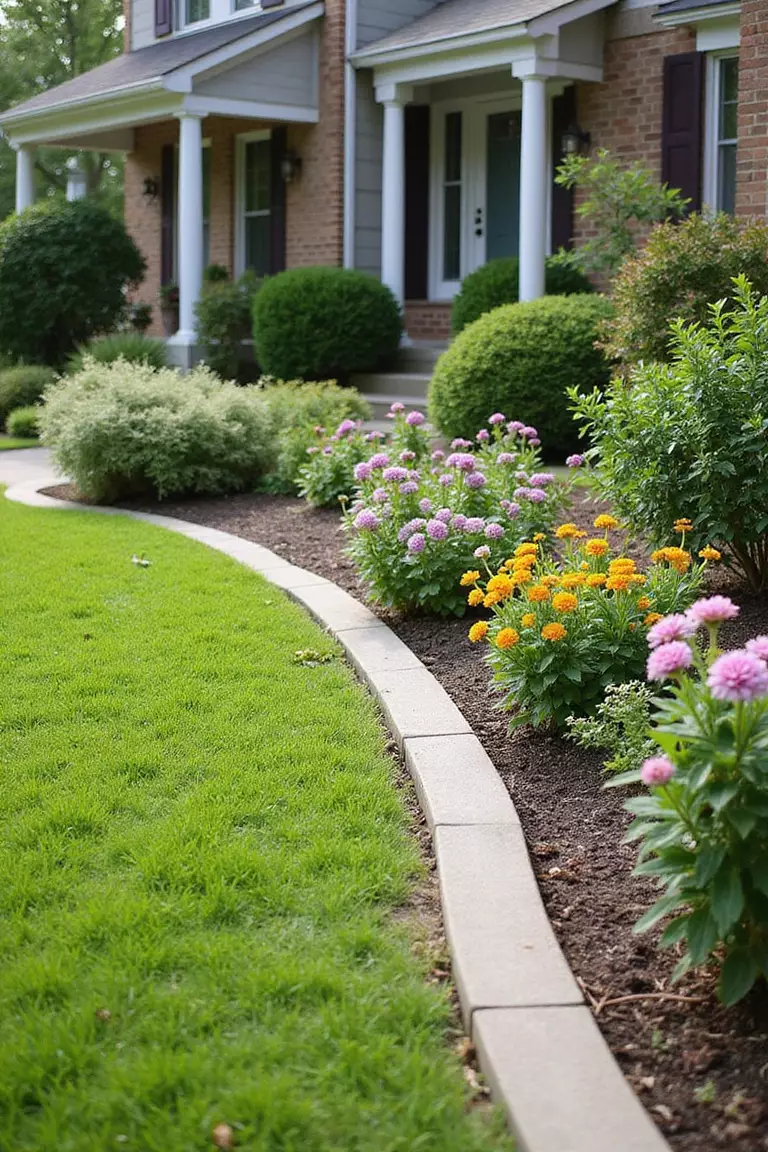
Concrete borders offer a clean, lasting edge for your garden.
You can pour your own using forms or buy pre-cast sections.
For a DIY approach, dig a small trench, set up forms, mix concrete, and smooth the top.
Once dry, remove the forms and enjoy your solid, permanent garden edge.
Glass Bottle Edging
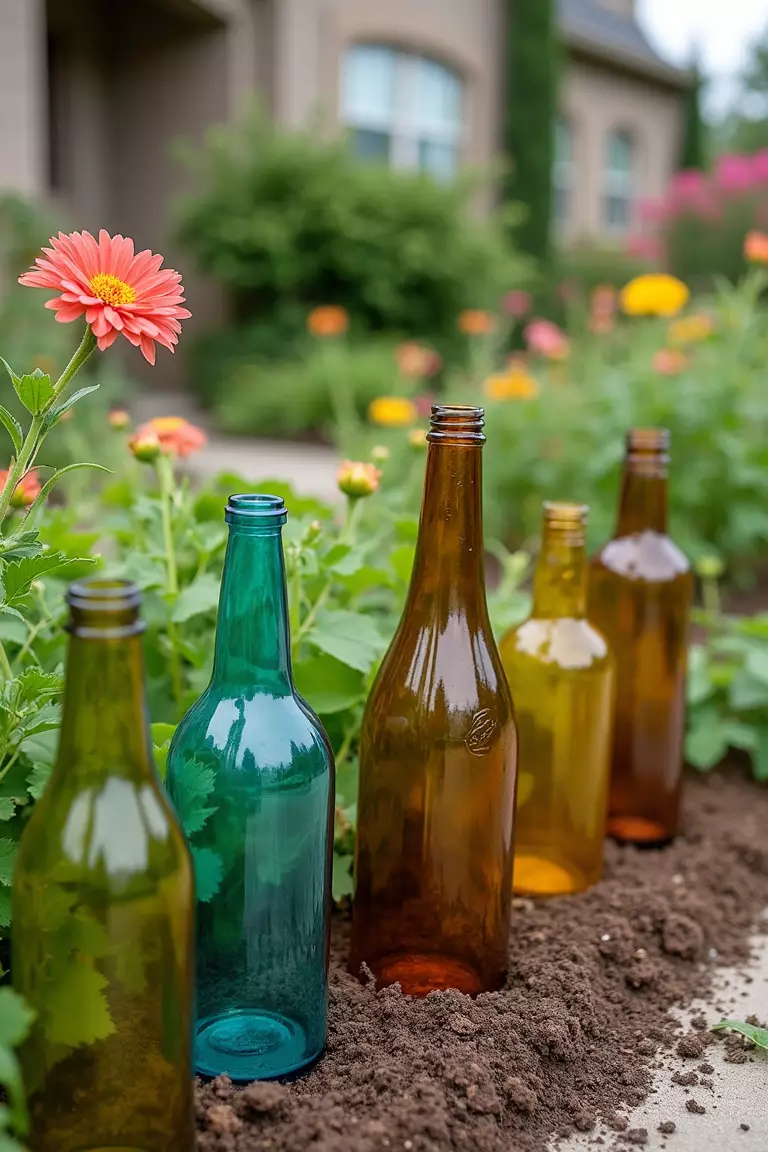
Turn your empty bottles into eye-catching garden borders!
Simply collect bottles in your chosen colors, clean them thoroughly, and bury them upside down about halfway into the soil.
The sunlight catches the glass beautifully, adding a pop of color and conversation starter to your garden beds.
Seashell Garden Borders

If you live near the beach or just love coastal style, seashells make charming garden edges.
Collect larger shells or buy them in bulk, then arrange them along your garden border.
You can set them in concrete for permanence or simply place them atop the soil for a casual beach-inspired look.
Woven Willow Edging
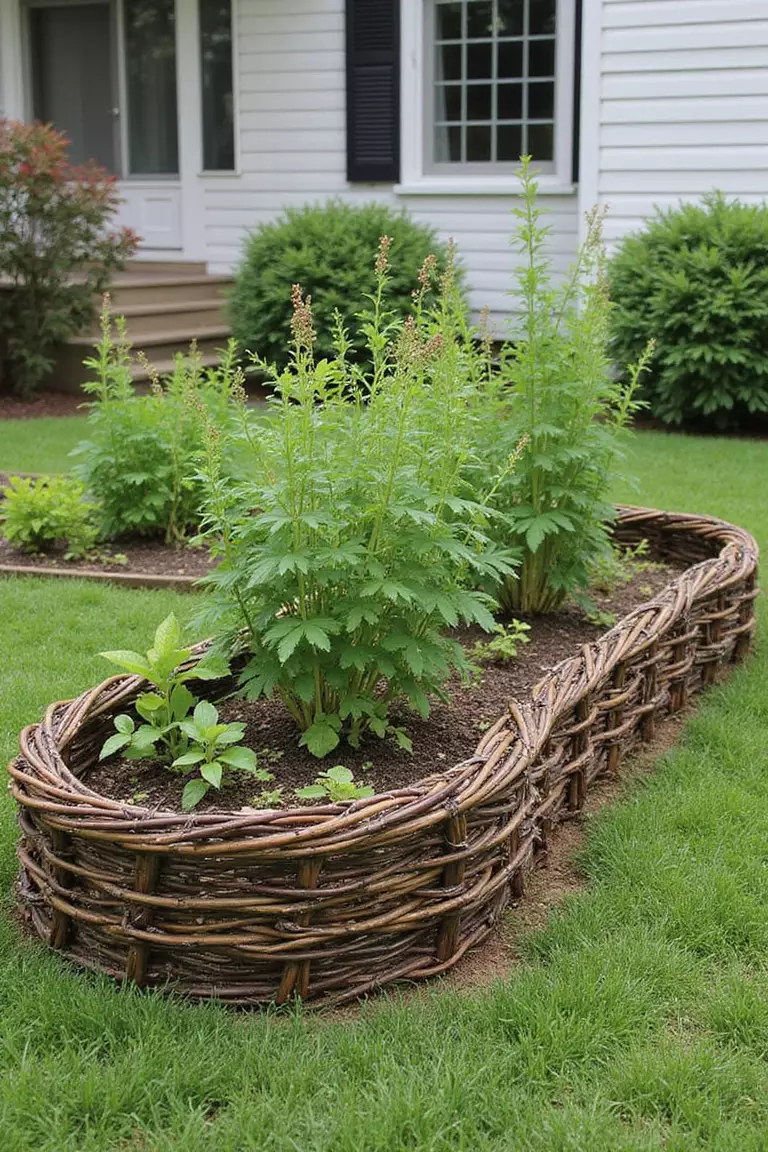
Woven willow creates a rustic, cottage-garden feel.
You can buy ready-made willow hurdles or make your own by weaving flexible willow branches between sturdy stakes.
This natural edging works well for vegetable gardens and informal flower beds, adding texture and old-world charm.
Rope Garden Edging
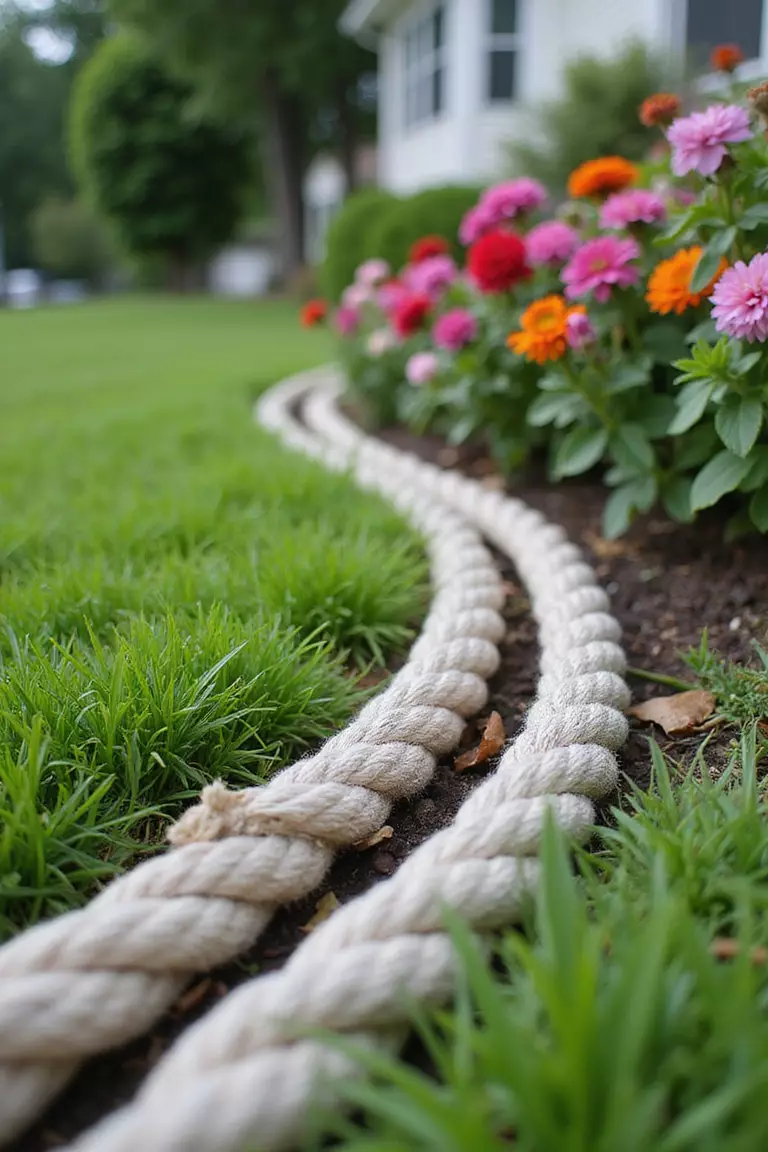
Thick rope offers a casual, beachy feel to your garden borders.
Simply lay heavy-duty rope (nautical rope works great) along your garden edge.
You can secure it with landscape pins or partially bury it.
This soft edge looks great in coastal-themed gardens or relaxed outdoor spaces.
Log Slice Borders

Cut logs into 2-3 inch slices and place them vertically along your garden edge.
You can set them at the same height for a uniform look or vary the heights for a more playful edge.
Bury them halfway in the soil to keep them stable.
The natural wood adds organic warmth to your garden design.
Pebble and Rock Edging

Small stones and pebbles create a smooth, flowing garden border.
Dig a small trench, line it with landscape fabric to prevent weeds, then fill with your chosen stones.
You can use a single color or mix different sizes and colors for added interest.
This edging works well with modern or Asian-inspired gardens.
Recycled Tire Edging
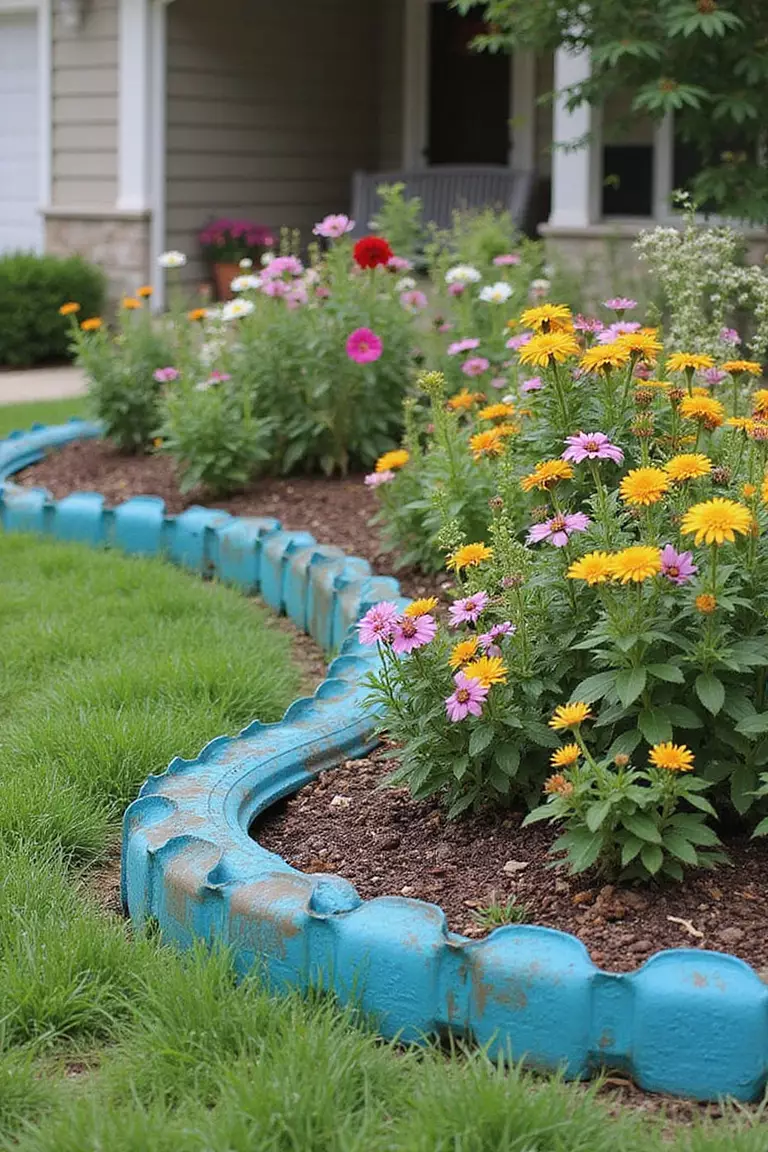
Give old tires new life as garden borders!
Cut tires in half or into flexible strips, then paint them in bright colors or earth tones.
Press them into the soil to create a wavy or straight edge.
This eco-friendly option is nearly indestructible and adds a playful touch to children’s gardens or casual spaces.
Terracotta Pot Edging
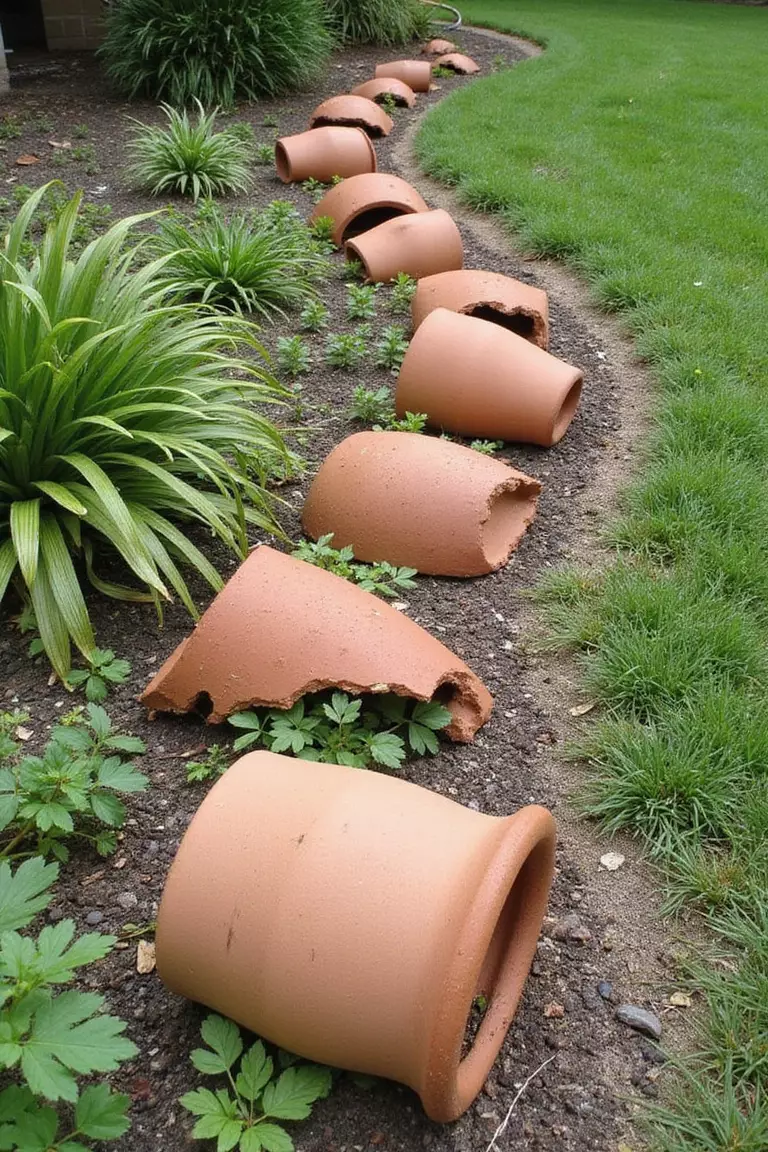
Broken terracotta pots make charming, rustic garden edges.
Instead of throwing away cracked pots, break them into large pieces and push them partially into the soil along your garden border.
The warm orange-brown color looks great against green plants and adds Mediterranean flair to your garden.
Gabion Wire Edging
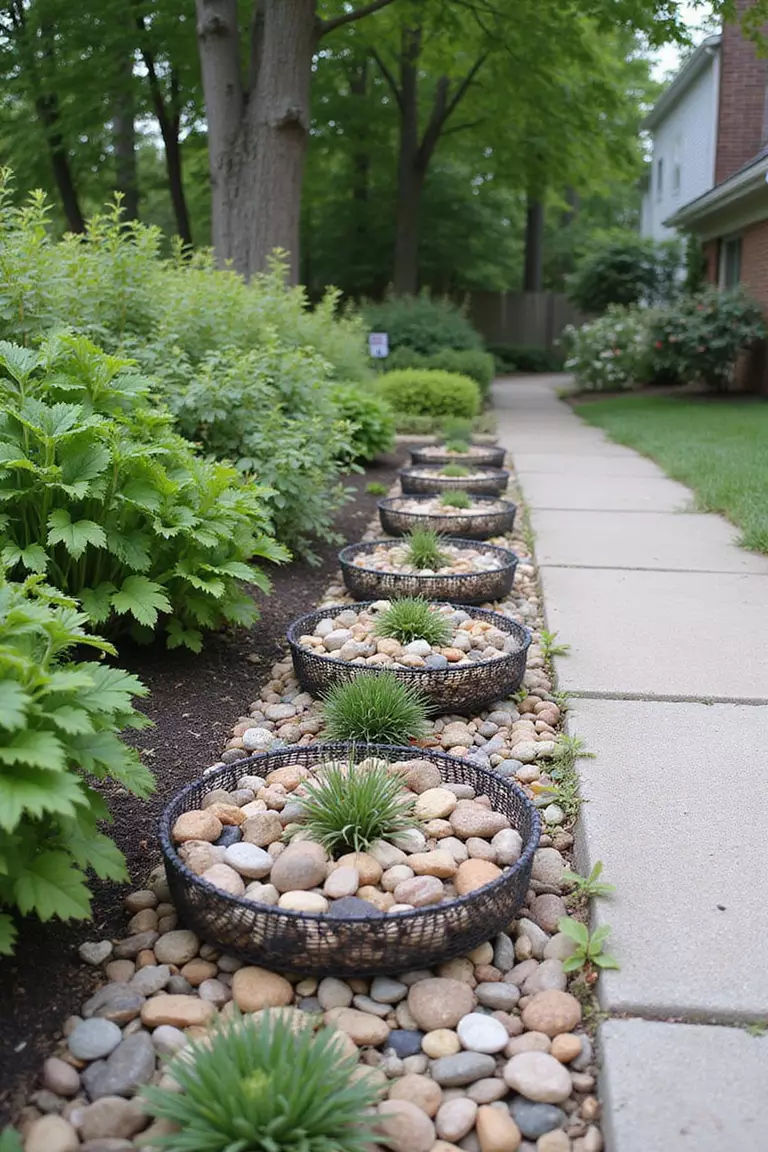
Gabion edges use wire mesh containers filled with stones, creating a strong border that allows good drainage.
You can make your own with hardware cloth and stakes or buy ready-made gabion baskets.
Fill with decorative stones, broken concrete, or even glass chunks for a modern, industrial look.
Living Plant Borders

Plants themselves can form beautiful edges!
Low-growing options like boxwood, lavender, or mondo grass create living borders that add color and texture.
Plant them closely for a dense edge, and trim regularly to maintain your desired shape.
This green edging softens garden lines naturally.
Concrete Block Edging

Concrete blocks offer a sturdy, affordable edging option.
You can lay them flat or stand them on end.
Paint them bright colors or leave them natural.
For added interest, fill the hollow centers with soil and plant small flowers or herbs.
This versatile edging works for vegetable gardens or casual borders.
Wine Cork Edging
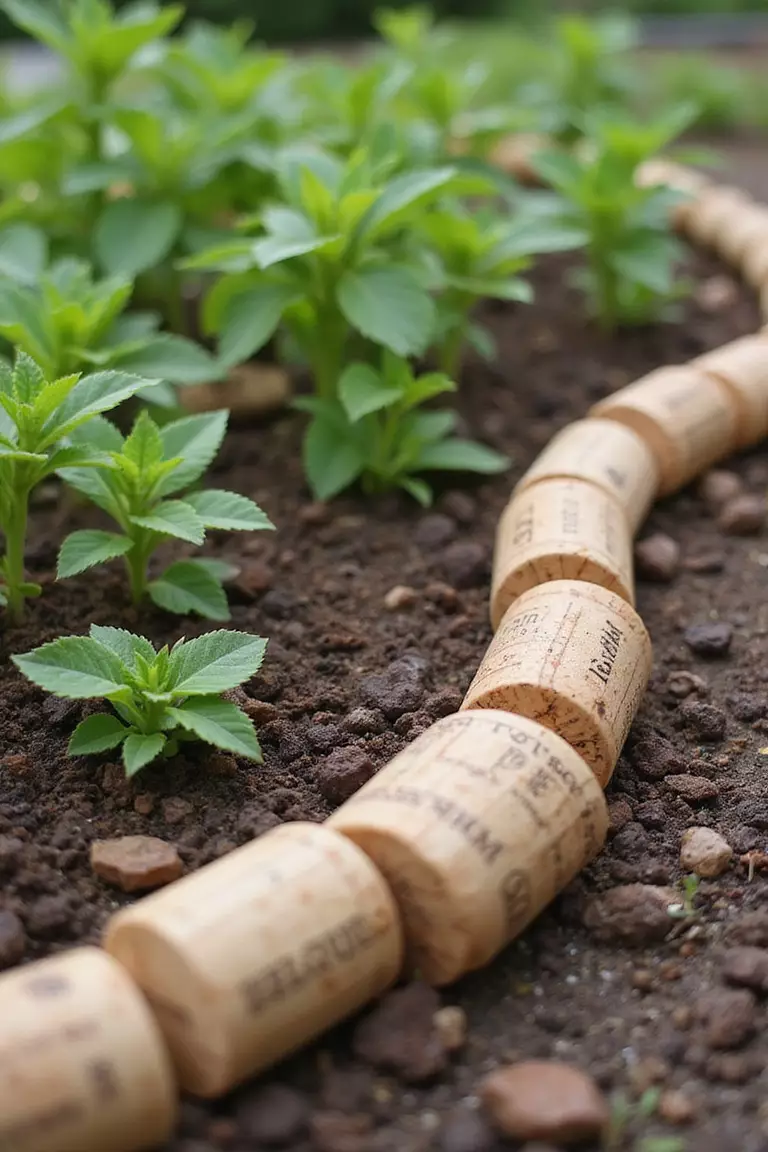
If you save wine corks, put them to use in your garden!
Push them vertically into the soil side-by-side to create a unique, textured border.
The natural cork will eventually break down, making this a temporary but fun edging option for herb gardens or small flower beds.
Bamboo Garden Edging

Bamboo adds an Asian-inspired touch to your garden.
Cut bamboo poles to equal lengths and push them into the ground, or lay flat sections of bamboo fencing along your borders.
The natural material works well with tropical plants or zen garden designs, adding warmth and texture.
Railway Sleeper Edging
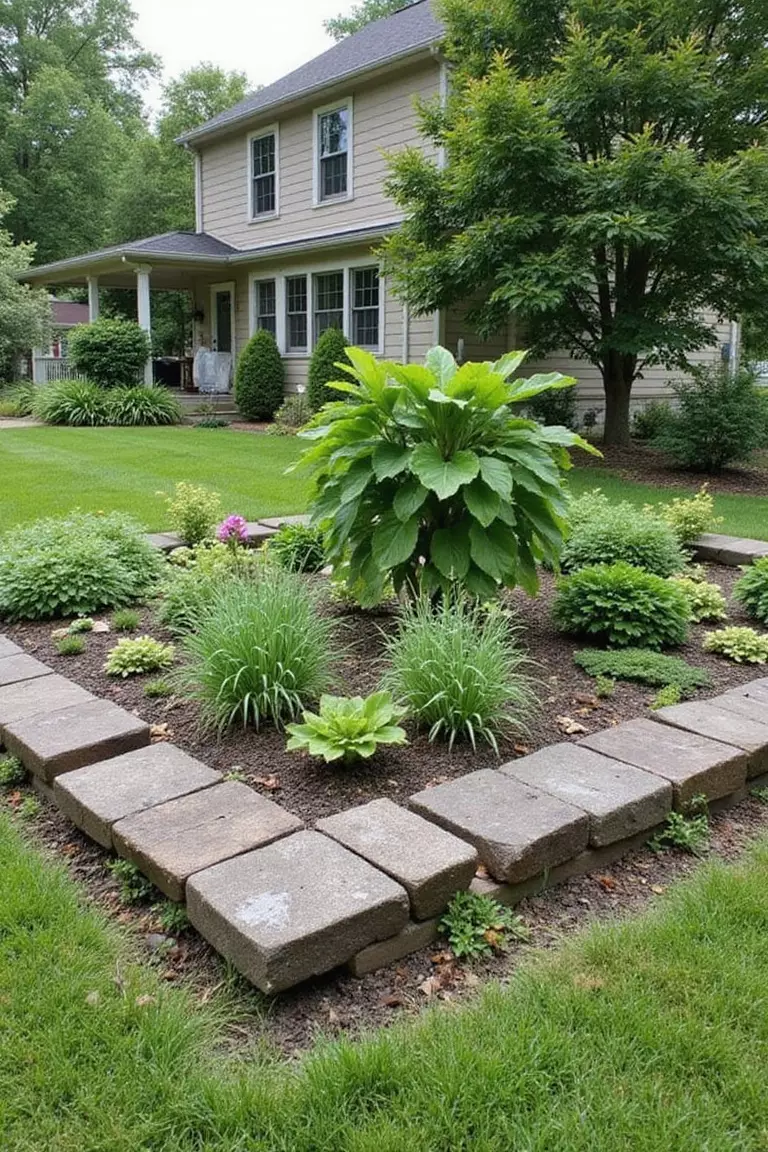
Railway sleepers (or landscape timbers) create substantial, rustic borders.
These heavy wooden beams can be stacked for raised beds or laid flat for simpler edges.
Their size makes them perfect for containing larger garden areas or creating level changes in sloped yards.
Crushed Glass Edging

Tumbled glass pieces add sparkle to your garden edges!
Available in various colors, this recycled material catches the light beautifully.
Create a trench, line with landscape fabric, and fill with your chosen glass.
This unique edging adds modern flair and works well with desert landscapes or contemporary designs.