How to Create a Seasonal Flower Rotation Plan
You want your garden to pop with color year-round, right? Nobody wants a drab patch of dirt after their spring bulbs fade. Crafting a smart seasonal flower rotation plan keeps your yard looking vibrant, from the first thaw to the last frost. It is easier than you think, even if your thumb is more brown than green.
Understanding Your Garden’s Rhythm
Your garden, bless its little heart, has a rhythm. You just need to figure out what that beat is. Knowing your climate, soil, and sunlight patterns makes all the difference when you are planning. It is like dating, really; you need to know what your garden likes.
Assessing Your Climate Zone
You probably already know your USDA hardiness zone. This little number tells you what plants can survive your winters. If you are in zone 5, planting a tropical hibiscus outside year-round will just make you sad. Trust me, I have been there; it feels like betrayal when they do not make it.
Knowing your zone helps select plants that will tolerate your specific temperature extremes. Look up your zip code if you are unsure; it is free and super helpful. You are saving yourself from future heartbreak.
Mapping Sunlight Exposure
Some plants are sun worshippers, others prefer a bit of shade. Before buying any plant, watch your garden throughout the day. Where does the sun hit? How long does it stay there? A full sun spot gets at least six hours of direct sunlight. Part sun means four to six hours, often in the morning.
My neighbor, bless her heart, bought a whole flat of impatiens for her scorching west-facing wall. They lasted about a week; it was a massacre. Do not be like my neighbor.
Testing Your Soil Composition
You cannot just throw plants in any old dirt and expect magic. Your soil is the foundation of your garden. A simple soil test kit, available at most garden centers, can tell you what nutrients your soil lacks and its pH level. This information is gold.
For example, hydrangeas love acidic soil, but lavender prefers it more alkaline. Knowing helps you amend the soil properly. Ignorance is not bliss in gardening, it is just wasted money.
Spring into Action: Early Blooms and Fresh Starts
Spring is for optimism and colorful explosions after a long winter. This is when you put those early risers into the ground. Think about bulbs, cool-season annuals, and early perennials.
The Magic of Bulbs

Bulbs are like tiny, buried promises. You plant them in the fall, forget about them, and then bam! Tulips, daffodils, crocuses, and hyacinths pop up in spring, sometimes when there is still snow on the ground. They are hardy, cheerful, and relatively low-maintenance.
I always plant extra daffodils. Some years, the squirrels seem to think I planted them just for their snacks. It is a constant battle of wits, but the daffodils usually win.
- Daffodils (Narcissus): Super deer-resistant, thank goodness.
- Tulips (Tulipa): So many colors and forms, but deer find them delicious.
- Crocuses (Crocus): Earliest bloomers, often before snow truly melts.
- Hyacinths (Hyacinthus): Fragrant and beautiful, but watch out for their strong scent if you are sensitive.
Cool-Season Annuals
Once the threat of hard frost passes, you can introduce some annuals that love cooler temperatures. Pansies, violas, and snapdragons are great choices. They add immediate color while your other plants are still waking up.
These annuals might fade a bit when summer’s heat really kicks in, but they give you a fantastic show early on. Consider them the opening act before the headliners arrive.
Perennials That Pop Early
Some perennials are just eager to get the party started. Bleeding hearts, primroses, and Lenten roses are all fantastic for early spring color. They come back year after year, which is basically free gardening.
My bleeding heart has been in the same spot for ten years. It is like an old friend, always showing up right on time, without asking for much.
Summer’s Grand Show: Sustained Spectacle
This is when your garden really shines. You want continuous blooms throughout the hottest months. Think about heat-tolerant annuals and long-blooming perennials.
Heat-Loving Annuals for Continuous Color
When the temperatures rise, some plants just wilt dramatically. Not these guys! Petunias, marigolds, zinnias, and impatiens (for shade) thrive in summer. They bloom like crazy, often until the first hard frost.
You can mix and match these for a riot of color. Just remember to deadhead them – that means pinching off spent blooms – to encourage more flowers. It is tedious, but it works Wonders. If you do not deadhead, it is like telling the plant, “Hey, stop making babies; you are done.”
Reliable Perennials for Summer
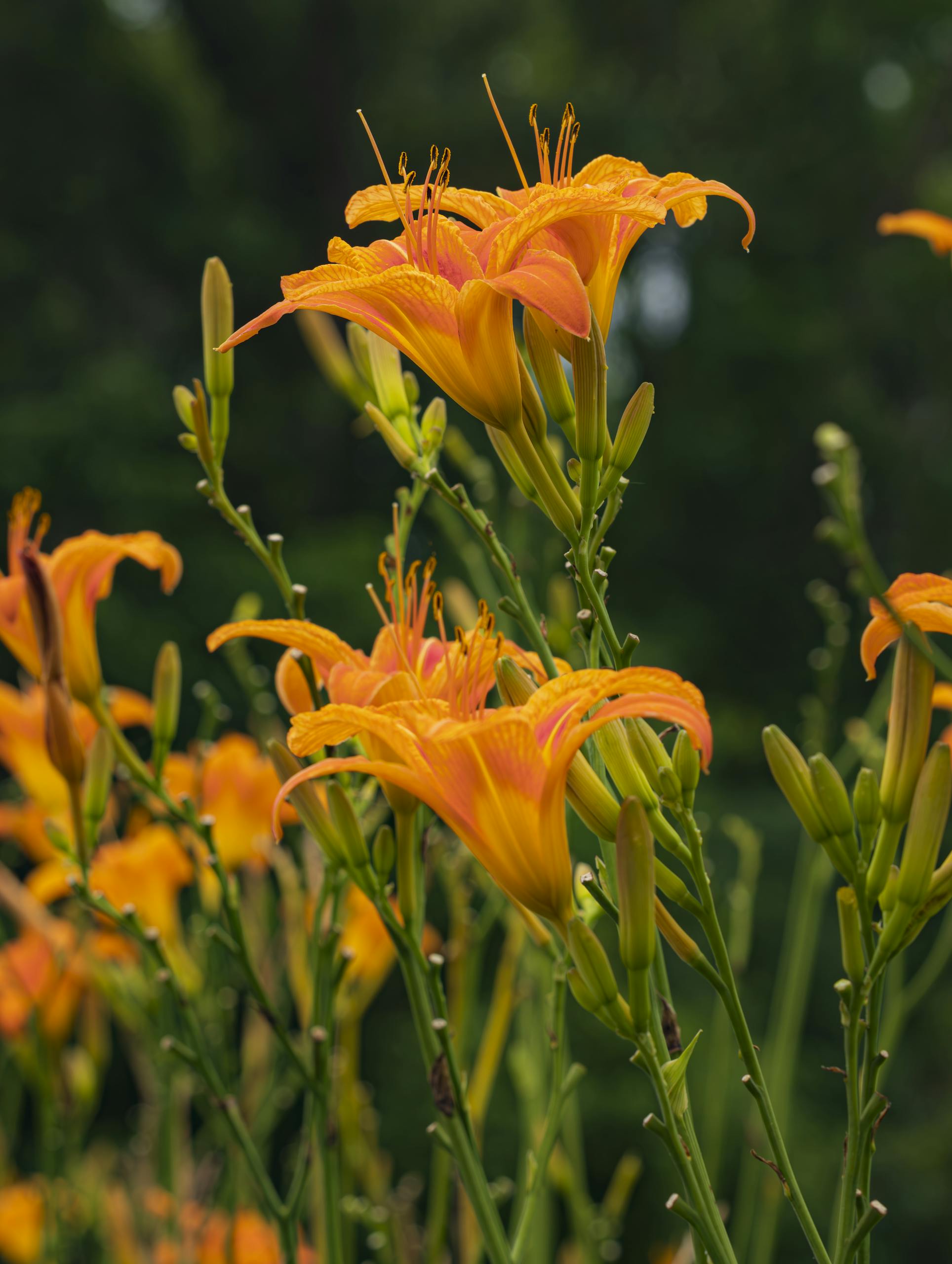
Many perennials hit their stride in summer. Daylilies, coneflowers, hostas (for shade), and black-eyed Susans provide consistent beauty. They offer different textures and heights, making your garden more interesting.
I have a patch of coneflowers that just defies logic. They get ignored, sometimes even stepped on, but they keep blooming. They are the tough guys of my garden.
Here is a little table to help you compare some choices:
| Plant Name | Sun Needs | Bloom Time | Notes |
|---|---|---|---|
| Petunia | Full Sun | Summer to Fall (until frost) | Loads of color, needs deadheading. |
| Daylily | Full Sun to Part Sun | Summer | Low maintenance, many varieties. |
| Zinnia | Full Sun | Summer to Fall | Great for cutting, attracts butterflies. |
| Hosta | Part Shade to Full Shade | Summer (for flowers) | Primarily grown for foliage, various leaf patterns. |
Autumn’s Rich Tapestry: Fall Finale
Just because summer is ending, it does not mean your garden has to go to sleep. Fall offers a chance for some spectacular, rich colors. Think about mums, asters, and more ornamental grasses.
Chrysanthemums: The Star of Fall
You cannot talk about fall flowers without mentioning mums. They come in every imaginable color and size, and they provide a massive burst of color just when everything else is winding down. You usually buy them already blooming, so instant gratification is guaranteed.
I once bought way too many mums. My front porch looked like a flower shop exploded. It was beautiful, but also a little excessive. Learn from my overenthusiastic mistakes.
Asters and Sedum for Late Color
Asters come in lovely shades of purple, pink, and white, and they are excellent for attracting late-season pollinators. Sedum, with its sturdy, succulent leaves, provides interesting texture and late-season flowers that often last through winter.
The bees absolutely love my Sedum ‘Autumn Joy.’ It is a hive of activity until the very first hard frost. It feels good providing a last meal for those busy little guys.
Winter Interest: Beyond the Blooms
When the flowers are gone, your garden does not have to be boring. Think about plants that offer winter interest through their bark, berries, or evergreen foliage. This is often overlooked, but it can make your winter landscape much more appealing.
Evergreens for Structure
Boxwood, hollies, and various conifers provide structure and color year-round. They are the backbone of your garden, especially when everything else is asleep. They give your eyes something to rest on.
My dwarf Alberta spruce always looks perfect, no matter the weather. It is the stoic, reliable friend in a garden full of drama queens.
Berries and Bark

Some plants just look fantastic in winter. Dogwood trees, for instance, have stunning red or yellow bark after their leaves drop. Winterberry hollies lose their leaves but hold onto bright red berries, which look amazing against snow and feed the birds. It is a win-win.
I planted a Winterberry ‘Red Sprite’ near my window. Watching the birds feast on those berries is better than any TV show. It is nature’s own reality program.
Putting Your Plan into Practice
Now that you know what plants do what, it is time to map it all out. Seriously, drawing a diagram helps. You do not have to be an artist; stick figures are fine, as long as you know what they mean.
Creating a Garden Calendar
Make a calendar for your garden. Note when you expect certain plants to bloom, when you need to plant new ones, and when it is time to prune or fertilize. This helps you stay organized. It is like a battle plan for botanical warfare, but much prettier.
- January-February: Plan, order seeds, prune dormant trees.
- March-April: Plant cool-season annuals and bulbs, start seeds indoors.
- May-June: Plant warm-season annuals, first flush of summer perennials.
- July-August: Deadhead, fertilize, water deeply, enjoy the show.
- September-October: Plant fall annuals, bulbs for next spring, prepare beds for winter.
- November-December: Clean up, mulch, enjoy evergreen interest.
Succession Planting
This is where the “rotation” part really comes in. When one plant fades, you replace it with another that is just about to bloom. For example, as your tulips finish, you can pop in some petunias. As your perennial dianthus winds down, zinnias can take its place.
It takes a little bit of planning, but it keeps things fresh. It is like constantly redecorating your garden, but with live plants instead of throw pillows.
Troubleshooting Your Seasonal Displays
Things will not always go perfectly. That is gardening. Bugs happen. Diseases happen. Sometimes the weather just decides to be awful. It is not your fault, usually. Just learn from it.
Pest and Disease Management
Keep an eye out for unwelcome guests. Aphids, slugs, and powdery mildew are common garden woes. Catching problems early makes them easier to manage. Sometimes, a strong spray of water is all you need for aphids. Other times, you might need something more. Research specific issues as they come up.
I once had an epic battle with tomato hornworms. Those things are terrifyingly huge. I spent hours hand-picking them off my plants. It was disgusting but victorious.
Adapting to Weather Whims
Mother Nature does not always cooperate. A late frost can destroy early plantings. A heatwave can stress out even the toughest plants. Be prepared to cover delicate plants or water more frequently during extreme weather. Your plants will thank you for being flexible.
One spring, we had a freak snowstorm in May. My newly planted impatiens looked utterly forlorn. I covered them with old sheets. Most of them survived. It was messy, but it worked.
FAQ
How do I know which plants are right for my climate?
You can find your specific USDA plant hardiness zone online by entering your zip code. This zone number will tell you which plants are likely to survive the winter temperatures in your area, guiding your plant selections.
What is the difference between annuals and perennials?
Annuals complete their life cycle in one growing season and need to be replanted each year. Perennials come back year after year from their rootstock, providing long-term garden interest with less effort.
How often should I water my plants in a seasonal rotation?
Watering frequency depends on the plant type, soil, and weather. Generally, you should water when the top inch or two of soil feels dry to the touch, ensuring deep watering to encourage strong root growth.