22 Perennial Garden Ideas
Looking to spruce up your outdoor space? These 22 perennial garden ideas will help you create a stunning garden that comes back year after year. You’ll save time and money while enjoying beautiful blooms each season.
Create a Butterfly Garden
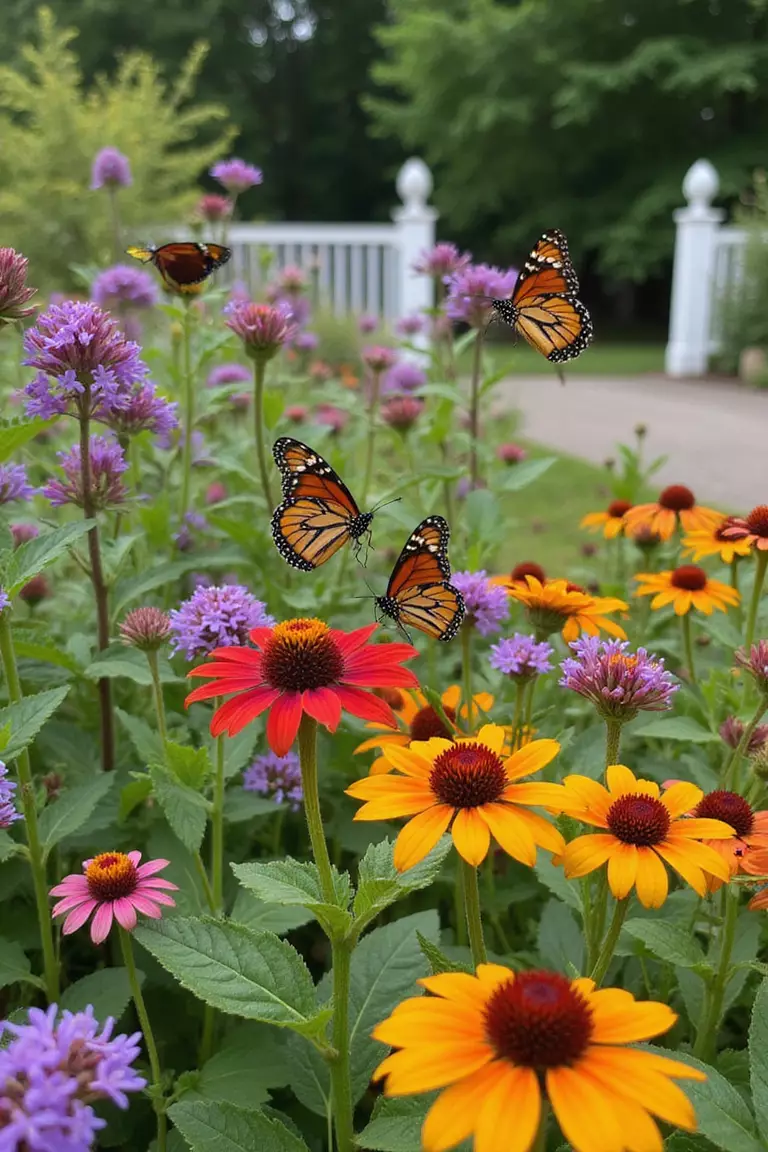
You can attract butterflies to your yard by planting nectar-rich flowers like coneflowers, black-eyed Susans, and butterfly bush.
Add milkweed as a host plant for monarch caterpillars.
Place your butterfly garden in a sunny spot with some shelter from strong winds.
Design a Shade Garden
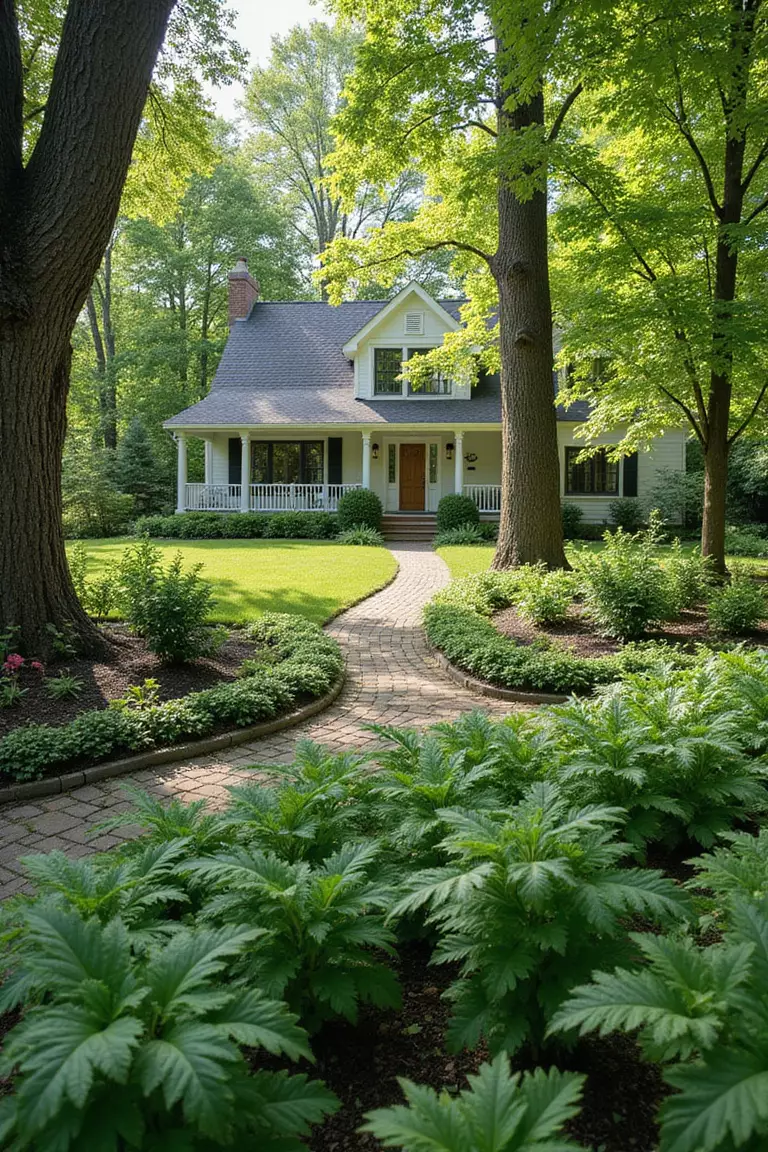
Don’t let those shady spots go to waste!
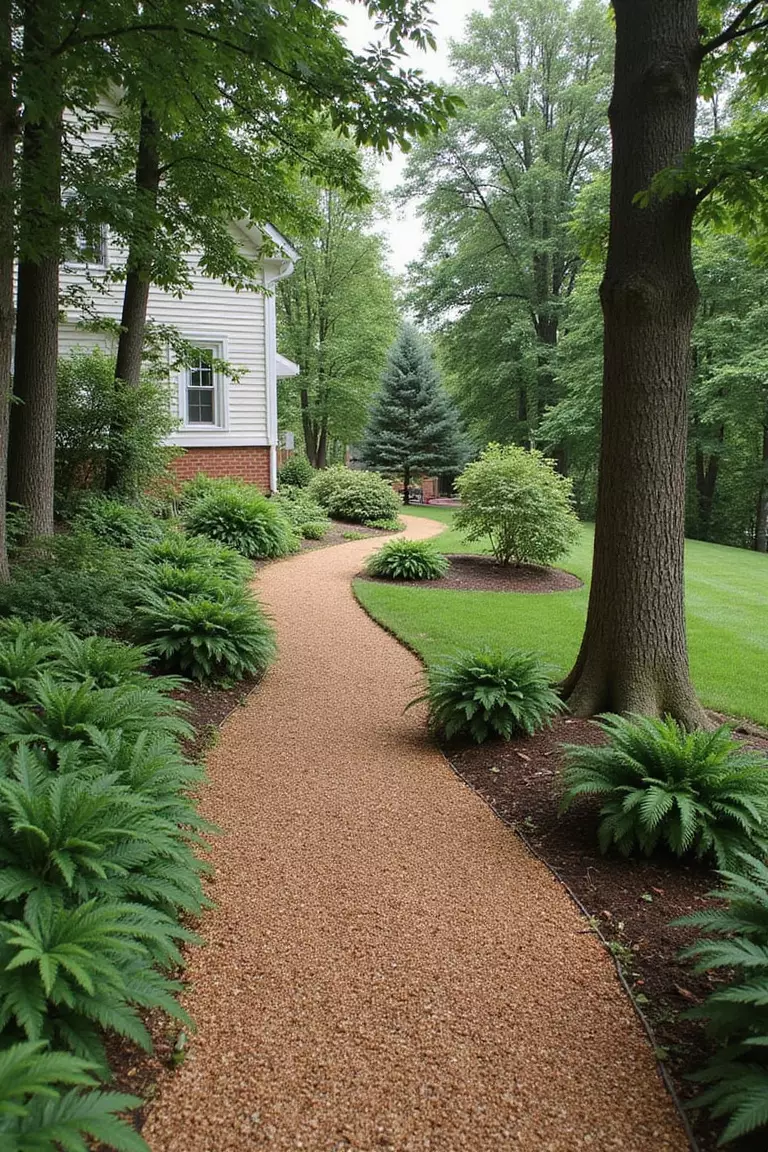
Fill them with shade-loving perennials like hostas, ferns, bleeding hearts, and astilbes.
These plants thrive where others struggle.
Add a bench nearby to create a cool retreat for hot summer days.
Plant a Rock Garden

Rock gardens work great on slopes or areas with poor soil.
Plant drought-resistant perennials like sedums, sempervivums, and small dianthus between and around rocks.
These tough plants need little water once established and provide year-round interest with their unique shapes.
Build a Rain Garden

You can manage water runoff by creating a shallow depression planted with water-loving perennials.
Choose plants like irises, coneflowers, and native grasses that can handle both wet and dry conditions.
Your rain garden will help prevent flooding and filter pollutants.
Grow a Cutting Garden

Plant rows of flowers that you love in vases – like dahlias, coneflowers, black-eyed Susans, and phlox.
Group similar plants together for easy cutting.
You’ll have fresh flowers for your home all season long without depleting your main garden displays.
Install a Pollinator Paradise

Help bees, butterflies, and hummingbirds by planting their favorite flowers.
Include early, mid, and late-season bloomers like salvias, bee balm, catmint, and coneflowers.
Avoid using pesticides in this area.
Your garden will buzz with activity while these helpers pollinate your plants.
Design a Four-Season Garden

You can enjoy your garden year-round by choosing plants for each season.
Plant spring bulbs, summer-blooming perennials, fall asters and sedum, and evergreens for winter structure.
Add ornamental grasses that look good even when covered with frost or snow.
Create a Vertical Garden

Make use of vertical space by growing climbing perennials on trellises, fences, or arbors.
Clematis, honeysuckle, and climbing roses add height to your garden.
Vertical gardening works well in small spaces and creates dramatic visual impact without taking up much ground area.
Plant a Fragrance Garden

You’ll love sitting near plants chosen for their wonderful scents.
Plant lavender, roses, peonies, and lilies near patios, windows, or garden benches.
Group fragrant plants together to create a stronger impact.
The sweet smells will draw you outdoors more often.
Design a Xeriscape Garden
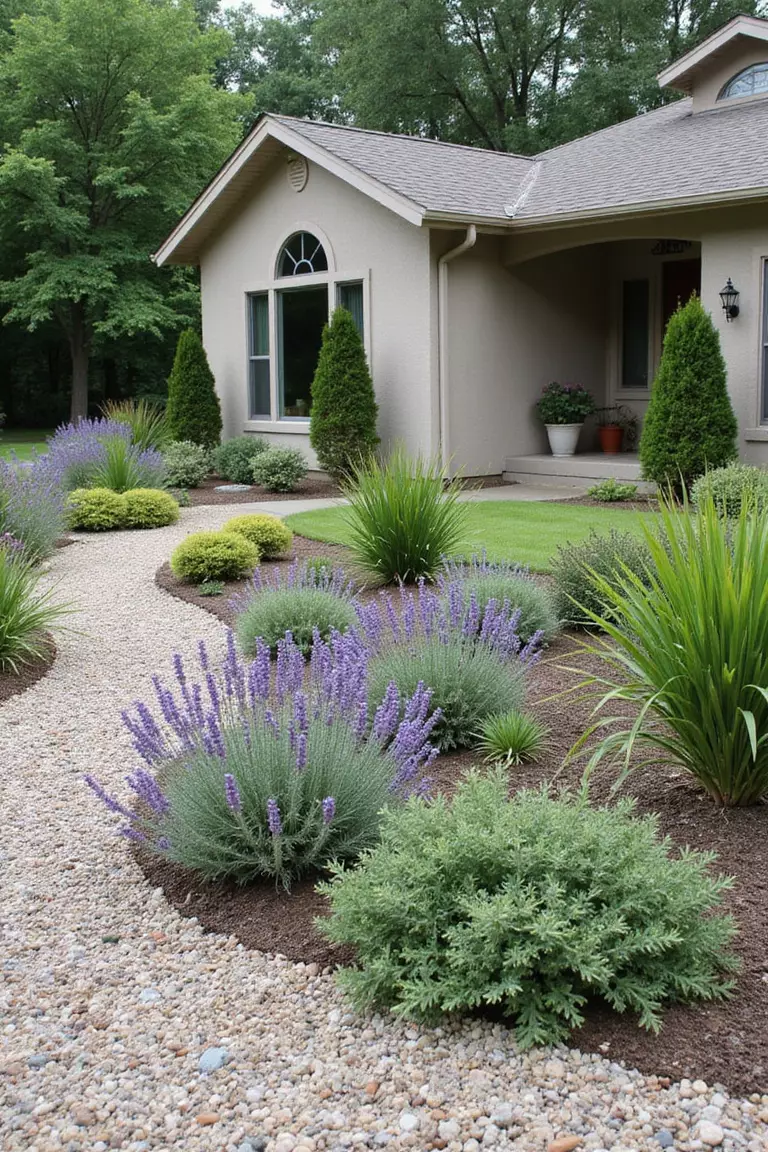
Save water by planting drought-resistant perennials like lavender, yarrow, Russian sage, and sedum.
Group plants with similar water needs together.
Add mulch or decorative gravel to retain moisture and reduce weeds.
Your xeriscape garden will look great even during dry spells.
Create a Wildflower Meadow

You can create a low-maintenance area by planting native wildflowers and grasses.
Choose perennial varieties like coneflowers, black-eyed Susans, and little bluestem grass.
A wildflower meadow needs minimal care once established and provides food and shelter for local wildlife.
Build Raised Perennial Beds
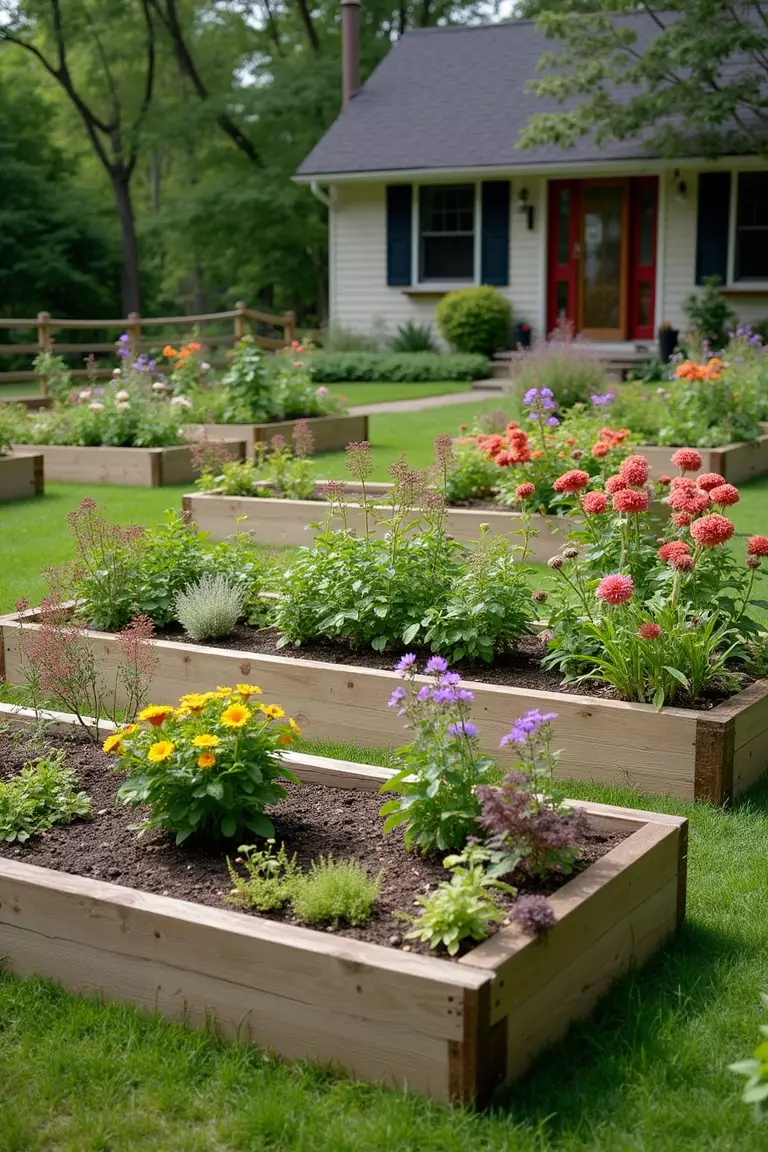
Raised beds give you better drainage and soil control.
Build them from wood, stone, or metal and fill with good quality soil.
Your perennials will thrive in these ideal growing conditions.
Raised beds also make gardening easier on your back and knees.
Plant a Medicinal Herb Garden

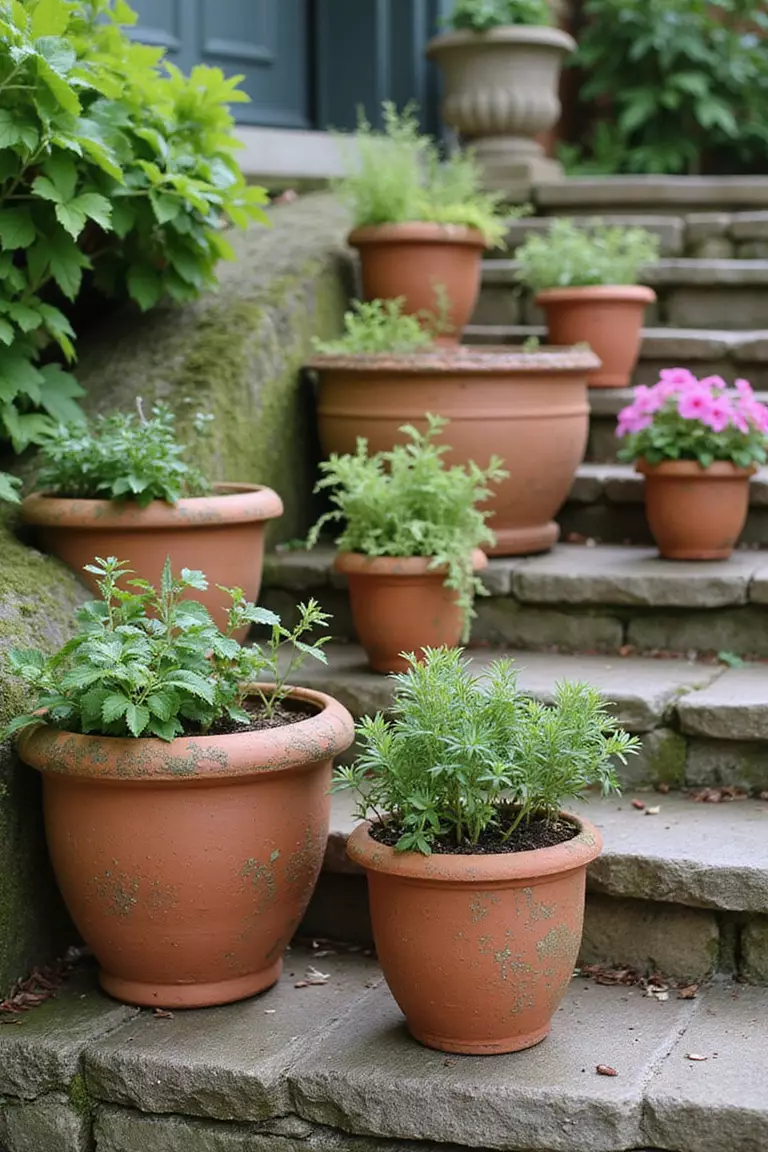
Grow useful herbs like echinacea, mint, lavender, and sage in a dedicated garden area.
Many medicinal herbs are perennial and come back year after year.
Plant them in a sunny spot with good drainage.
You’ll have fresh herbs for teas and home remedies.
Create a Garden Path with Perennials
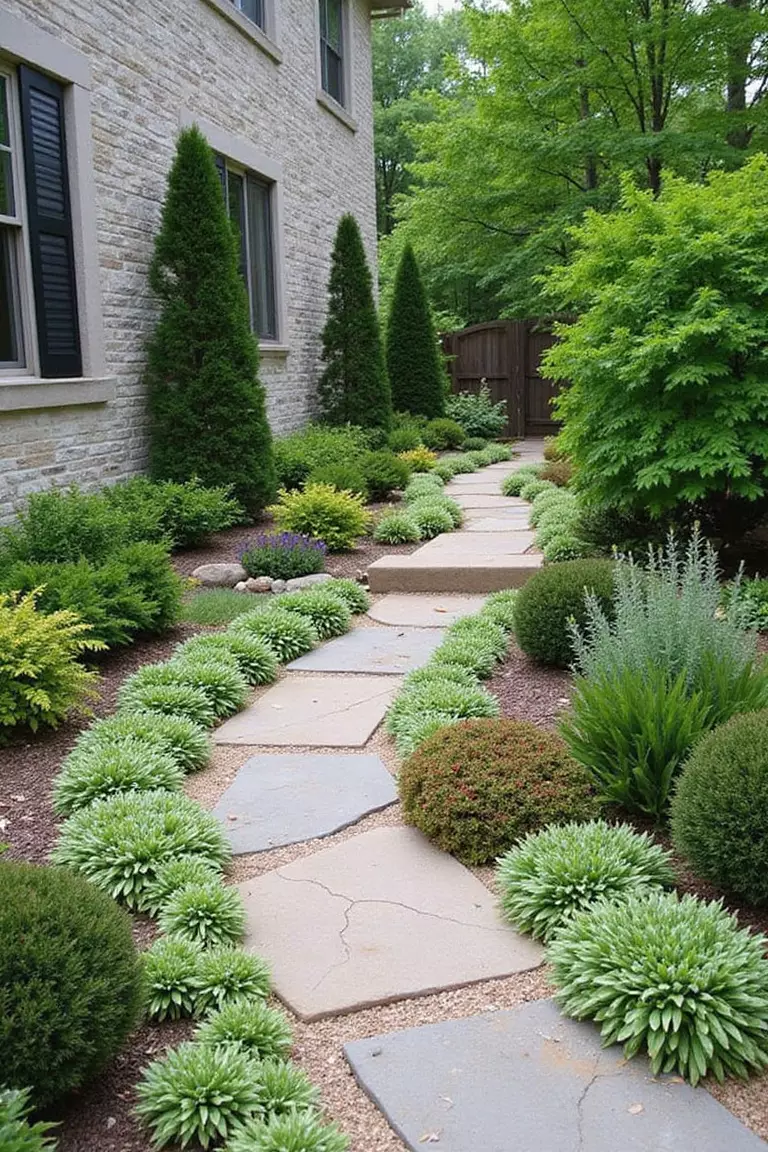
Line your garden paths with low-growing perennials like creeping thyme, sedums, or dianthus.
These plants soften hard edges and spill over onto walkways.
Choose varieties that can handle some foot traffic and stay compact.
The scent released when you brush against herbs like thyme is an added bonus.
Design a Bird-Friendly Garden
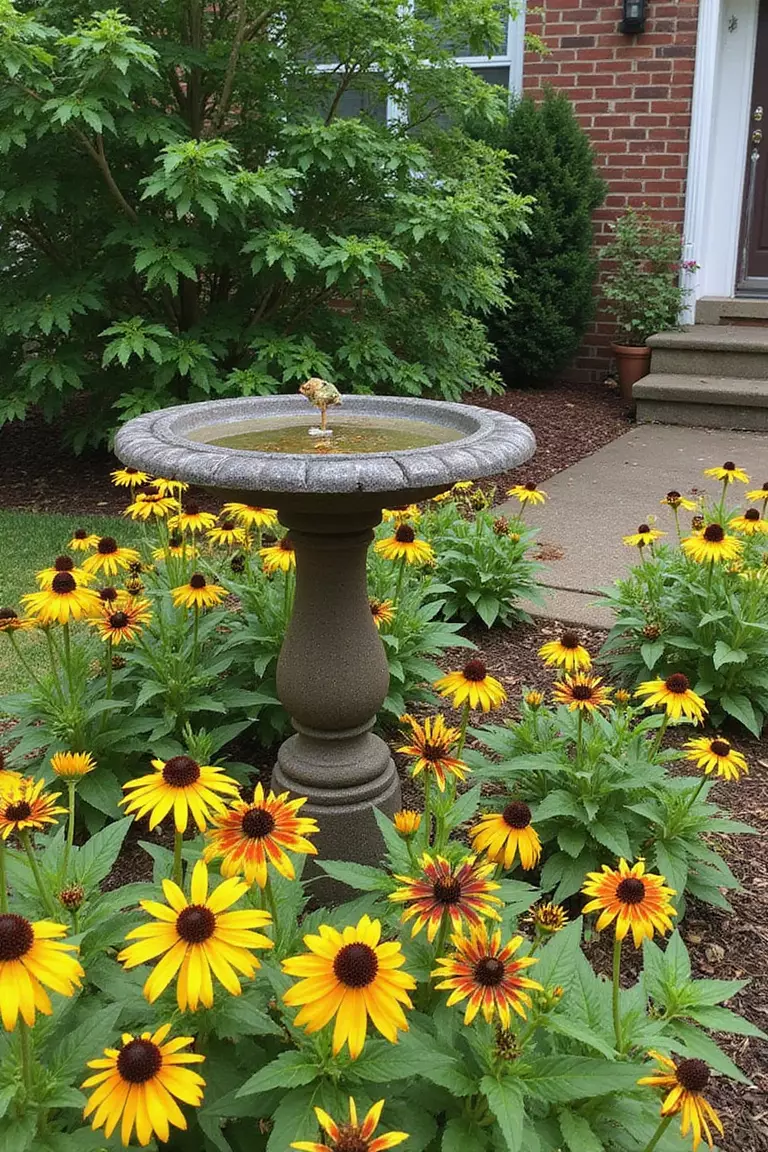
Attract birds to your yard with plants that provide food and shelter.
Include seed-producing perennials like coneflowers, black-eyed Susans, and ornamental grasses.
Add berry-producing shrubs and a water source.
You’ll enjoy watching your feathered friends visit throughout the year.
Create a Moon Garden

Plant white flowers and silver-leaved plants that show up after dark.
Evening primrose, moonflower, white phlox, and lambs’ ears create a magical space for evening enjoyment.
Place your moon garden where you can see it from a patio or window at night.
Build a Perennial Edible Garden

You can grow food that comes back year after year.
Plant asparagus, rhubarb, berry bushes, and perennial herbs like rosemary and thyme.
Mix these edibles with ornamental perennials for a beautiful and useful garden that provides fresh food each season.
Design a Cottage Garden

Create a relaxed, abundant garden by mixing perennials of different heights and bloom times.
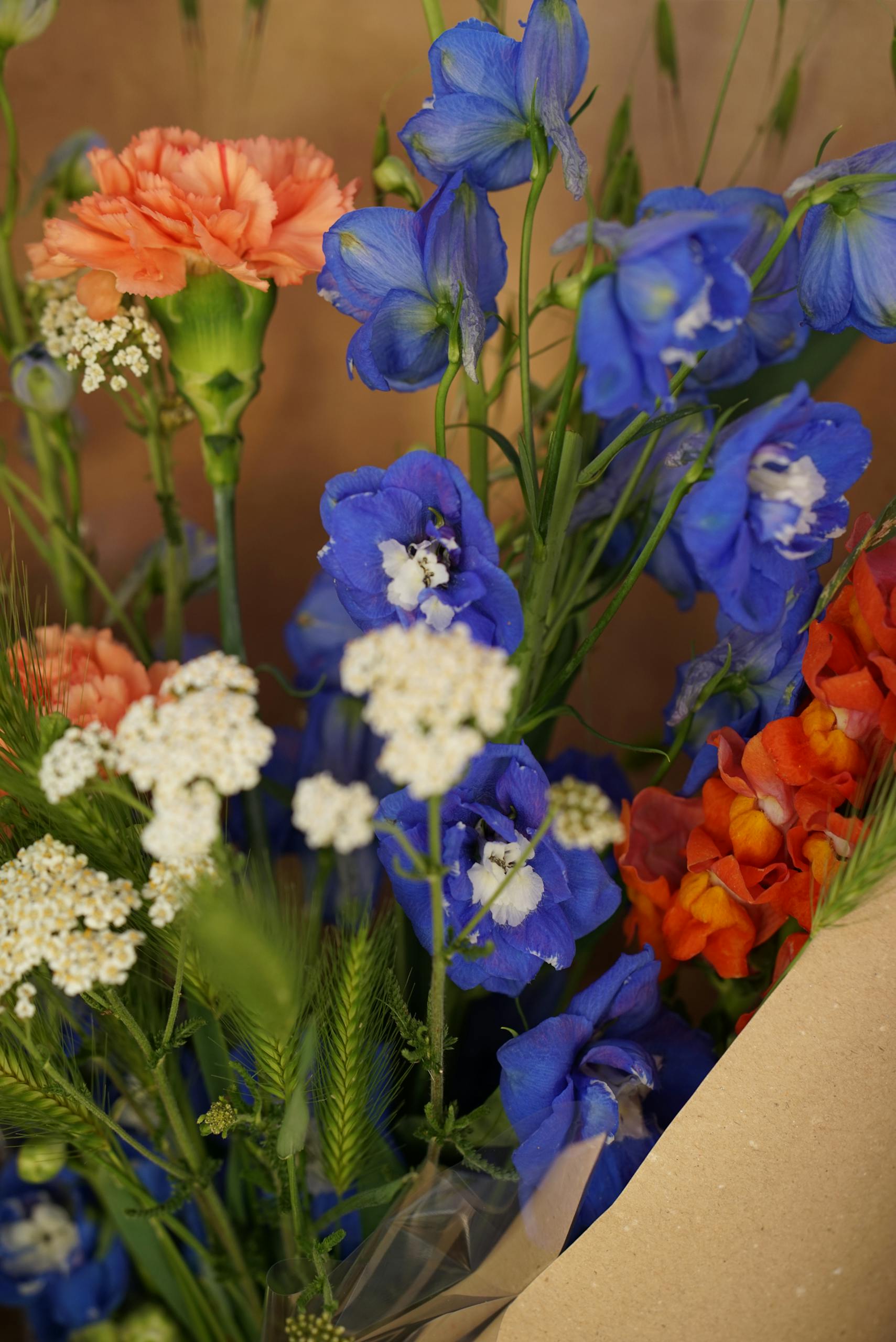
Plant hollyhocks, delphiniums, foxgloves, and phlox in casual groupings.
Allow plants to self-seed for a natural look.
Cottage gardens offer a sense of old-fashioned charm.
Plant for Fall Color

Extend your garden season with late-blooming perennials like asters, sedum, and Japanese anemones.
Add plants with colorful fall foliage such as bergenia and coral bells.
Ornamental grasses look fantastic in fall with their feathery seedheads catching the golden autumn light.
Create a Sensory Garden

Design a garden that appeals to all your senses.
Include soft lamb’s ears for touch, fragrant herbs for smell, colorful flowers for sight, and rustling grasses for sound.
A sensory garden is especially wonderful for children and provides a rich outdoor experience.
Build a Perennial Border

Create impact with a wide border of mixed perennials.
Plant tall varieties like delphinium and hollyhocks at the back, medium-height plants in the middle, and short edging plants in front.
Your perennial border will provide waves of color throughout the growing season.
Design a Naturalistic Garden
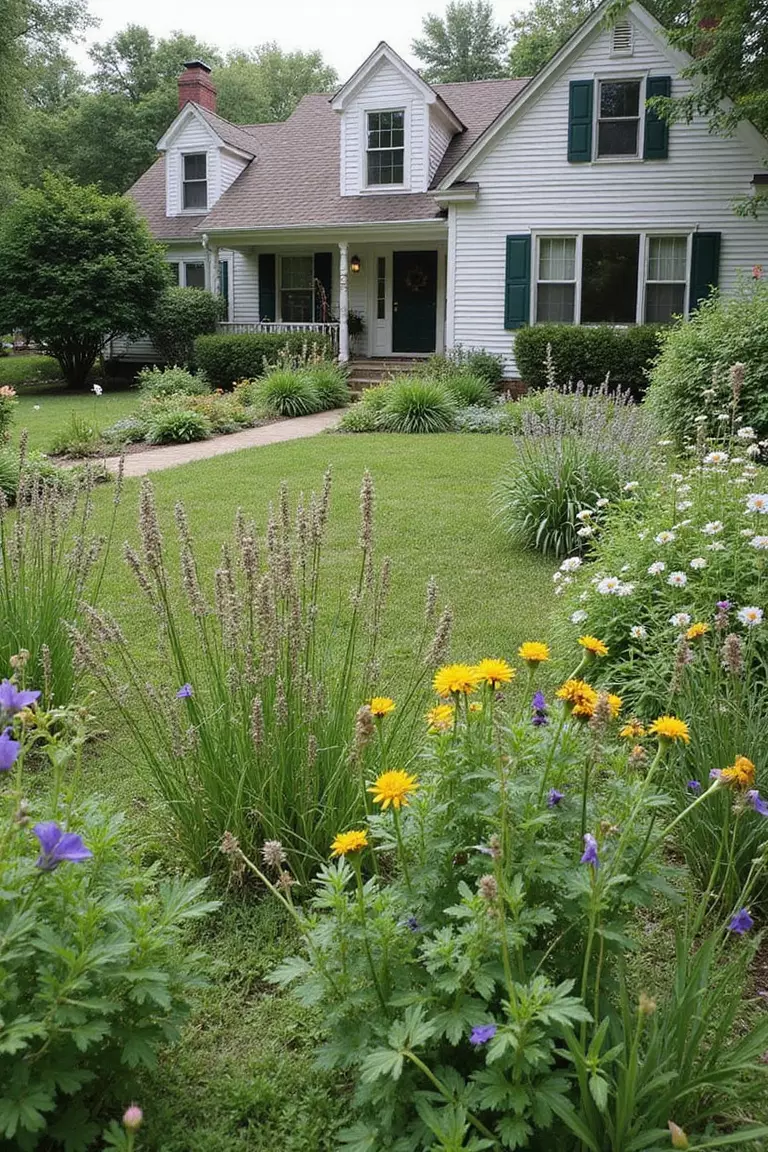
Work with nature by planting perennials in loose, natural-looking groups rather than formal rows.
Choose native plants adapted to your local conditions.
Let some plants self-seed and spread naturally.
This low-maintenance approach creates habitat for local wildlife.