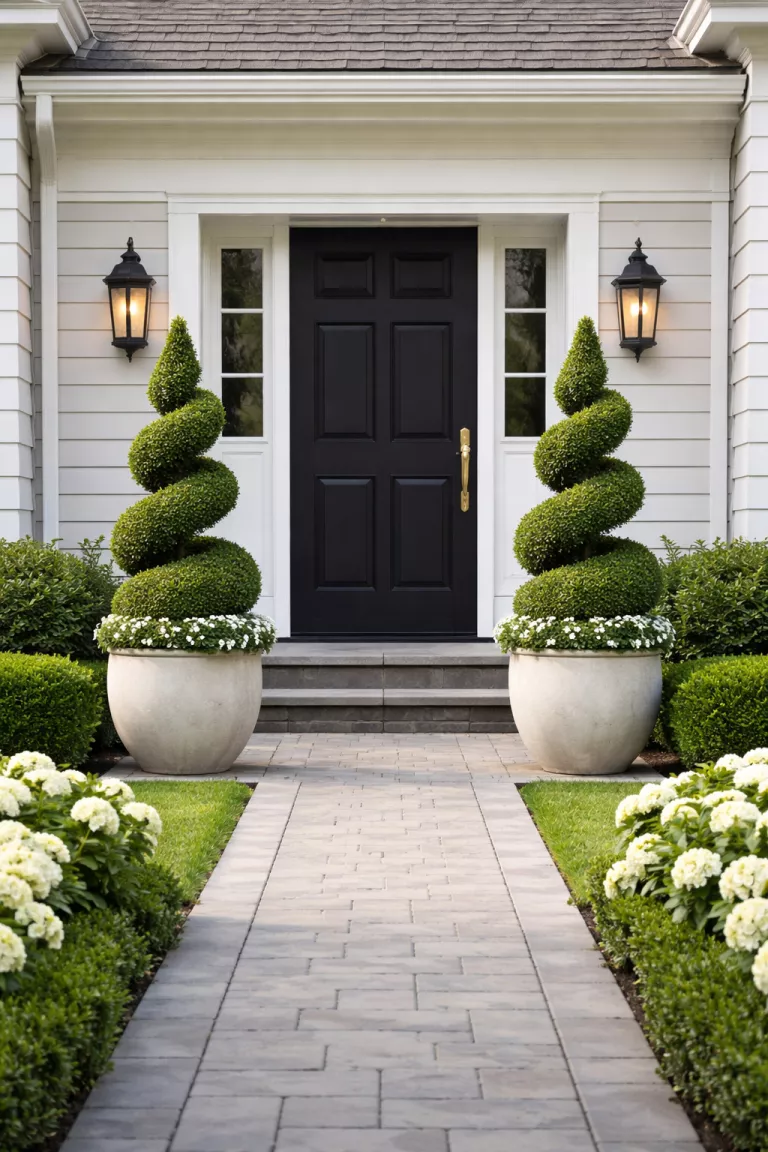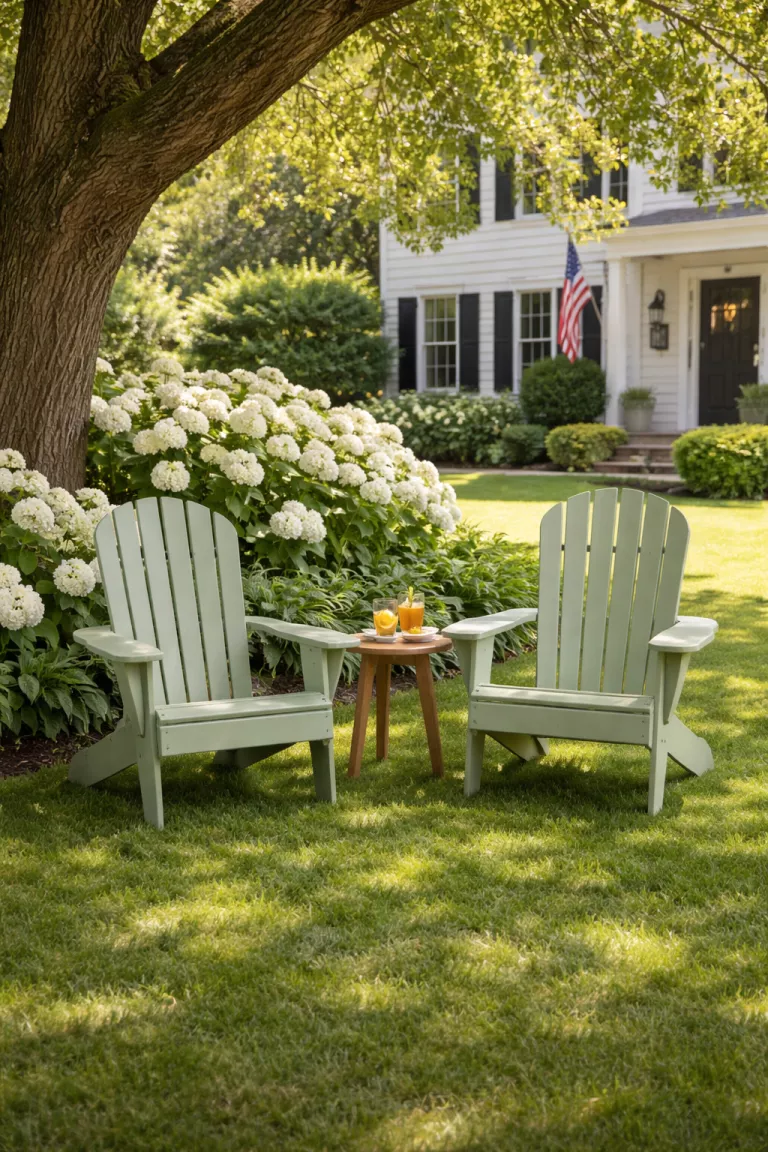
What to Consider When Planning Outdoor Seating Zones
So, you want to create the perfect outdoor retreat, a place where you can sip lemonade and pretend you are still on vacation. Excellent choice! Getting an outdoor seating zone right takes a little more thought than just tossing some chairs on the lawn – unless, of course, you enjoy playing musical chairs with the sun.
Choosing the Right Location for Your Outdoor Oasis

Picking where to put your comfy chairs is like picking a good movie. You want a good view, decent lighting, and no sudden disruptions. Thinking about how you will use the space helps a whole lot.
Sunlight and Shade Dynamics
Do you want a sun trap for your morning coffee or a shady spot for afternoon reading? Really think about the sun’s path throughout the day. It moves, you know, despite what some might believe. I once put a lovely bench in what I thought was a perfect morning sun spot, only to find it became a blazing inferno by noon. My succulents loved it, I did not.
You probably want a mix. Maybe a spot that gets morning sun and afternoon shade, or vice versa. This often means observing your yard for a few days, perhaps with a cold beverage in hand.
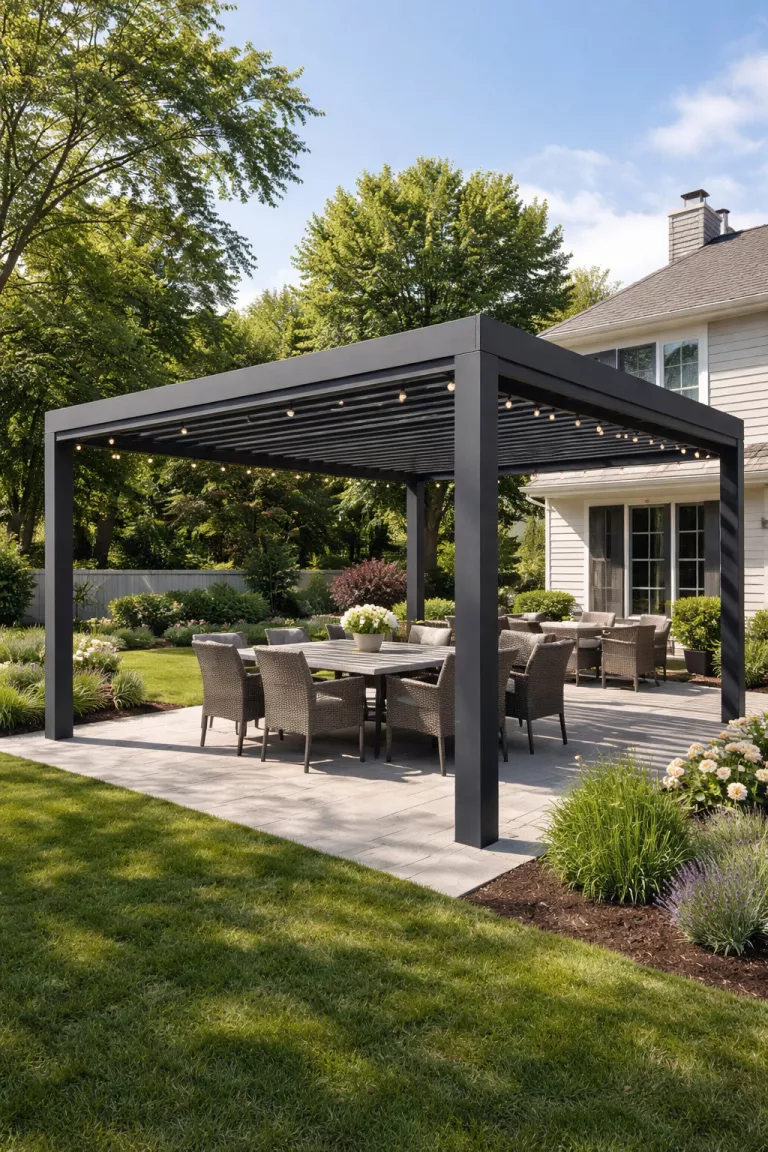
Consider adding pergolas or large umbrellas if your dream spot is a sun magnet. They offer fantastic flexibility, letting you enjoy the sun when you want it, and escape it when you do not. I prefer giant shade structures because I burn easily. My dermatologist appreciates this decision.
Proximity to the House and Amenities
How far are you willing to trek for a refill of your beverage or a forgotten book? Placing your seating area too far from the house can make it feel disconnected and less used. My friend built a beautiful fire pit area seemingly miles from her back door. Guess how often she used it for quick marshmallow roasting sessions? Almost never.
Think about convenience. If you like to entertain, being close to the kitchen door is a godsend. If you plan a quiet reading nook, maybe a secluded corner away from the main hubbub works better. You need to consider who will use it most and for what. This is not rocket science; it is just common sense with a dash of patio planning.
Consider proximity to things like water spigots for plant watering, or even outdoor outlets for lights or music. These little details make a huge difference in usability.
Defining the Purpose of Your Seating Area
Are you planning a lively entertainment hub or a tranquil escape? Knowing this helps you pick the right furniture and layout. Do not buy a formal dining set if your main goal is napping.
Dining and Entertainment Spaces
If you dream of hosting fabulous outdoor dinner parties, you will need a proper dining set. This means chairs that people can comfortably sit in for an hour or two, and a table big enough for actual plates and glasses, not just a sad little coaster.
For entertaining, think about flow. Can people move around easily without tripping over each other? Is there enough space for serving dishes? I always imagine my clumsiest guest navigating the space. If they can make it through unscathed, anyone can.
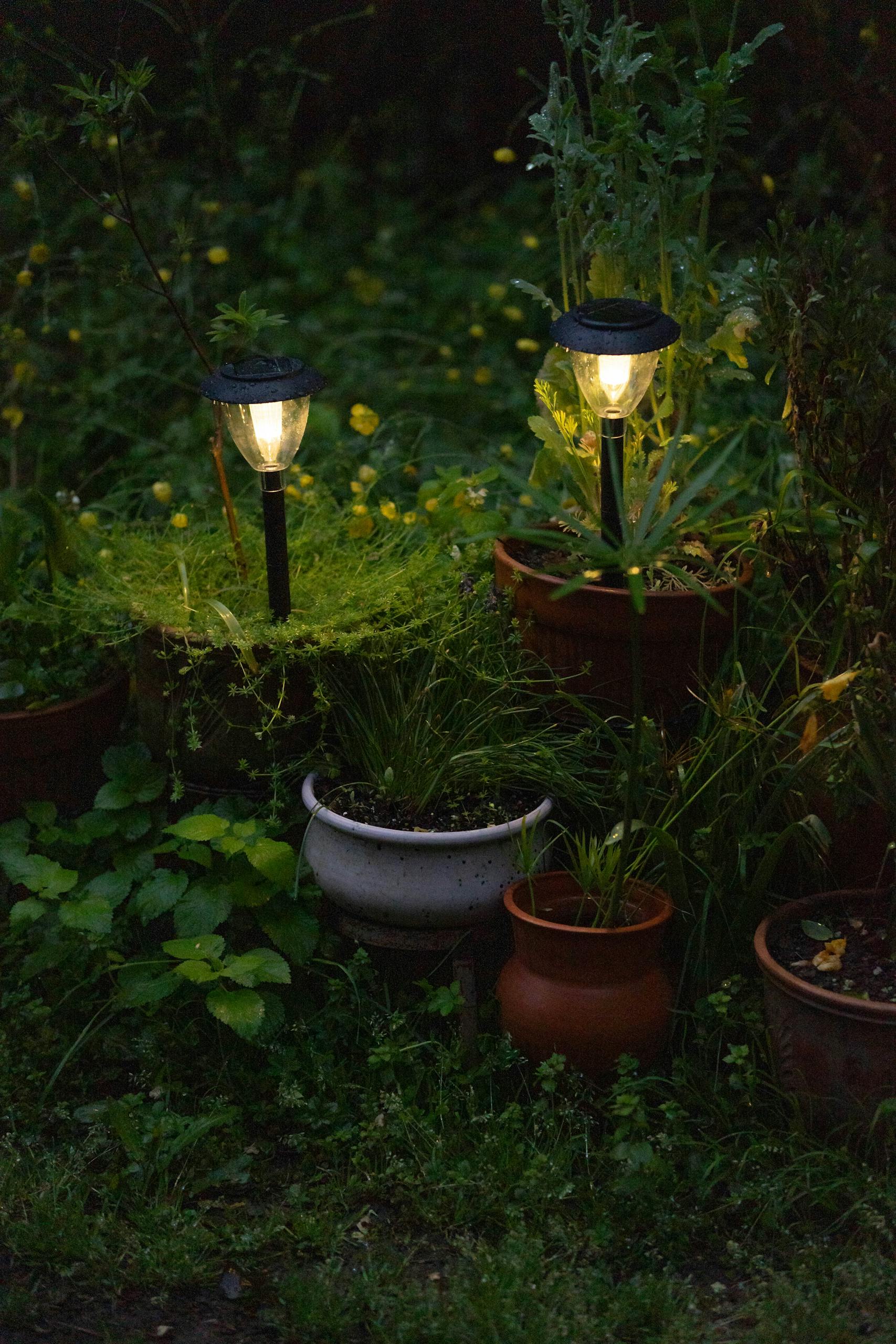
Do not forget about lighting. No one wants to eat in the dark, unless they have a secret aversion to seeing their food. String lights, outdoor lamps, or even strategically placed solar lights can transform the ambiance.
Relaxation and Contemplation Nooks
Perhaps you just want a quiet corner to decompress after a long day of, well, doing whatever it is you do. For these spaces, think comfort. Really plush cushions, maybe a chaise lounge, or even a hammock if you are feeling ambitious and have two conveniently placed trees.
Privacy is key here. Can you relax without your neighbors watching your every move? Fencing, screens, or even tall plants can create a secluded feel. I once tried to read a book on my porch swing only to realize my neighbor could probably read it over my shoulder. Not ideal for a thrilling mystery novel.
Consider elements that enhance calm, like a small water feature for soothing sounds or fragrant plants that release their scent in the evening. These little touches make your relaxation zone truly special.
Material Matters: Furniture Selection and Durability
You want furniture that looks good but also stands up to the elements. You do not want it to disintegrate after the first rain shower. Trust me, I have learned this lesson the hard way many times.
Weather Resistance and Longevity
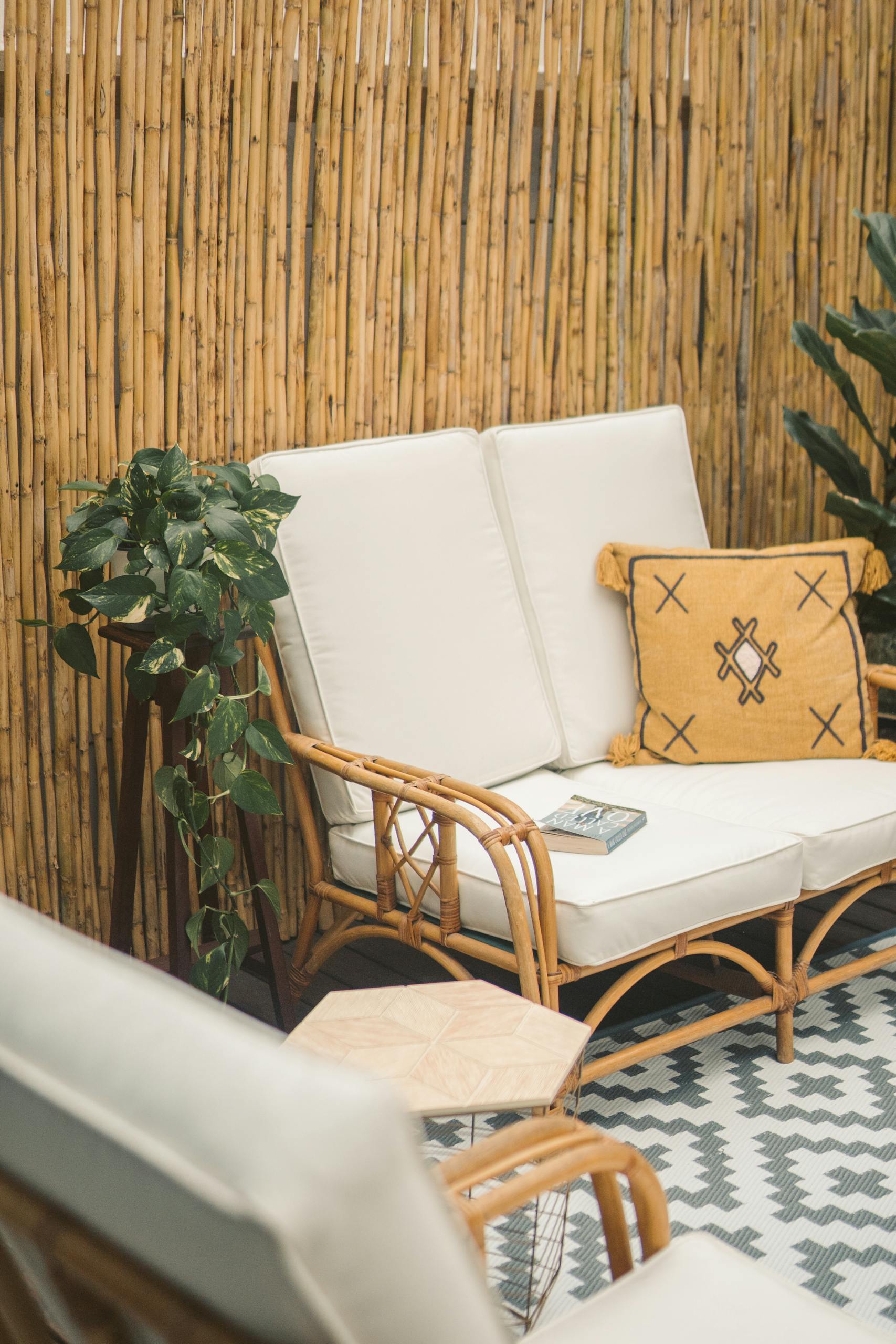
When choosing materials, think about your local climate. Does it rain a lot? Is it super sunny? Will things freeze in winter? Some materials are like resilient superheroes, others are more like fragile villains. Wood, metal, wicker, and plastics all have different personalities.
- Teak and Cedar: These woods are naturally resistant to rot and insects. They age gracefully, developing a lovely silvery patina over time. You can oil them to maintain their original color, but I personally love the weathered look. It makes the furniture look wise.
- Aluminum: Lightweight, rust-proof, and easy to move. Perfect if you rearrange your furniture more often than you change your socks. It does not get exceptionally hot in the sun, which is a bonus for exposed areas.
- Wrought Iron: Heavy, durable, and classic. It can rust if not properly maintained, but a good coat of paint and some regular care keeps it looking spiffy for decades. Just do not try to move it by yourself; you will seriously injure your back.
- Wicker and Rattan: Natural wicker needs to be protected from rain. Synthetic wicker, usually made from resin, is much more weatherproof and can stay outside year-round. It gives a really cozy, natural vibe without the hassle.
- Plastic and HDPE (High-Density Polyethylene): These are usually the most budget-friendly options and require little maintenance. They can sometimes look a bit, well, plasticky, but modern designs are much improved. Some even mimic wood quite convincingly.
Comfort and Aesthetics
No one wants to sit on a rock-hard chair for an extended period. Comfort is king, even outdoors. Always test out the furniture before buying it, if possible. Sit on it, lean back, close your eyes and imagine yourself sipping that imaginary lemonade.
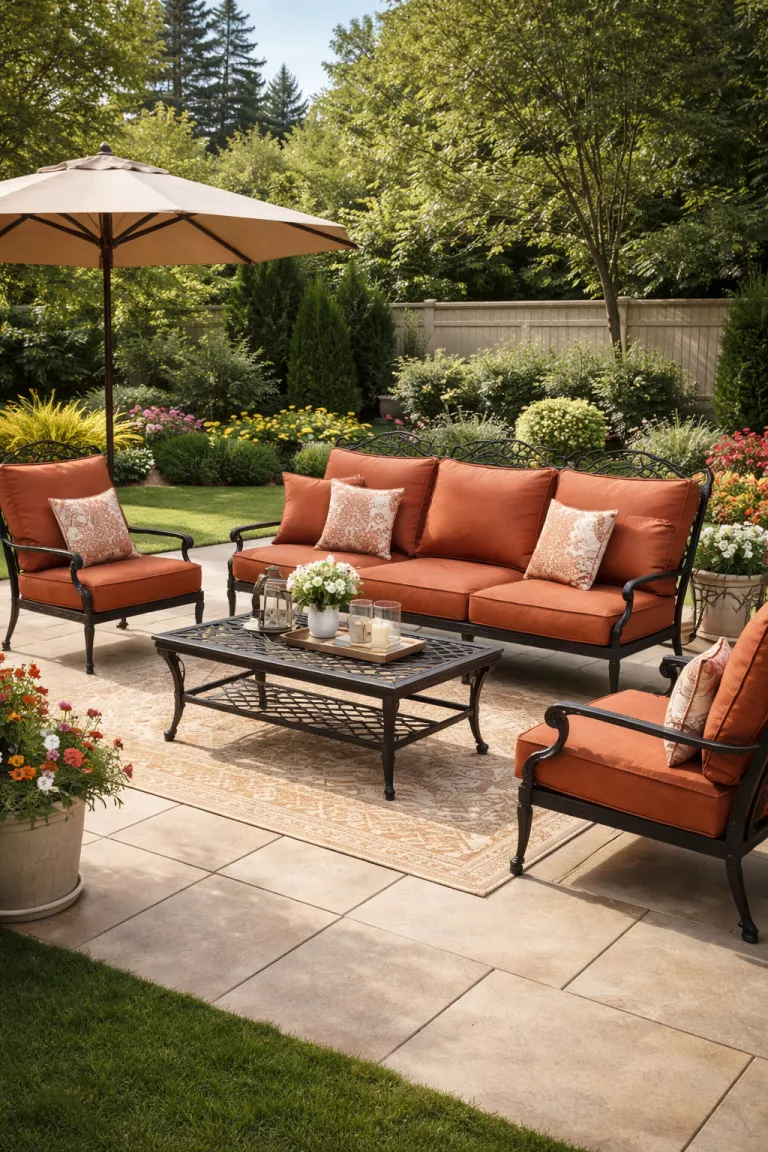
Cushions are your best friend here. Look for outdoor-specific fabrics that resist mildew and fading. Sunbrella fabric is a popular choice for good reason; it is practically indestructible and comes in a zillion colors. You can really show off your personality with cushion choices.
Aesthetics matter too. Does the furniture style complement your house and garden? Do you want a modern look, a rustic farmhouse feel, or something whimsical? Choose pieces that make you happy to look at them, even when you are not sitting on them.
Layout and Flow: Making Sense of Your Space
Even if you have the perfect spot and the most comfortable furniture, a bad layout can ruin everything. Think about how people move and interact.
Creating Zones within a Larger Area
If you have a big patio, you do not need to make it one giant seating area. You can create different zones for dining, lounging, or even a little fire pit area. Use rugs, planters, or even low walls to define these different spaces.
I once saw a patio that used tall ornamental grasses in containers to softly separate a dining area from a lounge area. It looked amazing and provided just enough visual division without feeling closed off. It was genius, plain and simple.
Traffic Flow and Clear Pathways
People need to move from one area to another without performing acrobatic feats. Make sure there is enough space between furniture pieces and around tables for easy passage. No one likes to squeeze past a chair just to get to the grill.
Think about paths. Where do people naturally walk? Do not place furniture in the middle of a high traffic pathway unless you want to create an obstacle course. Common sense dictates at least three feet of clear space for comfortable movement, but more is always better if you have the room.
Adding Personal Touches and Enhancements
This is where your outdoor seating zone truly becomes yours. It is like putting icing on a very delicious cake.
Lighting for Ambiance and Safety
Outdoor lighting transforms a space after dark. It is not just about seeing; it is about creating mood. String lights draped overhead add a magical, festive feel. Pathway lights guide your guests safely.
I also love subtle uplighting for plants or architectural features. It adds drama without being overwhelming. Just do not go overboard, you are not trying to land an airplane there. A little bit of well-placed light goes a long way.
Plants, Planters, and Greenery
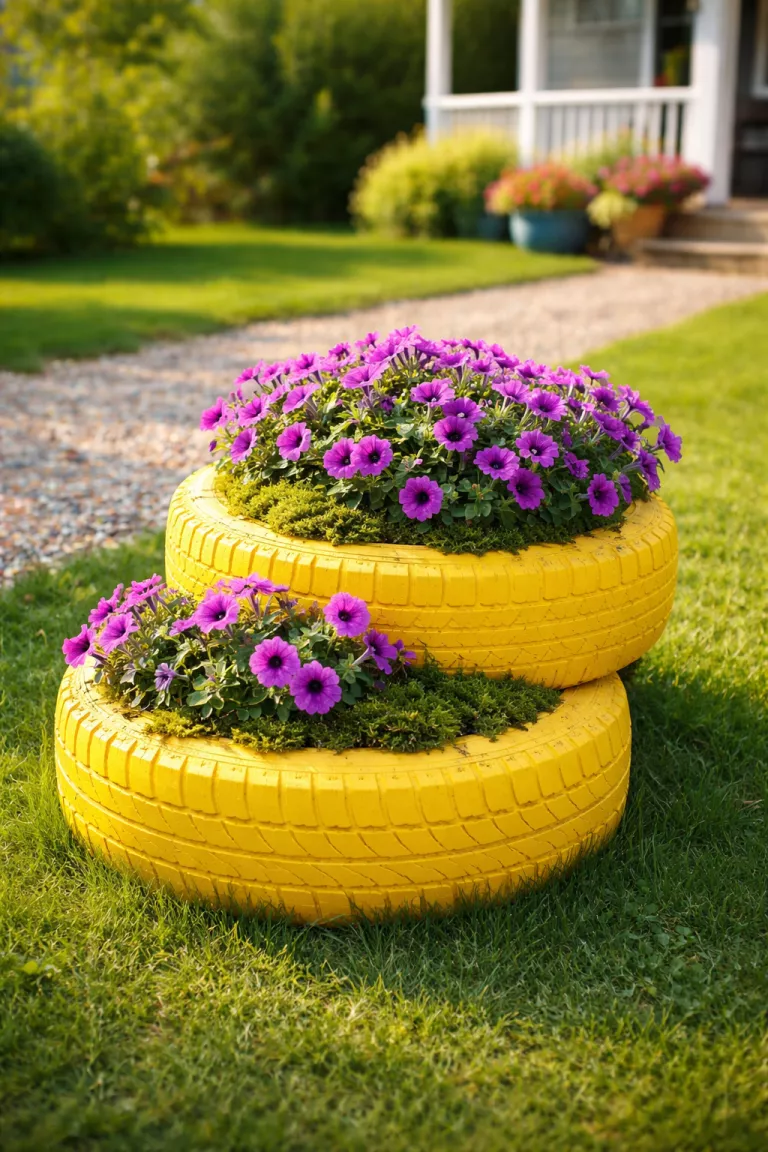
Plants are your friends. They bring life, texture, and color to any outdoor area. Use container plants to add pops of green or bloom. You can even move them around to change the look seasonally.
Choose plants that thrive in your chosen location’s sun conditions. Do not put a sun-loving plant in a shady spot, or vice versa, unless you enjoy watching things slowly wither and die. And pick planters that complement your furniture and overall style. They are like accessories for your outdoor room.
Accessorizing with Textiles and Decor

Outdoor rugs define a space and add a touch of indoor comfort. Throw pillows and blankets add color, pattern, and extra coziness. Just make sure they are made for outdoor use, so they can handle a little moisture without turning into a mildew motel.
Other decorations could include lanterns, sculptures, or even a small water feature. These elements reflect your personality and make the space feel inviting and complete. Remember, it is your outdoor living room, so make it feel like home.
Maintaining Your Outdoor Seating Zones
Even the toughest outdoor furniture needs a little love. Regular cleaning and occasional maintenance keep everything looking good and lasting longer.
Regular Cleaning and Care
Wipe down surfaces often to prevent dirt and grime buildup. Brush off cushions to remove pollen or leaves. If your cushions are machine washable, give them a good spin a couple of times a season.
For tougher stains, use a mild soap and water solution. Always check the manufacturer’s instructions though. You do not want to accidentally strip the finish off your expensive teak table with an abrasive cleaner. I learned that the hard way, on a very expensive table.
Seasonal Storage and Protection
In areas with harsh winters, you might need to store cushions indoors or cover your furniture. Even in milder climates, covers protect furniture from excessive sun fading or prolonged rain. Covers are a small investment that extends the life of your furniture significantly.
If you have the space, storing cushions indoors during the off-season keeps them looking fresh and prevents mildew. Sometimes, that extra effort means your cushions still look new after five years instead of looking like they escaped a swamp monster after two.
FAQ
How much space do I need for an outdoor dining area?
You need enough room for the table and chairs, plus an additional three feet around the perimeter for people to comfortably pull out chairs and move around. This prevents awkward bumping and squeezing.
Can I mix different furniture styles in my outdoor seating zone?
Absolutely! Mixing styles adds character and visual interest. Try to find a common element, like color or material, to tie the different pieces together. Balance is key, so do not go too wild.
What is the best way to clean outdoor cushions?
Most outdoor cushions can be spot cleaned with a solution of mild soap and warm water. For removable covers, check the tag; many are machine washable on a gentle cycle. Always let them air dry completely.