How to Add Height and Layers to a Flat Garden Space
You are looking at your garden, are you not? It is flat, it is boring, it is frankly just a bit there. Well, let us fix that. You can transform your ho-hum patch into an exciting, visually rich landscape. We will make your neighbors green with envy, not just from the plants.
Creating Vertical Interest: The Sky’s the Limit, Almost
Do you ever walk into a garden and feel… underwhelmed? Often, it is because everything exists on one plane, like a botanical pancake. Your mission, should you choose to accept it, is to get those plants reaching for the sun.
Choosing the Right Tall Plants
Picking plants that grow tall is not just about making a statement; it is about providing a backdrop. Tall plants can hide unsightly fences or awkward corners, making your garden feel more cohesive. I once saw a garden with only petunias; it was, shall we say, a bit low-energy.
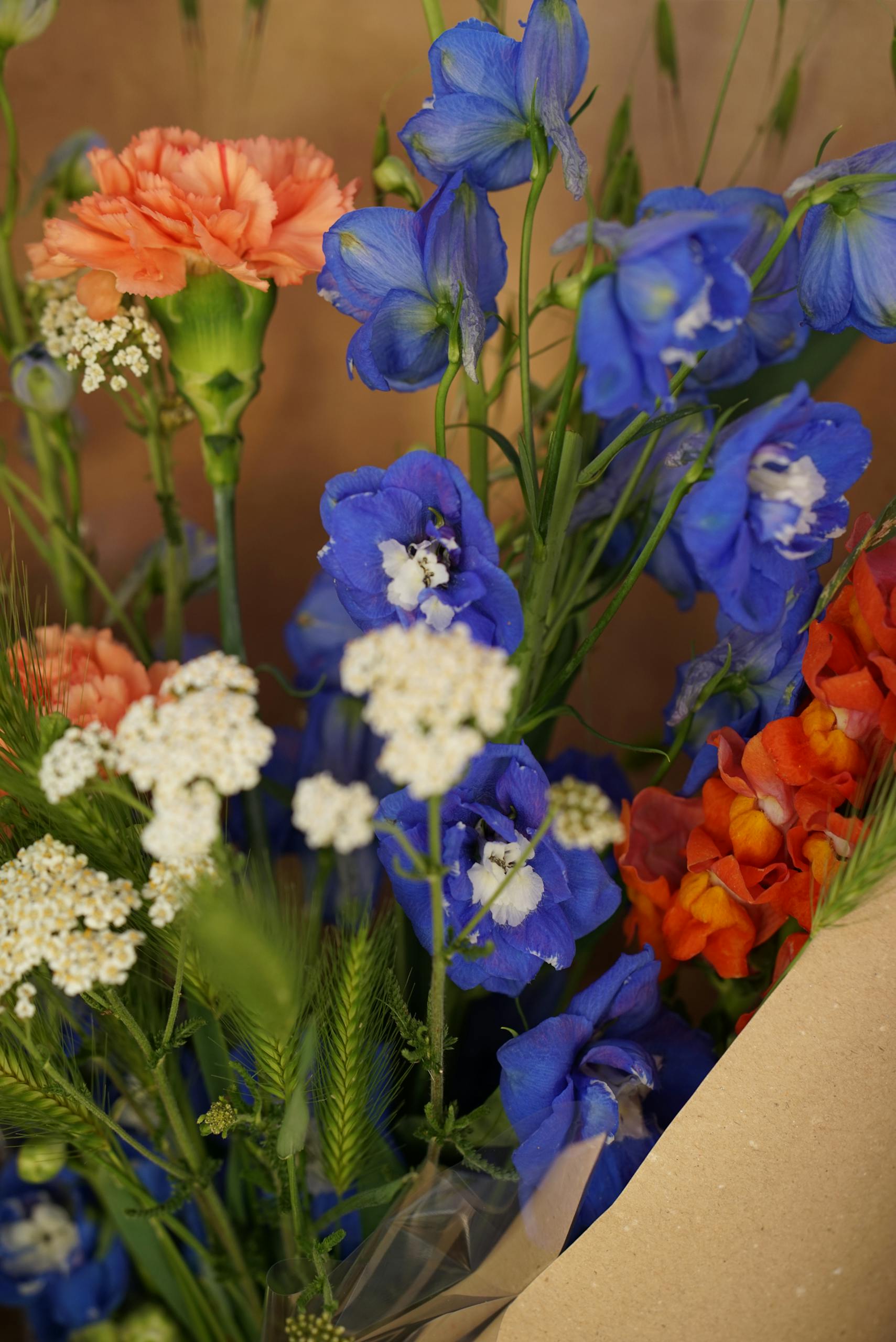
- Delphiniums: These are the OG height heroes. They are dramatic, colorful, and demand attention. Just remember, they are a bit floppy sometimes, so give them some support.
- Hollyhocks: Old-fashioned charm in spades! They shoot up like rockets and bloom for ages. Their flowers pop along the stem, adding a beautiful columnar look.
- Sunflowers: Obvious, yes, but effective. Even a few will make a huge difference in the summer. They turn their heads to follow the sun, which is kind of endearing.
Using Structures for Support and Drama
Plants need help sometimes, just like people. Structures give them something to climb on, turning mere plants into living architectural features. They also add their own vertical lines, even before the plants grow.
- Trellises: These are your go-to for climbing roses, clematis, or even some vining vegetables. You can find them in all shapes and sizes, from simple wooden grids to ornate metal designs.
- Obelisks: Think of these as tiny Eiffel Towers for your garden. They guide climbers upwards and create a focal point. I have a metal one, and my sweet peas absolutely adore it.
- Arbors and Pergolas: These are bigger commitments, but the payoff is huge. They create a sense of enclosure and an inviting pathway. Imagine walking through an archway draped in wisteria. Pure magic.
Layering Like a Pro: The Art of Staggered Heights
Once you have your tall bits sorted, it is time to think about the middle ground and the foreground. This is where the real magic happens, creating depth and visual flow. It is like designing a stage set for your plant actors.
The Mid-Height Players
These are the unsung heroes, bridging the gap between your tall statements and the ground cover. They add body and fill in the awkward spaces. Without them, your garden looks like a collection of isolated islands.
- Shrubs: Think hydrangeas, rhododendrons (if your soil likes them), or even some of the more compact lilac varieties. They provide consistent structure year-round.
- Perennials: Hostas offer amazing foliage textures, while coneflowers and black-eyed Susans give you cheerful bursts of color at this height.
- Grasses: Ornamental grasses are fantastic for adding movement and a soft, airy feel. Miscanthus or switchgrass can give you lovely swaying textures.
Ground Cover and Edging: The Finishing Touch

These are the detailed brushes on your canvas, the little flourishes that complete the picture. They also suppress weeds, which is a glorious side effect.
- Creeping Thyme: It smells amazing when you step on it (accidentally, of course) and creates a soft, textured carpet.
- Sedum: Many varieties are low-growing and drought-tolerant. They are great for filling in sunny spots between larger plants.
- Edging Plants: Low-growing plants like lavender or dwarf mondo grass define the edges of your beds. They create a neat, tidy line, making everything look intentional.
Beyond Plants: Hardscaping for Verticality and Definition
Plants are superb, but sometimes you need something a bit more permanent, a sturdy backbone for your design. Hardscaping elements can provide structural height and delineate spaces.
Raised Garden Beds
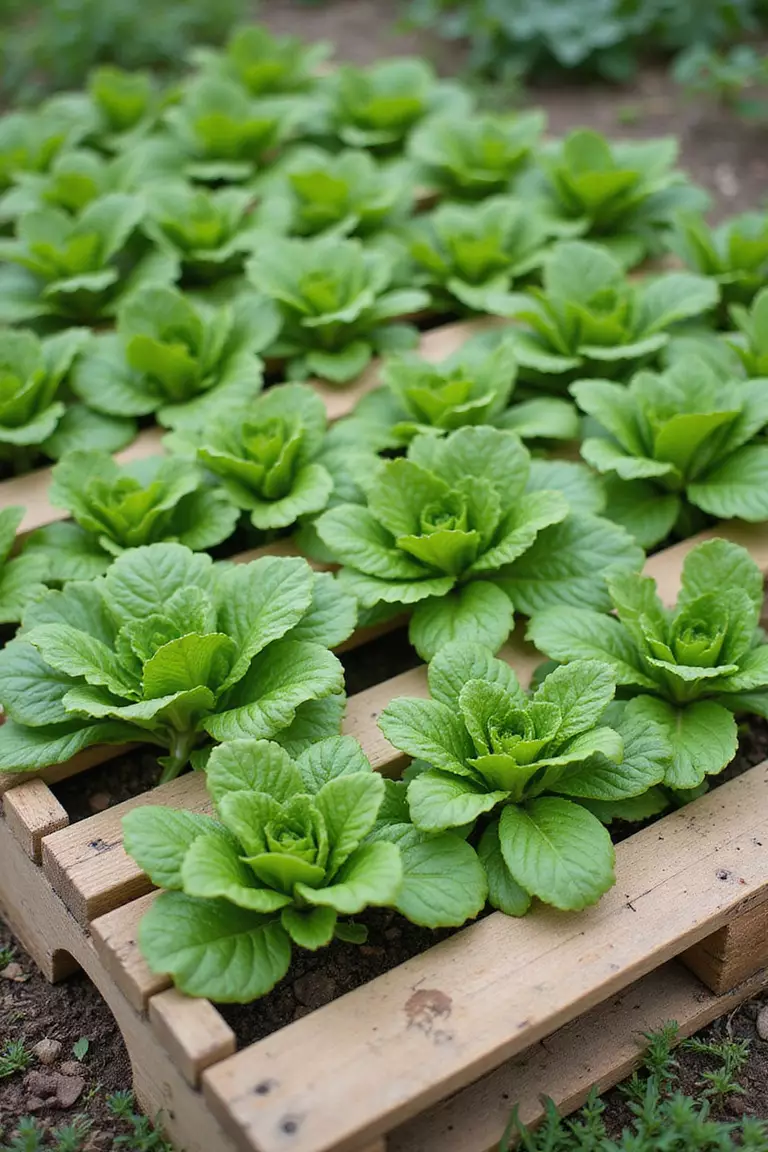
My goodness, are these ever useful! They instantly lift your planting area, both literally and figuratively. They also make gardening easier on your back.
| Benefit | Description |
|---|---|
| Improved Drainage | Raised beds let water drain away freely, preventing soggy roots. |
| Better Soil Control | You control the soil mix entirely, perfect for fussy plants. |
| Accessibility | Less bending and kneeling, making gardening more comfortable. |
| Defined Space | Clearly outlines planting areas, adding structure. |
Walls and Terraces
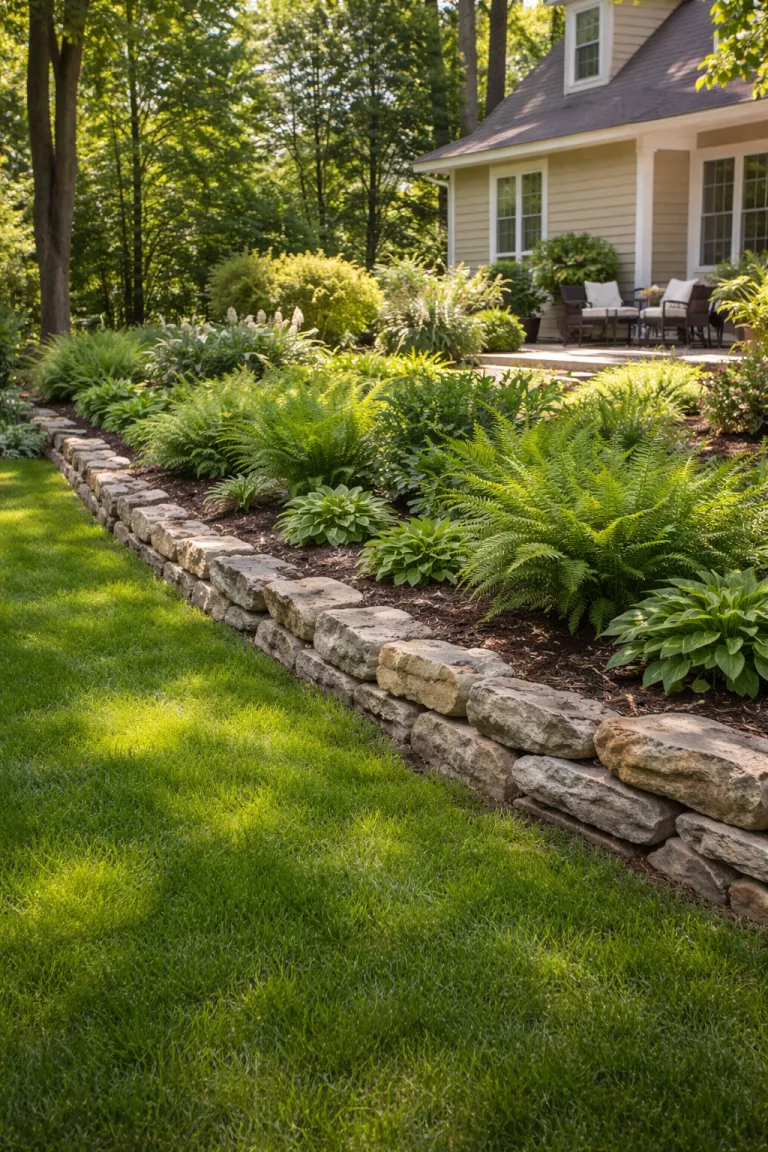
If your garden has a slope, you have a golden opportunity. Walls and terraces are not just for retaining soil; they create distinct levels within your landscape. Even a small retaining wall can add significant visual interest.
- Dry-Stacked Stone Walls: These have a rustic, natural look. They blend seamlessly into a more informal garden style.
- Brick or Concrete Block Walls: More formal and structured. These work well in contemporary or traditional garden designs.
- Tiered Terraces: If you have a steep slope, creating multiple levels with pathways between them transforms an unusable area into a series of charming garden rooms.
Decorative Elements and Focal Points
Sometimes, a single well-placed item can do the trick. These are the exclamation points in your garden design.
- Bird Baths and Statuary: These add vertical interest and a touch of whimsy. A tall bird bath draws the eye upwards and attracts feathered friends.
- Garden Lanterns or Lighting Fixtures: Adding tall lanterns or standing lights not only illuminates your garden at night but also creates vertical lines during the day.
- Water Features: A bubbling fountain or a tall, cascading water feature provides sound and movement. The vertical spray of water introduces another dimension of height.
Tricks of the Eye: Illusions of Grandeur
You do not always need to build something massive. Sometimes, a clever arrangement of plants or elements can fool the eye into perceiving more height and depth than is actually there. It is like gardening magic!
Strategic Planting for Depth
This is where you play with perspective. Think of it like painting a landscape. You want things to appear closer or further away.
- Placing Taller Plants at the Back: This is garden design 101, but it is effective. Create a backdrop.
- Using Diminishing Sizes: Plant smaller versions of the same plant further back in the bed. This creates an optical illusion of distance.
- Varying Textures and Colors: Place fine-textured, light-colored plants at the front and coarser, darker plants further back. This enhances the sense of depth.
Pathways and Stepping Stones
A well-designed pathway does more than connect points; it draws the eye through the garden, guiding it past different layers.
- Winding Paths: These create a sense of mystery and make a small space feel larger by not revealing everything at once.
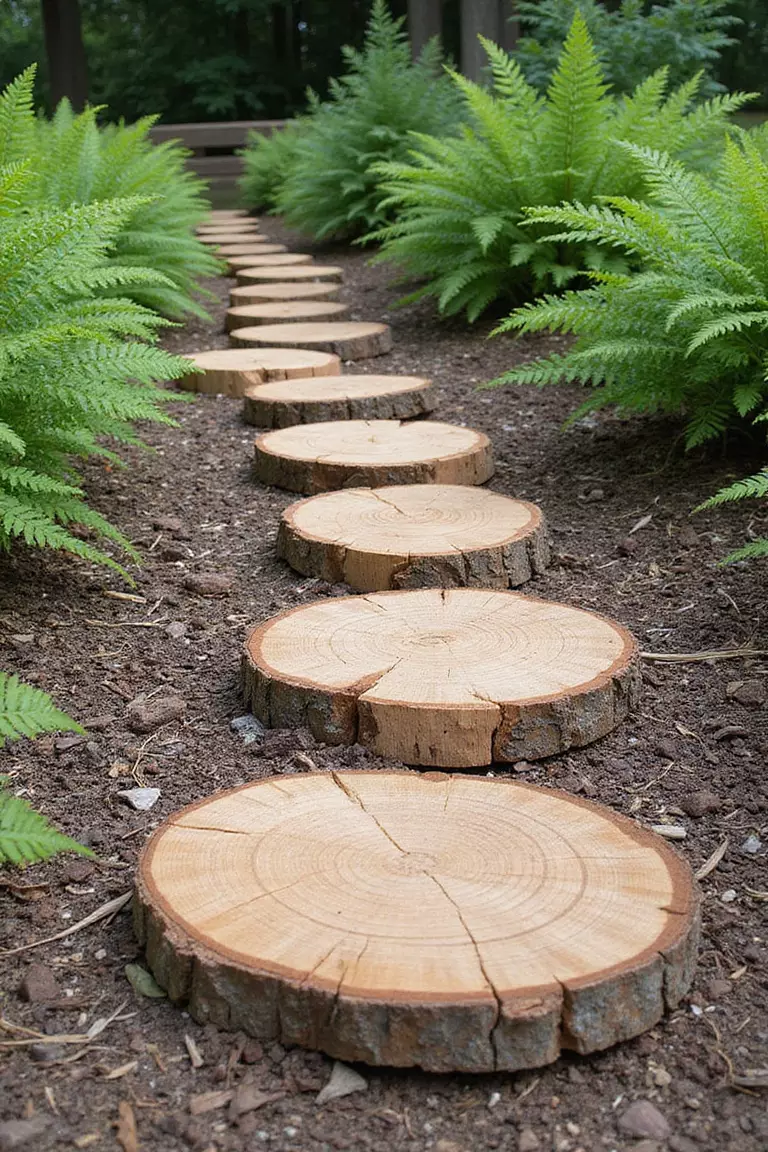
- Stepping Stones: These can lead the eye through different levels or sections of your garden, implicitly suggesting a journey.
You have got this. Your garden, it will be amazing, a true layered landscape. Happy gardening!
Frequently Asked Questions
What is the easiest way to add height quickly?
The quickest way to add height is by incorporating tall annuals like sunflowers, cosmos, or castor beans. You can also use readily available obelisks or tall trellises with fast-growing climbers such as morning glories or sweet peas.
How do I make a small garden feel larger with layers?
In a small garden, focus on vertical elements like narrow trees, columnar shrubs, or wall-mounted planters. Using plants with varied leaf textures and subtle color differences also creates an illusion of depth, making the space feel more expansive.
Can I add height without blocking views?
Yes, choose plants with an open growth habit, like ornamental grasses or certain slender trees with high canopies, that you can see through. You can also use structures like open trellises or arbors where the sky remains visible, maintaining an open feel.