How to Improve Soil in Your Backyard Without Digging Everything Up
You want a thriving garden, but your soil is acting like a stubborn teenager. Forget the shovel; you do not need to excavate your yard. Let us get your dirt happy with some simple, no-fuss methods.
Understanding Your Underperformers: Soil Basics
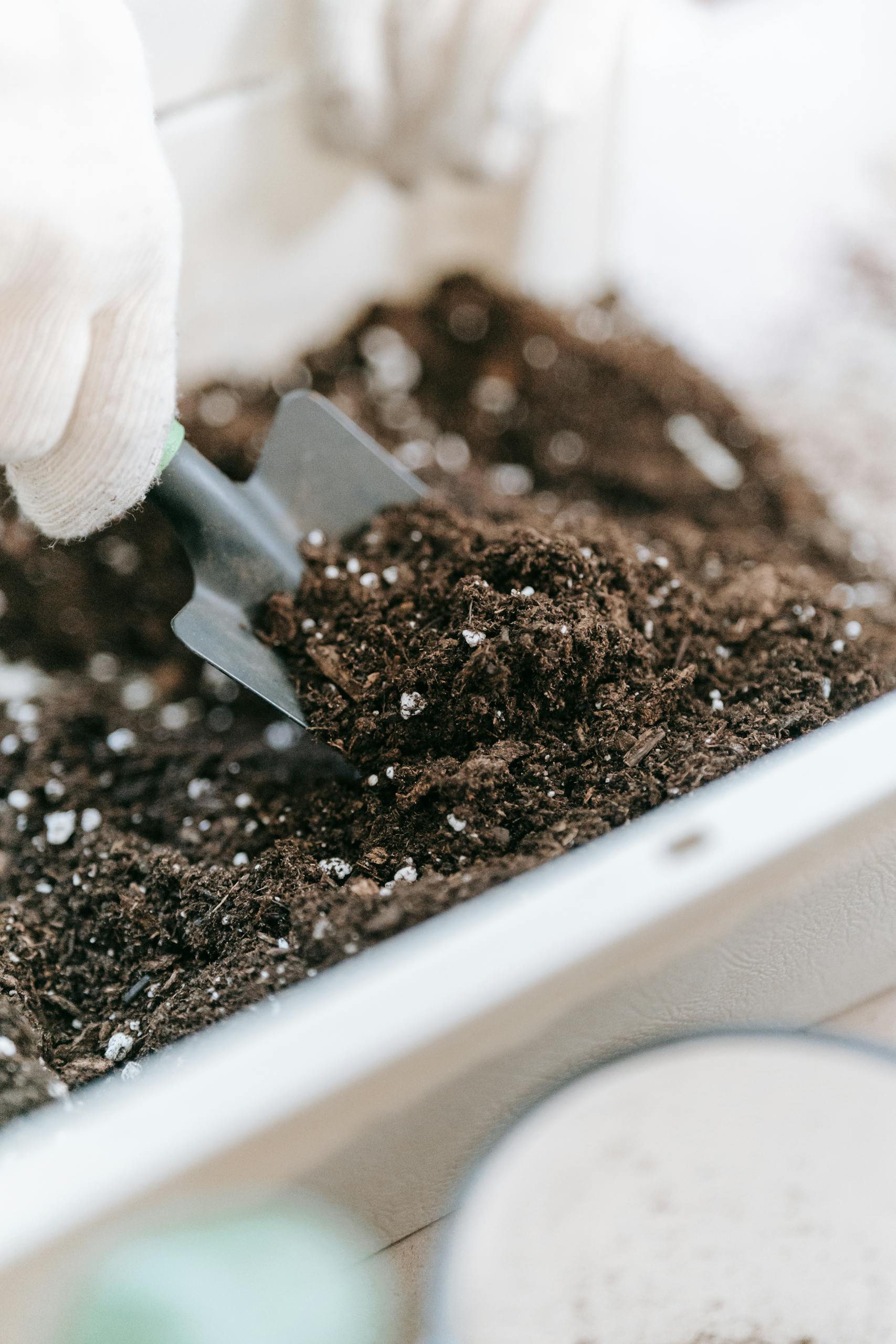
Your garden dirt is not just dirt; it is a complex ecosystem. Think of it as a microscopic city. Little critters and plants need the right environment to flourish. Ignoring your soil’s needs is like trying to convince a cat to fetch. It is not going to work.
The Big Three: Clay, Sand, and Loam
You probably know your soil leans one way or another. Does it clump like clay? Does it drain like a sieve, like sand? Or is it that lovely, dark, crumbly stuff people brag about, which is loam? Most of us are somewhere in between, wishing we had that perfect loam.
Here is a basic rundown:
- Clay: Dense, holds water, struggles with drainage sometimes. Your plants might drown.
- Sand: Drains too fast, does not hold nutrients. Your plants might starve.
- Loam: The gold standard. Holds water and nutrients but drains well. Everyone wants it.
Why Does Good Soil Matter Anyway?
Good soil provides plants with nutrients, water, and air. Plants need a stable base for their roots. Imagine trying to stand on quicksand. Not fun, right? Your plants think the same thing about poor soil. You want happy roots; healthy plants follow.
The Magic of Mulch: Your Garden’s Best Friend
Mulching is like giving your garden a warm, cozy blanket. It keeps moisture in, smothers those annoying weeds, and eventually breaks down to feed your soil. I put down a thick layer every spring; the difference is night and day.
What to Use for Mulch
You have choices here. Do not just grab any old wood chips from the city landscaping truck. You want something that breaks down nicely.
Here are some popular choices:
- Wood Chips: They look nice, break down slowly, good for pathways or around trees.
- Straw: Excellent for vegetable gardens. It decomposes quickly and adds organic matter.
- Leaves: Shredded leaves are free and fantastic. Nature provides.
- Compost: The ultimate mulch. It improves soil while it insulates.
How to Apply Mulch Without Overdoing It
A layer of two to four inches is usually perfect. Too thick, and you might smother your plants. Too thin, and weeds will laugh at your efforts. Keep it away from plant stems and tree trunks. Do not create a “mulch volcano.” It is a silly way to kill a tree.
Compost: The Brown Gold You Already Have
Compost is decomposed organic matter. It is like adding a super vitamin boost to your soil. You do not need a fancy tumbler or a separate space the size of a small car. A simple pile or a forgotten corner will do. My compost pile is essentially a designated heap of kitchen scraps and yard waste behind the shed.
Making Your Own Compost: Not Rocket Science

You just need a mix of “greens” and “browns.” Think nitrogen and carbon. Seriously, it is that simple.
Here are some ideas for your compost pile:
| Greens (Nitrogen-rich) | Browns (Carbon-rich) |
|---|---|
| Vegetable scraps | Dry leaves |
| Fruit peels | Shredded paper |
| Coffee grounds | Sawdust |
| Grass clippings | Cardboard (shredded) |
You layer them, keep it moist, and turn it every now and then if you are feeling ambitious. If not, just let it do its thing. It just takes a bit longer. My lazy method involves tossing things on the heap and waiting. Eventually, it magically turns into beautiful, crumbly compost.
Using Compost to Amend Your Soil
You do not need to dig it deep into the ground. Just spread an inch or two over your garden beds. The worms and other soil creatures will do the tilling for you. They are the true unsung heroes of the garden. They work for free.
Cover Crops: Your Soil’s Winter Workout
When you are not growing vegetables, grow a cover crop. These plants protect your soil from erosion, suppress weeds, and, when you cut them down, they add valuable organic matter. Think of it as a green manure.
Which Cover Crops to Consider
The best choice depends on what you are trying to accomplish.
Some popular options:
- Clover: It fixes nitrogen in the soil, which is like giving your plants a natural fertilizer.
- Rye: Great for suppressing weeds and adding a lot of biomass.
- Buckwheat: Grows quickly, good for summer fallows.
Incorporating Cover Crops Without Tilling
When the time comes, simply cut the cover crop down at the base. Leave the roots in the ground. They will decompose, creating channels for air and water. The top growth becomes mulch and adds nutrients. You basically chop and drop. It is wonderfully lazy gardening. I find a sharp hoe works well for this.
Worms: The Underground Architects

You want worms in your soil. Lots of them. They tunnel, they aerate, and their castings are gardener gold. If you have ever seen an earthworm, you have seen a tireless worker. They eat their way through the soil, improving it as they go.
Attracting More Worms Naturally
The best way to get worms is to give them food. Organic matter. It is that simple. Mulch, compost, leaves. Everything you are already adding. Worms love a good meal.
The Benefits of Worm Castings
Worm castings are essentially worm poop. Sounds gross, but it is incredibly rich in nutrients. It is slow-release fertilizer at its finest. Plus, it improves soil structure.
No-Till Gardening: The Path of Least Resistance
This is the big one. Stop digging. Seriously. Tilling disrupts the delicate soil structure and destroys the beneficial fungi and bacteria. It also brings weed seeds to the surface. It is like constantly rebuilding your home. No one likes that.
Why Tilling Is Your Soil’s Worst Nightmare
Every time you till, you undo months or years of soil improvement. You compact the lower layers and expose the topsoil to the elements. I learned this the hard way, thinking I needed to “fluff up” my soil every year. I was just making more work for myself.
Building Up, Not Digging Down
Instead of digging, add layers. Mulch, compost, leaves, old plant material. The worms and microorganisms will pull it down for you. You are building soil from the top down. It is a slow process, but it works wonders. Over time, your heavy clay or sandy patch will transform into dark, crumbly magic. Just be patient. Good things take time, especially in the dirt department. You are basically telling your soil to “chill out” and let nature do its job. It is surprisingly effective.
Water Management: Smart Hydration for Healthy Hives
Even if your soil structure is improving, smart watering makes a big difference. You want moisture to penetrate, not just run off like a bad blind date.
Deep and Infrequent Watering
Water deeply, but not too often. This encourages plant roots to grow deeper, seeking out moisture. Shallow watering creates weak, surface-level roots. Think about a good soaking rain versus a quick sprinkle. Your plants prefer the soaking.
Rain Barrels: Harvesting Free Water
A rain barrel collects water from your roof. It is free, unchlorinated, and your plants will love it. Plus, you save on your water bill. It is a win-win situation. I have two of them connected to my downspouts, and they fill up surprisingly fast.
Soil Testing: Know Your Dirt’s Secret Life
You can guess what your soil needs, or you can know. A soil test tells you exactly what nutrients you have and what you are missing. It is like a report card for your dirt.
How to Get a Soil Sample
Most local extension offices offer this service. You just take a few samples from different parts of your garden, mix them together, and send them in. The report comes back with recommendations. It takes the guesswork out of it.
Understanding Your Soil Test Results
Do not panic if you see a bunch of numbers and chemical names. The report usually explains what everything means and tells you what to add. You might be surprised. Sometimes you have too much of something instead of too little. My first test showed I had enough phosphorus to grow a forest, which explained a few things.