How to Arrange Planters for Maximum Curb Appeal
You want your home to look amazing from the street, right? Planters are your secret weapon for that, making everything pop without digging up your entire yard. Getting them just right can feel like a puzzle, but trust me, it is simpler than you think. You will have neighbors whispering about your green thumb in no time.
Starting Your Planter Journey: The Foundation First
Before you buy a single plant or pot, you got to think about the big picture. What is your home style? Is it cozy farmhouse, sleek modern, or something in between? Your planters should match that vibe. Mismatched pots can honestly make your beautiful plants look out of place, like a tuxedo at a beach party.
Choosing Your Planter Palette

Think about color, texture, and material. Terracotta is classic, concrete is modern, and glazed ceramic can add a splash of color. I once saw someone use old wooden crates painted bright blue, and it looked surprisingly charming against their white siding. Creativity is key here, and having fun with it.
You want your pots to harmonize, not compete. A mix is fine, but make sure there is a common thread. Perhaps all your pots are blue, but vary in size or texture. Or maybe they are all natural materials, but different shades. This creates a cohesive look that is easy on the eyes.
Placement is Everything: Where Do They Go?
You would not put your favorite recliner in the kitchen, would you? Same goes for planters. Strategic placement makes a huge difference. You want to highlight architectural features, soften harsh lines, or welcome guests.
Flanking Your Entryway with Flair
Two large, identical planters on either side of your front door scream “welcome home.” They create a sense of symmetry and grandeur. You can fill them with tall, upright plants for drama or overflowing flowers for a cottage feel.
I like to use plants that have a little height for the entryway, like a small topiary or a sturdy fern. Then I tuck in some trailing vinca or petunias around the base. It gives you that full, lush look right where people see it first.
Adding Life to Windows and Porches
Window boxes are amazing for adding charm. Imagine vibrant geraniums spilling over a white window box, pure joy. Porch railings also beg for planters, creating an inviting space to relax.
For window boxes, make sure they are big enough to hold enough soil. Shallow boxes dry out super fast, and you will be watering them constantly. Pick plants that can handle a bit of sun if your windows face south. Otherwise, you might end up with sad, crispy leaves, and nobody wants that.
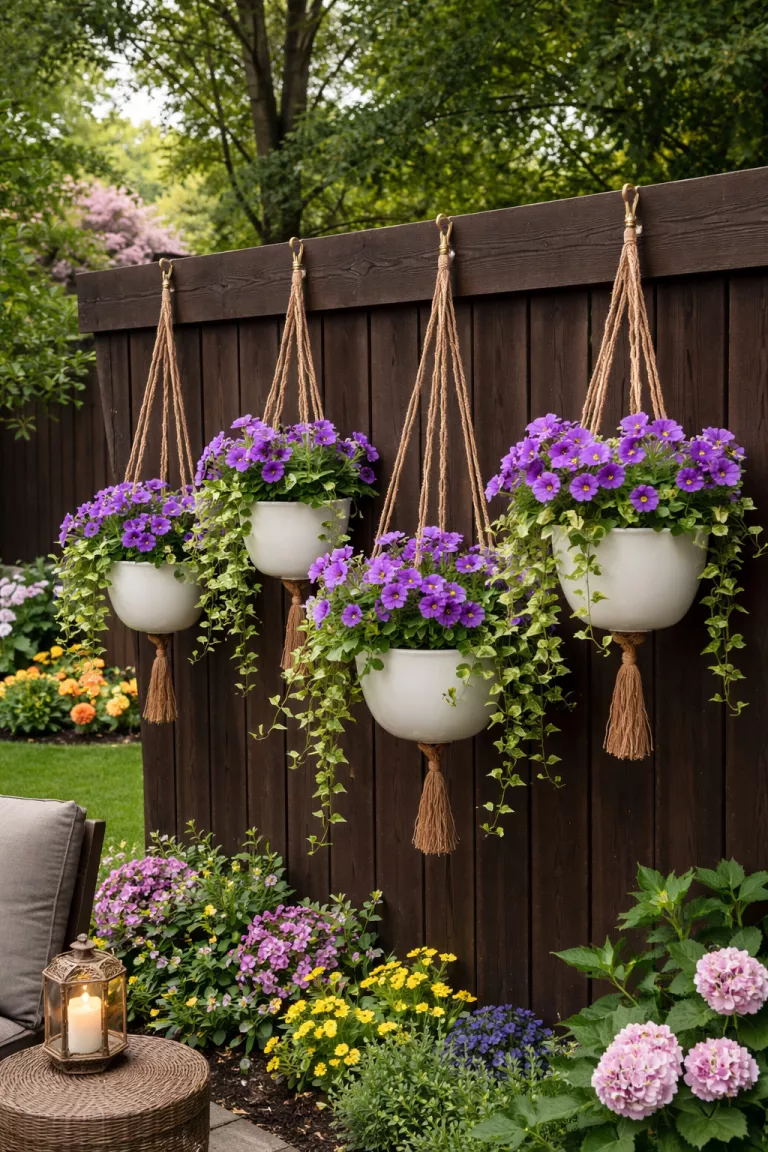
The Thriller, Filler, Spiller Strategy: A Gardener’s Best Friend
This is my favorite trick, and it works every single time. It is a simple formula for creating beautiful, balanced container arrangements. Once you learn it, you will never look at a planter the same way again.
- Thriller: This is your star plant, the focal point of the pot. It is usually tall and dramatic. Think canna lilies, ornamental grasses, or even a small evergreen shrub.
- Filler: These are the mid-height plants that fill out the bulk of the container. They often have interesting textures or colors. Petunias, impatiens, and coleus are great choices.
- Spiller: These plants trail over the edges of the pot, softening the lines and adding a graceful touch. Sweet potato vine, ivy, or creeping Jenny work wonderfully.
Using these three types of plants gives your planter depth and visual interest. It prevents that flat, one-dimensional look. It also makes your planter look full and established, even right after you plant it.
Plant Combos That Sizzle
You can experiment with different plant combinations using the thriller, filler, spiller method.
Here are a few of my go-to combinations that always get compliments:
- Classic Elegance:
- Thriller: Dwarf Alberta Spruce
- Filler: White Impatiens
- Spiller: English Ivy
- Sunny & Bright:
- Thriller: upright Geranium (red or pink)
- Filler: yellow Marigolds
- Spiller: bright green Sweet Potato Vine
- Shade Lover’s Delight:
- Thriller: Fuchsia
- Filler: Coleus (colorful leaves)
- Spiller: Creeping Jenny
Do not be afraid to mix and match. Sometimes the most unexpected combinations turn out to be the most beautiful. Just consider the light requirements of all your plants to make sure they are happy together.
Considering the Seasons: Year-Round Appeal
Nobody wants sad, empty pots in winter. Plan for year-round interest. You can swap out seasonal plants or choose evergreens that stay vibrant all year.
Winter Wonders and Fall Flavors
In fall, trade your summer annuals for mums, ornamental cabbage, or colorful pansies. When winter rolls around, consider small conifers, red twig dogwood branches, or even some festive ribbons. You still want those pots to look good, even when the rest of your garden is dormant.
I keep a few empty pots in my garage just for seasonal swaps. When my summer flowers start to fade, I can easily replace them with fall or winter plants without disturbing my main beds. It is a quick little pick-me-up for your porch.
Table: Seasonal Planter Guide
| Season | Thriller Ideas | Filler Ideas | Spiller Ideas |
|---|---|---|---|
| Spring | Tulips, Daffodils | Pansies, Violas | Creeping Phlox |
| Summer | Canna Lily, Ornamental Grasses | Petunias, Impatiens | Sweet Potato Vine, Calibrachoa |
| Fall | Chrysanthemums, Millet | Ornamental Cabbage, Pansies | Ivy, Sedum |
| Winter | Dwarf Conifers, Red Twig Dogwood | Hellebores, Wintergreen | Ivy (evergreen), Trailing Juniper |
This table gives you a basic idea, but you are the artist. Feel free to explore other plants that thrive in your climate. Local nurseries are a treasure trove of ideas and often have plants perfectly suited for your area.
Maintenance Matters: Keeping Them Happy
Beautiful planters require a little love. You cannot just plop plants in and expect them to thrive without water or food. Your plants are like tiny, thirsty pets.
Watering Wisely
Container plants dry out faster than in-ground plants. Check them daily, especially in hot weather. Stick your finger an inch or two into the soil. If it feels dry, it is time to water. Do not just sprinkle a little on top; give them a good soak until water drains from the bottom.
I learned this the hard way with some petunias. They looked great in the morning, then I came home from work to a bunch of sad, limp strings. Now, I try to water in the morning so the plants can absorb it before the midday sun hits.
Feeding Your Planters
Most potting mixes come with some nutrients, but they get used up quickly. A good liquid fertilizer every couple of weeks will keep your plants blooming profusely. Just follow the directions on the package; more is not always better when it comes to fertilizer. You might burn your plants with too much love.
Deadheading and Pruning for Perfection
Removing spent flowers, called deadheading, encourages the plant to produce more blooms instead of seeds. Pinching back leggy stems helps your plants stay bushy and full. It feels a little mean sometimes, but trust me, your plants will thank you for it with more flowers.
I find that deadheading is also a great way to just chill out in the garden. Pop on some music, walk around, and snip off the faded blooms. It is almost therapeutic, and it keeps your planters looking their best. Plus, it gives you a good excuse to admire your hard work up close.
Playing with Levels and Staggering
Flat rows of planters can look a bit dull. Add visual excitement by varying the heights of your plants and pots. Use plant stands, upside-down pots, or even bricks to lift some containers higher than others.
Creating Visual Interest with Height
Imagine a tall thriller plant in a sizable pot, flanked by two slightly smaller pots with medium-height fillers. Then, at the very front, a low-profile pot with a spilling plant. This creates a tiered effect that is much more dynamic than everything being on the same level.
I have a simple tiered plant stand that I move around my porch a lot. It has three levels, and I can arrange different sized pots on it. It instantly makes a corner look more interesting and allows you to group more plants without it looking messy or cluttered.
Embracing the Unexpected: Personal Touches
Your planters should reflect you. Do not be afraid to add little personal touches that make them unique. A tiny garden gnome peeking out, a pretty rock, or even a miniature birdhouse can add charm.
Small Details, Big Impact
A splash of color from a garden ornament, or a unique pot with an interesting story, can make your planters truly stand out. Maybe you found a cool old galvanized tub at a flea market; use it as a planter! These quirky touches are what make your curb appeal truly yours.
I once used an old, rusty toolbox as a planter for succulents. It was not pretty at first, but with a few spray paint touch-ups and some colorful succulents, it became a conversation piece. People always ask me about it!
Troubleshooting: When Things Go Wrong
Even the most seasoned gardeners run into problems. Leaves turn yellow, plants suddenly wilt, or bugs show up. Do not panic; most issues are fixable.
Common Conundrums and Quick Fixes
If leaves are yellowing, it could be overwatering, underwatering, or a nutrient deficiency. Check the soil moisture first, then consider a balanced liquid fertilizer. Wilting usually means lack of water, so give your plant a good drink.
Pests are a pain, but usually identifiable. Little white fuzz often means mealybugs. Tiny webs point to spider mites. A gentle insecticidal soap can usually handle most common garden pests without harming your plants too much. Always read the label before you spray though.
FAQ
How often should I water my container plants?
You should check your container plants daily, especially in warm weather. Water if the top inch or two of soil feels dry, making sure water drains from the bottom of the pot.
What is the minimum height for a “thriller” plant?
There is not a strict minimum height, but a “thriller” plant should be noticeably taller than your “filler” plants to create a dramatic focal point in your arrangement.
Can I mix different types of plants in one planter?
Absolutely! Mixing different types of plants is exactly what the “thriller, filler, spiller” method is about. Just make sure all plants in the pot have similar light and water requirements to thrive together.