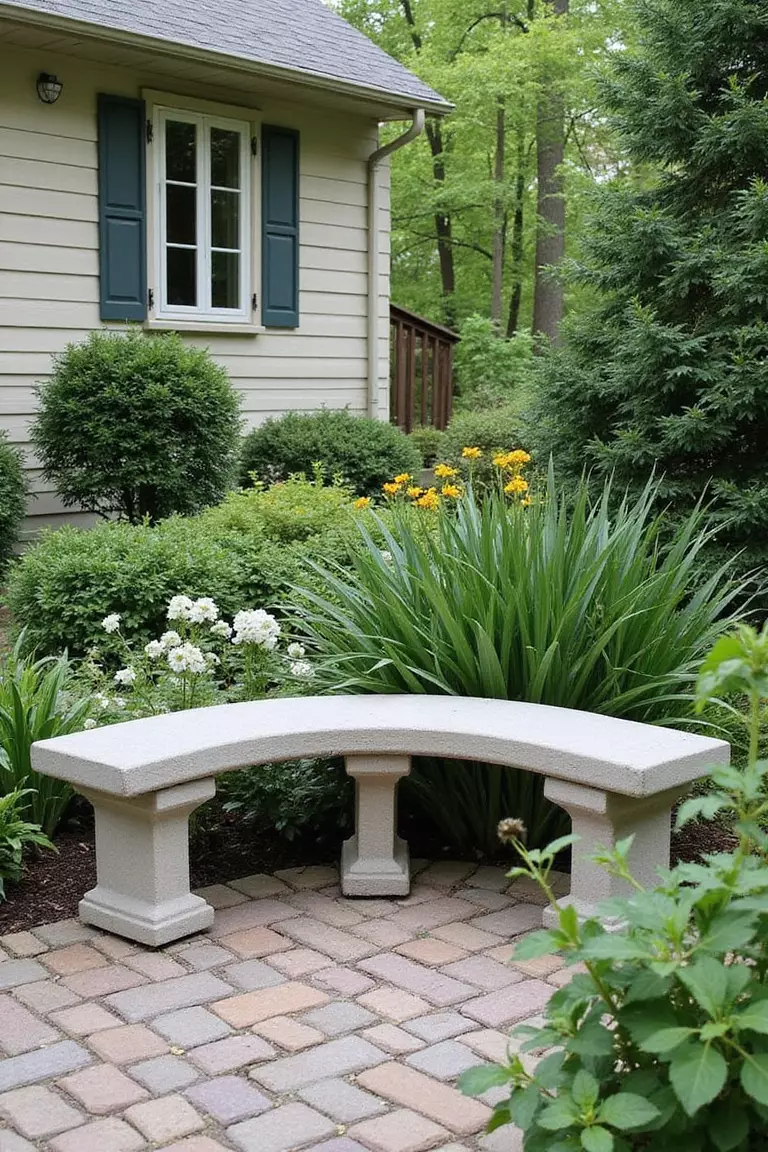
16 Meadow Garden Ideas
Want a beautiful, buzzing yard? Explore these 16 Meadow Garden Ideas to transform your space. You can easily attract bees and butterflies with colorful blooms. Get ready to create your own stunning, natural meadow escape right at home!
Start With Native Wildflowers
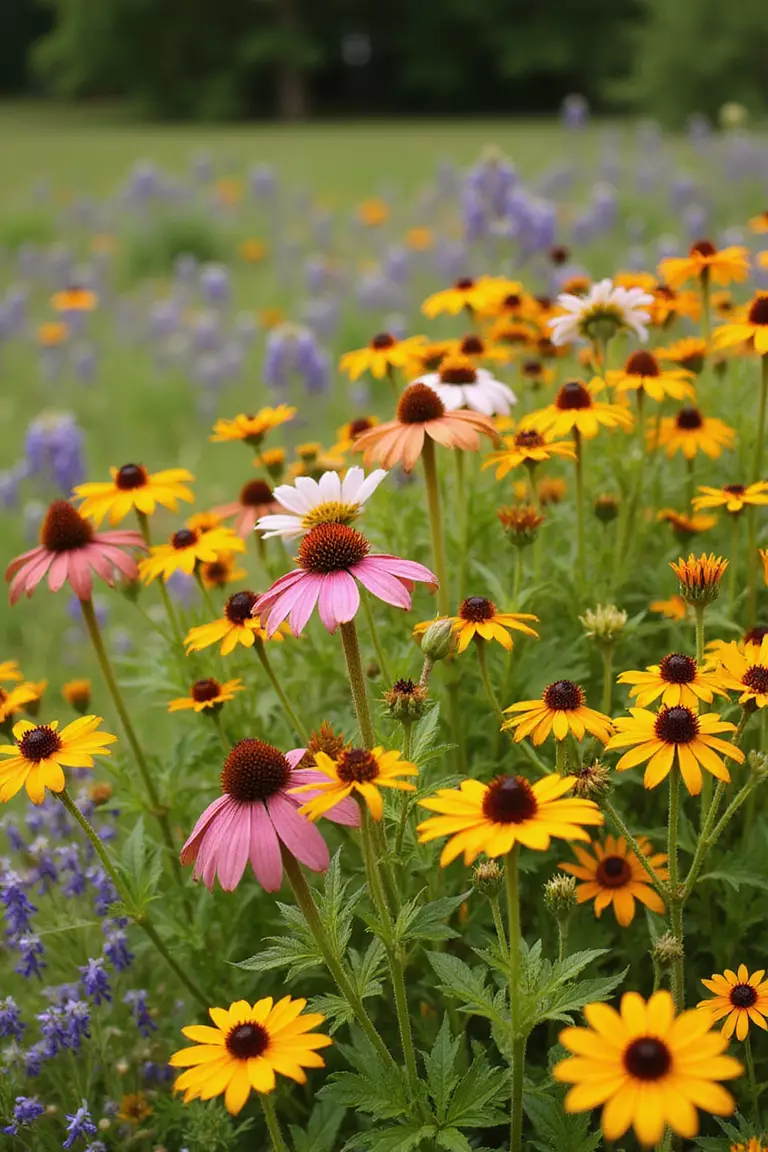
Choose flowers that grow naturally in your area.
Native wildflowers support local wildlife and often need less water.
You’ll find they thrive easily.
Look for seeds or plants specific to your region.
This makes your meadow look authentic and helps local pollinators find food.
Add Ornamental Grasses
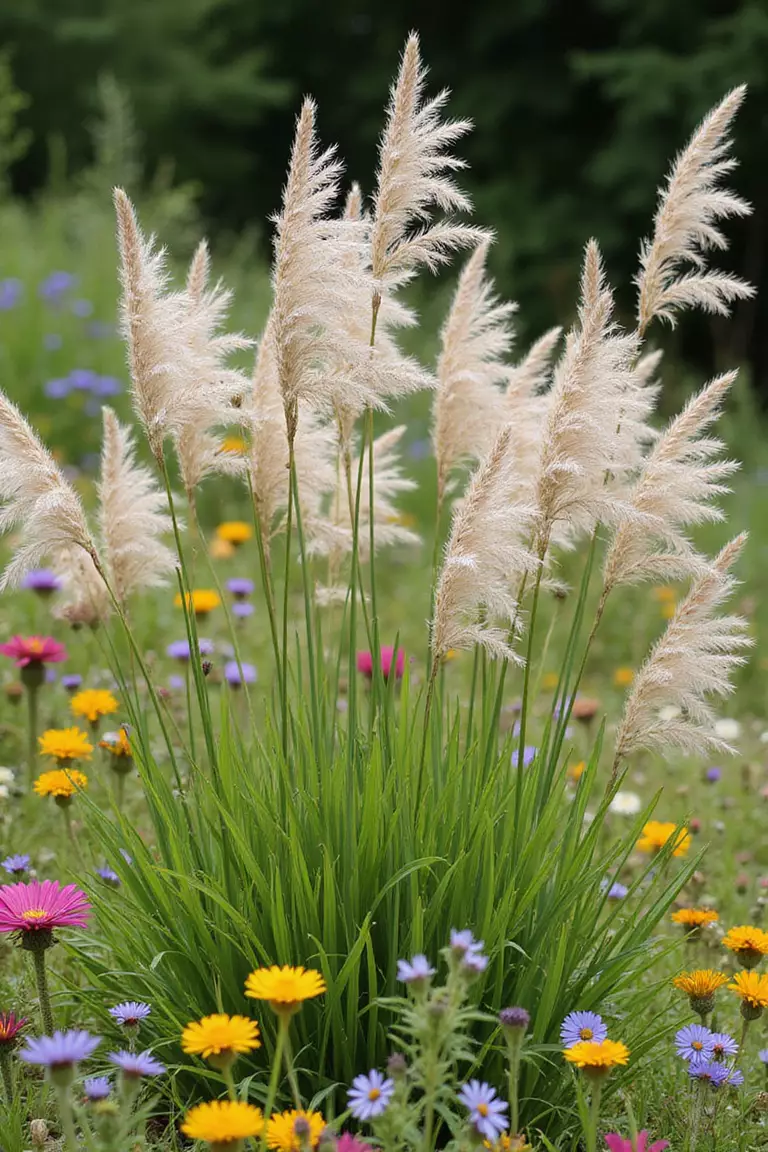
Mix in some pretty grasses for texture and movement.
Ornamental grasses sway in the breeze and add beauty all year long.
You can pick tall ones for background or shorter ones for edges.
They give your meadow a soft, natural look and feel through different seasons.
Create Winding Paths
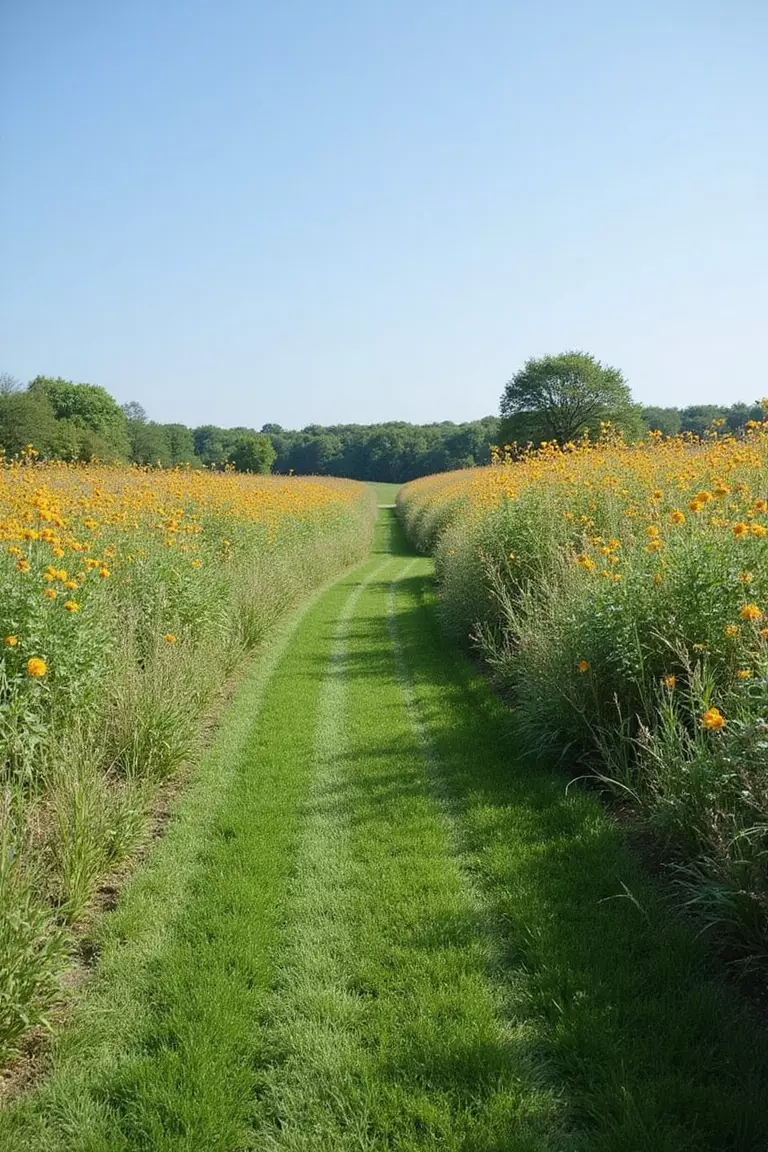
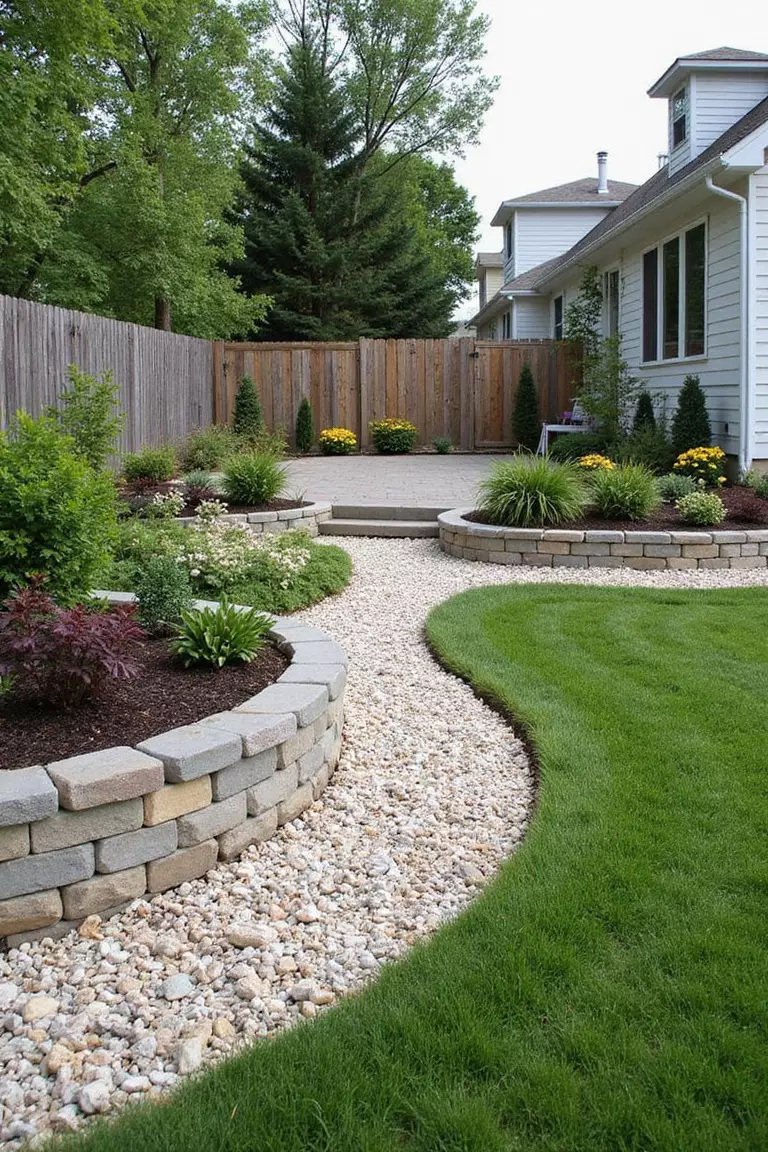
Make paths that curve through your meadow.
Winding paths invite you to walk through and explore the flowers up close.
You can simply mow a path through the grass or use wood chips.
This makes your meadow garden feel like a secret place waiting to be discovered.
Include a Water Feature
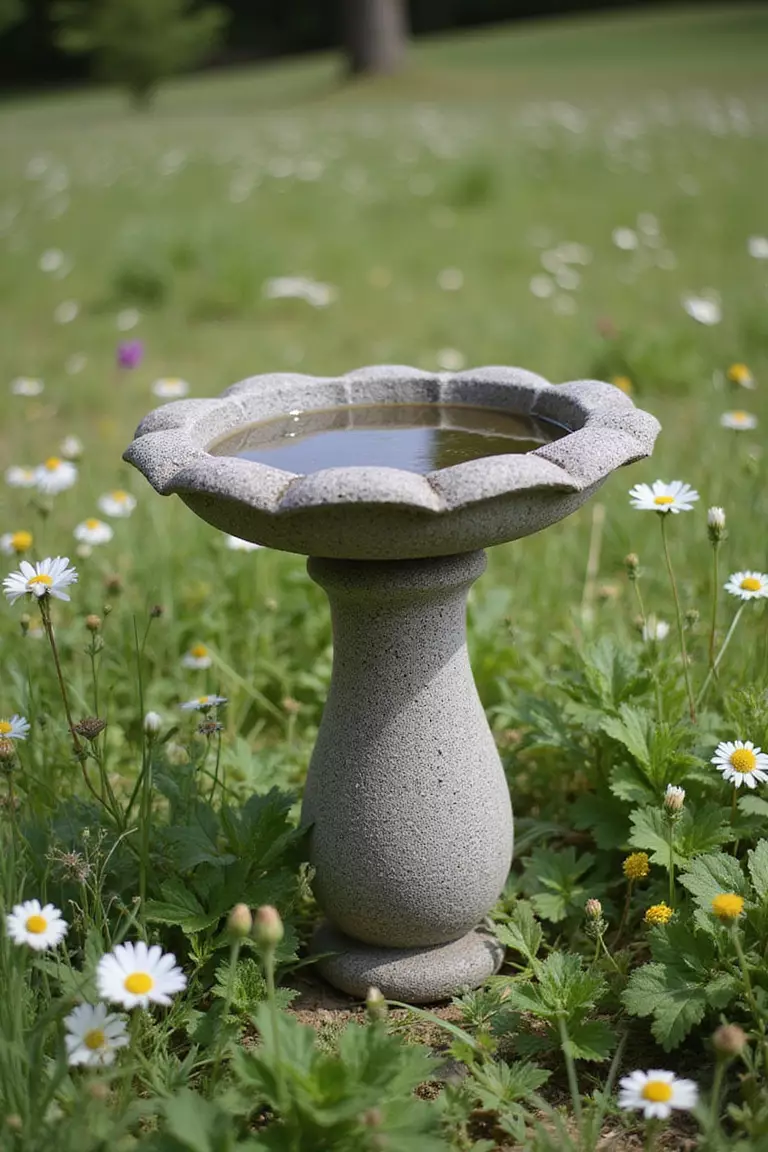
Add a simple bird bath or a small pond.
Water attracts birds, dragonflies, and other helpful creatures to your garden.
The sound of water adds peace, too.
You don’t need anything big; even a shallow dish helps wildlife and makes your meadow more lively.
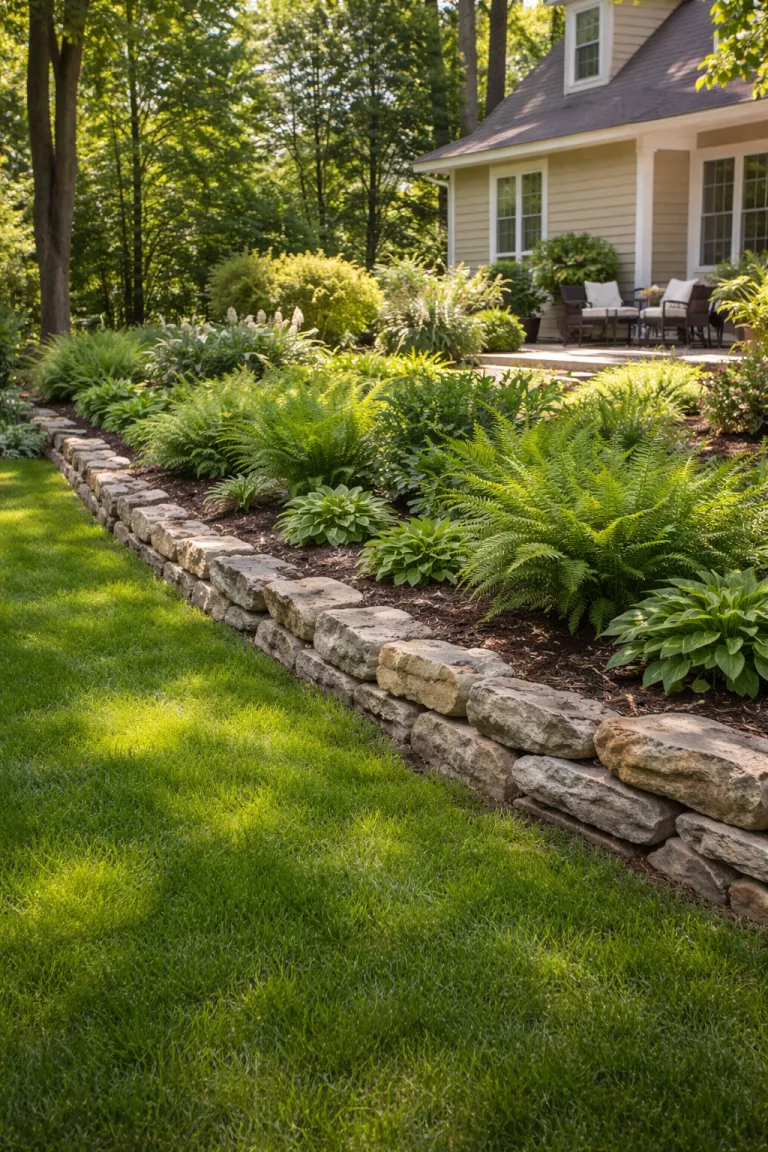
Build a Rock Border
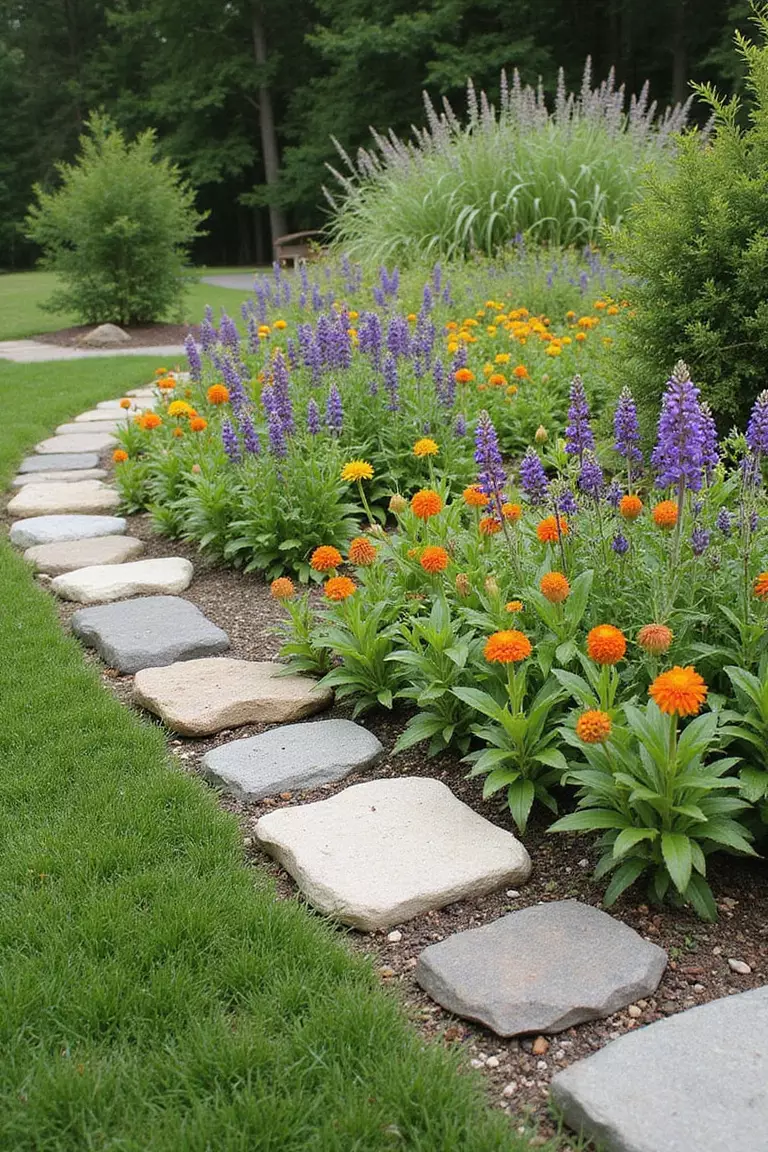
Use stones to edge your meadow area.
A rock border clearly marks the meadow’s edge and keeps things looking tidy.
You can gather stones from your yard or buy some simple ones.
This natural border adds texture and helps separate the meadow from your lawn.
Plant Pollinator Friendly Flowers
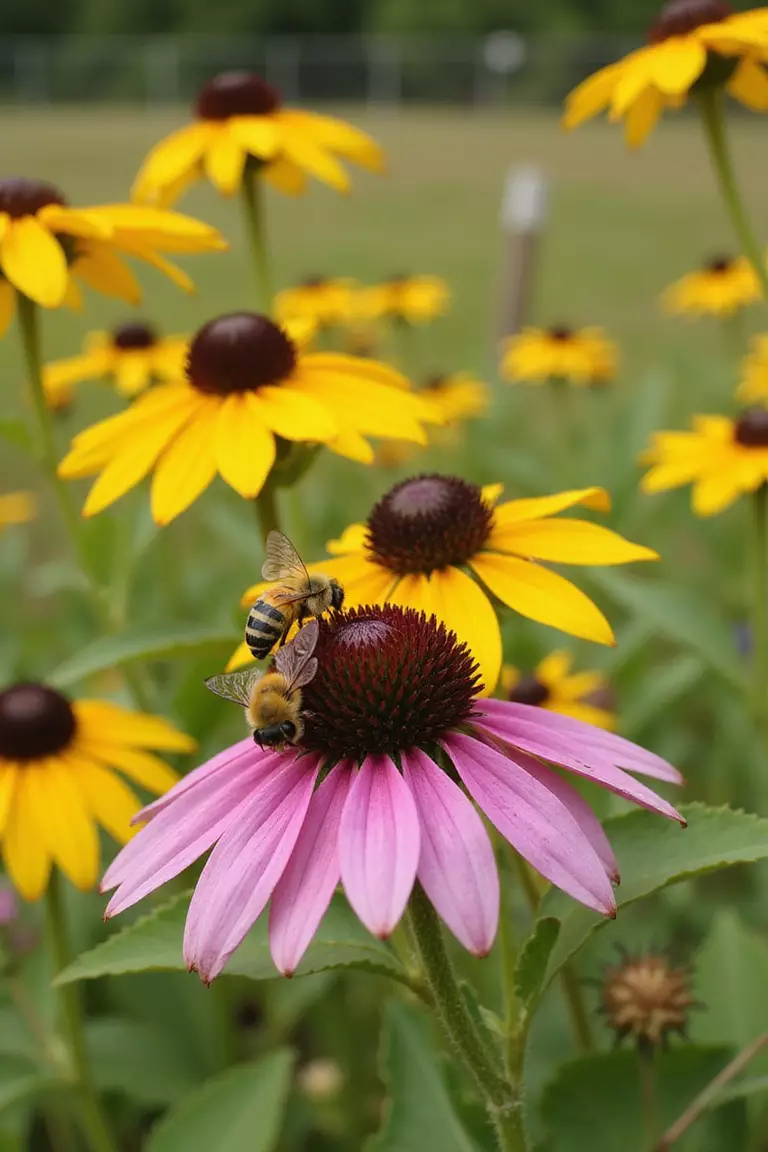
Choose flowers that bees and butterflies love.
Bright blooms like coneflowers, bee balm, and milkweed provide food for these important insects.
Planting a variety helps different pollinators throughout the growing season.
You get a buzzing garden full of life and color.
Incorporate Seating Areas
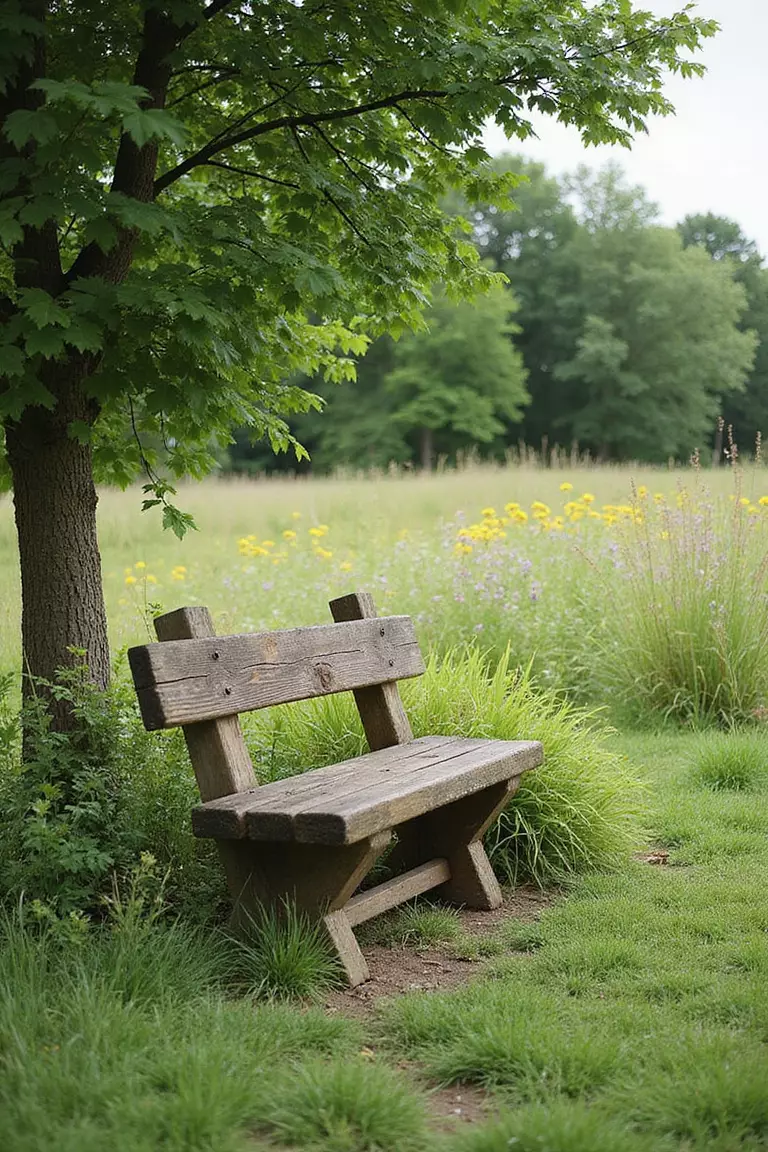
Place a bench or a couple of chairs in or near your meadow.
This gives you a spot to relax and enjoy the view.
You can watch the butterflies flutter by or listen to the birds.
A simple seat makes your meadow a place to truly unwind.
Use Different Heights
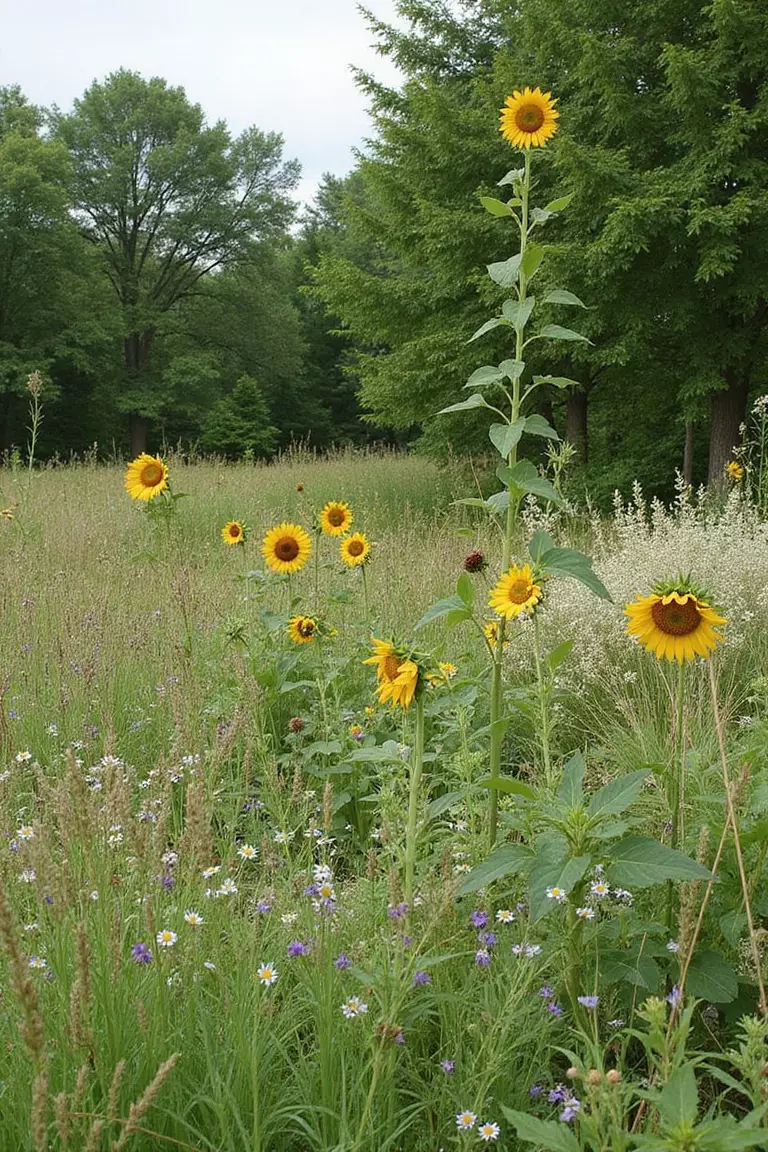
Plant flowers and grasses of various sizes.
Mixing heights makes your meadow look more natural and interesting.
You can put taller plants in the back and shorter ones near the front or paths.
This layering adds depth and dimension to your garden design.
Mix Annuals and Perennials
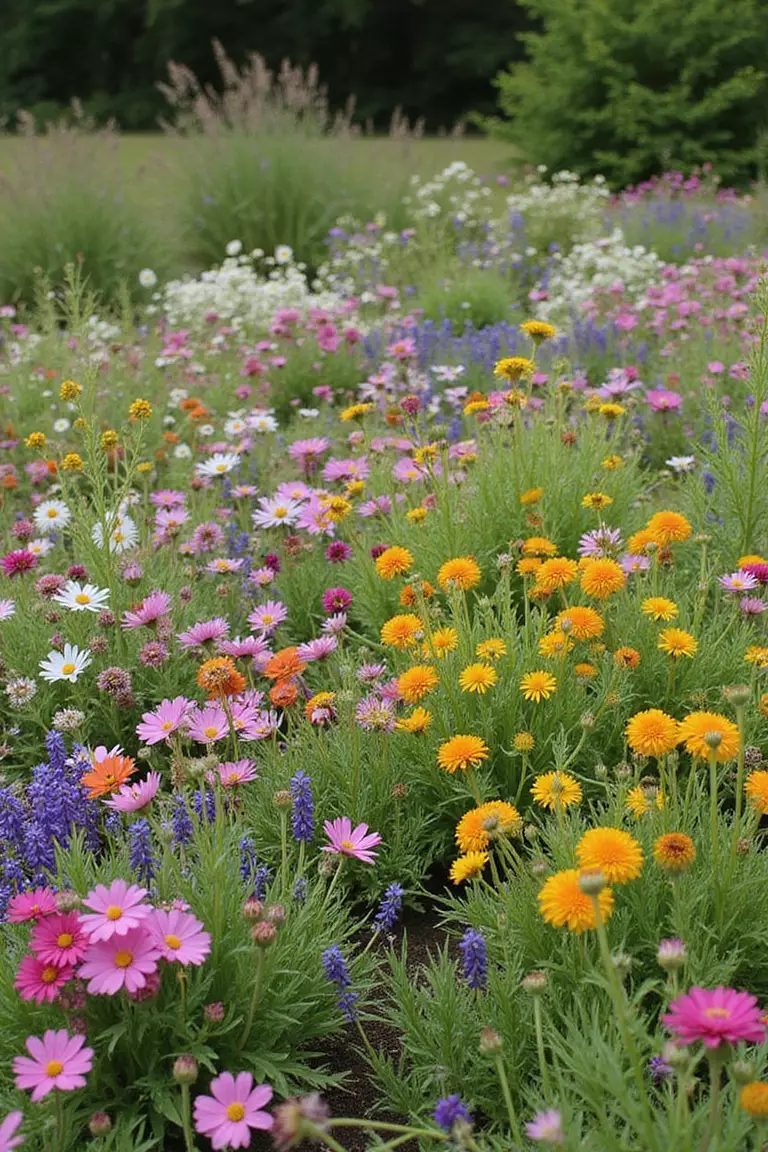
Combine plants that bloom for one year with those that return yearly.
Annuals give you quick, bright color the first season.
Perennials come back year after year, forming the backbone of your meadow.
This mix ensures you have blooms throughout the season, every year.
Choose Sun Loving Plants
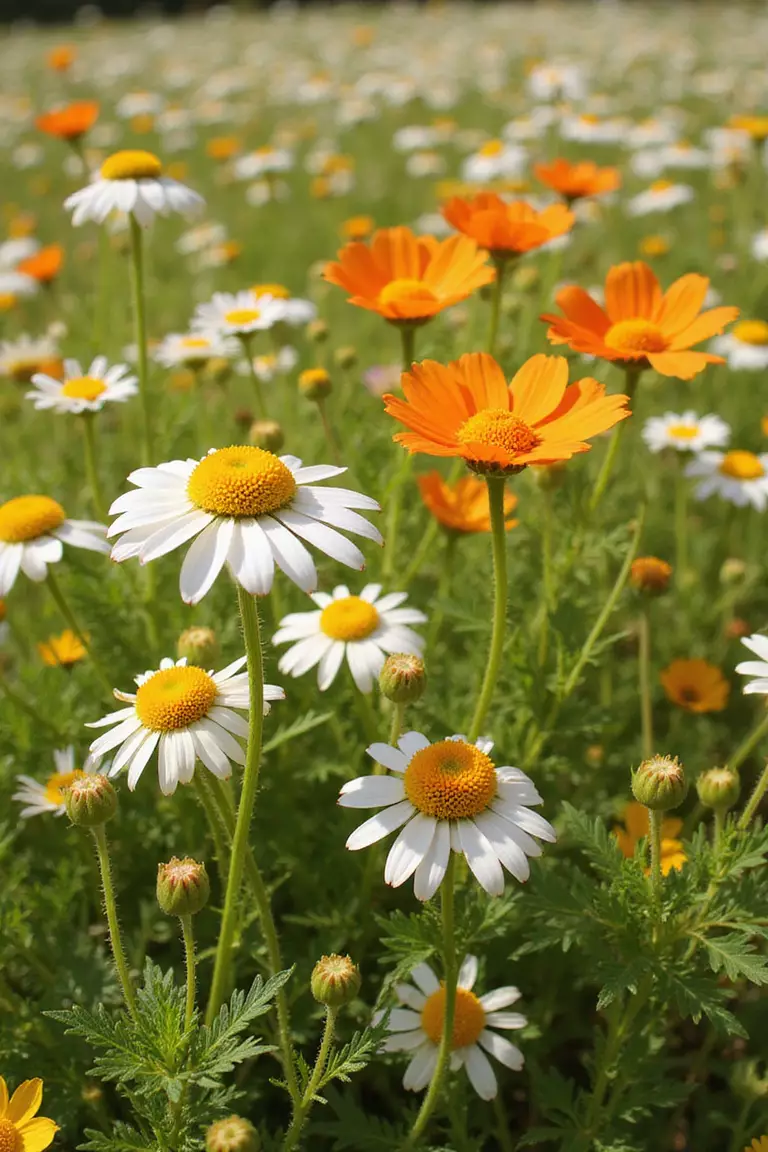
Select plants that enjoy lots of sunshine if your spot gets direct light.
Many meadow flowers need full sun to bloom well.
Check plant tags or seed packets for sun needs.
You’ll get the best results and the brightest flowers in a sunny location.
Let It Grow Wild Mostly
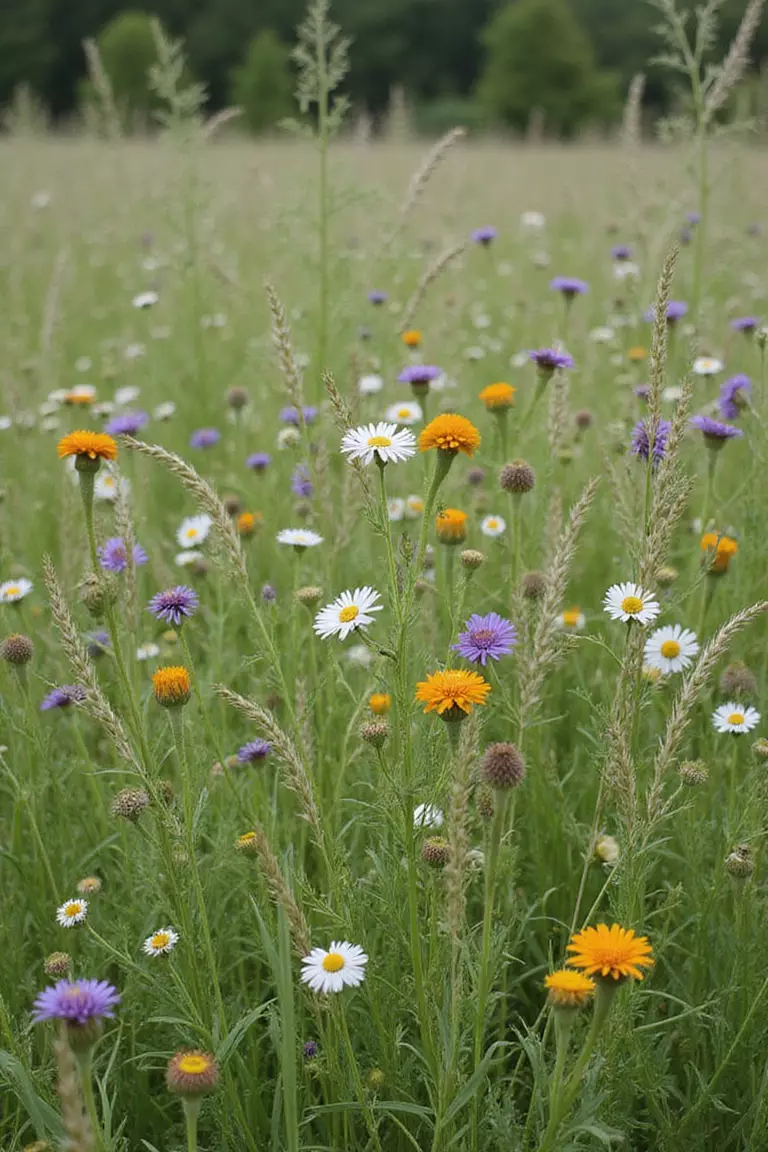
Avoid making your meadow too perfect or overly neat.
Part of the charm is its natural, slightly untamed look.
Let plants self-seed and spread a bit.
You only need to manage weeds and ensure paths stay clear.
Embrace the wild beauty!
Include Fall Color
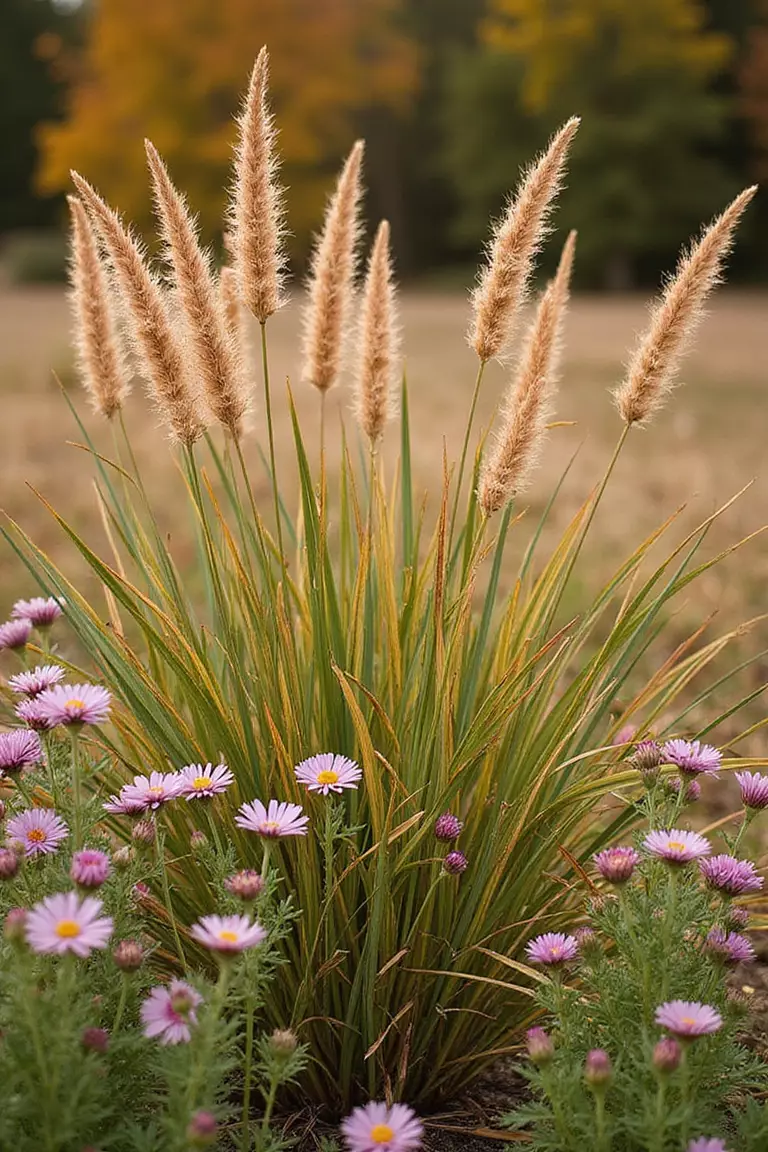
Pick some plants that look great in autumn.
Grasses often turn lovely shades of gold or bronze.
Late-blooming flowers like asters or goldenrod add color until frost.
You can enjoy your meadow’s beauty well into the cooler months with these additions.
Install Bird Feeders
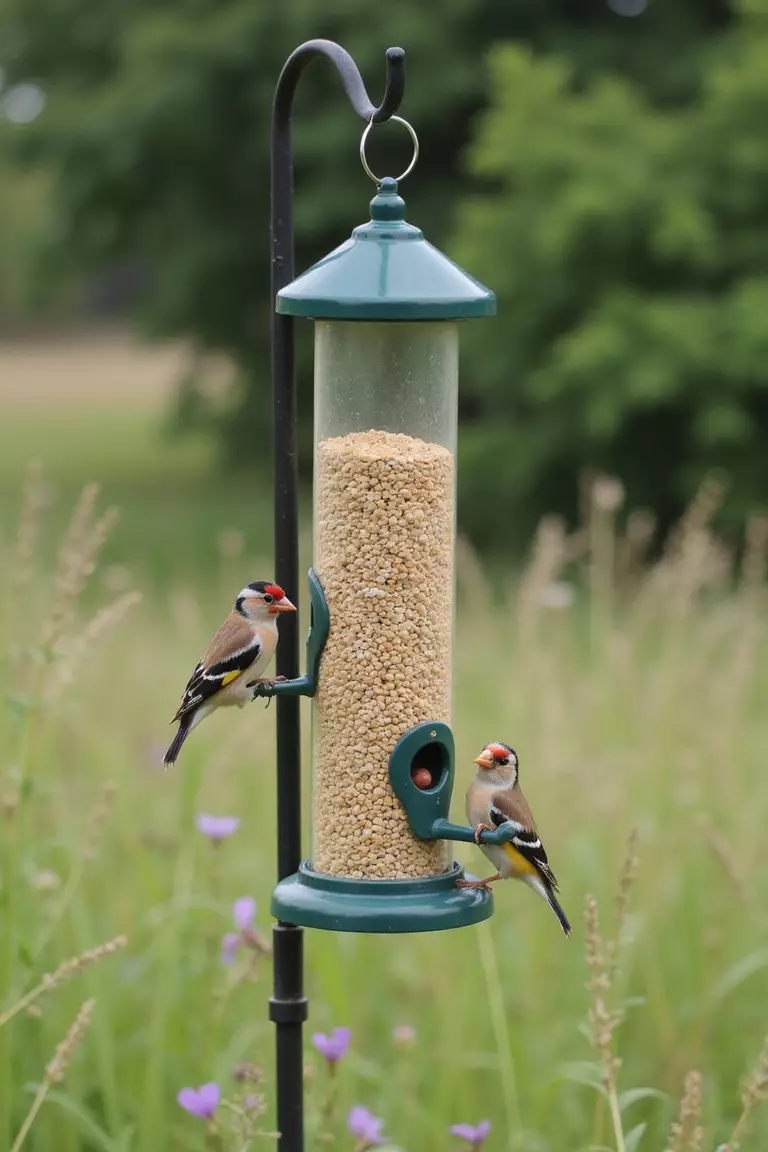
Hang feeders to attract more birds to your meadow.
Birds add life and song to your garden space.
You can offer seeds, suet, or nectar.
Place feeders near shrubs or trees so birds feel safe while they eat at your welcoming spot.
Design for Small Spaces
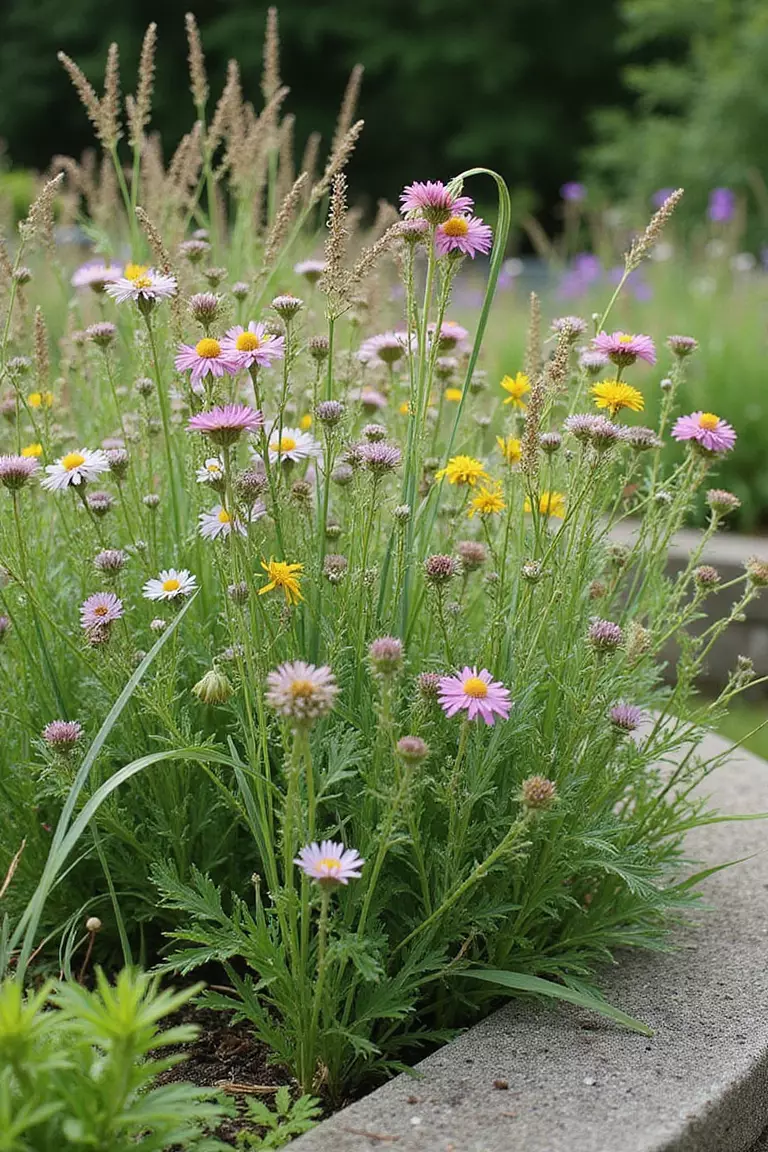
You do not need a huge yard for a meadow look.
Plant a small patch with wildflowers and grasses.
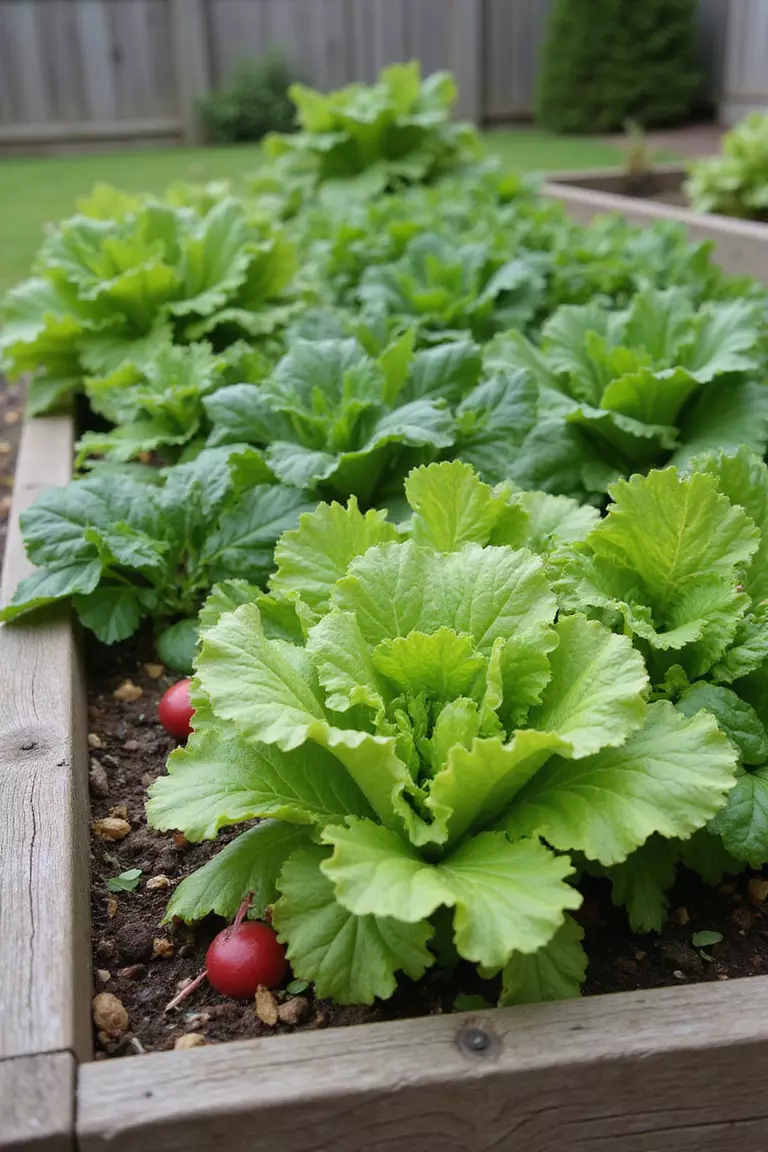
Even a large container or a raised bed can work.
You still get the beauty and attract pollinators, just on a smaller, manageable scale.
Use Natural Mulch
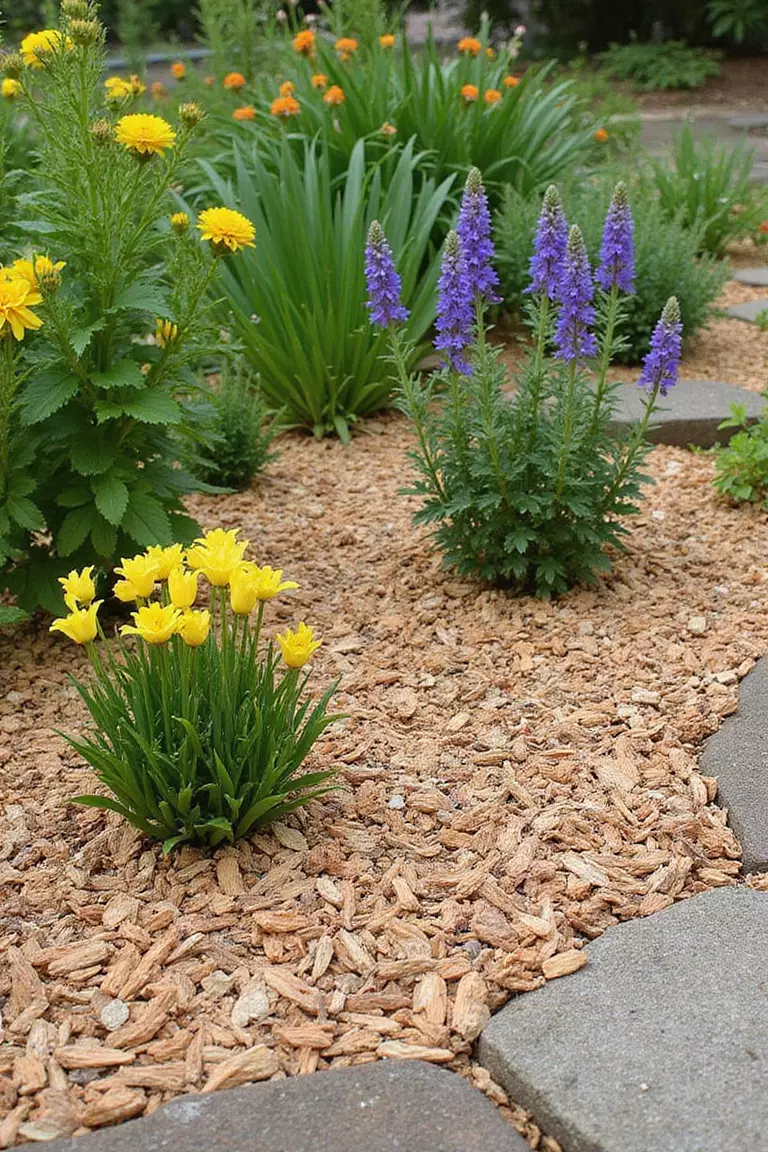
Spread a layer of wood chips or shredded leaves around new plants.
Mulch helps keep weeds down and holds moisture in the soil.
It breaks down over time, adding good stuff to the earth.
Natural mulch looks right at home in a meadow setting.
Group Plants Together
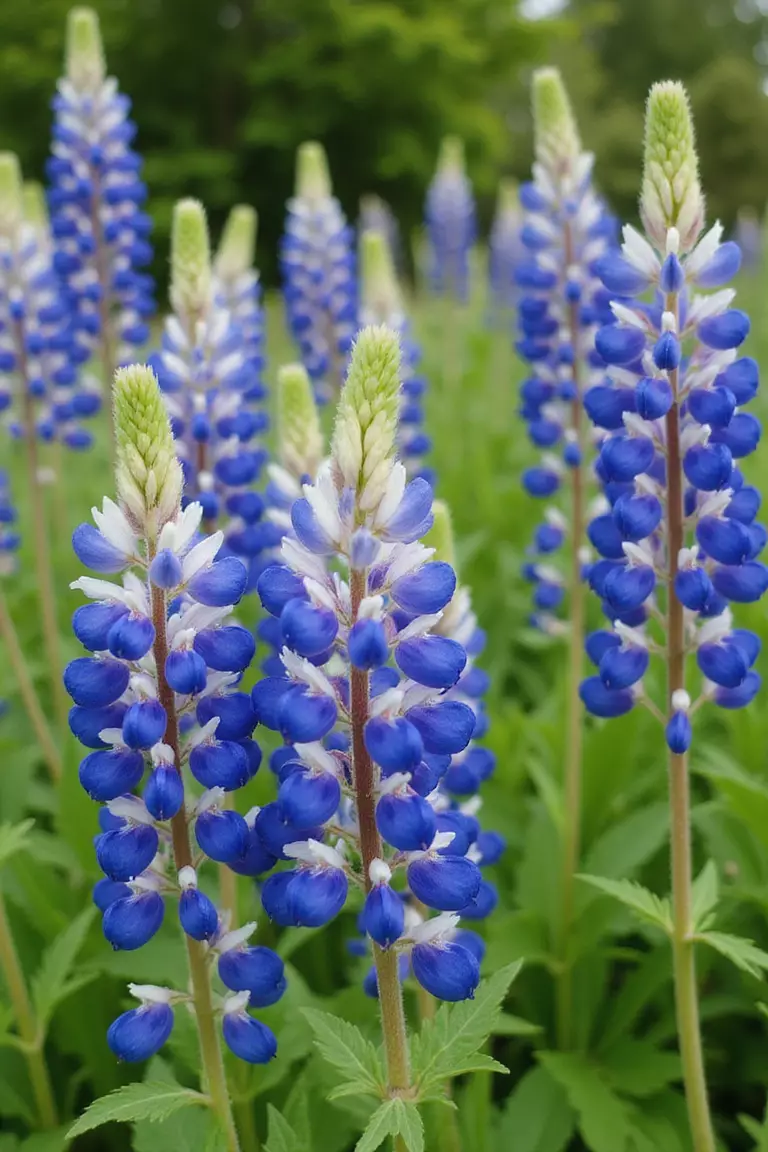
Plant flowers in clusters or drifts instead of single spots.
Grouping the same type of plant together makes a bigger visual splash.
It also helps pollinators find the flowers more easily.
Arrange these groups naturally for that classic meadow appearance.