How to Weatherproof Your Outdoor Furniture and Planters
Hey there, fellow plant lover! Do you want your beautiful outdoor furniture and planters to last more than just one season? Of course, you do! Protecting them from the elements is easier than you think, and I am here to share all my secrets. Let’s make your outdoor space invincible.
Understanding Your Outdoor Materials

You know, not all outdoor furniture is created equal. Some stuff laughs in the face of a monsoon, others practically melt at the thought of a little rain. Knowing what you have is the first step to making it last. I mean, you wouldn’t put a cotton shirt out in a blizzard, would you? Same principle.
Wood Furniture: Friend or Foe of Weather?
Wood outdoor furniture, ah, the classic choice. It smells good, it feels good. But oh, does it need some love. Cedar, teak, and acacia are the real stars here; they naturally resist rot and bugs. Pine and fir, not so much; they need a lot of help.
- Teak and Cedar: These woods contain natural oils that make them super durable. You can pretty much just let them silver gracefully, or you can oil them to keep that warm, golden glow.
- Other Woods: For pressure-treated pine or even untreated varieties, a good weather-resistant stain or sealant is non-negotiable. I learned this the hard way with a cheap pine picnic table my aunt gave me. It looked great for about three months, then it looked like it belong in a haunted house.
Metal Furniture: Rust Never Sleeps
Metal furniture, especially wrought iron and steel, looks so elegant. But if you ignore it, rust will sneak up on you like a silent ninja. Aluminum, bless its heart, rarely rusts, which is why I love it for lounging.
- Wrought Iron and Steel: You absolutely must keep these pieces painted or powder-coated. Any scratch is an open invitation for rust, and once it starts, it is a real fight to stop it. Regular inspections are important; I check mine every spring.
- Aluminum: This metal is the low-maintenance superstar. A quick wash usually does the trick. I had an aluminum bistro set for years that I practically ignored, and it always looked fantastic.
Wicker and Resin: The Weave of Durability
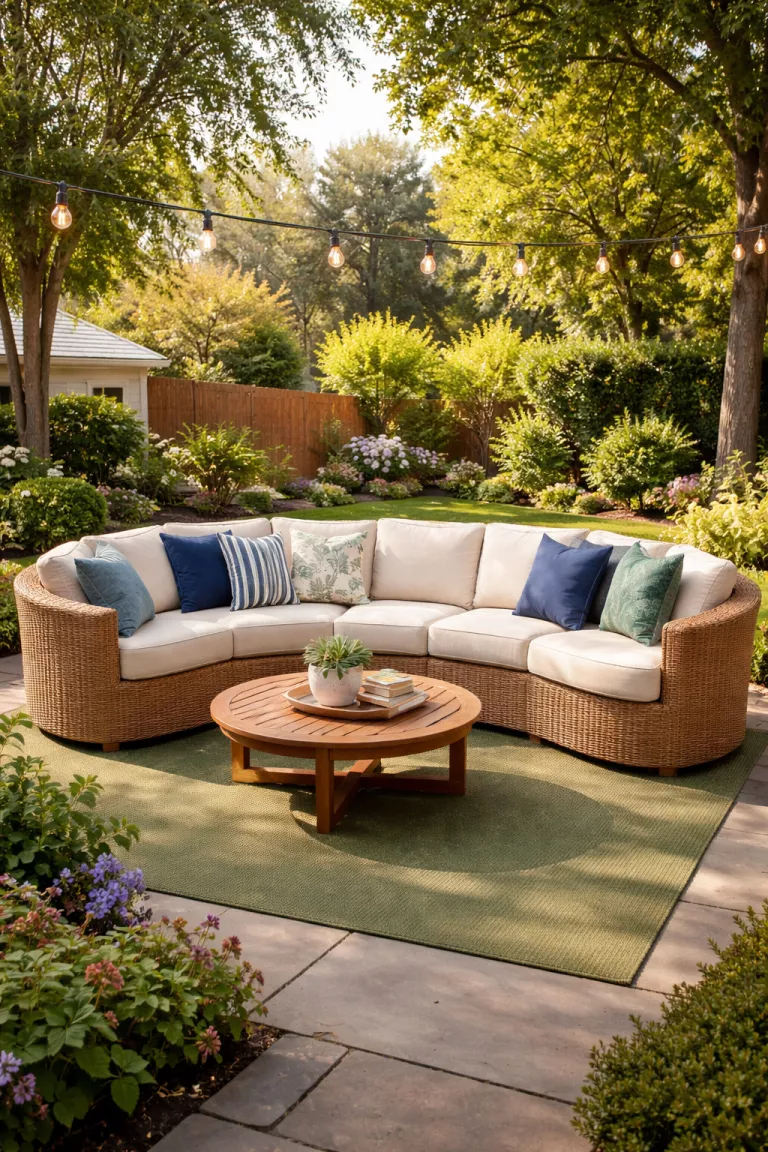
Wicker furniture used to mean delicate, easily damaged stuff. Not anymore! Modern resin wicker is tough as nails; it laughs at rain and sunshine. Natural wicker, though, still needs babying.
- Resin Wicker: This synthetic stuff is fantastic. It is fade-resistant and pretty much waterproof. A hose down is often all it needs. It is what I recommend for folks who want the wicker look without the fuss.
- Natural Wicker: Keep your natural wicker pieces covered or in a sheltered area. Humidity is its enemy, and sun can make it brittle. My grandmother had a beautiful natural wicker chair; it lasted for decades because it lived on a screened-in porch.
Fabrics and Cushions: The Unsung Heroes
What good is pretty furniture if the cushions are soggy and moldy? Outdoor fabrics have come a long way. Sunbrella is the name everyone knows for a reason; it is amazing.
- Solution-Dyed Acrylics: These fabrics resist fading, mold, and mildew. They are seriously worth the extra cost. I have outdoor cushions made of this material, and they look new even after years of neglect.
- Polyester and Olefin: These are good, more affordable options. Just remember they might fade faster or need more frequent cleaning. Always bring these inside during heavy rain or the off-season.
Planters: Protecting Your Greenery’s Home
Your plants deserve a good home that will not crack or crumble the minute temperatures drop. Planters are often overlooked in the weatherproofing conversation. That is a mistake, my friend. A big mistake.
Terracotta and Ceramic Planters: The Crackers

These look lovely, do not they? Earthy, classic. But oh, they are fragile. Water seeps into their pores, freezes, expands, and crack. There goes your beautiful pot.
- Winter Storage: Bring these indoors or into a frost-free shed for the winter. Empty them completely. Storing them upside down can help any lingering moisture escape.
- Sealants: You can buy sealants specifically for terracotta to help make them less porous. It is not a magic bullet, but it helps a lot. I seal mine every couple of years.
Plastic and Resin Planters: The Survivors
Plastic planters are the unsung heroes of the garden. They are lightweight, durable, and come in every color imaginable. Many are designed to withstand temperature extremes without cracking.
- UV Resistance: Look for “UV resistant” on the label. This means they will not get brittle and crumble in the sun after one season. I always buy UV-resistant ones now.
- Drainage: Make sure they have good drainage holes. Waterlogging is bad for plants and can still cause issues with the pot if water freezes inside.
Essential Weatherproofing Strategies
You know your materials. Now, let us talk strategy. This is where you become the master of your outdoor domain. It is less work than you think, especially if you set up a good routine.
Covers: Your Furniture’s Winter Coat
Outdoor furniture covers are your first line of defense. Think of them as a personal force field for your stuff. They protect against rain, snow, sun, and even bird droppings.
- Material Matters: Look for covers made from breathable, waterproof material. Polyester with a vinyl coating is a good choice. Some have vents to prevent condensation and mold.
- Proper Fit: Get covers that fit snugly but not too tightly. You want air circulation underneath. Loose flapping covers just invite tears. I made that mistake once; the wind tore my cover to shreds.
Cleaning and Maintenance: A Little Effort Goes a Long Way
Regular cleaning is not just about looks; it is about preservation. Dirt and grime can trap moisture, leading to mildew and corrosion.
- Routine Washes: A simple wash with mild soap and water can work wonders. Rinse thoroughly. I do this every couple of weeks during the season.
- Spot Treatments: For mildew, a diluted bleach solution (one part bleach to ten parts water) works well on non-porous surfaces. Test in an inconspicuous area first, always.
Storage Solutions: The Off-Season Sanctuary

When the garden goes to sleep, your furniture needs a cozy spot too. Indoor storage is always best if you have the space.
- Garages and Sheds: An unheated garage or shed is perfect. Just make sure the items are clean and dry before storing them away to prevent mold.
- Elevating Furniture: If you must leave things outside but under a patio cover, elevate them slightly off the ground to allow air circulation. This helps prevent moisture from pooling underneath.
Drainage, Drainage, Drainage!
This is so important for planters. Good drainage prevents root rot and saves your pots from freezing and cracking.
- Drainage Holes: Always make sure your planters have adequate drainage holes. If not, drill some. Seriously, just do it.
- Pot Feet: Raising planters off the ground with pot feet improves drainage and air circulation. It also prevents stains on your patio. I use them religiously; it saves my concrete from ugly rings.
My Personal Hacks for Foolproof Weatherproofing
I have been doing this gardening thing for a while, and I have picked up a few tricks. These are my go-to methods.
- The Old Plastic Bag Trick for Small Items: For smaller, delicate items like ceramic garden gnomes or small terracotta pots, I sometimes wrap them in heavy-duty black trash bags before tucking them away in the shed. It is an extra layer of protection from dampness. Make sure they are super dry first.
- Silicone Spray for Metal Joints: Moving parts on furniture, like hinges on a folding chair or glider, can seize up with rust. A quick spray of silicone lubricant before storing them for winter keeps them working smoothly. My outdoor swing now glides like a dream because of this.
- Sand in Planters for Stability During Wind: If you live in a windy area, adding a layer of sand or gravel to the bottom of large, lightweight plastic planters helps weigh them down. This keeps them from blowing over in a gust and potentially damaging plants or themselves. Just make sure it does not block the drainage.
- DIY Waterproofing Spray for Fabric: You can buy waterproofing sprays for outdoor fabrics. I use them on my less expensive chair cushions. They really do help water bead up and roll off, giving you more time to grab them before they get soaked. It is not as good as solution-dyed fabric, but it is a good second best.
Common Errors People Make (And How to Avoid Them)
We all make mistakes; I have made a ton in my gardening journey. Learning from them means you do not have to. Here are some classic blunders I see all the time.
| Mistake | How to Avoid It |
|---|---|
| Leaving cushions outside during rain. | Bring them in! Or at least stand them on edge so water drains off quickly. Many cushions claim to be “waterproof,” but water-resistant is more accurate. |
| Not cleaning furniture before storing it. | Dirt and moisture trapped under covers or in storage invite mold and mildew. Always clean and dry everything thoroughly before putting it away for the season. |
| Stacking terracotta pots directly on top of each other. | This can trap moisture and increase the risk of cracking. Place cardboard or newspaper between them if you must stack them. Better yet, do not stack them if you can help it. |
| Using indoor furniture outdoors, even for a short time. | Indoor furniture is not designed for outdoor conditions. Even a short exposure to humidity or sun can cause damage. I once saw a friend drag out an antique wooden chair; it did not last past the first dew. |
Final Thoughts
So, there you have it. Weatherproofing your outdoor haven is not some dark art; it is just a bit of practical magic. With these tips, your outdoor space will look great, season after season, and you will be able to enjoy it way more. Now go enjoy your beautiful backyard!
Frequently Asked Questions
What is the best way to clean mold off outdoor furniture cushions?
For mold or mildew, mix one part bleach with ten parts water. Spray the solution on the affected areas, let it sit for about fifteen minutes, then scrub with a soft brush and rinse thoroughly. Always test in an inconspicuous spot first to ensure it does not damage the fabric.
Can I leave metal planters outside all winter?
It depends on the metal. Aluminum planters are generally fine because they resist rust and temperature changes. Iron or steel planters should be emptied, cleaned, and stored indoors or in a covered area to prevent rust, especially if they have any scratches in their finish.
How often should I reapply sealant or stain to my wooden outdoor furniture?
This varies depending on the product and your local climate, but generally, you should reapply sealant or stain every one to three years. Pay attention to the manufacturer’s instructions on the product label. If the wood starts to look dull or water no longer beads on the surface, it is probably time for a refresh.