How to Add Privacy to a Backyard Garden Without Losing Sunlight
You desire outdoor peace and quiet. You want that private garden sanctuary. But you do not want your beautiful plants to suffer in the shade. I hear you. This article shows you how to achieve garden privacy without sacrificing precious sunshine.
Understanding Sunlight Needs for Your Garden

Before you build your personal fortress, you should know what your plants need. Different plants require different amounts of light. Understanding this will help you plan your privacy screens wisely.
Assessing Sun Patterns
You must observe your garden’s sun exposure. This sounds like homework, but it is actually quite simple. Spend a day, or even a week, monitoring where the sun hits at different times.
- Morning sun is gentler.
- Afternoon sun is more intense.
- Full sun means six or more hours of direct sunlight.
- Partial sun or partial shade means two to six hours of sun, often morning sun.
I once had a friend who planted sun-loving petunias in a shady corner. They looked sad, like they needed a hug. Do not be like my friend.
Choosing Sun-Loving Plants
I always tell people, if you want a beautiful garden, you have to pick the right plants. Many privacy options involve plants. So, selecting sun-loving varieties is key for a bright, private space.
| Plant Category | Example | Sun Preference |
|---|---|---|
| Flowering Shrubs | Rose, Hydrangea | Full sun to partial sun |
| Evergreen Shrubs | Arborvitae, Privet | Full sun |
| Perennials | Coneflower, Daylily | Full sun |
You want happy, thriving plants, not ones that look like they are perpetually waiting for better days.
Strategic Plant Choices for Privacy and Sun
This is where the magic happens. You can use plants to create living walls. These walls provide privacy without acting like giant sun blockers.
Tall, Narrow Evergreens
These are my go-to for quick, effective privacy. They grow upwards, not outwards. This means they cast a smaller shadow footprint. Think about it: a thin line versus a wide rectangle.
- Sky Pencil Holly: It is like a green exclamation point. It grows straight up, maybe two feet wide, but tall. Perfect for tight spots.
- Emerald Green Arborvitae: A denser option, still narrow, offers great year-round screening. It almost looks like a green column.
- Upright Junipers: Some varieties grow very tall and slender. They have that rugged, natural look.
Years ago, my neighbor put in a row of these. Suddenly, I could not see their grill. Mission accomplished for them.
Climbing Plants on Trellises
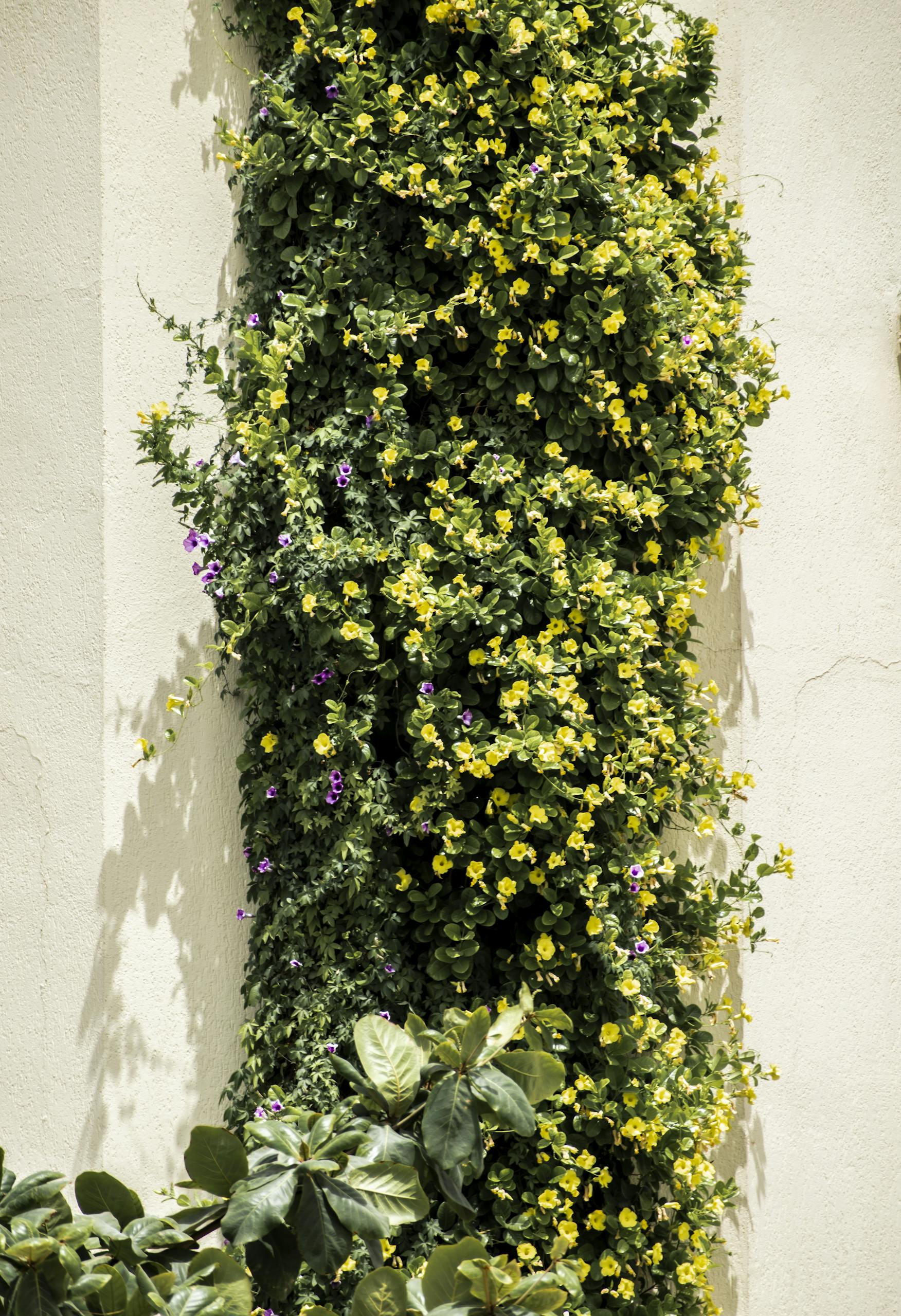
This is a fantastic way to add privacy vertically. The trellis provides structure. The plant climbs. Presto! You have a green privacy screen that lets light filter through the gaps.
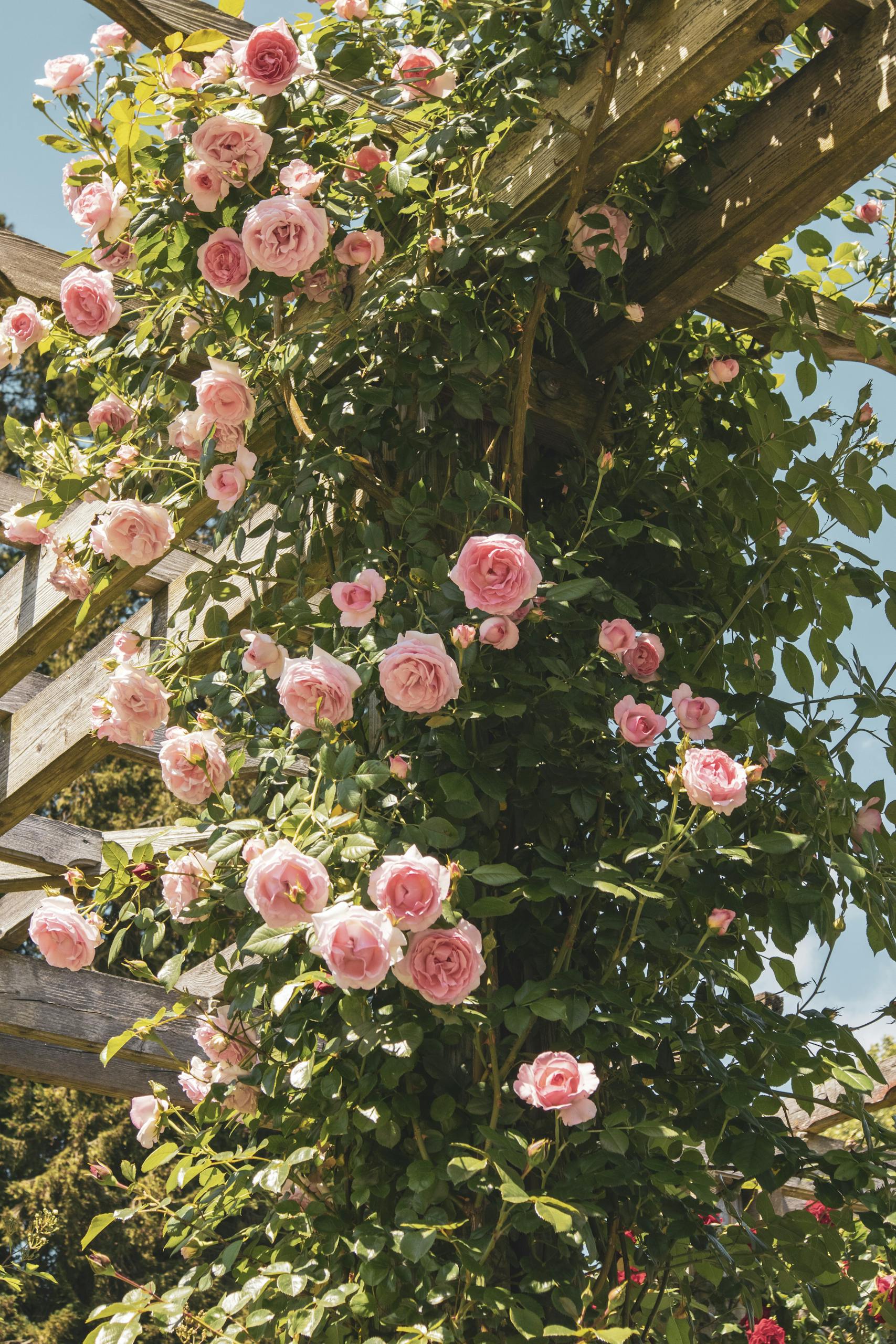
- Vining Roses: They smell amazing. You get beauty and privacy.
- Clematis: These colorful flowers are showstoppers. They climb fast.
- Trumpet Vine: It is a vigorous climber. It brings hummingbirds to your garden, which is a bonus.
You can train these plants to grow exactly where you want them. It is like telling your plants, “Okay, your job today is to make a privacy wall.”
Layered Planting
Think of this as building a green staircase. You place taller plants further back. Then you put shorter plants in front. This creates a visually interesting barrier. It also means the shorter plants still get plenty of light.
I have a layered bed that starts with tall miscanthus grass. In front of that, I have some medium-sized hydrangeas. Then, in the very front, I planted low-growing sedum. It looks full and blocks views, but everything gets sun.
Smart Structural Solutions for Privacy
Sometimes, plants are not enough, or you need instant privacy. That is when you bring in structures. But you must choose structures that do not block all sun from your plants.
Perforated Screens and Panels
Forget solid walls. Think screens with holes. These allow light and air to pass through. They create a sense of enclosure without dark shadows.
- Laser-Cut Metal Panels: These are fancy. They have intricate patterns cut into them. They create beautiful shadow patterns on the ground.
- Wooden Lattice: A classic choice. It is affordable and you can often grow climbing plants on it for extra privacy.
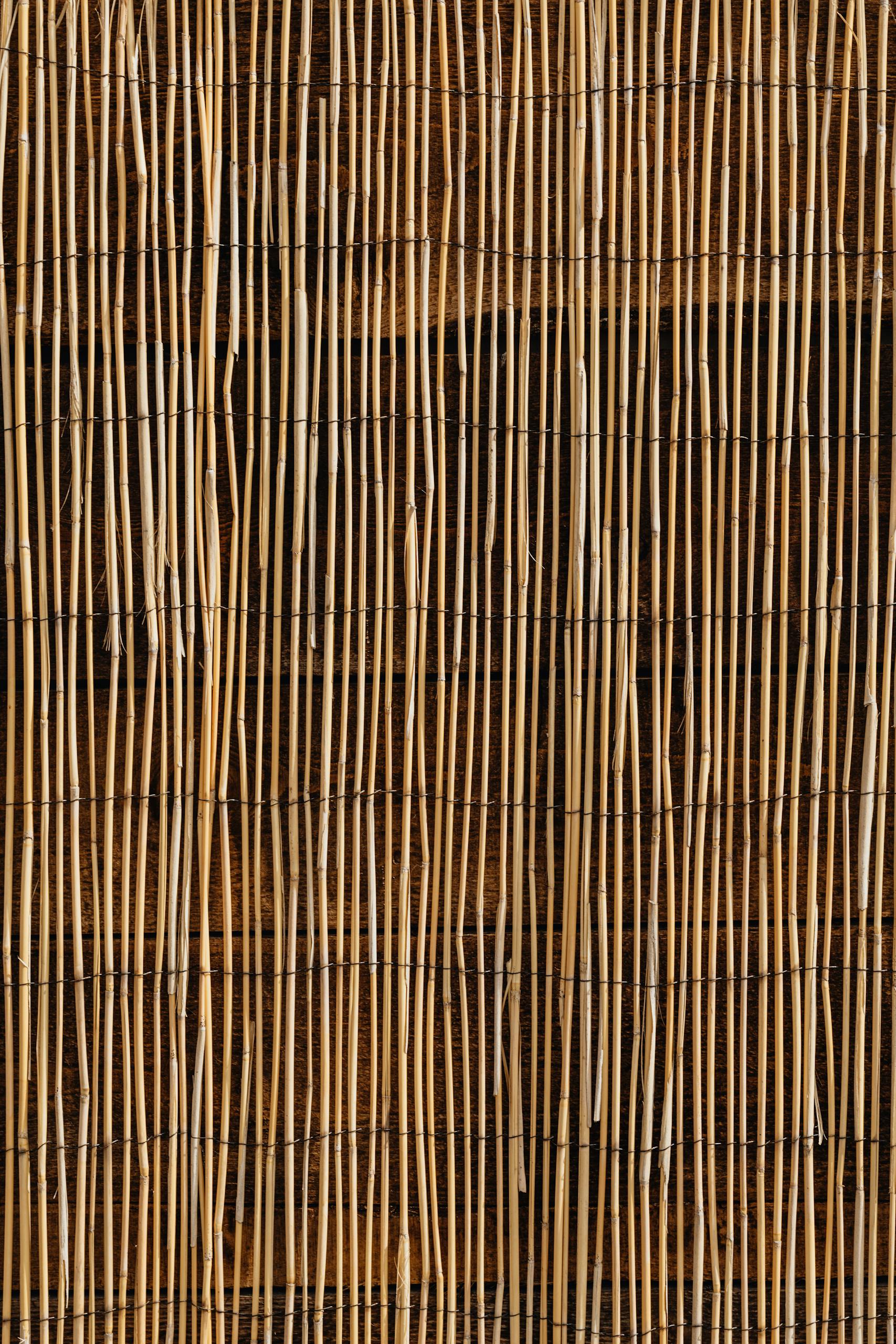
- Bamboo Screens: These are usually made from individual bamboo stalks tied together. Light filters through the gaps.
My sister used a decorative metal panel near her patio. It worked wonders for privacy from the neighbors. It also made her patio look super chic.
Strategic Placement of Arbors and Pergolas
You might think these block sun, but they do not have to. You place them carefully. You can use them to define a space. You also can grow climbing plants over them.
An arbor at your garden’s entrance can give a sense of arrival. A pergola over a sitting area can offer some shade at midday. But its open structure still allows light to reach plants around it. It is not like building a full-on roof over your whole garden. That would be just silly.
Open-Concept Fencing
Traditional fences often create solid barriers. To maintain sunlight, you can choose fences with gaps or those that are not overly tall.
Think about a shadow box fence. The pickets alternate on either side of the rails. This design makes the fence look solid from an angle, but allows light and air to pass through from other angles. It is clever. Also, a split-rail fence does not offer much privacy on its own. However, if you grow climbing roses or honeysuckle on it, you get privacy and flowers. That is a win-win.
Creative Layouts and Design Principles
It is not just about what you use. It is about how you use it. Your garden’s layout plays a big role in achieving privacy and sun exposure.
Creating Outdoor “Rooms”
Your garden does not have to be one big open space. You can divide it into different areas. Think of it like rooms in a house. Each room has a different purpose. Each room can have its own level of privacy.
You can use a low hedge to define a reading nook. A tall screen can create a private dining area. Each “room” can have different sun needs, too. So you put your sun-loving plants where the sun hits the most. You put your shade plants in the shadier spots. It is not rocket science. It is just good planning.
Utilizing Berms and Mounds
Raising the ground level can help you achieve privacy. A berm is an elevated mound of soil. You can plant on top of it. This essentially lifts your plants higher. They block views more effectively. They also often get more sun because they are a bit higher.
I once saw a garden with a gentle berm along one side. They planted tall grasses and shrubs on it. It created a lovely, undulating privacy screen. It looked very natural. The plants on top still got all the sun they needed.
Reflective Surfaces
This is a less common trick. But it can work for maximizing light in certain areas. You can use light-colored paving materials or even strategically placed mirrors.
I am not telling you to put a giant mirror in your garden. That would be weird. But smaller, well-placed mirrors can reflect light into shadier spots. They can also create an illusion of more space. Light colored gravel or patio stones reflect more light than dark ones. This can brighten up an area without adding more sun. It is like giving your plants a little light boost.
Maintenance Matters for Continual Privacy and Sun
You cannot just put things in the ground and walk away. Gardens need care. This care helps them provide privacy and ensures everything gets enough sun.
Regular Pruning
Overgrown plants cast big shadows. Regular pruning keeps your plants shaped. It also makes sure they do not block sun from other plants. Pruning also helps air circulation, which is good for plant health.
I know some people hate pruning. They think they are hurting the plant. But it is like giving your plant a haircut. It helps it look better and feel better. If you have climbing plants, you need to guide them. Otherwise, they might go rogue and block out their own sunlight.
Monitoring Plant Growth
Some plants grow faster than others. You need to keep an eye on them. A fast-growing shrub might suddenly block light from its smaller neighbor. You need to intervene before that happens.
I once let a silver maple grow too close to my veggie patch. Suddenly, my tomatoes were sad. Lesson learned. Always monitor how your plants are growing. Respond quickly if one plant is bullying another for sunlight.
Frequently Asked Questions
How can I make my fence more private without making it completely solid?
You can add a trellis on top of your existing fence and grow climbing plants like ivy or jasmine. Alternatively, you can attach narrow, vertical slats with small gaps between them. This offers visual privacy while allowing some light and air to pass through.
What are some fast-growing plants for quick privacy that still let light in?
Bamboo, specifically clumping varieties, grows very quickly and provides a dense screen. However, its individual stalks allow light to filter through. Climbing roses or clematis on a wire trellis also offer quick coverage without creating a solid wall.
Do privacy screens affect the temperature in my garden?
Yes, solid privacy screens can trap heat and block air circulation, potentially making your garden feel warmer. Perforated screens, living walls, or strategically placed structures allow for better airflow, helping to keep your garden cooler and more comfortable.