How to Design a Functional Outdoor Space for All Seasons
You want an outdoor space that works all the time, right? Not just for summer barbecues, or that one perfect spring day. You want to use it no matter what the weather throws at you. Well, you came to the right place.
My own backyard used to be a wasteland of good intentions and half-dead plants. Then, I decided enough was enough. I transformed it into a space where my family and I actually want to spend time, even when the wind howls or the sun beats down. You can do it too.
Start with Your Why

Before you even think about buying a single plant or furniture piece, ask yourself why you want this space. What do you actually want to do out there? Knowing this helps you make smart choices later on.
What Activities Do You Envision?
Do you dream of cozy evenings by a fire pit, even in chilly weather? Or do you imagine lively summer gatherings with friends? Maybe you want somewhere quiet for your morning coffee, rain or shine. Your activities dictate the design.
- Outdoor dining and entertaining
- Relaxation and quiet contemplation
- Gardening and plant care
- Children’s play area
- Pet-friendly zones
My neighbor, bless her heart, put a huge dining set on her patio, but she never eats outside. She just wanted it to look nice. What a waste! You have to use your space for it to be functional.
Master Your Microclimates
Your yard is not one giant climate zone. Different spots get different amounts of sun, shade, and wind throughout the day and year. Recognizing these microclimates is like finding free real estate. It really makes a difference.
Map Your Sun and Shade
Grab a notebook and sketch your yard. Throughout a sunny day, note where the sun hits and where shadows fall. Do this on a summer day and a winter day. You will be surprised by the differences.
For example, a spot sunny in summer might be totally shaded by deciduous trees in winter. This affects what plants you can grow and where you place seating areas. I found a tiny corner that gets afternoon sun in winter, perfect for a little reading nook.
Understand Wind Patterns
Wind can make even a warm day feel cold. It can also knock over your fancy planters. Observe how wind moves through your property. Are there natural wind tunnels? Are there sheltered spots? You can use plants or structures to block unwanted breezes.
Choose Hardscaping Materials Wisely
Hardscaping forms the backbone of your outdoor living area. The materials you pick affect durability, maintenance, and how well the space performs across different seasons.
Paving and Decking Decisions
You need surfaces that can handle rain, snow, and scorching sun without falling apart. You also want something safe to walk on when wet. Non-slip is key, especially if you get ice.
| Material | Pros | Cons |
|---|---|---|
| Paved patio (concrete, stone, pavers) | Durable, wide range of looks, less maintenance | Can get hot, some materials can be pricey to install |
| Wood decking | Warm feel, natural look, good for sloping yards | Requires regular sealing/staining, can be slippery when wet, splinters |
| Composite decking | Low maintenance, many colors, splinter-free | More expensive upfront, can fade over time, still can get hot |
I once had a wooden deck. It looked great for about five minutes. Then came the splinters and the annual staining. My new patio is concrete pavers, and I love how little I have to do to it.
Incorporate Seasonal Comfort Elements
This is where the “all seasons” part really comes into play. You must add features that make the space comfortable no matter the temperature.
Warmth for Colder Months
Nobody likes to freeze. Fire features and heaters extend the usable season of your outdoor area. They also make everything feel so much cozier.
- Fire Pits: These are amazing. They provide warmth and a focal point for social gatherings. Just make sure you follow local fire codes. You can roast marshmallows, tell stories, or just stare at the flames. Total mood booster.
- Patio Heaters: Electric or propane patio heaters offer instant warmth. They are great for small areas or when you do not want to deal with wood. My secret: I have a small electric one under my porch overhang for those really cold mornings.
- Outdoor Fireplaces: A more permanent structure, an outdoor fireplace adds architectural interest and significant heat. They are a big commitment, but wow, they look good.
Cooling for Warmer Months
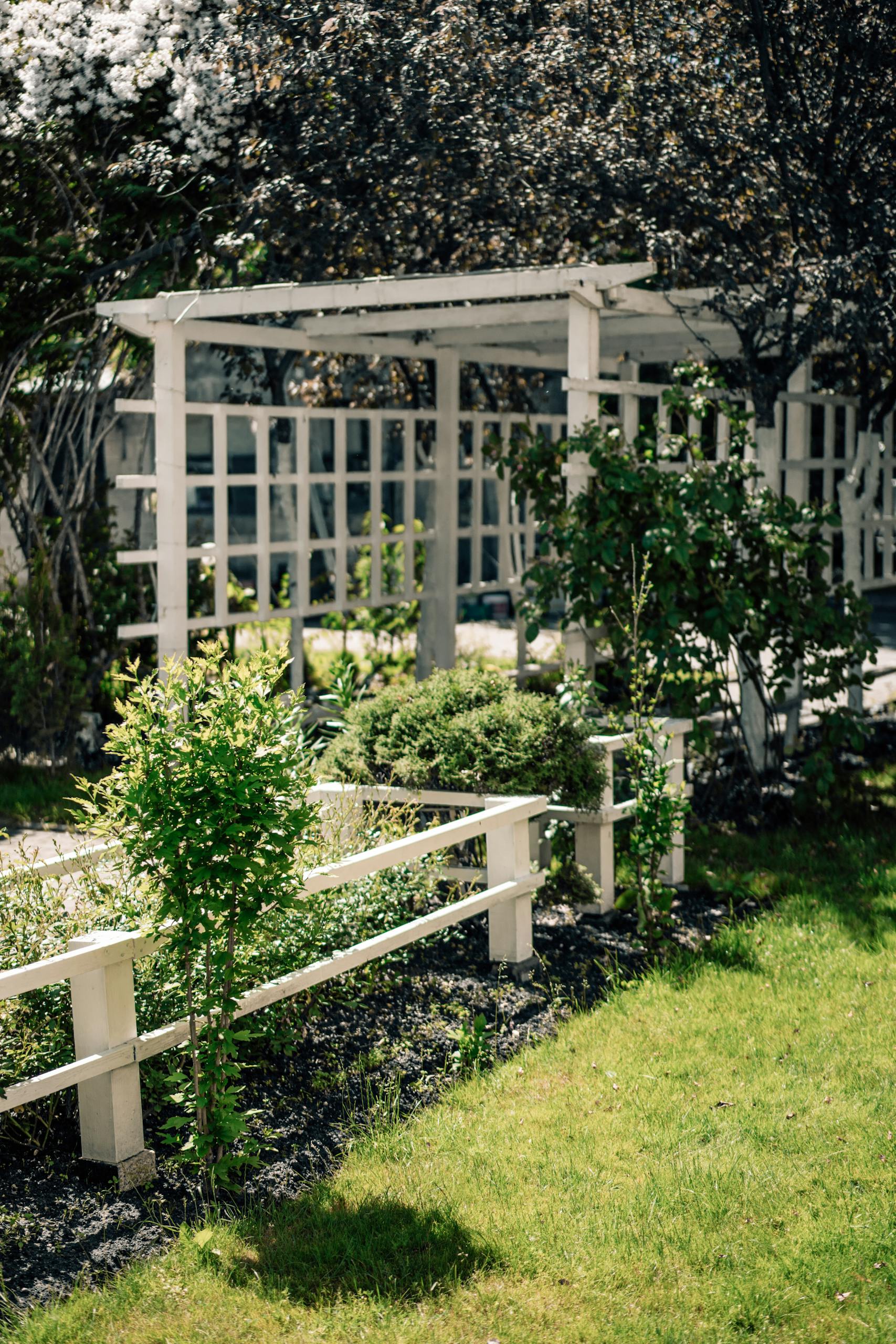
Sunstroke is not a fun way to spend an afternoon. You need shade, pronto. Good shade helps keep you comfortable and protects your outdoor furniture from sun damage.
- Pergolas and Awnings: These structures offer semi-permanent shade. Pergolas can have retractable canopies or climbing plants for natural shade. Awnings come in manual or motorized versions. They block the sun without making the area feel enclosed.
- Large Umbrellas: Flexible and relatively inexpensive, a good patio umbrella can be moved to block the sun as it shifts throughout the day. Some even tilt. Make sure you get one with a heavy base; you do not want it flying away during a sudden gust.
- Shade Sails: These modern fabric structures stretch across an area, providing effective and artistic shade. They come in various shapes and colors. You need strong anchor points though.
- Misting Systems: For very hot climates, a misting system can drop temperatures significantly. It is like an instant cool-down.
Smart Plant Choices for Year-Round Appeal
Plants make your space beautiful, but not all plants are created equal. You need a mix that looks good in summer, autumn, winter, and spring.
Evergreens are Your Friends
Deciduous plants lose their leaves in winter, leaving bare branches. Evergreens keep their foliage all year, providing structure, privacy, and color even when everything else is dormant.
Think about things like dwarf conifers, boxwood, or certain types of holly. They stay green and keep your garden from looking like a sad, empty lot in January. I use boxwood to define my pathways; they look sharp even under snow.
Consider Four-Season Interest
Look for plants that offer something in every season. Some plants have interesting bark in winter, early spring blooms, vibrant summer foliage, or brilliant fall color.
- Spring: Early bulbs like crocus, daffodils, and tulips. Forsythia for a splash of yellow.
- Summer: Perennials like coneflowers, hostas, and hydrangeas. Annuals for continuous color.
- Autumn: Trees and shrubs with great fall foliage such as maples, dogwoods, or burning bush. Mums for late-season color.
- Winter: Evergreens. Plants with interesting seed heads. Shrubs with colorful berries, like winterberry holly.
My favorite is a Japanese maple. It has beautiful leaves in spring and summer, then explodes with red and orange in fall. Even its bare branches look artistic in winter against the snow.
Lighting for Atmosphere and Safety
Good lighting does two things: it makes your space usable after dark, and it creates amazing ambiance. You do not want to trip over a planter in the dark, do you?
Layer Your Lighting

Do not just put one bright floodlight out there. Think about different types of light for different purposes.
- Task Lighting: Bright enough for cooking at an outdoor grill or reading.
- Accent Lighting: Highlights specific features like a beautiful tree, a water feature, or a piece of art.
- Pathway Lighting: Guides people safely along paths and steps.
- Ambient Lighting: Provides a soft glow for overall atmosphere. String lights or lanterns work well here.
I strung old-school Edison bulb string lights over my patio, and the warm glow makes every evening feel like a party. Then I put small, subtle path lights along the steps down to the garden. It is perfect.
Furniture That Lasts (And Is Comfortable)
Cheap patio furniture looks good for a season, then turns into a sad, rusty mess. Invest in pieces that can handle the elements. And remember, pretty is nice, but comfort is king.
Weather-Resistant Materials
Look for materials like powder-coated aluminum, synthetic wicker (resin), teak, or recycled plastics. These materials resist rust, rot, and fading.
Storage Solutions
Even weather-resistant cushions last longer if you store them when not in use. A weather-proof deck box or outdoor shed is a lifesaver. You do not want to drag wet cushions inside every time it rains.
Seriously, I have seen so many people leave their cushions out all winter. They end up moldy and gross. Just store them!
Water Features for Sound and Serenity
The sound of moving water is incredibly calming. It also helps mask unwanted noises, like traffic or a barking dog next door. And it looks pretty.
Types of Water Features
- Fountains: Come in many sizes and styles. They recirculate water and add a beautiful focal point.
- Ponds: Can be small decorative ponds or larger ecosystems with fish and plants.
- Bird Baths: Simple, elegant, and attract birds, which adds life and sound to the garden.
I have a small, bubbling fountain near my seating area. It is just enough to create a soothing background noise. It really helps me relax after a long day.
Add Personal Touches
Your outdoor space should reflect you. It does not have to be perfect, but it needs to feel like home.
- Outdoor art or sculptures
- Decorative pots and planters
- Outdoor rugs (just make sure they are made for outdoors)
- Comfy throw blankets and pillows (that you can easily bring inside)
I found this hilarious metal garden gnome at a yard sale once. He is now the unofficial mascot of my backyard. He always makes me smile. It is the little things.
FAQ
How do I protect my furniture in winter?
You can use waterproof covers specifically designed for outdoor furniture. For cushions, store them indoors in a dry place to prevent mold and prolong their life. Some people even put their smaller, lighter furniture pieces into storage sheds or garages for the coldest months.
What are low-maintenance plants for an all-season garden?
Succulents, ornamental grasses, and many evergreen shrubs like juniper or arborvitae require minimal care once established. Research plants native to your region; they often thrive with less intervention, as they are adapted to your local climate.
How can I make my small outdoor space feel bigger?
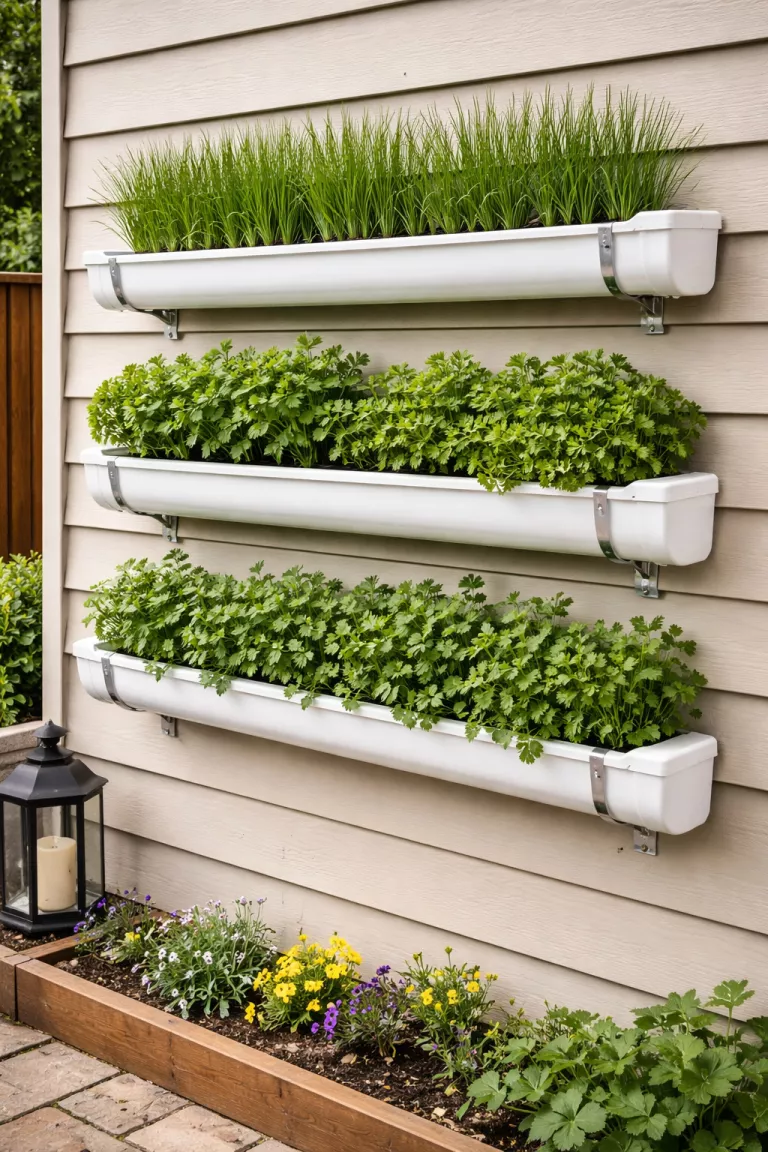
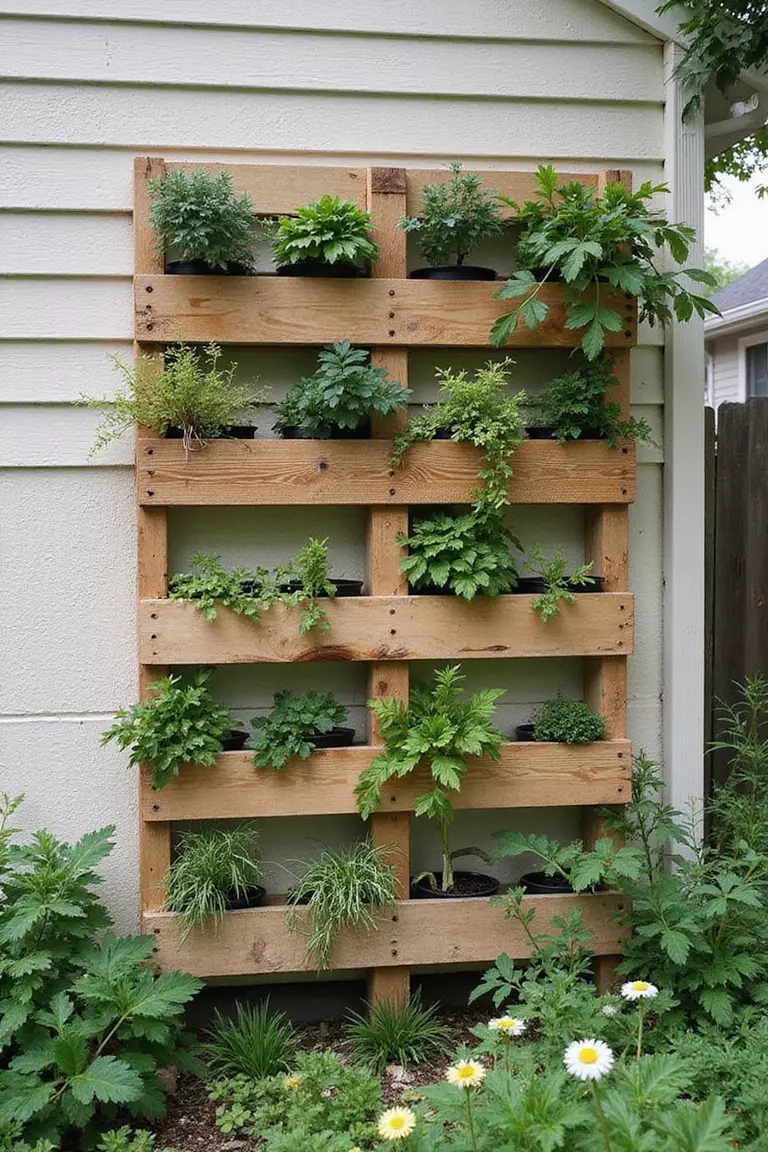
Utilize vertical gardening with trellises or wall planters. Use light colors for hardscaping and furniture to reflect light. Keep pathways unobstructed and use mirrors strategically to create an illusion of depth. Multi-functional furniture, like benches with built-in storage, also helps maximize space.