How Backyard Irrigation Systems Work (And Which One You Actually Need)
Tired of wilting plants and dry patches, but hose-watering feels like a workout? You need an irrigation system, my friend. Let’s figure out how these neat contraptions sprinkle their magic and which one makes your green thumb happy without, ya know, drowning your wallet or your petunias.
Why Your Yard Needs an Irrigation System (Seriously)
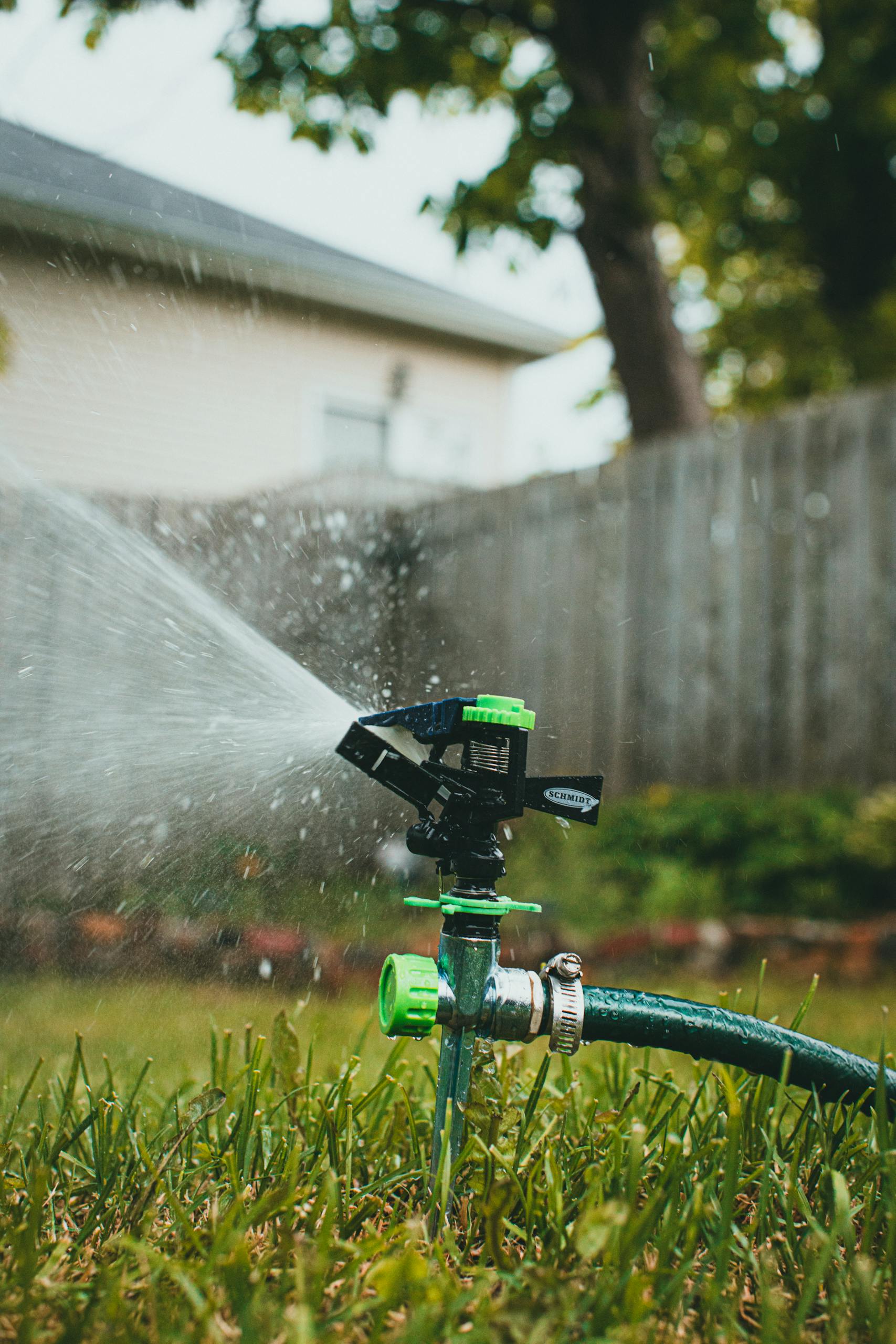
You work hard for your beautiful lawn and garden. Constantly dragging out the hose is a pain, and hand watering often misses spots. An automatic irrigation system gives your plants the water they need, when they need it. It saves you time and often saves water too, if set up right.
The Automated Advantage
Automated systems are a game changer. They remove the guesswork and the chore from watering. You set it and forget it, mostly.
Think about it: no more forgetting to water or overwatering. Your plants get a consistent supply. This helps them grow stronger and healthier.
Understanding the Basic Components
Every irrigation system, big or small, shares some fundamental parts. Knowing these parts helps you understand how the whole thing works. It really ain’t rocket science, just pipes and water.
Water Source and Main Line
Your system starts with your home’s main water supply. A main line, usually a larger pipe, carries water from this source throughout your irrigation zones. This is the big daddy pipe carrying all the water.
Valves: The Traffic Cops of Water
Valves control water flow to different sections of your yard. Each section, often called a zone, has its own valve. This lets you water different areas, like your lawn and flower beds, at different times or for different durations.
Sprinkler Heads and Emitters
These are the parts that actually deliver the water to your plants. Choosing the right type depends on what you are watering. You got options, lots of options.
- Pop-Up Sprinklers: These hide underground and pop up when water pressure is on. Perfect for lawns.
- Rotor Heads: They spin and spray water in a revolving pattern. Good for larger lawn areas.
- Spray Heads: These provide a fixed, fan-shaped spray. Ideal for smaller lawns and dense planting.
- Drip Emitters: Slowly release water directly to the plant’s root zone. Awesome for flower beds, shrubs, and vegetable gardens.
The Controller: Your System’s Brain
This little box is the smart part. It tells the valves when to open and close. You program it to water at specific times and for specific lengths. Some fancy ones even connect to Wi-Fi.
My old neighbor, bless his heart, used to turn his system on manually every single time. It was like watching a reenactment of prehistoric gardening. Get a controller, folks.
Types of Backyard Irrigation Systems
Not all systems are created equal, just like not all lawnmowers are created equal. You have choices based on your yard’s needs and your budget.
Sprinkler Systems: The Classic Choice
These are what most people imagine when they think of irrigation. They are great for lawns, covering large areas efficiently.
Installation can be a bit of a project, involving trenching and pipe laying. But once it is in, it is pretty hands-off. It makes those uniform green lawns possible. You know, the kind you drool over.
Drip Irrigation: Slow and Steady Wins the Race
Drip irrigation systems delivery water directly to the plant’s roots. This method is incredibly water-efficient. It prevents evaporation and runoff.
Benefits of Drip Irrigation
This system is a champion for many reasons. It is truly awesome for many different garden setups.
- Water Conservation: Less water wasted means a lower water bill. Who does not love that?
- Weed Control: Water goes only to your plants, not the weeds between them. This is a big win.
- Healthier Plants: Consistent, direct watering reduces plant stress and disease.
- Flexibility: You can customize it for individual plants or entire garden beds.
I put in a drip system for my raised vegetable beds a few years back. Before that, my tomatoes were always thirsty. Now, they are plump and happy, and I am not out there with a watering can every evening.
Micro-Spray and Bubblers: Hybrid Options
These are kind of a middle ground between sprinklers and drip. Micro-sprays put out a fine mist over a small area, while bubblers release water in a bubbling flow around a single plant. They are good for specific planting areas that need more coverage than drip but less than a full sprinkler.
Choosing the Right System for Your Yard
Okay, so you know the players. Now, how do you pick the winner for your backyard? It all depends on your landscaping and what you are trying to water.
Consider Your Landscape Zones
Your lawn has different watering needs than your flower beds or vegetable garden. Separating these into zones helps immensely.
You would not water a cactus the same way you water a fern, right? Your yard is similar. Different plants need different amounts and methods of watering.
| Area Type | Recommended System | Why This System Works |
|---|---|---|
| Lawn Areas | Pop-Up Sprinklers, Rotor Heads | Provide even coverage over large, open areas. |
| Flower Beds, Shrubs | Drip Irrigation, Micro-Sprays | Delivers water directly to root zones, conserves water. |
| Vegetable Gardens | Drip Irrigation | Precise watering, less splash on leaves, reduces disease. |
| Potted Plants, Containers | Drip Emitters (individual) | Targeted watering, prevents over or under watering. |
Soil Type Matters, Believe It or Not
Your soil’s ability to absorb and hold water impacts your watering schedule. Sandy soil drains quickly, needing more frequent but shorter watering. Clay soil holds water longer, needing less frequent but longer watering sessions.
I learned this the hard way with my clay-heavy backyard. I thought I was being “efficient” by watering for short bursts. Nope. My plants were thirsty by sunrise. Test your soil, seriously.
Budget and Installation Headaches (or Lack Thereof)
DIY drip irrigation is relatively inexpensive and easy to install. A full underground sprinkler system usually requires professional installation, which costs more.
My brother-in-law, bless his ambitious heart, tried to install a sprinkler system himself. Let’s just say his yard looked like a scene from a disaster movie for a good week. Sometimes, paying a pro saves you headaches and re-dos.
Smart Irrigation: The Future is Here
Modern controllers offer incredible features that save even more water and make your life easier.
Rain Sensors and Soil Moisture Sensors
These gadgets stop your system from watering when it rains or when the soil is already wet. No more watering during a downpour, which always looks silly.
My rain sensor has saved me so much grief. One time, before I had it, my system came on right in the middle of a torrential thunderstorm. My neighbors probably thought I had lost my marbles.
Weather-Based Controllers
These connect to local weather stations and adjust watering schedules automatically. They factor in temperature, humidity, and forecasted rain. This is next-level efficiency.
Maintenance Tips for a Happy System
Once your system is in, a little bit of care goes a long way. This keeps it running smoothly for years.
Seasonal Adjustments
Change your watering schedule with the seasons. Your plants need less water in cooler months and more in hot, dry periods. You would not wear a winter coat in July, right? Your plants are the same.
Regular Inspections
Walk around your yard while the system is running. Look for broken sprinkler heads, leaks, or clogged emitters. Fixing these quickly saves water and prevents plant stress.
I find a broken sprinkler head at least once a season, usually from a rogue lawnmower incident. A quick fix saves buckets of water.
Winterization (If You Live Where It Freezes)
In colder climates, you need to drain your system before winter. This prevents pipes from freezing and bursting. It is a pain, but burst pipes are a bigger pain and a bigger bill.
Frequently Asked Questions
Can I install an irrigation system myself?
You can definitely install a drip irrigation system yourself. They are fairly simple to lay out and connect. Full underground sprinkler systems are more complex and often benefit from professional installation, especially if you want it done right the first time.
How much water does an irrigation system save?
A well-designed and properly maintained irrigation system can save a significant amount of water compared to hand watering or inefficient methods. Drip irrigation, in particular, is highly efficient in water usage because it delivers water directly to the plant’s root zone, minimizing evaporation and runoff.
How often should I water my lawn with an irrigation system?
The frequency depends on your grass type, soil type, and local climate. Generally, it is better to water deeply and less often than shallowly and frequently. This encourages deeper root growth, making your lawn more drought tolerant. Smart controllers and soil sensors can help you dial this in perfectly.