DIY Backyard Projects to Boost Your Garden’s Functionality
You know how sometimes your backyard just sits there, looking pretty but not really doing much heavy lifting? Well, it is time to change that. You can transform your outdoors into a productive, envy-inducing oasis without breaking the bank.
Embrace Vertical Gardening for Small Spaces
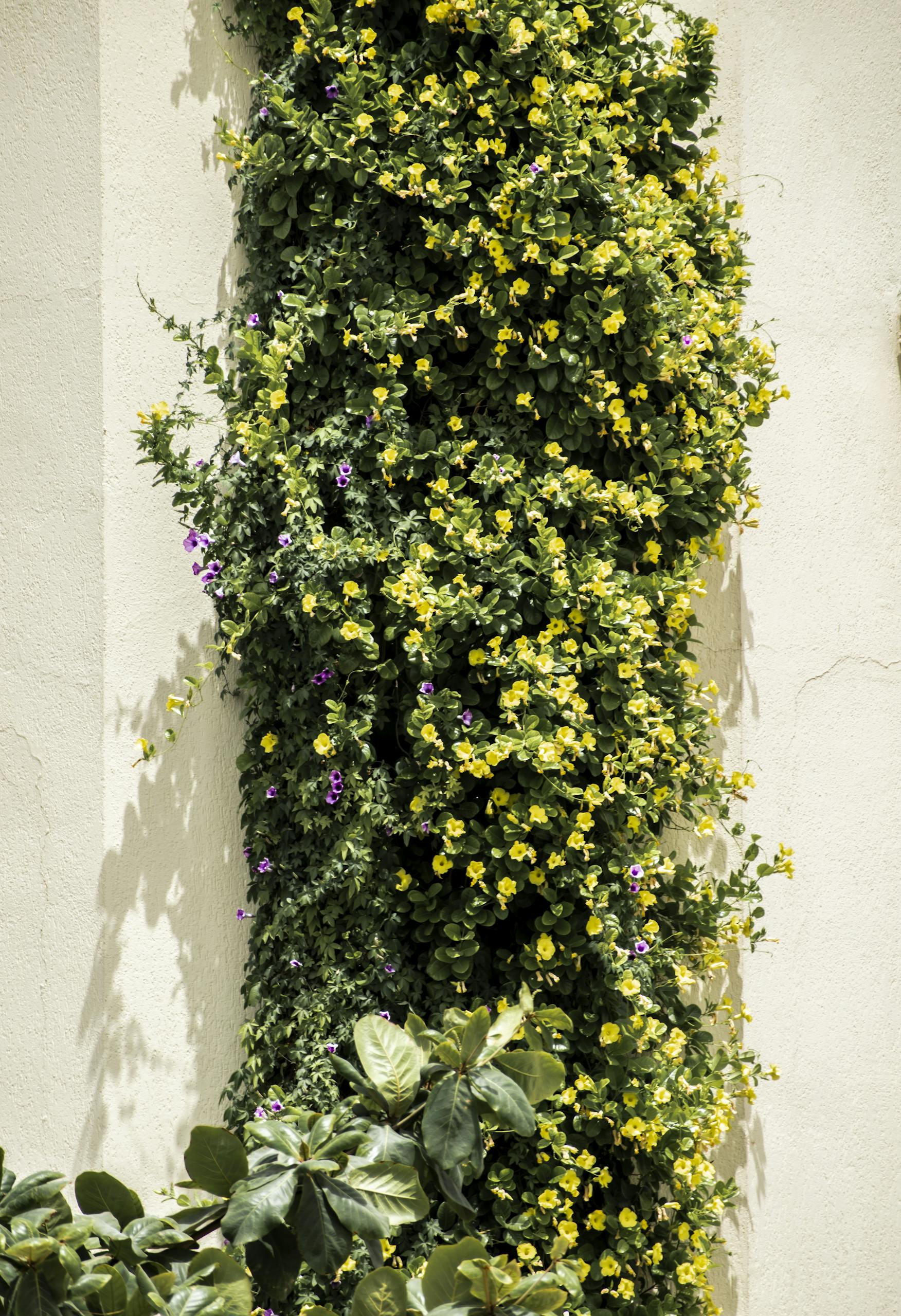
Living in the city means you probably do not have acres of land. That is okay. You just need to look up. Vertical gardening is a fantastic solution for maximizing yield in tiny spots.
Build a Pallet Herb Wall
This is one of my favorite projects. You find an old pallet, clean it up, and then you attach some landscape fabric to create pockets. Fill those pockets with good soil and your favorite herbs. It smells amazing near your kitchen door.
- Find a heat-treated pallet (check for ‘HT’ stamp).
- Clean the pallet thoroughly with soap and water.
- Staple landscape fabric or weed barrier to the back and bottom of each slat.
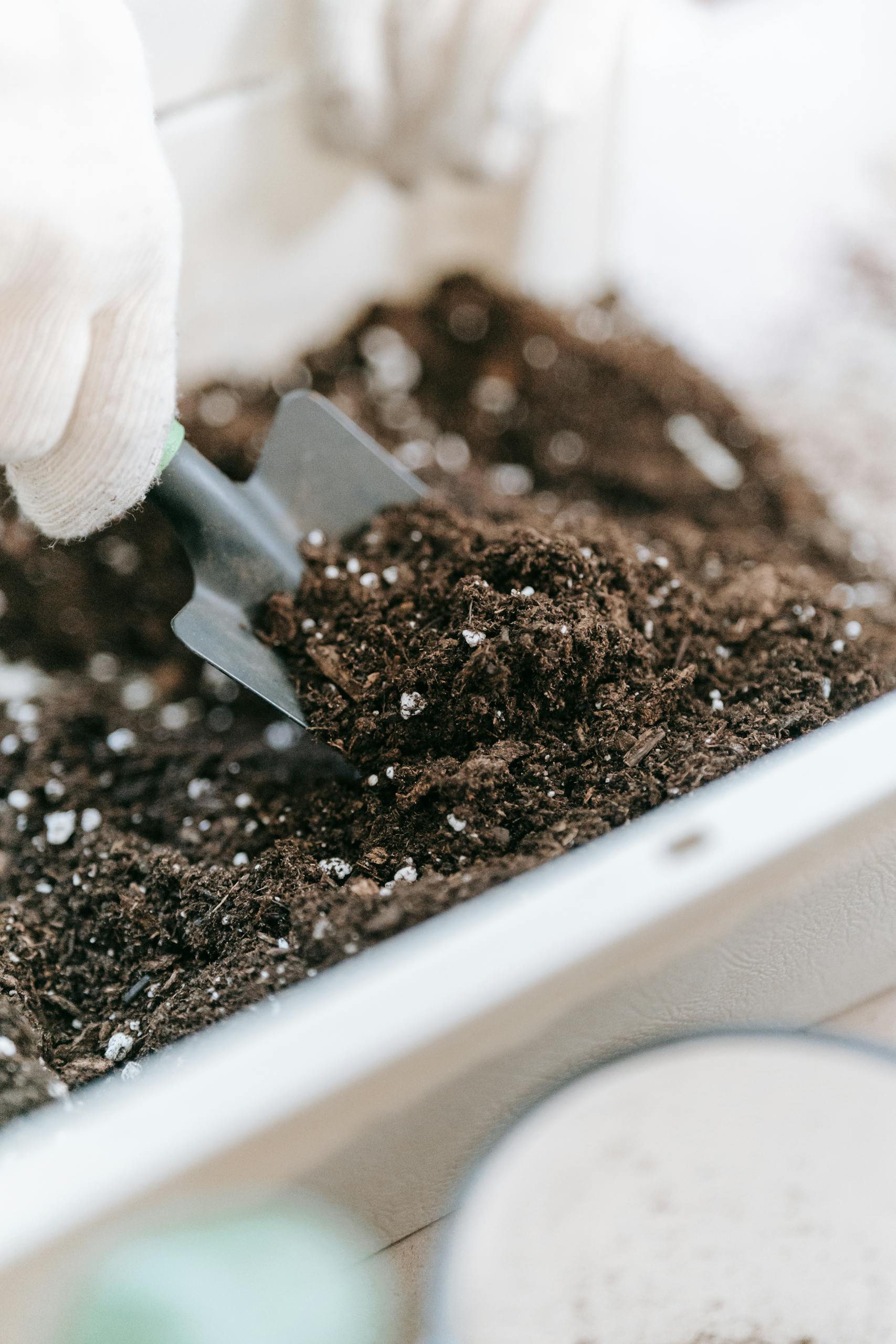
- Fill each “pocket” with potting mix.
- Plant herbs like basil, mint, or thyme.
You will have fresh herbs for cooking all season long. Plus, it looks really artistic.
Create a Living Wall Planter System
For something a little more structured, you can get modular living wall planters. They attach directly to a fence or wall. You can grow strawberries, lettuce, or even some smaller flowering plants.
I put one of these on my back patio. My neighbor, bless her heart, she thought it was some fancy, expensive art installation. I just smiled.
Smart Water Management Solutions
Wasting water is, well, a waste. You can put some simple systems in place to make sure every drop counts. Your plants will thank you, and your water bill might too.
Install a Rain Barrel System
This project is simpler than it sounds. You just need a large barrel, a downspout diverter, and a spigot. You collect rainwater, which is actually better for your plants than treated tap water. It has no chlorine.
I got my first rain barrel years ago. My husband, he was skeptical. Now, he uses the water for everything. It is like free liquid gold for the garden.
Implement Drip Irrigation for Beds
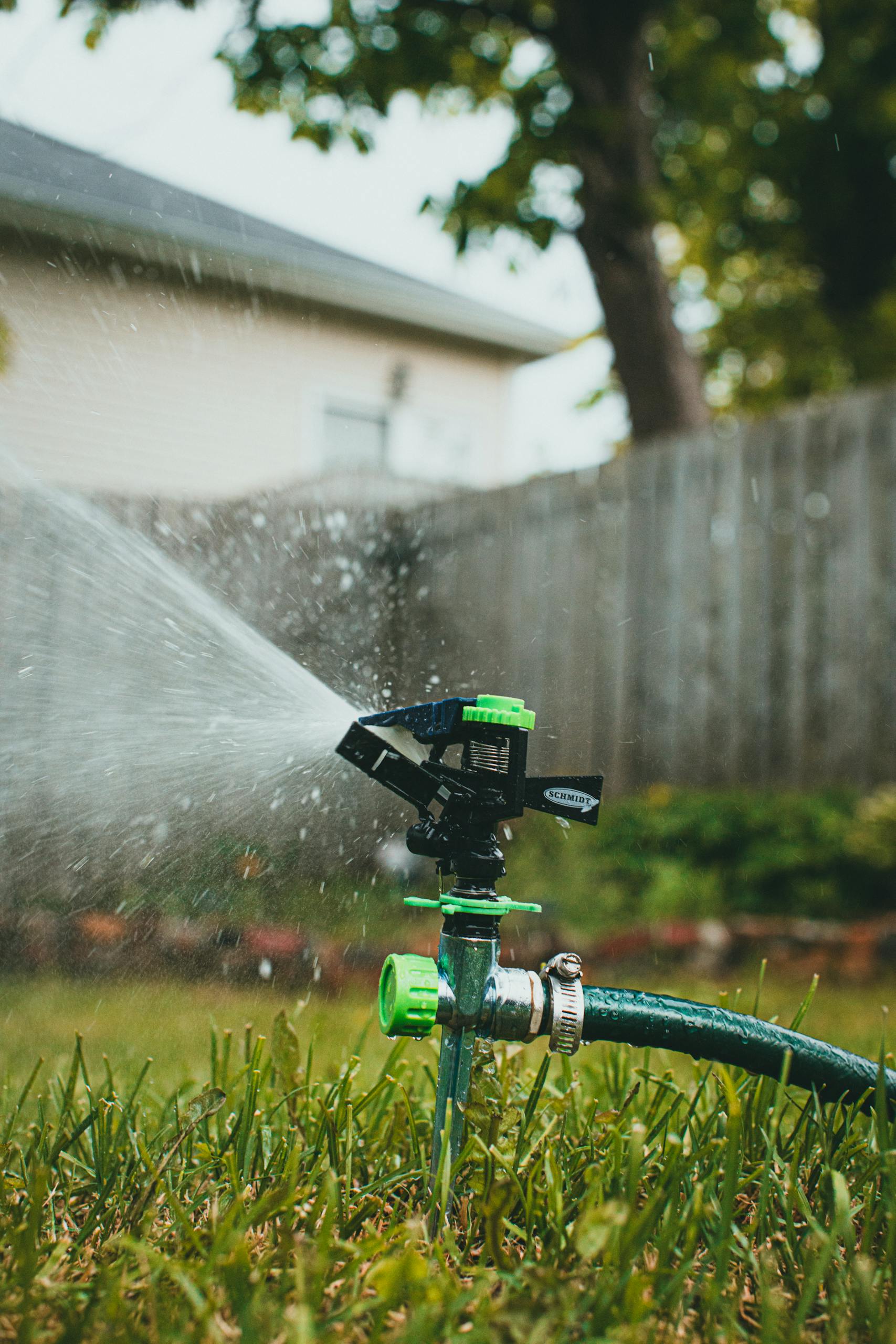
Forget standing there with the hose for what feels like an hour. Drip irrigation delivers water directly to the plant’s roots. This reduces evaporation and conserves water. You can buy kits that are easy to assemble.
You just lay the lines, attach the emitters, and connect it to your outdoor spigot. You can even add a timer. Set it and forget it.
Building Raised Garden Beds for Better Growth
Raised garden beds are a game changer. They offer better drainage, warmer soil earlier in the season, and you do not have to bend over as much. Your back will appreciate it.
Design and Construct Your Own Raised Beds
You can use anything from cedar planks to recycled old tires. Cedar resists rot naturally, which is nice. Just make sure whatever material you pick, it is safe for growing food.
My first raised bed was just four untreated pine boards. It lasted a few years before, well, it gave up the ghost. Learn from my mistakes. Use good wood.
Here is a simple materials list for a basic 4×8 foot raised bed:
- Four 2×10 inch cedar or untreated pine boards, 8 feet long
- Four 2×10 inch cedar or untreated pine boards, 4 feet long
- Wood screws (3-inch, exterior grade)
- Power drill
- Measuring tape
- Level
- Hardware cloth (optional, for gopher protection)
Fill Your Beds with Smart Layering
What you put in your raised bed matters. Do not just dump in regular dirt. You want a good mix that provides drainage and nutrients.
I always start with a layer of cardboard on the bottom to suppress weeds. Then I add some logs or branches for filler, then compost, and finally, a good raised bed soil mix. It is called Hugelkultur if you want to sound fancy.
Incorporating Composting for Soil Health
Feeding your soil is just as important as feeding your plants. Composting turns kitchen scraps and yard waste into nutrient-rich gold for your garden. It is like giving your plants personalized vitamins.
Start a Simple Compost Bin
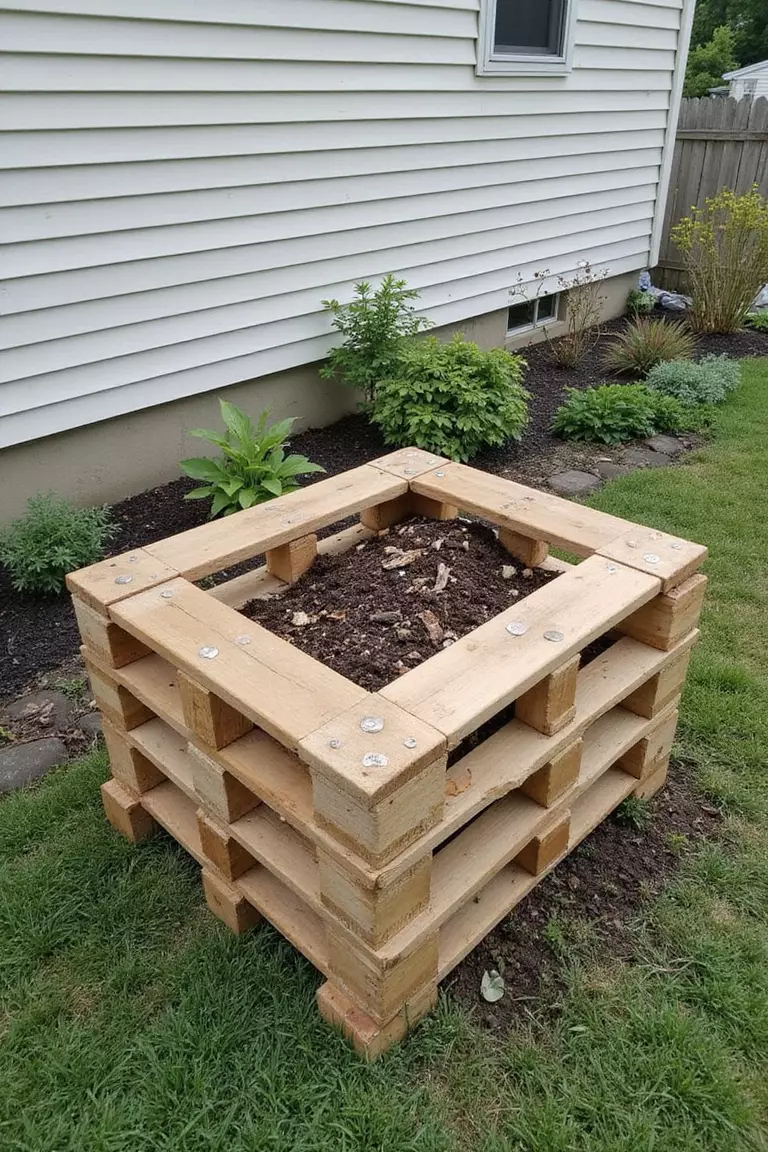
You do not need anything expensive. A simple three-sided pallet bin will do the trick. You just layer green materials like kitchen scraps and grass clippings with brown materials like dry leaves and shredded paper.
I remember my first compost bin. I thought it would smell terrible. It did not, mostly. Just keep it balanced and turn it occasionally.
Use a Worm Farm for Kitchen Waste
For smaller spaces or just kitchen scraps, a worm farm, or vermicompost bin, is excellent. Red wiggler worms do all the work, turning your food waste into incredible “worm castings” which are basically superfood for plants.
My kids actually volunteered to feed the worms. It was a miracle. Plus, we had significantly less food waste going into the trash.
Adding Functional Pathways and Edging
Think about how you move through your garden. Pathways make it easier to access plants and keep your feet clean. Edging defines areas and keeps things tidy.
Install Permeable Pathways
Instead of concrete, consider permeable materials like gravel or wood chips. They allow water to soak into the ground instead of running off. It is better for the environment, and it looks more natural.
I used pea gravel for my main pathway, and it has held up beautifully. Just remember to put down some landscape fabric underneath to prevent weeds. Trust me on that one.
Create Defined Garden Edges
Edging can be simple. You can use bricks, stones, or even some flexible plastic edging. It keeps your soil where it belongs and grass out of your beds.
My garden used to look like a wild mess before I put in edging. Now, it looks intentional, even if I still forget to weed sometimes.
Building a Potting Bench for Convenience
A dedicated space for potting plants saves your back and keeps your tools organized. No more bending over trying to pot a hundred seedlings on the ground.
Design a Functional Potting Station
You can build one from scratch using lumber, or you can repurpose an old dresser or workbench. Make sure it has a good sturdy surface and some shelves for storage.
I found an old beat-up desk at a yard sale for five dollars. A little paint, some hooks, and now it is the best potting station ever. My friends always ask where I bought it.
Consider these features for your potting bench:
- Work surface at a comfortable height
- Shelves for pots, soil, and tools
- Hooks for hanging small hand tools
- A small sink connected to a hose (optional)
DIY Pest and Disease Management Solutions
You do not need harsh chemicals to keep your plants healthy. Many simple, homemade solutions work wonders.
Make Your Own Organic Pest Sprays
A mix of neem oil and a little dish soap in water can deter many common garden pests. Garlic spray works too, though your garden might smell like an Italian restaurant for a bit.
I had a terrible aphid problem on my roses one year. I just sprayed them with a mild soap solution every few days. Problem solved. It really works.
Encourage Beneficial Insects
Planting certain flowers, like marigolds or dill, attracts helpful insects like ladybugs and lacewings. These guys eat the bad bugs. It is like having your own tiny pest control army.
I noticed a huge difference when I started planting more flowers near my vegetables. Nature just takes care of itself, mostly.
Garden Lighting for Extended Enjoyment
Functionality does not just stop when the sun goes down. Lighting can extend your enjoyment of the garden and add a layer of safety.
Install Solar-Powered Garden Lights
These are so easy. You just stick them in the ground. They charge during the day and light up at night. No wiring needed.
I put some along my pathways, and it looks magical at dusk. Plus, I can actually see where I am walking if I need to grab something from the shed after dark.
Build a Small Fire Pit Area
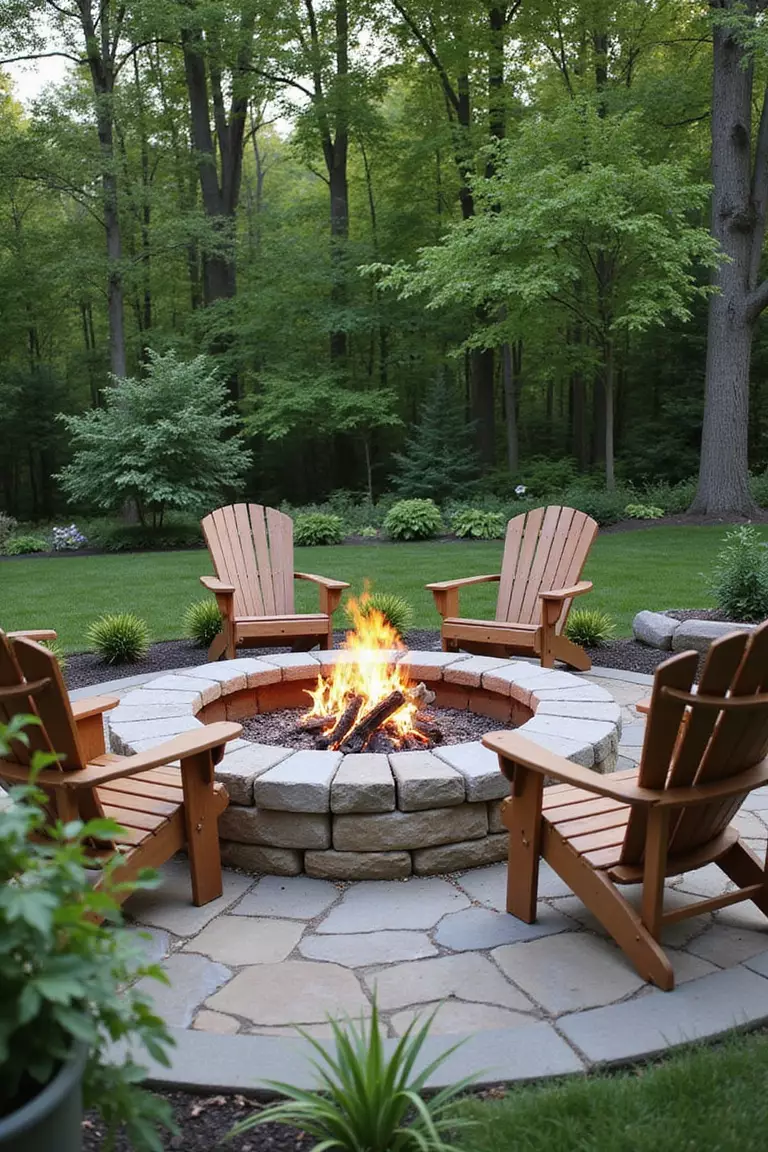
For true backyard functionality and fun, a small fire pit is excellent. You can buy kits, or you can build one with some retaining wall blocks. Just be sure to check local regulations about fire pits.
My family loves roasting marshmallows by our fire pit. It is simple, but it makes the backyard feel like another living room.
FAQs
How can I make my DIY garden projects more sustainable?
You can make projects sustainable by using reclaimed or recycled materials whenever possible. Collect rainwater and start a compost pile to reduce waste. These choices help the environment.
What are some budget-friendly materials for backyard DIYs?
For budget-friendly options, consider repurposing old pallets, tires, or even broken concrete pieces. Look for free materials on local classifieds or ask friends for their unwanted items. This approach saves money.
How do I choose the right plants for my functional garden projects?
Choose plants based on your local climate, soil type, and the amount of sunlight your garden receives. Think about what you want to achieve, like growing edible food or attracting pollinators, then match plants to those goals. Consult local nursery staff for advice.
Can I really do these projects myself without prior experience?
Absolutely. Many DIY garden projects are designed for beginners and do not require extensive experience. Start with simpler projects, watch online tutorials, and most importantly, do not be afraid to make mistakes and learn from them. You will gain confidence with each successful project.