18 Raised Garden Bed Ideas
Ready to grow amazing plants? These 18 Raised Garden Bed Ideas offer easy ways to make your garden pop. You can find simple wood boxes, cool metal containers, and creative recycled options. Get inspired to build your perfect garden without breaking your back!
Classic Wood Frame

You can’t go wrong with a classic wood frame.
Use untreated cedar or redwood for durability.
These are simple for you to build yourself.
Just cut four boards and screw them together.
Fill it with good soil, and you are ready to plant your favorite flowers or veggies.
Corrugated Metal
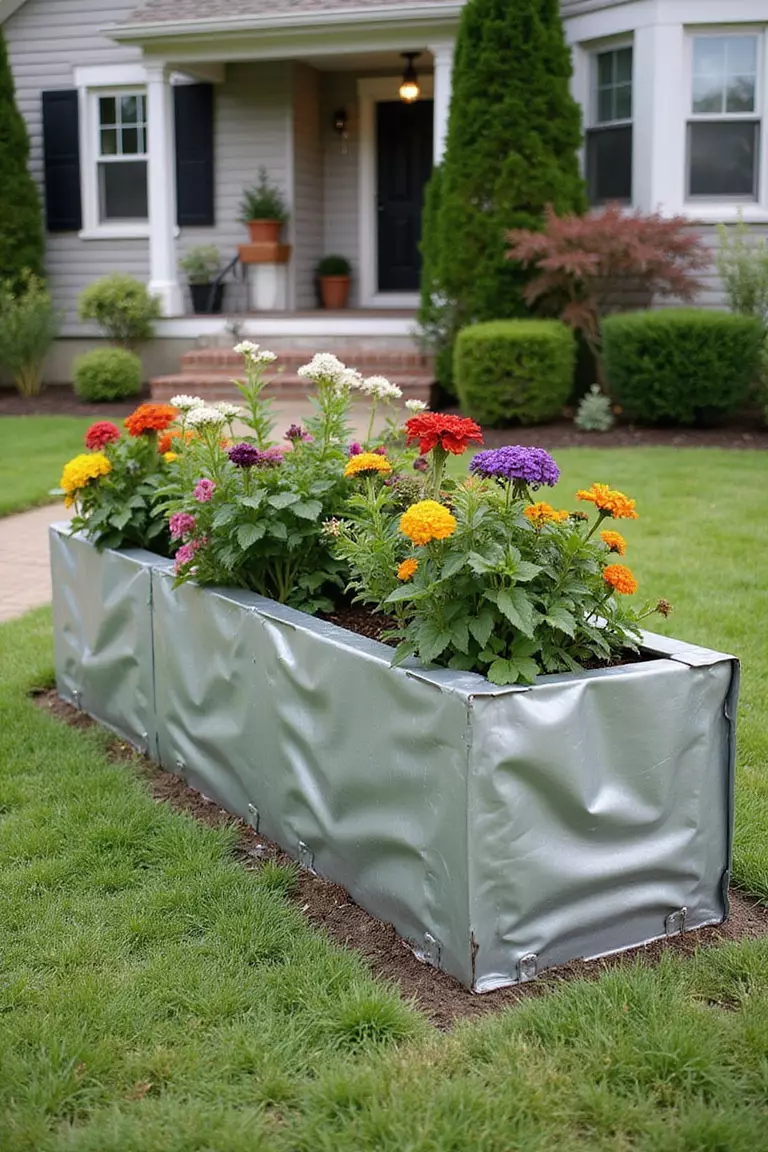
For a modern look, try corrugated metal.
You can buy kits or make your own using metal sheets and corner braces.
These beds heat up faster in spring.
They look great in sunny spots.
Line the inside if you worry about sharp edges or metal touching the soil.
Cinder Blocks

Cinder blocks create easy, cheap raised beds.
You just stack them in the shape you want – no mortar needed!
The holes offer extra planting pockets for small herbs or flowers.
You can paint the blocks bright colors or leave them plain for an industrial feel.
Stone Wall
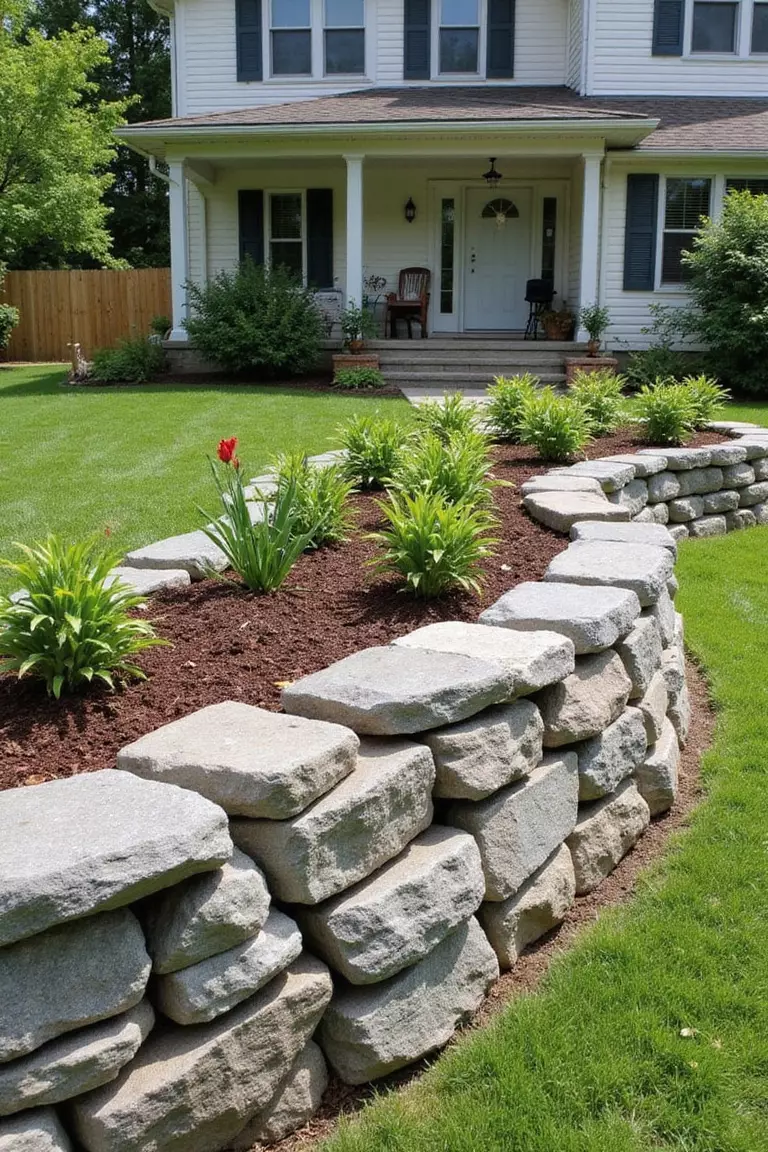
Build a beautiful, lasting bed using natural stones.
You can dry stack flat stones for a rustic appearance.
This takes more effort but looks stunning.
It blends well with natural landscapes.
Use larger stones for the base and smaller ones on top for stability.
Tiered Levels

Make the most of sloped areas with tiered beds.
You build multiple levels stepping up or down the hill.
This stops soil erosion and looks really neat.
Imagine strawberries or flowers cascading down.
It gives your garden height and great visual interest too.
Old Tires

Give old tires new life!
Stack them up to make a simple raised planter.
You can paint them fun colors to match your style.
Just make sure you clean them well first.
These work well for potatoes or other deep-rooted plants that need space downward.
Upcycled Pallets

You can often find wood pallets for free.
Take them apart to build simple box frames.
Or, stand a pallet upright, add landscape fabric to create pockets, and fill with soil.
This makes a great vertical herb garden.
Always choose heat-treated (HT) pallets.
Wine Crates

Small wooden wine crates make charming individual planters.
Group several together for a mini raised garden effect.
Drill drainage holes in the bottom.
They are perfect for herbs, lettuces, or annual flowers.
You can find them at wineries or online sometimes.
Concrete Pavers

Use concrete retaining wall blocks or simple pavers.
Stack them to your desired height.
These offer a very neat and ordered look.
You can find blocks in many colors and styles.
They are heavy and create a very stable, long-lasting garden bed for you.
Galvanized Troughs
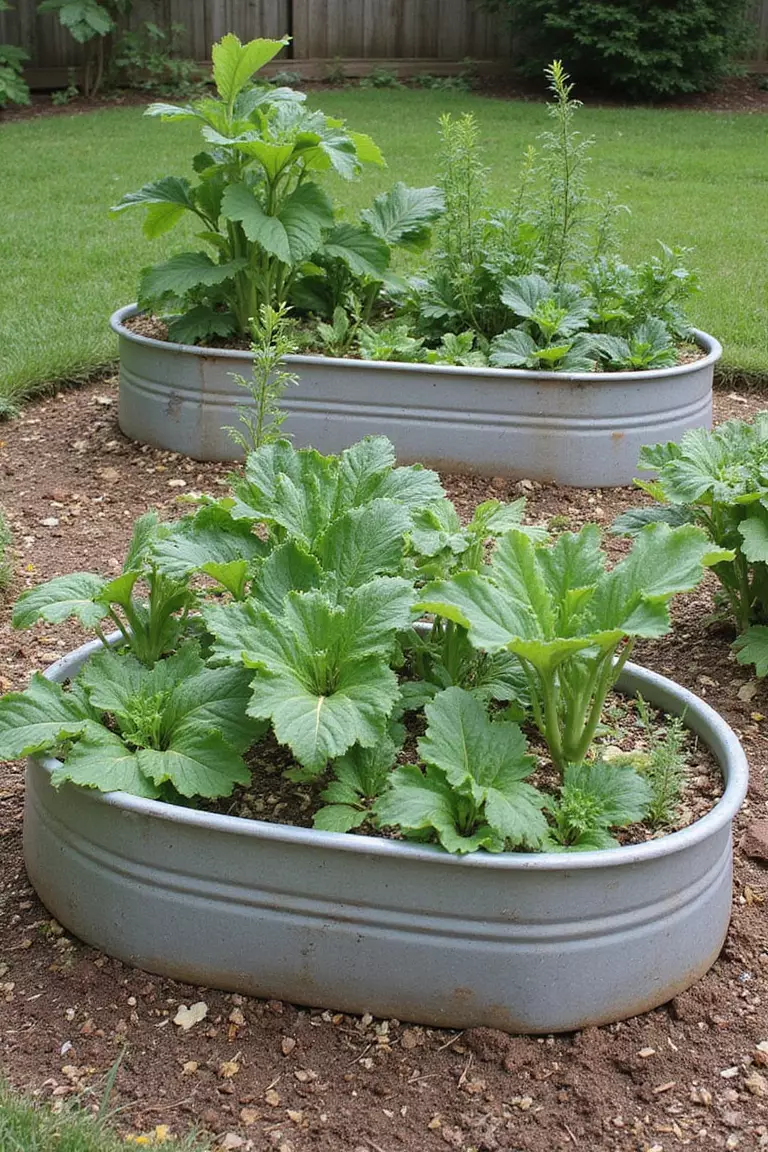
Metal stock troughs make instant raised beds.
Find them at farm supply stores.
Just drill drainage holes in the bottom before you add soil.
They give a farmhouse or industrial vibe.
Their height makes gardening easier on your back.
They look sharp grouped together.
Log Borders

Use logs from fallen trees to edge your garden bed.
Lay them end-to-end to form the border.
This creates a very natural, rustic appearance.
The logs will slowly break down over time, adding nutrients back to the soil.
Choose rot-resistant wood if possible.
Brick Box

Use reclaimed or new bricks to build a classic raised bed.
You can dry stack them or use mortar for a more permanent structure.
Bricks offer a timeless look that matches many home styles.
They are very durable and hold soil well for your plants.
Recycled Plastic Lumber

Choose eco-friendly recycled plastic lumber.
It looks like wood but lasts much longer.
It won’t rot, warp, or splinter.
You cut and assemble it just like wood.
This option helps keep plastic waste out of landfills.
It’s a durable choice for your garden.
Tall Planter Box
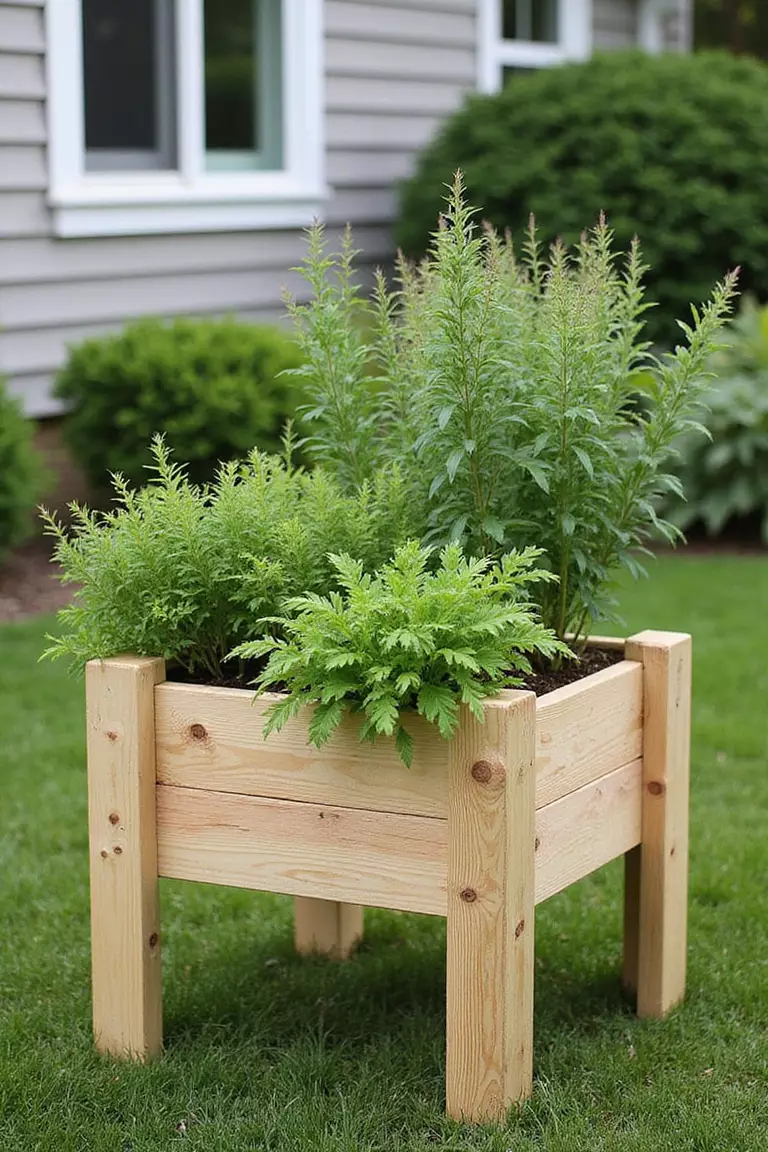
Build or buy a waist-high planter box.
These are great if you have trouble bending or kneeling.
You can garden while standing or sitting in a chair.
They often have legs, making them easy to place on patios or decks.
Perfect for accessible gardening.
Woven Branches

Similar to wattle, you can weave thinner, more flexible branches tightly together.
This creates a basket-like effect for your raised bed walls.
It’s very decorative and uses natural materials you might find in your own yard.
It adds a lovely, handmade touch.
Fabric Grow Bags

Fabric grow bags are simple containers that act like raised beds.
Just unfold, fill with soil, and plant.
They offer excellent drainage and air circulation for roots.
You can move them around easily.
They come in many sizes for different plants you grow.
Bamboo Edging

Use sections of bamboo standing upright to create an edge.
Tie them together tightly with wire or twine.
This gives a tropical or Asian-inspired look.
Choose thicker bamboo poles for better stability.
It’s a natural material that adds unique texture to your garden.
Half Wine Barrels

Cut a large wine barrel in half horizontally.
Each half makes a deep, sturdy planter.
Drill drainage holes before filling with soil.
These offer a rustic, winery feel.
They are perfect for growing vegetables, small shrubs, or even dwarf fruit trees.