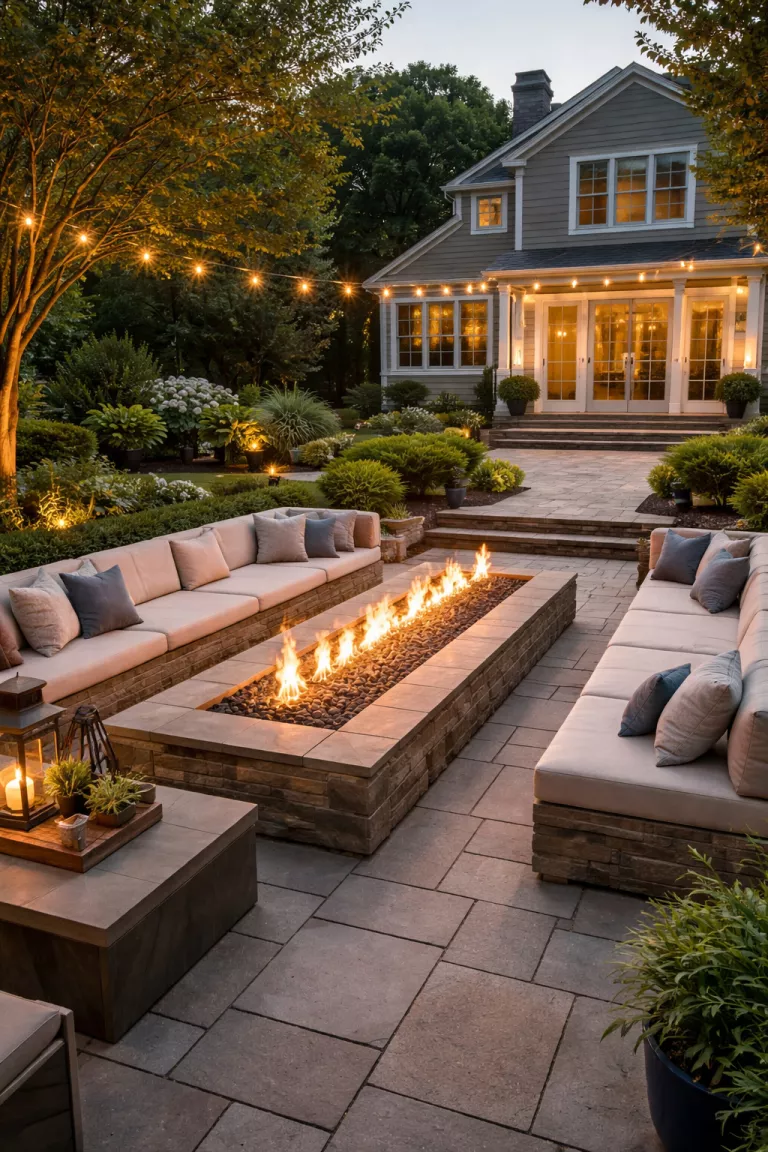
19 Backyard Makeover Ideas 2026
You deserve an outdoor space that actually makes you happy instead of just giving you a weekend to-do list. These 19 Backyard Makeover Ideas 2026 help you ditch the boring grass and create a personal sanctuary that looks amazing and saves you time.
Embrace Native Plant Landscaping
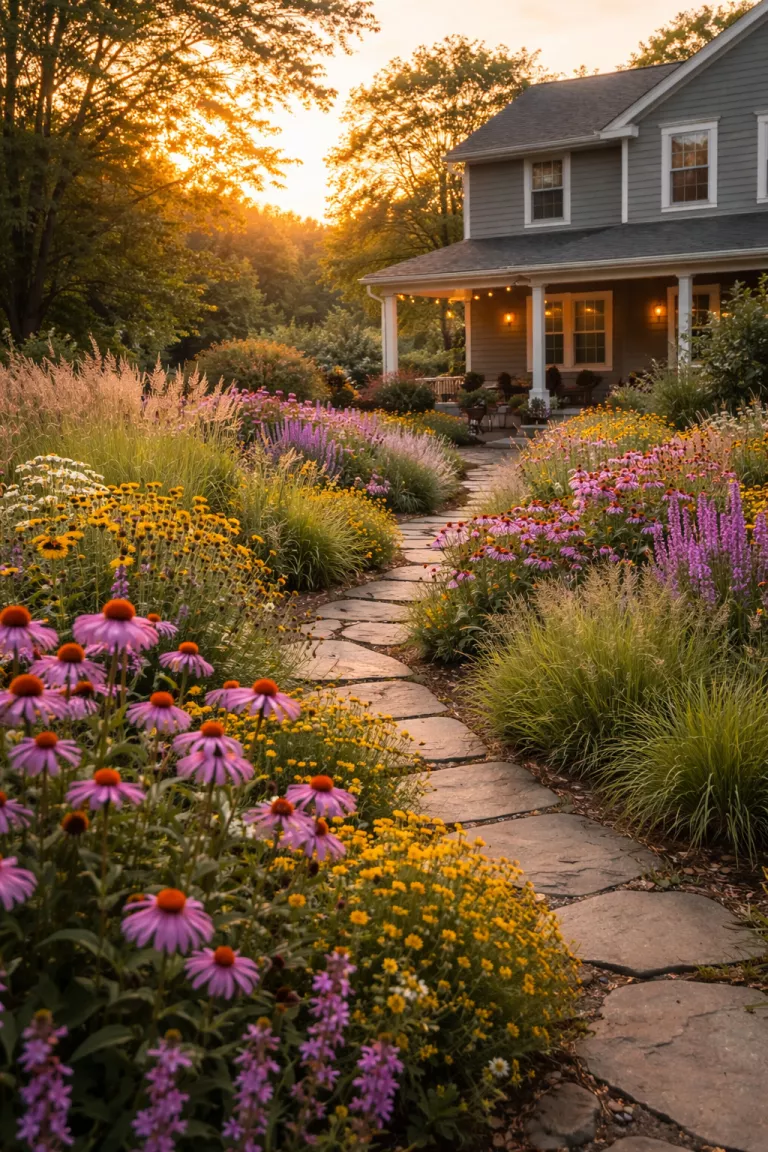
Stop fighting against your local climate and start working with it.
Indigenous plants belong in your soil, so they do not require the constant pampering that exotic species demand.
You will save money on your water bill and skip the chemical fertilizers entirely.
Try replacing patches of thirsty grass with regional shrubs and perennials that thrive on their own.
This shift creates a hardy environment that survives heatwaves while offering a welcoming home for local birds and beneficial insects.
Build Natural Retaining Walls
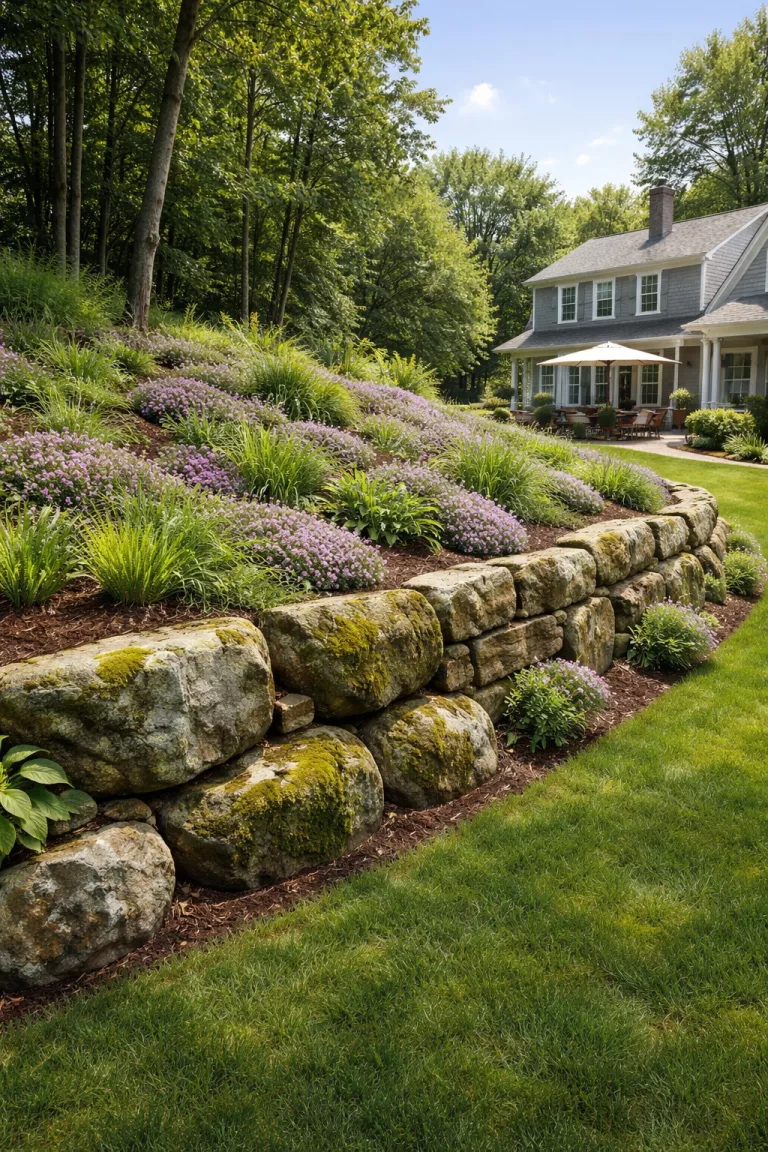
Forget those cold, industrial concrete blocks that look like they belong in a parking lot.
Use large boulders and mixed stones to hold back soil while adding rugged texture to your space.
These natural barriers blend into the earth as if they have been there for decades.
You can tuck small succulents or alpine plants into the crevices for a living wall effect.
This approach prevents erosion effectively and replaces harsh lines with soft, organic curves that feel much more relaxed.
Incorporate Rainscaping Features
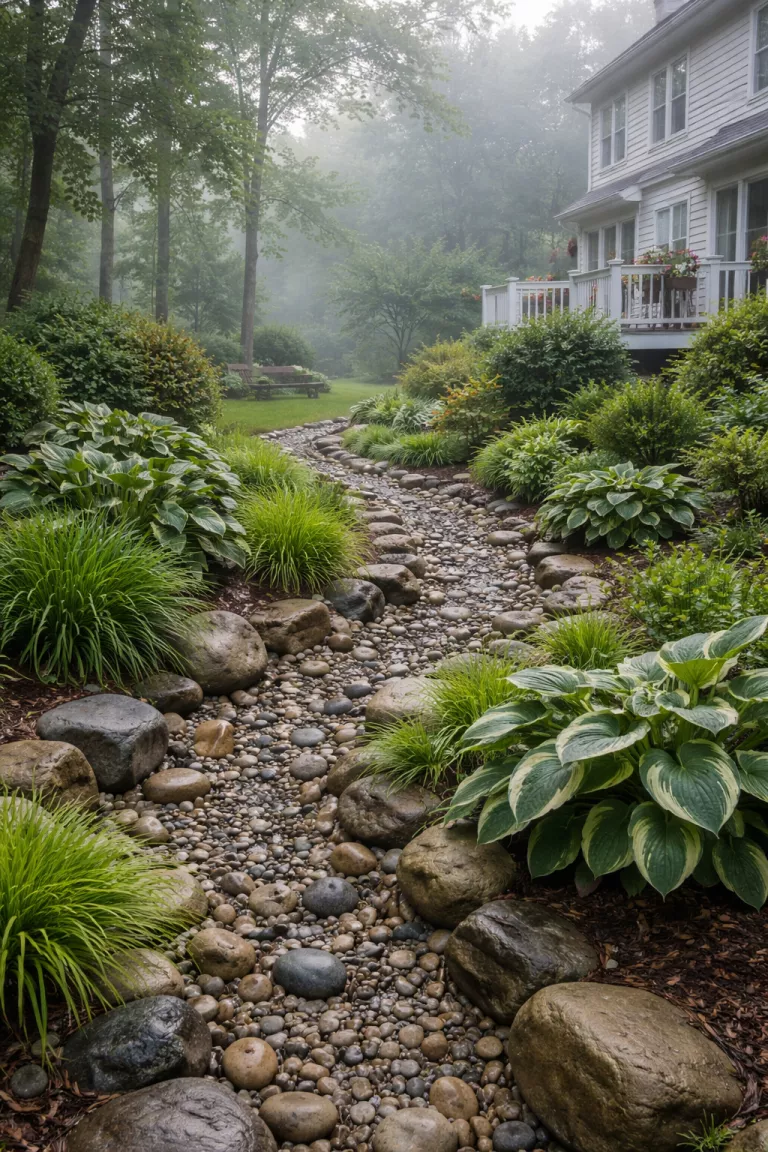
Rainwater should stay on your property rather than rushing into the street.
You can build a dry creek bed using river rocks to guide runoff toward a specialized rain garden.
Fill these low areas with thirsty plants like blue flag iris or swamp milkweed.
This setup filters pollutants and keeps your soil hydrated without extra effort.
Permeable pavers also help water soak back into the ground.
It is a clever way to turn a drainage problem into a beautiful focal point.
Reduce Lawn with Expanded Beds
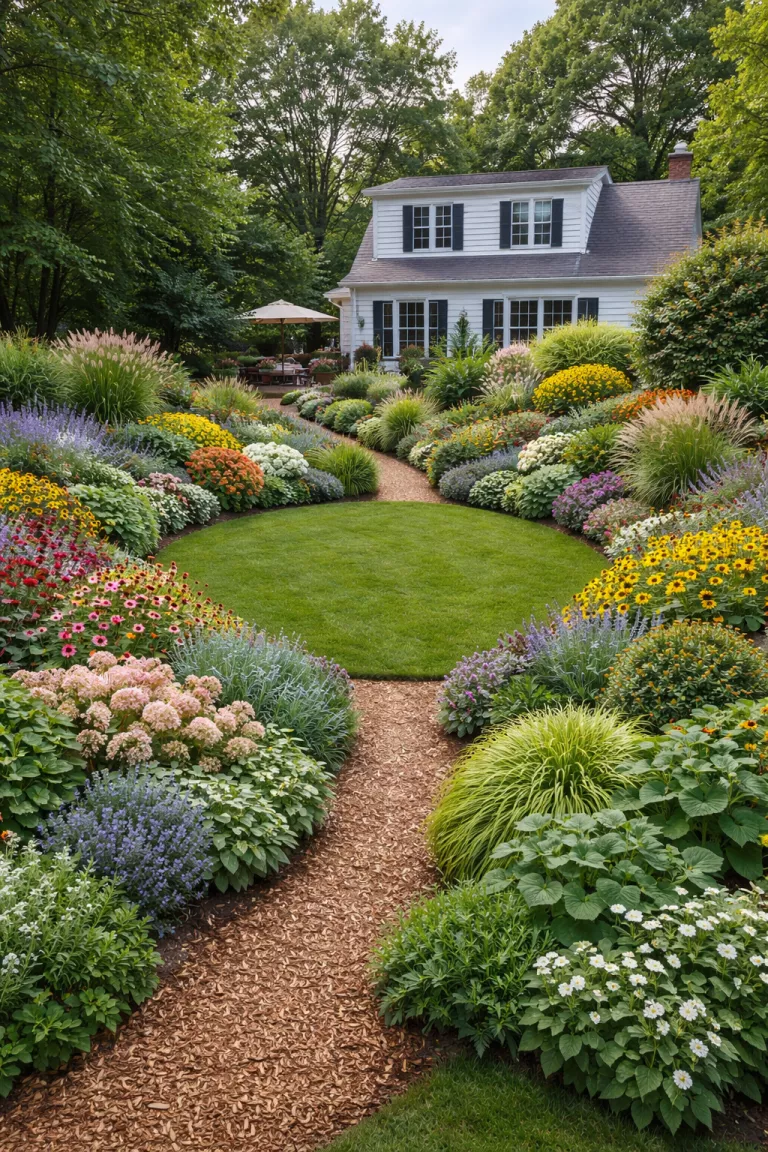
Mowing the lawn is arguably the most tedious way to spend a Saturday.
Shrink the grass by stretching your garden beds out toward the center of the yard.
Layering different heights of plants creates a storybook feel that masks your fence lines.
You can use wood chips or gravel for narrow paths between the beds to make maintenance a breeze.
This design increases your privacy and gives you more room for colorful flowers while significantly cutting down on your weekly yard work.
Curate Richly Textured Plantings
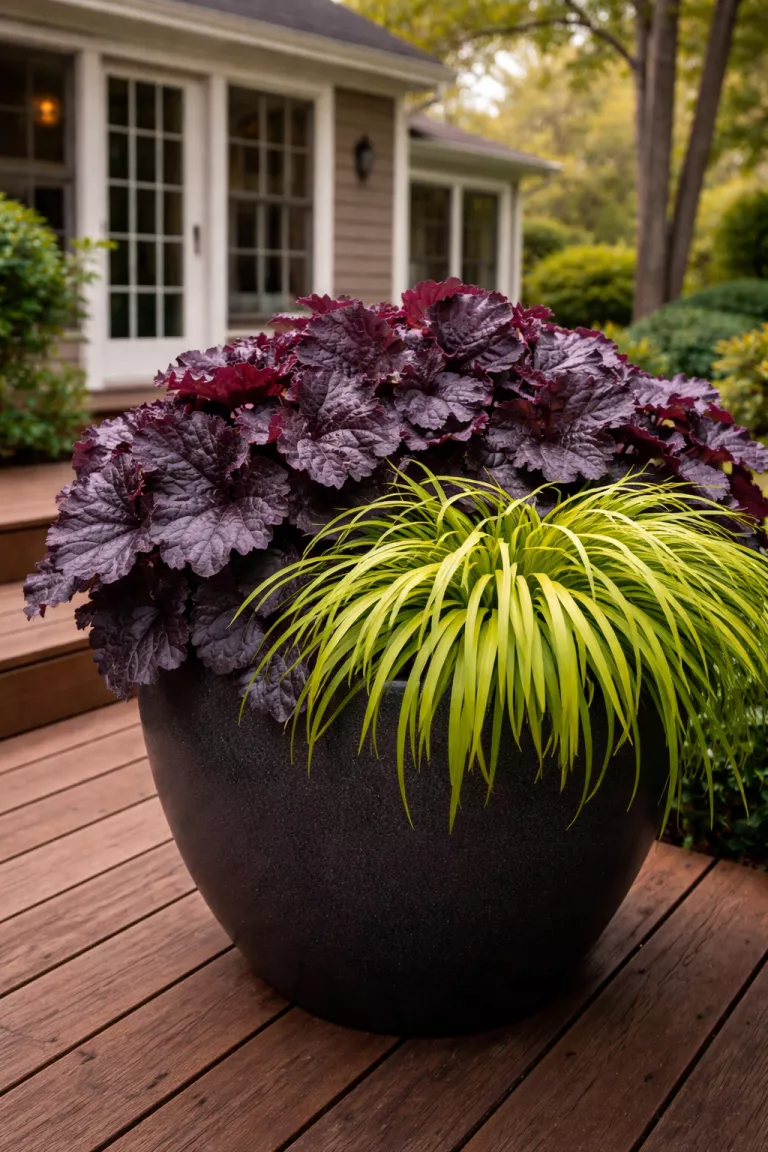
Color is great, but texture is the secret to a high-end look.
Try pairing the fuzzy leaves of lamb’s ear with the sleek, arching blades of ornamental grasses.
Deep jewel-toned flowers like burgundy dahlias pop against silvery foliage.
Mix different leaf shapes and sizes to create visual depth that keeps your eyes moving.
Even when nothing is in bloom, a garden full of varied textures looks intentional and sophisticated.
Use containers to bring these bold combinations onto your patio for immediate impact.
Define Outdoor Rooms
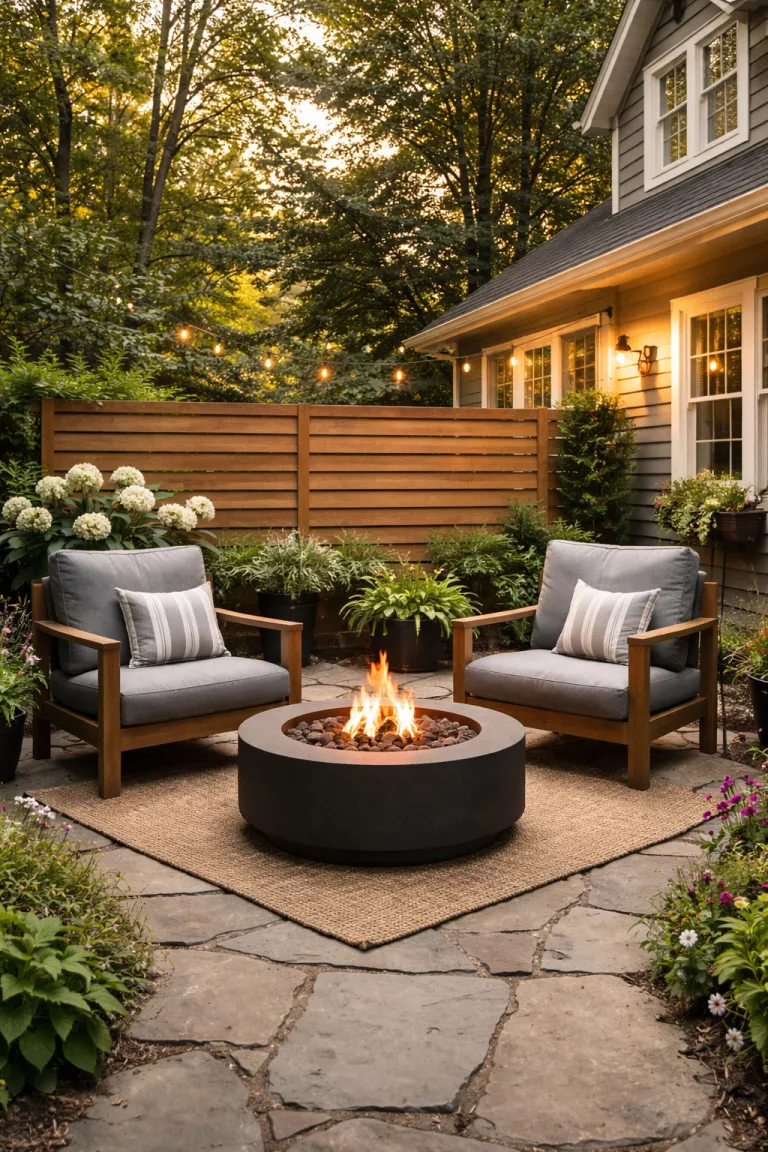
Your backyard should function like an extension of your indoor floor plan.
Create distinct zones for different activities to make the space feel larger and more organized.
A quiet corner with a comfortable chair works perfectly for reading, while a central area with a fire pit invites social gatherings.
Use tall plants or wooden screens to act as walls between these areas.
This zoning makes a large yard feel cozy and ensures every square foot has a clear, useful purpose.
Design Multi-Level Zoned Decks
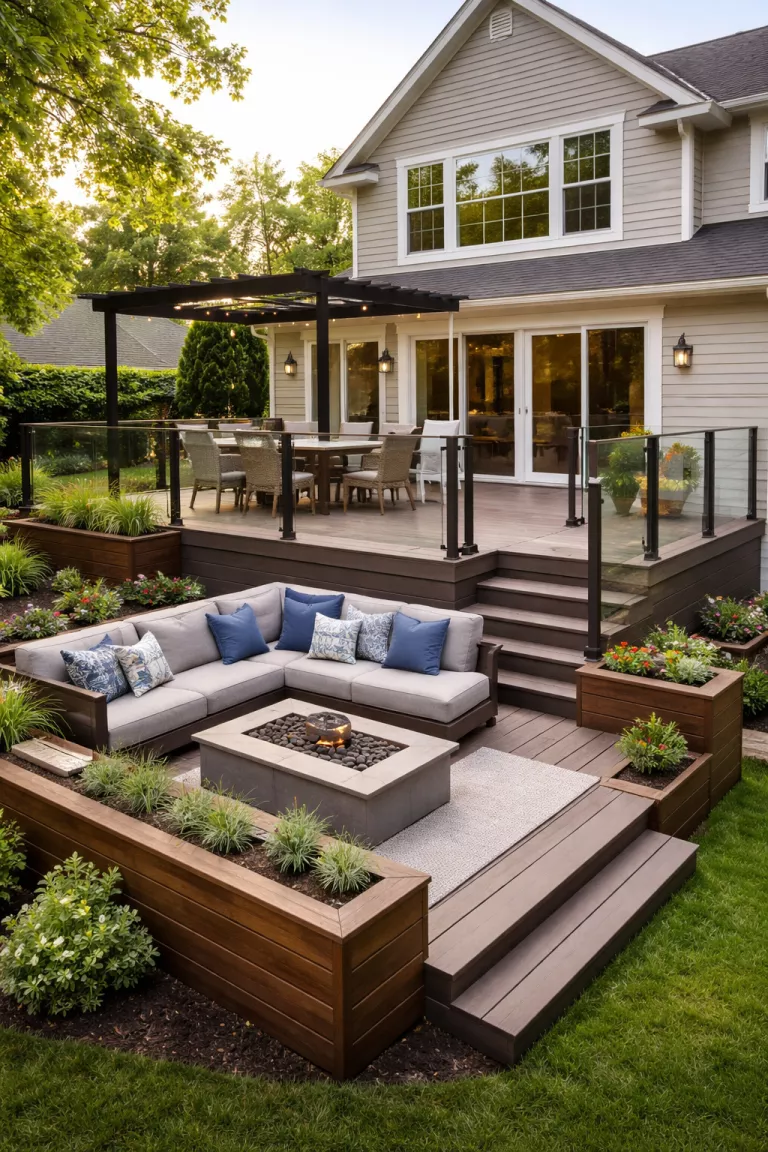
One flat deck often feels exposed and uninteresting.
Build tiers to separate your cooking area from your lounging space.
Different levels create a natural flow and help manage sloped terrain without expensive digging.
Use modern composite materials that mimic wood grain but never require sanding or staining.
Glass or cable railings keep your view open and unobstructed.
This architectural approach adds value to your home and makes your outdoor entertaining feel much more organized and professional.
Adopt Naturalistic Low-Input Planting

Perfection is overrated and exhausting to maintain.
Shift your focus toward an asymmetric look that mimics a mountain meadow or a wild woodland.
Tall grasses and hardy perennials can grow together in a relaxed way that requires very little pruning.
You will spend less time with your shears and more time in your hammock.
This style celebrates the natural growth patterns of plants.
It feels much more authentic and peaceful than a stiff, formal garden that demands constant attention.
Select Mixed Personalized Furniture
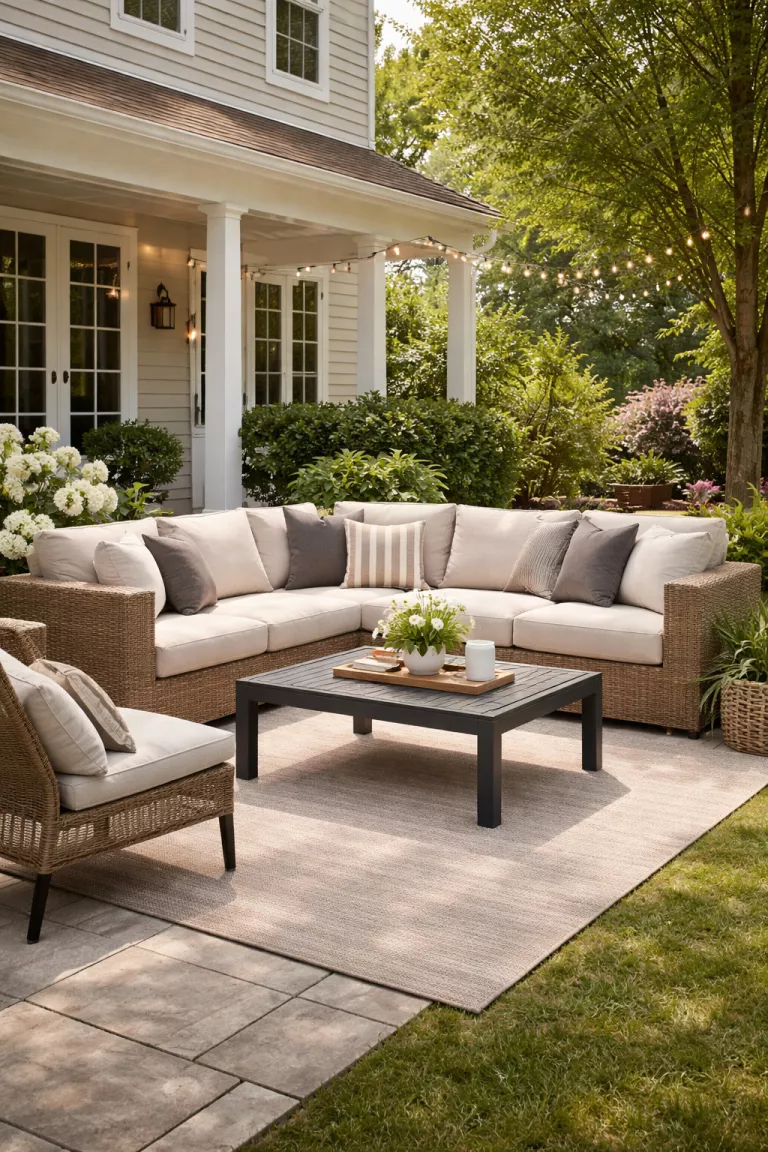
Matching furniture sets can look a bit like a catalog advertisement from twenty years ago.
Instead, pick individual pieces that reflect your style.
Combine a sleek aluminum table with woven wicker chairs or a modern polymer sofa.
This eclectic mix makes your patio feel like a real living room rather than a showroom.
Modular pieces allow you to change the layout whenever you host a larger group.
Focus on high-quality, weather-resistant materials that can handle the sun and rain without fading.
Upgrade to Architectural Lighting
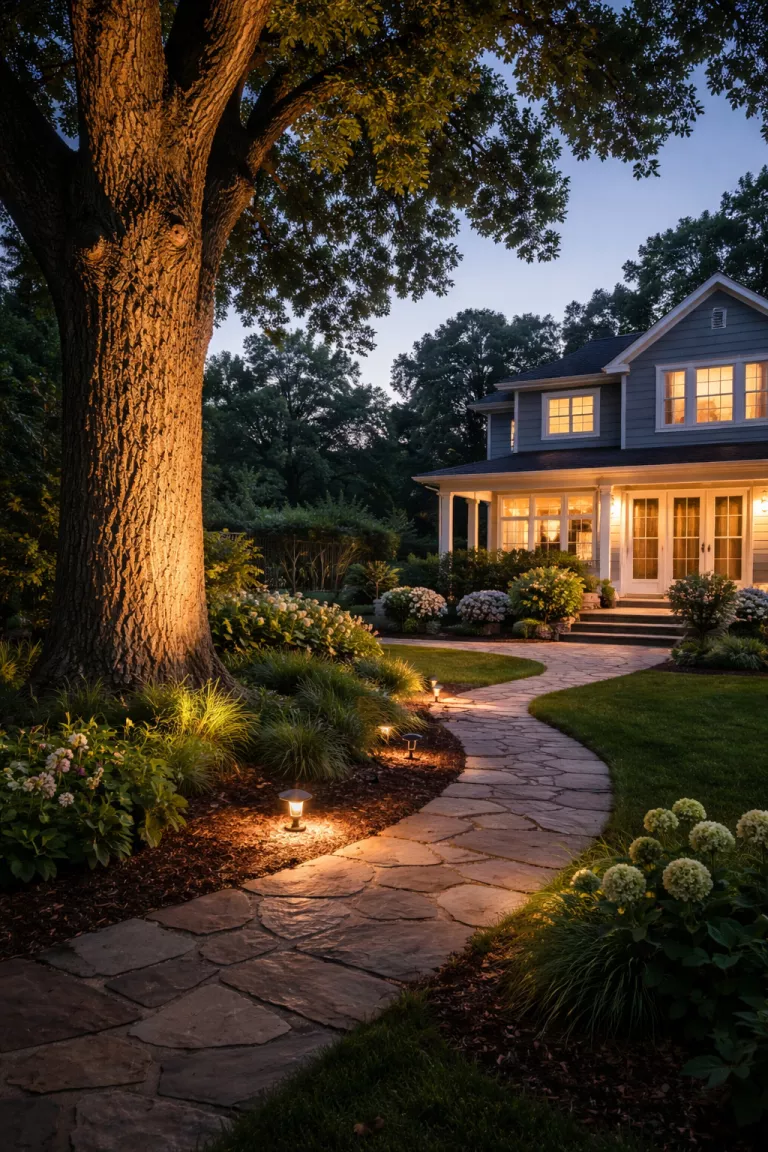
Those tangled strings of glowing bulbs have had their moment, but it is time for something more refined.
Use hidden LED fixtures to wash light up the trunks of your favorite trees.
Low-profile path lights keep your walkways safe without blinding your guests.
Modern systems allow you to dim the lights or change the warmth through a smartphone app.
Proper lighting turns your garden into a dramatic, moody space after the sun goes down, making it usable well into the evening.
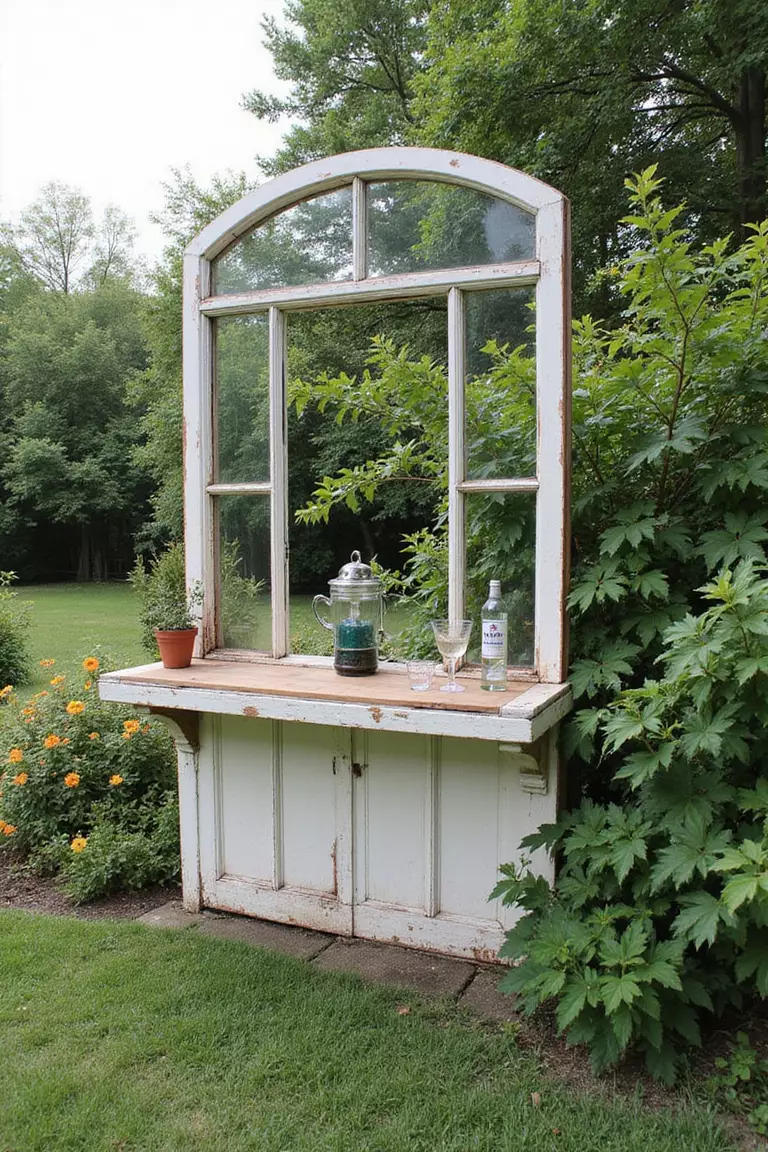
Construct Compact Backyard Bars
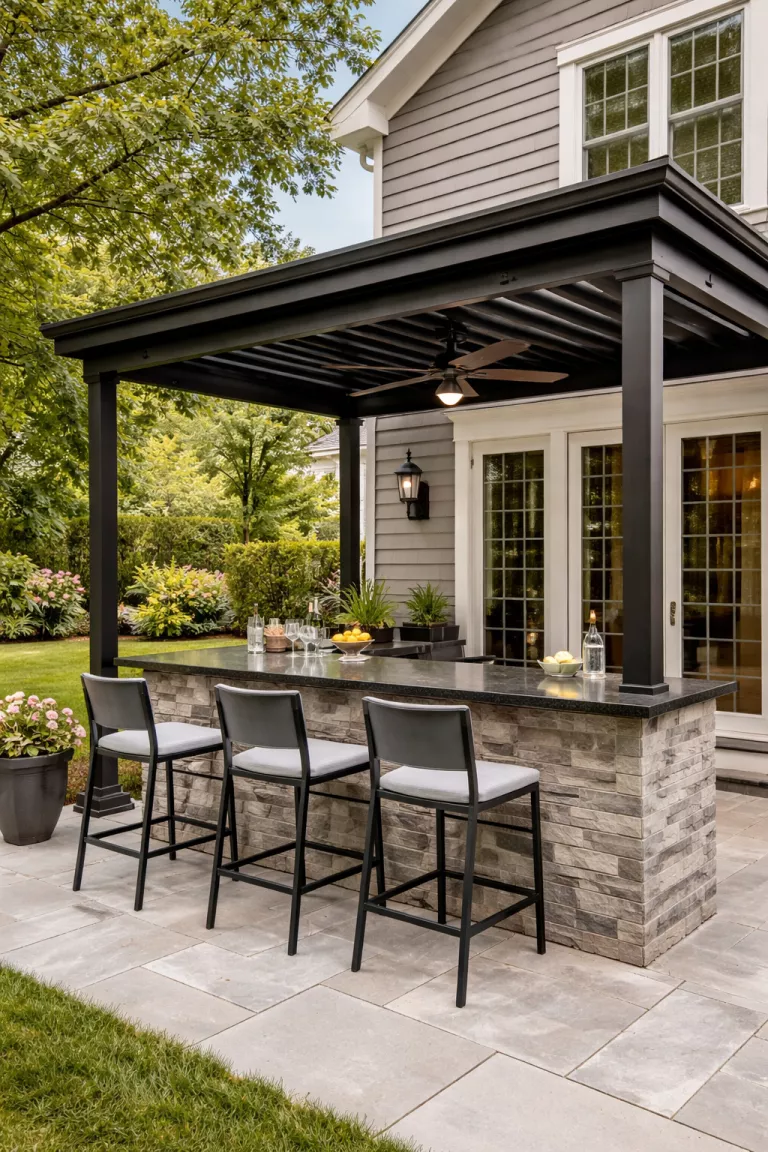
You do not need a massive pool house to host a great party.
A compact bar with a durable stone counter provides a central hub for drinks and snacks.
Add a small fridge and a couple of comfortable stools to create an instant social magnet.
A simple roof or canopy keeps the sun off your guests and protects your equipment.
This setup takes up very little space but completely changes how you entertain.
It is much more practical than a dusty garden shed.
Integrate Sculptural Plants
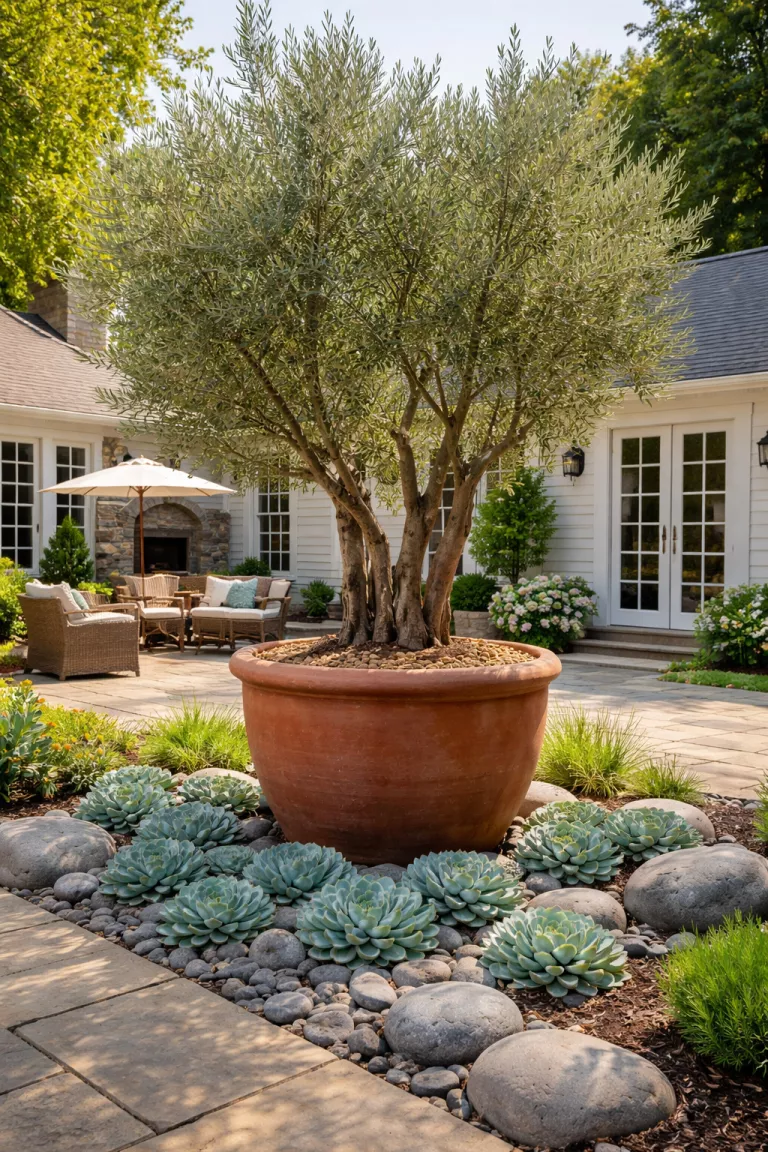
Treat your plants like living pieces of art.
Multi-trunk trees or large, architectural cacti provide striking silhouettes that draw the eye.
These plants serve as focal points in your garden beds or large containers.
Position them where they can be seen from your windows to enjoy the view year-round.
Their unique shapes add a layer of sophistication that standard bushes simply cannot match.
This approach emphasizes quality over quantity, making a big statement with just a few well-placed specimens.
Build Smart Outdoor Kitchens
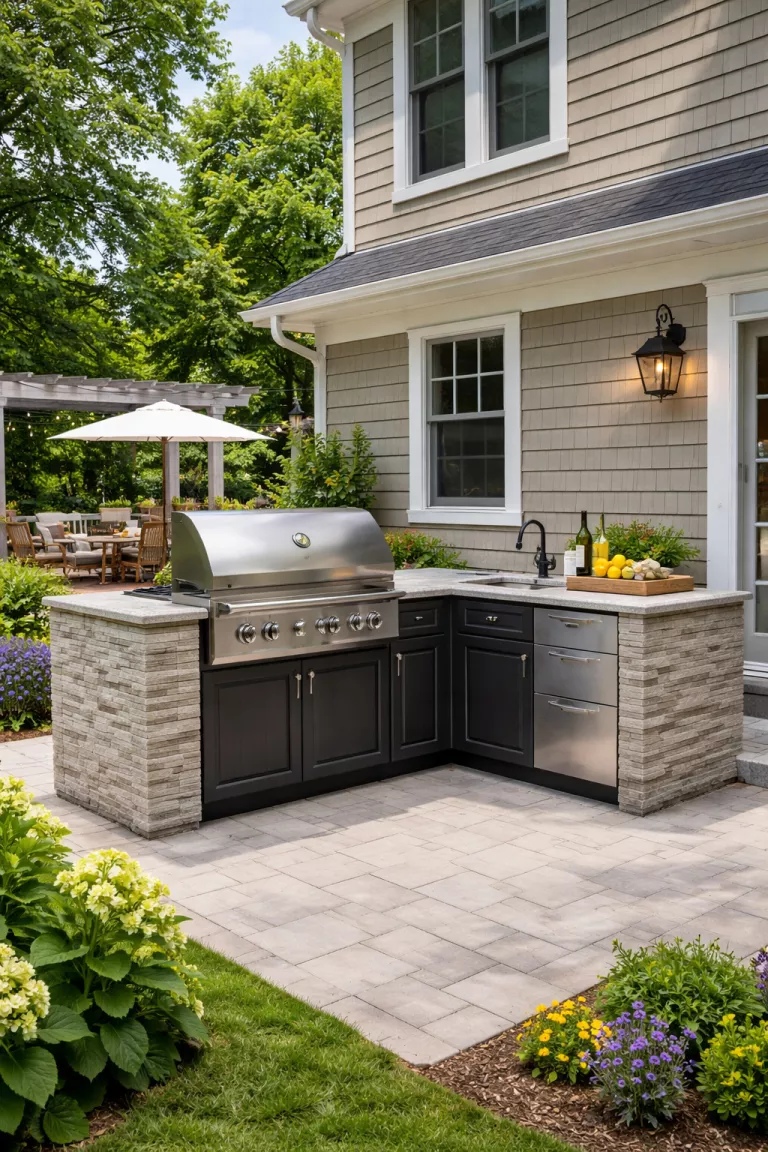
Outdoor cooking has evolved far beyond a wobbly charcoal grill.
A compact kitchen station with a built-in grill, a small sink, and a bit of counter space makes hosting much easier.
You can prep, cook, and clean without ever leaving the conversation.
Keep the design simple and functional to avoid cluttering your yard.
Use weather-resistant stone or stainless steel to ensure your setup lasts for years.
This smart upgrade turns a simple barbecue into a full culinary experience under the open sky.
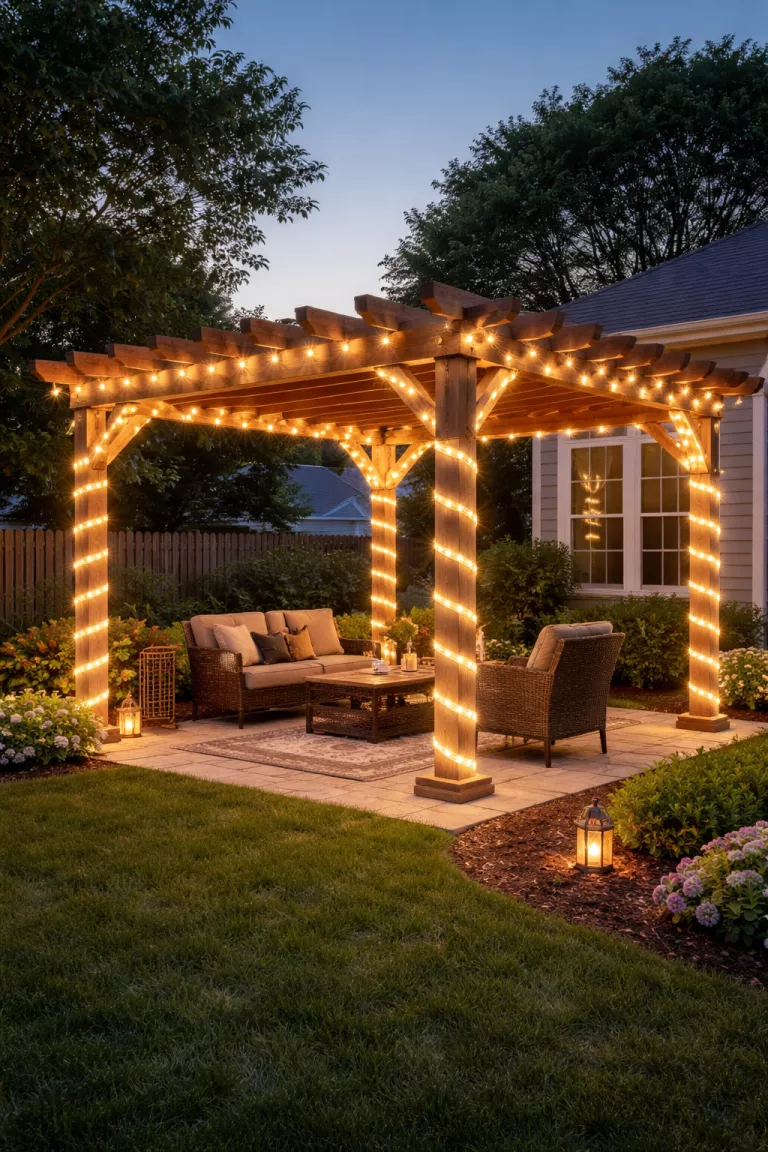
Install Bioclimatic Pergolas
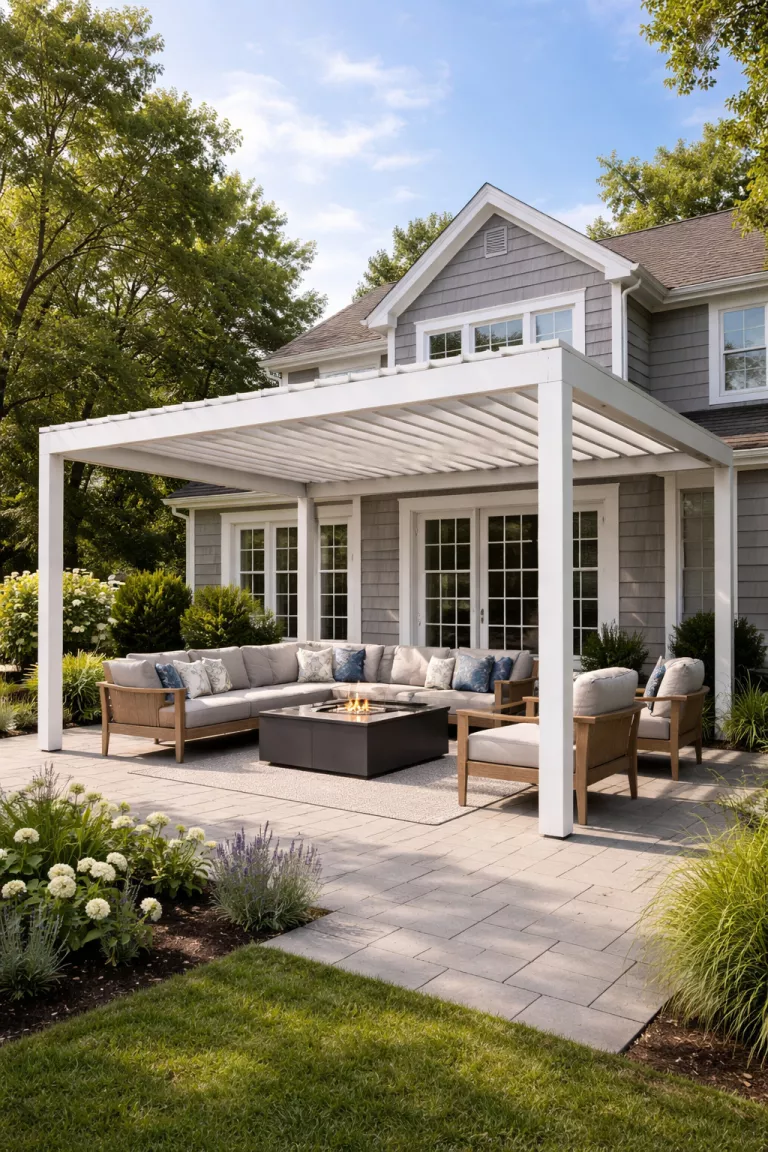
Control the weather with a louvered roof system.
These motorized pergolas allow you to flip a switch to block the rain or let the sunshine through.
Integrated sensors can even close the slats automatically when they detect moisture.
You can add heaters or retractable screens to stay comfortable during chilly autumn nights or buggy summer evenings.
It provides an architectural look that feels like a seamless part of your home.
This is the ultimate way to ensure your backyard stays usable every single day.
Develop Edible Foodscaping

Your garden can be tasty as well as beautiful.
Tuck herbs like rosemary and basil between your flowering perennials for a fragrance boost and easy access.
Growing strawberries as a groundcover or planting blueberry bushes as a privacy hedge serves two purposes at once.
Raised beds near the kitchen door make it simple to grab fresh ingredients for dinner.
This functional approach to landscaping ensures your yard provides a delicious harvest without looking like a messy farm plot.
Achieve Seamless Transitions
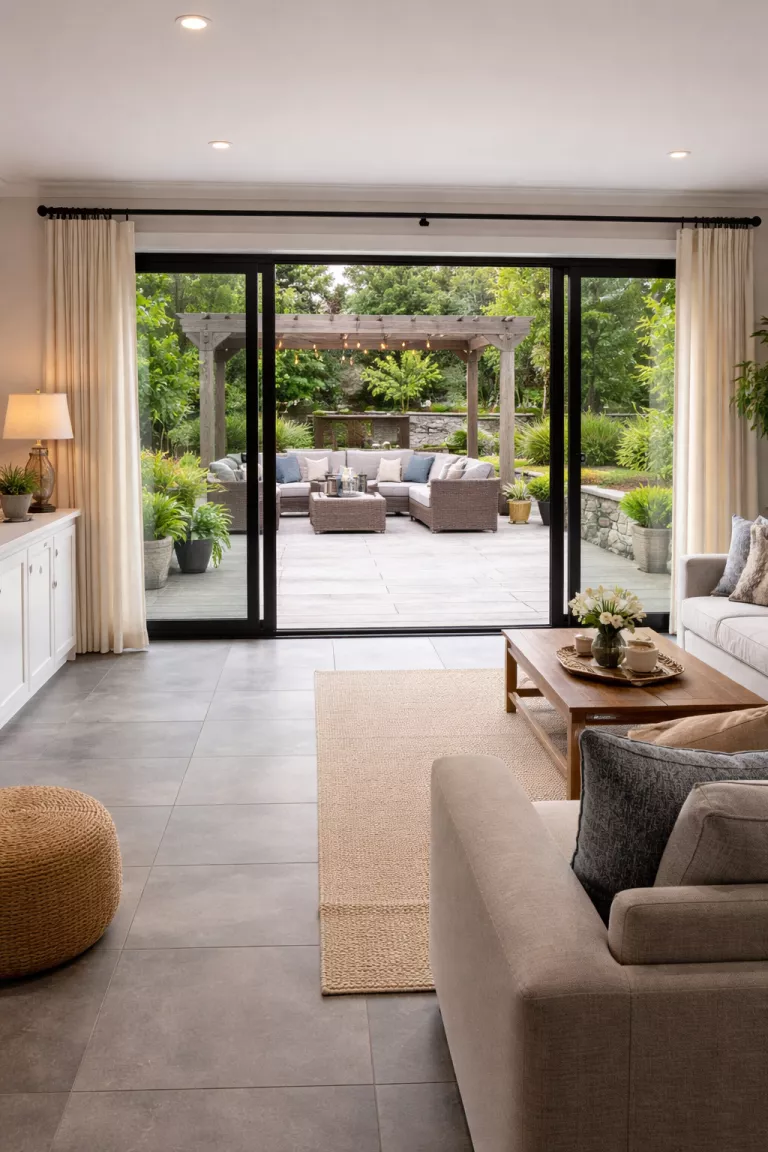
Indoor and outdoor living should feel like one continuous experience.
Use large sliding glass doors to remove the physical barrier between your house and your yard.
Matching your indoor flooring material with your outdoor patio stones tricks the eye into seeing one giant room.
Keep your furniture styles similar in both areas to maintain a consistent vibe.
This layout makes your home feel much larger and encourages you to step outside more often.
It creates a fluid lifestyle that prioritizes fresh air.
Choose Authentic Natural Materials
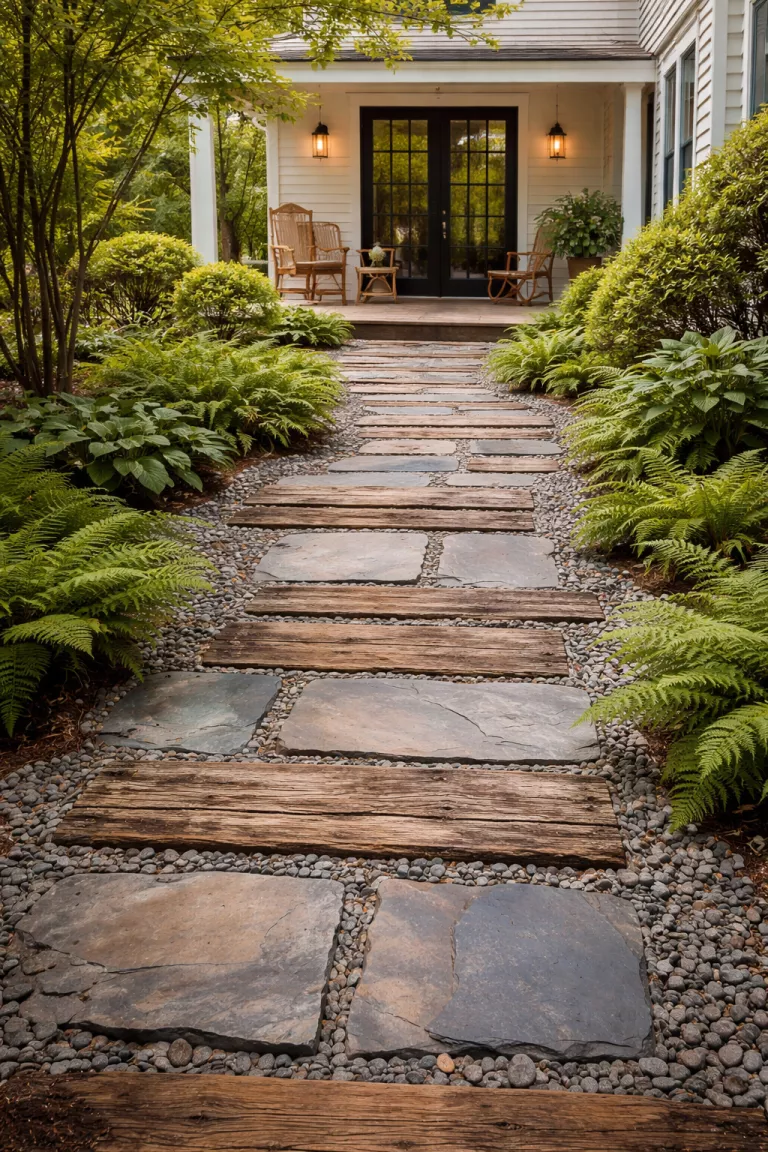
Natural materials age with grace and character.
Use reclaimed wood for your benches or genuine slate for your walkways to add a sense of history to your space.
While synthetic options exist, they often lose their luster over time.
Real stone and timber develop a beautiful patina that feels timeless.
These materials connect your home to the earth and provide a solid, grounded feeling.
Investing in authentic elements ensures your backyard looks better with every passing year.
Develop Wellness Retreat Zones
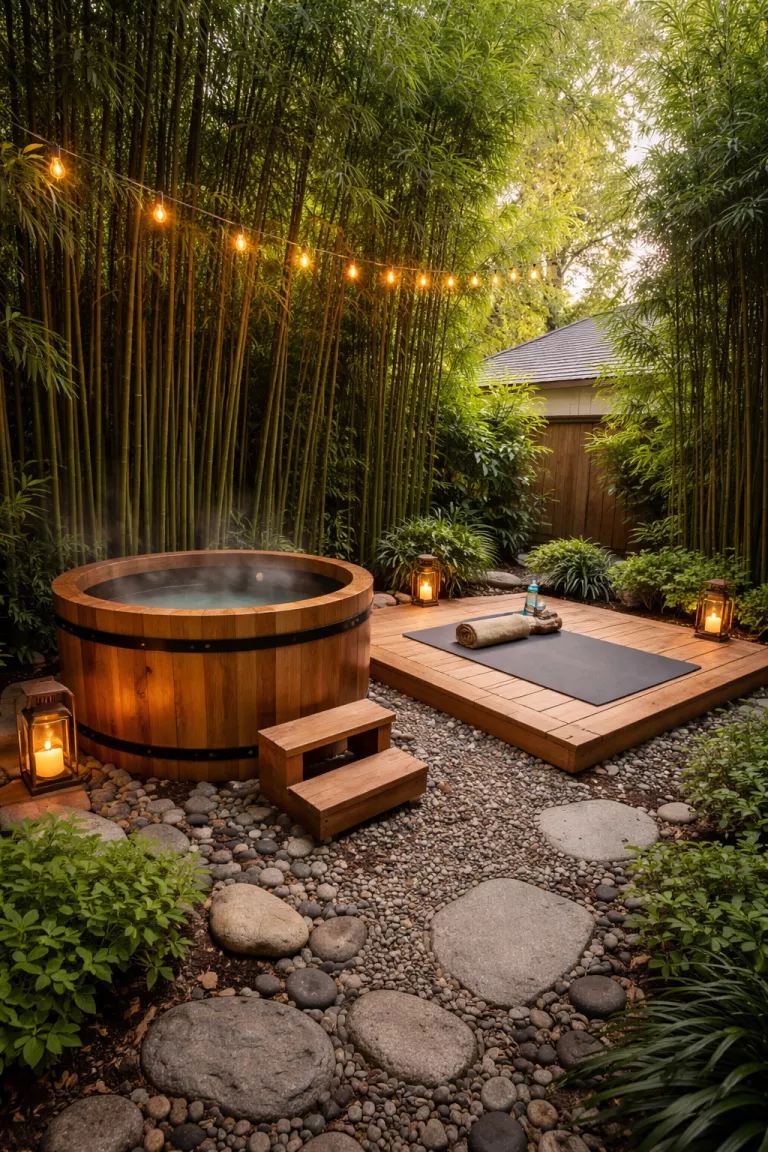
Create a private spot where you can actually hear yourself think.
A dedicated area for morning yoga or a simple meditation bench offers a necessary escape from a noisy world.
Use tall plants like bamboo or dense evergreens to block out the neighbors.
You might even include a small outdoor shower or a cold plunge tub for a spa experience at home.
This zone should prioritize silence and softness.
It is your personal refuge for physical and mental restoration.
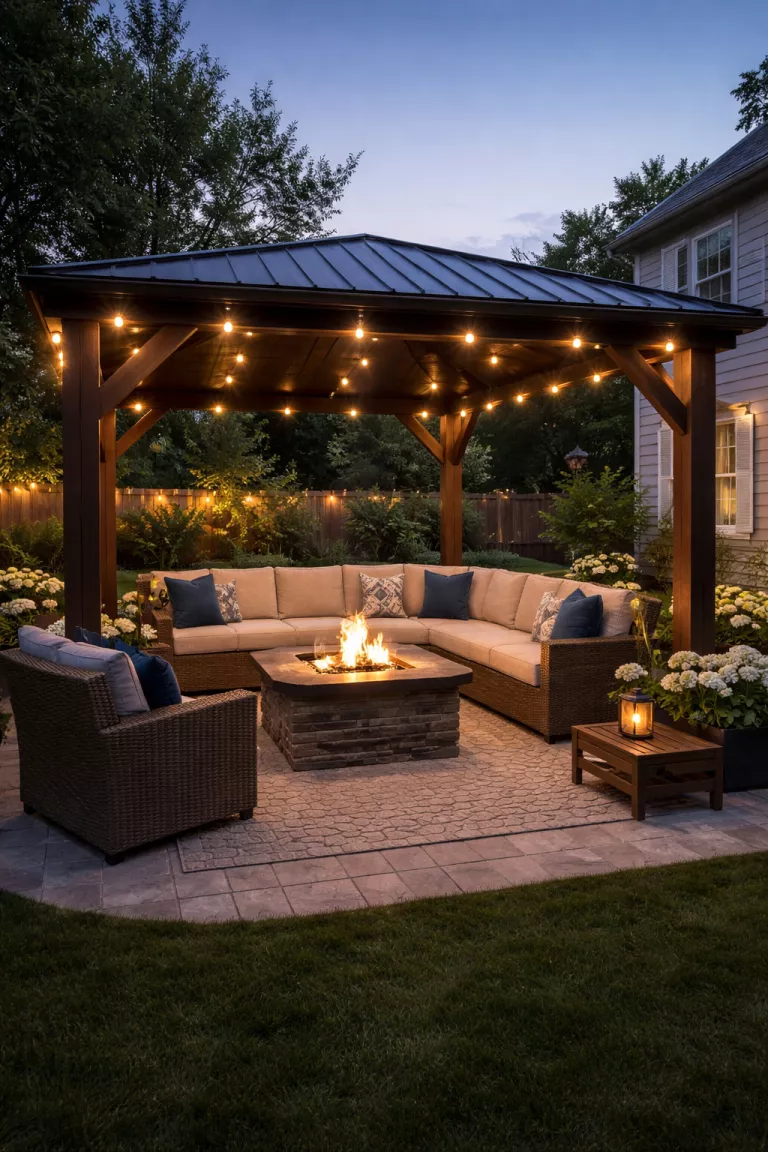
Add Purposeful Fire Features
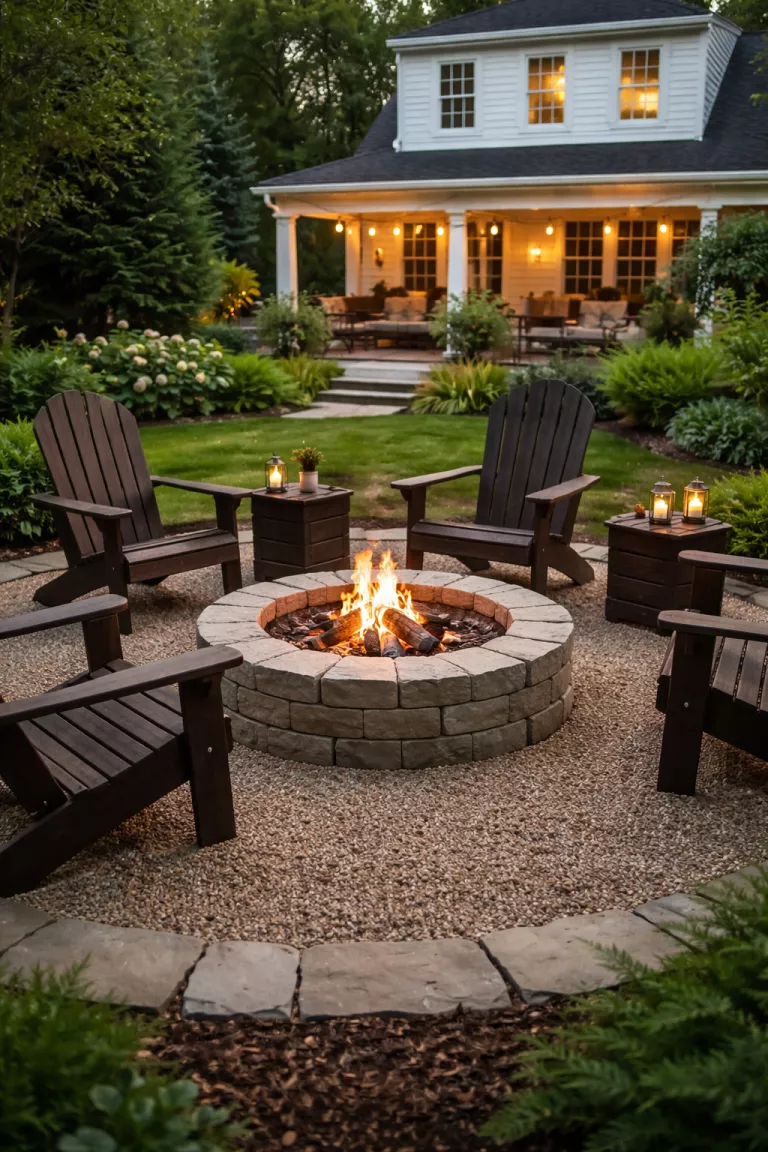
A fire brings people together like nothing else can.
Instead of a massive, permanent fireplace, opt for a stylish fire bowl or a portable stone pit.
These smaller features allow you to surround the flame with seating and greenery.
They provide warmth and light without dominating the entire garden.
You can easily move them if you decide to change your layout later.
A simple fire feature creates a cozy atmosphere that keeps everyone outside long after the stars come out.