19 Garden Path Ideas
Ready to upgrade your yard? Explore these 19 Garden Path Ideas to add charm and function. You can easily find inspiration for a walkway that fits your style and guides visitors through your beautiful garden space. Let’s find your perfect path!
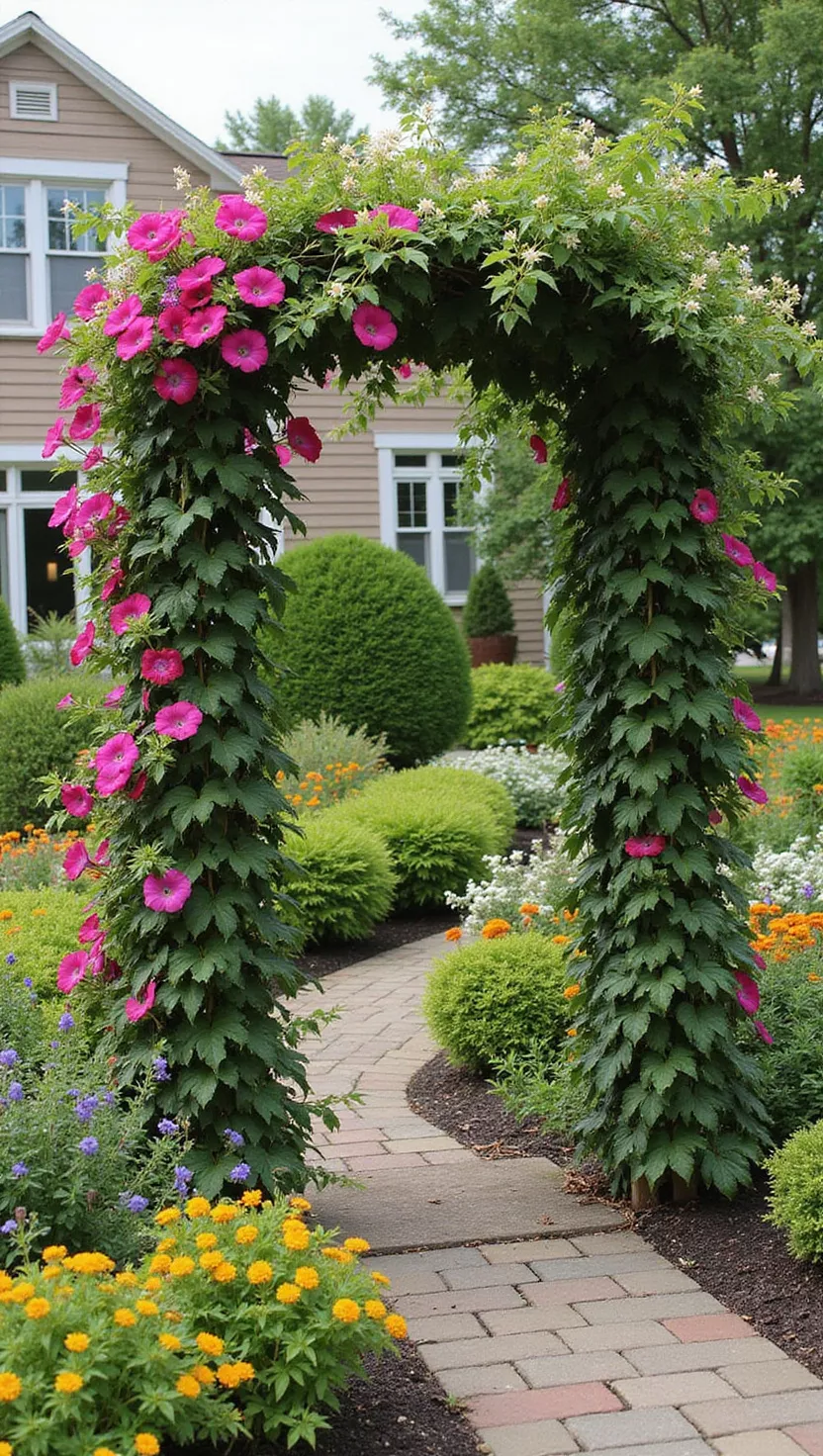
Brick Path

You can create a classic look with a brick path.
Lay the bricks in neat patterns like herringbone or basketweave.
Bricks offer a sturdy and long-lasting walkway.
They look great in both formal gardens and cozy cottage yards.
Choose red or tan bricks for different styles.
Gravel Path

A gravel path gives you a relaxed, natural feel.
It’s simple to install and drains water well.
The crunch underfoot adds a nice sound to your garden stroll.
Choose pea gravel or larger stones depending on the look you want.
Keep it tidy with edging.
Stepping Stones
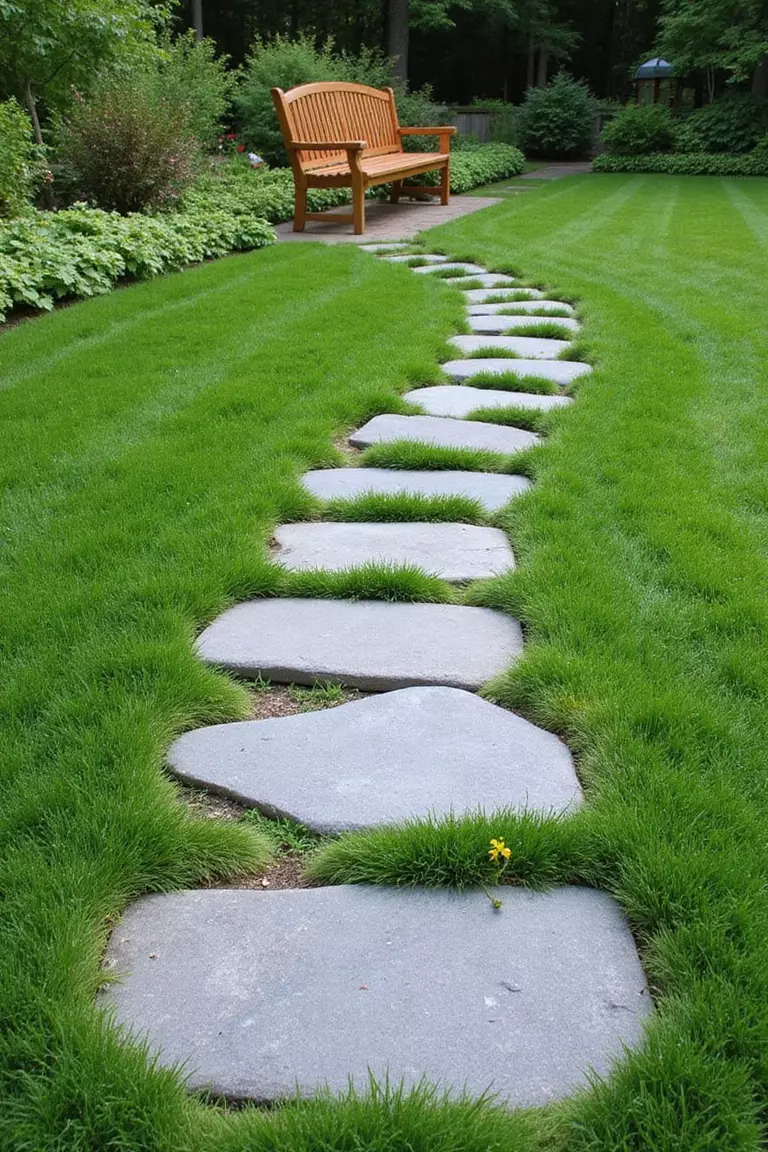
Use stepping stones for a playful and informal path.
You place large, flat stones individually with space between them.
Grass or ground cover can grow around the stones.
This style works well across lawns or through flower beds, creating a gentle guide.
Wood Chip Path
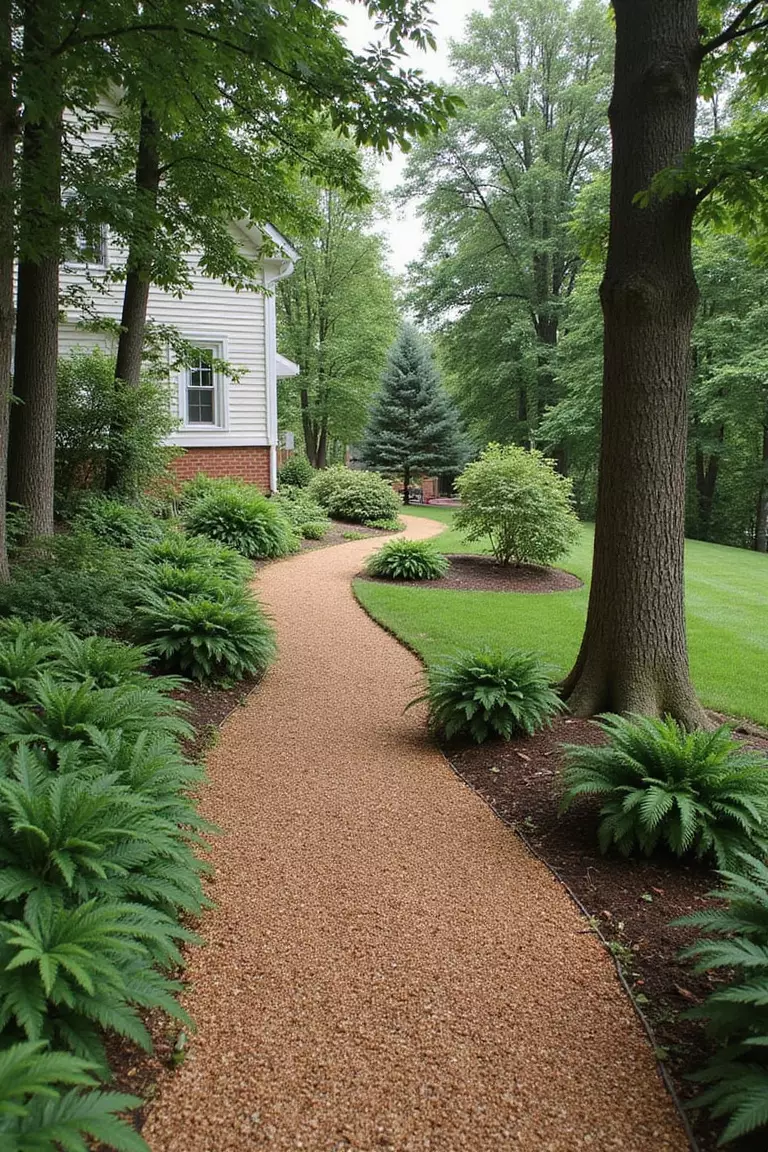
For an inexpensive and natural walkway, try wood chips.
They feel soft underfoot and blend well in woodland or rustic garden settings.
Wood chips help keep weeds down too.
You will need to add more chips every few years as they break down naturally.
Concrete Path

A concrete path offers a clean, durable, and modern look.
You can pour it smooth or give it texture.
Add color or stamp patterns for extra style.
It provides a solid, even surface that is easy to walk on and lasts for many years.
Flagstone Path

Flagstone paths use large, flat, irregular stones for a natural, upscale appearance.
You fit the stones together like a puzzle.
Fill the gaps with sand, small gravel, or ground cover plants.
This path adds great texture and character to any garden design.
Paver Path

Pavers give you many design options.
They come in different shapes, sizes, and colors.
You can create interesting patterns easily.
Paver paths look neat and provide a stable, even surface.
They are a popular choice for both front and back yards.
Cobblestone Path

Choose cobblestones for a charming, old-world feel.
These rounded stones create a textured, durable path with lots of character.
Setting them takes time but results in a beautiful, long-lasting walkway.
They look wonderful in traditional or cottage gardens.
Mulch Path
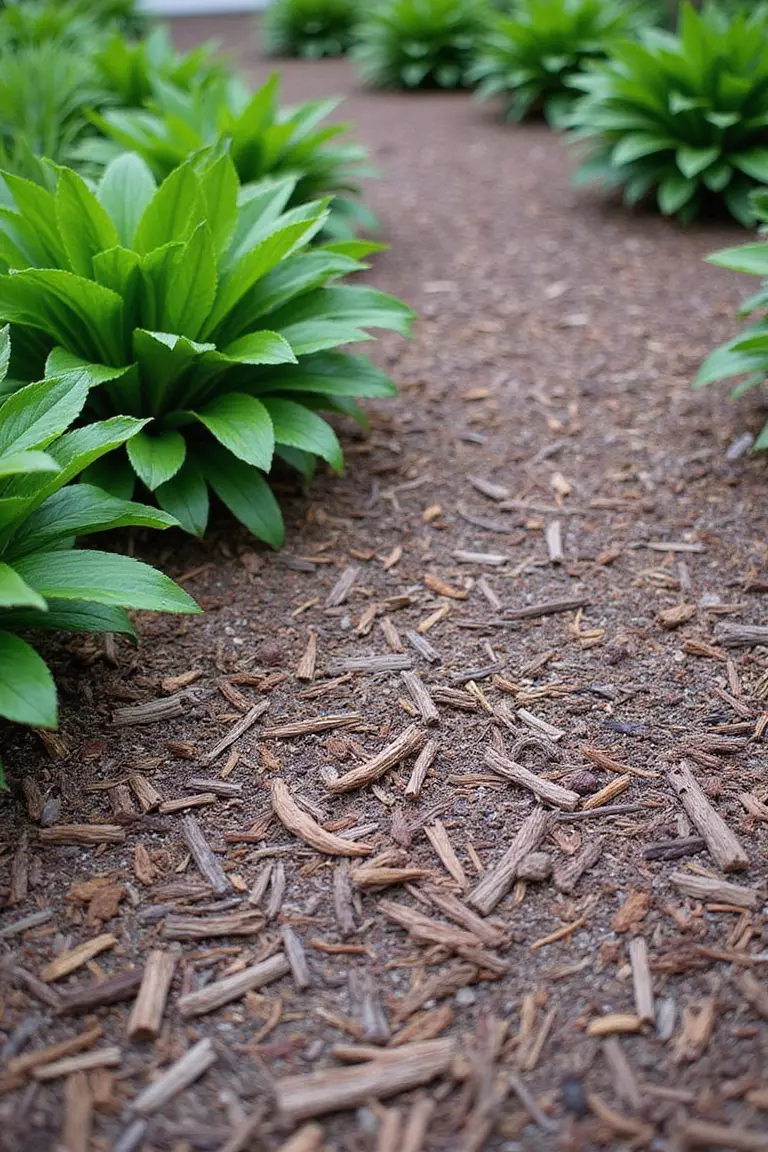
Similar to wood chips, a mulch path is soft, natural, and affordable.
You can use bark or shredded wood.
It’s easy to lay down and feels comfortable to walk on.
Mulch paths need occasional refreshing but are great for informal garden areas.
Mosaic Path

Get creative with a mosaic path!
You embed broken tiles, colored glass, or pebbles into concrete stepping stones or a full path.
This lets you add unique patterns and colors.
It’s a fun project that adds a personal, artistic touch to your garden space.
Log Slice Path

Use slices from tree logs to make a rustic path.
Arrange the wood rounds like stepping stones.
Set them into sand or soil.
This path connects your garden to nature.
Make sure the wood is treated or rot-resistant for longer life.
Composite Decking Path

For a low-maintenance wood look, consider composite decking.
It resists rot and insects better than natural wood.
You can build a straight or curved path that looks clean and modern.
It provides a smooth, consistent surface, often raised slightly like a mini-deck.
Thyme Path

Plant creeping thyme or other sturdy ground covers between stepping stones.
When you walk on it, the thyme releases a lovely scent.
This creates a living path that blends beautifully with your garden.
Choose tough varieties that handle foot traffic.
Grass Path

A simple grass path offers a soft, green walkway.
Just mow a strip of your lawn wider than your mower.
It blends seamlessly with the rest of your yard.
Define the edges clearly for a neat look.
It feels natural and cool underfoot.
Seashell Path
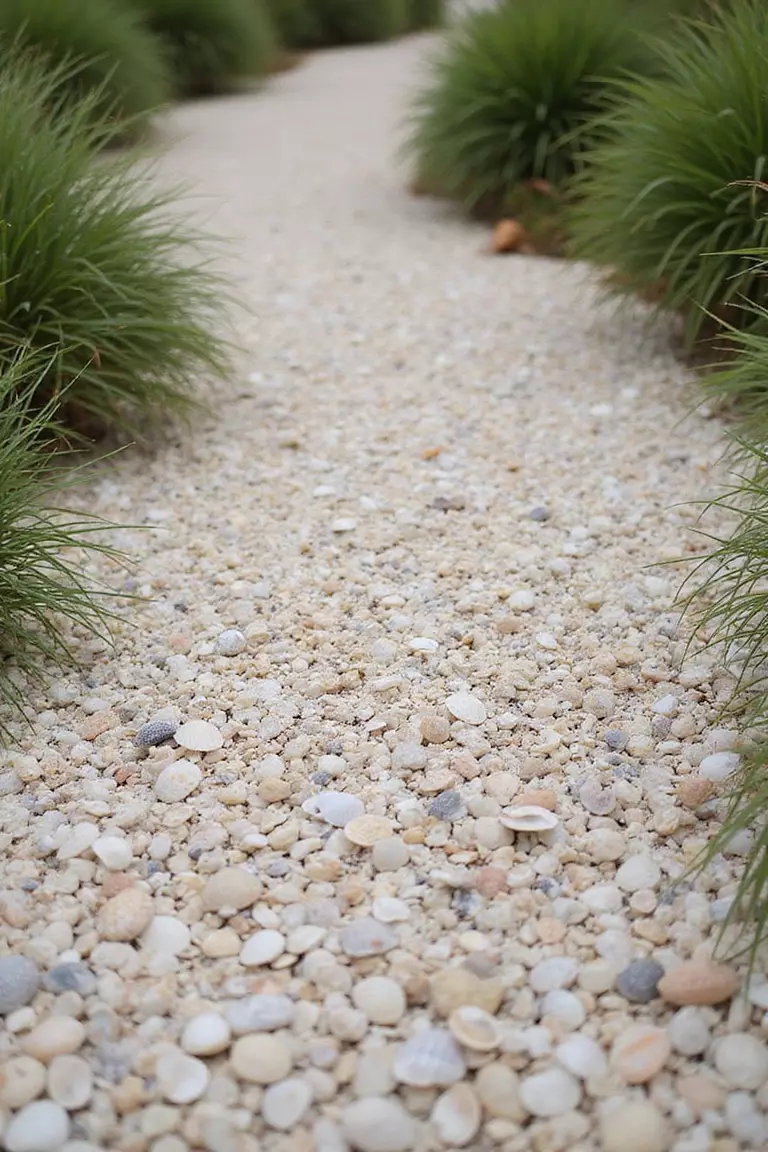
Bring the beach to your garden with a seashell path.
Use crushed shells like oyster or clam shells.
They provide good drainage and have a unique texture and look.
The light color brightens shady areas.
Edging helps keep the shells contained.
Curved Path

A curved path adds flow and interest to your garden.
It encourages you to slow down and enjoy the surroundings.
Curves can make a small space feel larger.
Use materials like gravel, mulch, or stepping stones that follow bends easily.
Straight Path

A straight path creates a sense of order and purpose.
It leads the eye directly to a focal point, like a doorway, bench, or statue.
Use formal materials like brick, pavers, or concrete for the best effect.
Straight paths work well in geometric garden designs.
Boardwalk Path

Build a boardwalk path using wooden planks.
This works great over wet ground or uneven areas.
It gives a coastal or rustic vibe.
Raise it slightly off the ground for air circulation.
Use treated wood or composite material for durability against weather.
Mixed Materials Path
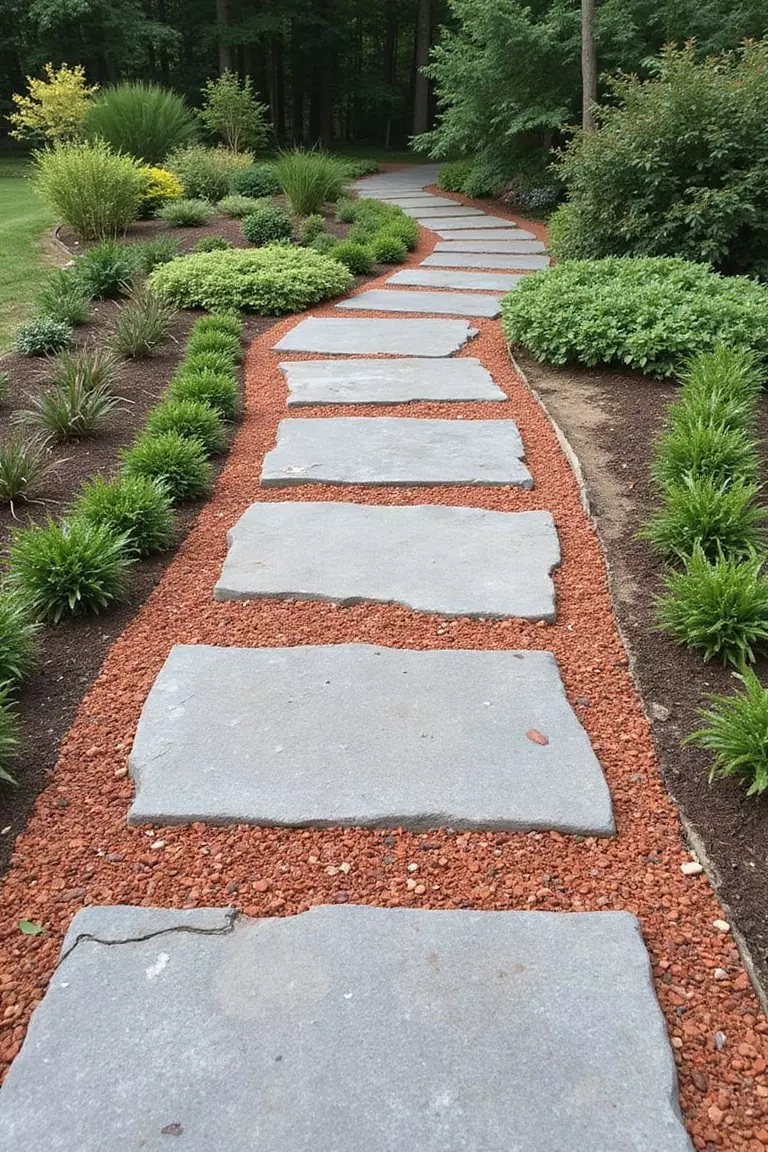
Combine different materials for a unique look.
You could mix sections of pavers with gravel, or place stepping stones within a mulch path.
This adds visual interest and texture.
Try combining smooth and rough textures or contrasting colors for a dynamic walkway design.