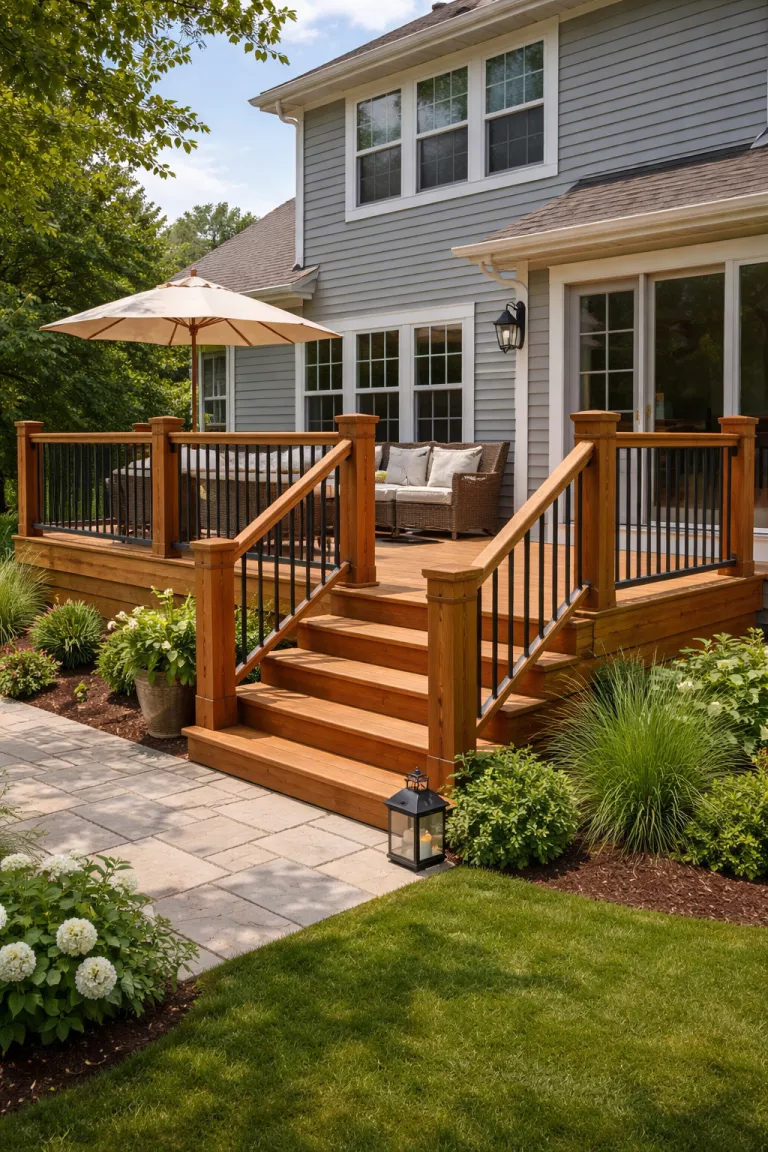
21 Under Deck Skirting Ideas
Stop letting that dark, cavernous space beneath your deck house cobwebs and neighborhood strays. You deserve a backyard that looks finished and intentional. These 21 Under Deck Skirting Ideas help you hide the structural mess while boosting your home value and curbing unwanted guests.
Classic Wood Lattice Panels
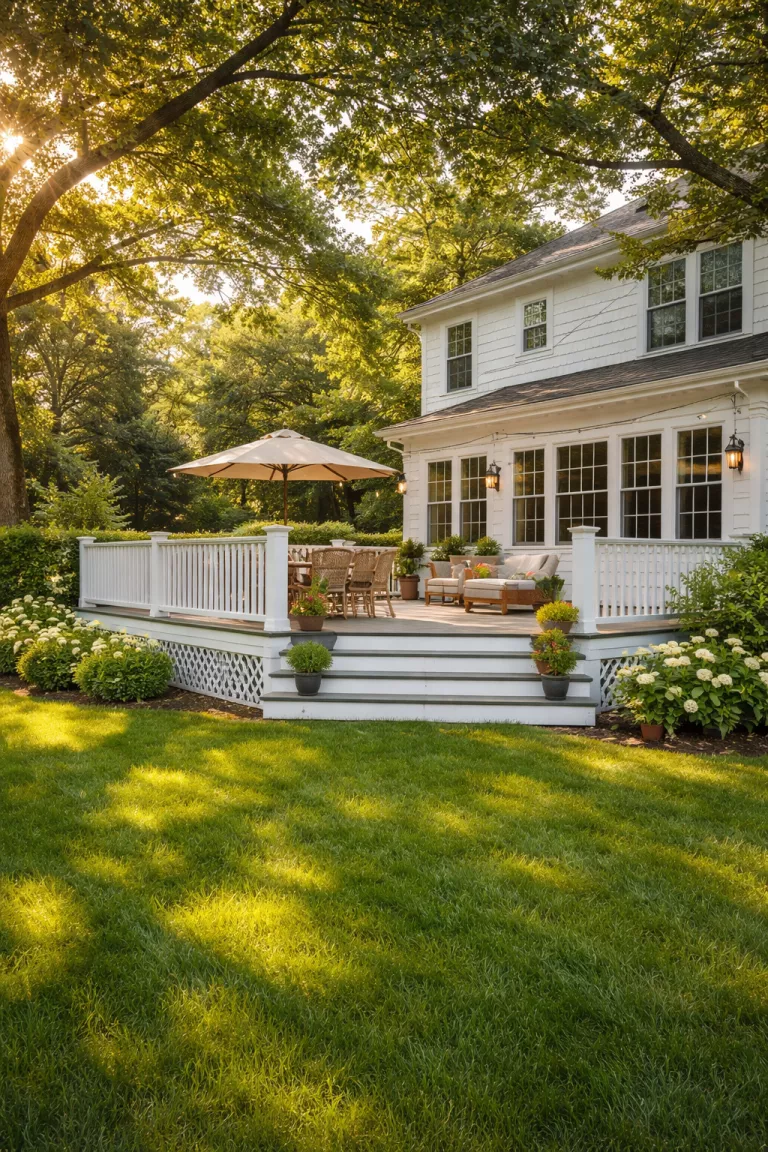
You likely recognize this timeless option because it stays popular for a reason.
Wood lattice panels offer a budget friendly way to mask the underside of your deck while providing essential airflow.
You can purchase pressure treated pine sheets at almost any hardware store.
I recommend painting or staining the wood to match your deck railing for a cohesive appearance.
Simply build a basic 2×4 frame and secure the panels with exterior screws.
This setup keeps large pests out while preventing moisture from rotting your joists.
PVC Lattice Panels

If you despise the idea of sanding and repainting wood every few years, PVC lattice might become your new favorite material.
This durable plastic alternative ignores moisture and laughs in the face of hungry insects.
You can choose colors that perfectly mimic your expensive composite decking.
Use stainless steel screws or specialized clips to attach these panels to your support posts.
These panels clean easily with a garden hose and will not fade after a few seasons of harsh sun exposure.
Horizontal Cedar Slats

I love the sleek, modern aesthetic that horizontal cedar slats bring to a backyard.
You create a high end look by spacing kiln dried cedar boards about an inch or two apart.
This configuration allows plenty of wind to pass through while hiding those ugly concrete footings.
Cedar naturally resists decay, so it handles ground contact better than most softwoods.
Apply a clear sealant to maintain that rich orange glow or let it weather into a sophisticated silver gray over time.
Vertical Pressure Treated Boards

Vertical boards provide a sturdy, farmhouse vibe that feels incredibly solid.
This method works well if your deck sits high off the ground and needs substantial coverage.
You should size your boards to match the height of your deck and leave tiny gaps between them for ventilation.
Many homeowners choose this style because it matches common fencing designs.
This choice remains affordable and stands up well to wet climates since pressure treated wood handles moisture like a professional.
Composite Decking Skirting

Using the same material for your skirting as your deck surface creates a truly seamless finish.
I suggest matching your composite boards to the fascia for a polished, professional result.
These boards resist stains and fading, which means you spend more time relaxing and less time maintaining your home.
You can use hidden fasteners to keep the surface looking clean and unobstructed.
Most high quality composite brands offer warranties that cover these materials for decades of worry free use.
Stone Veneer Skirting

Stone veneer brings a level of sophistication that wood simply cannot achieve.
You apply these lightweight panels over a framed plywood backing to give your deck a permanent, architectural foundation.
Faux stone looks remarkably like the real thing without requiring a massive concrete footer.
This option completely blocks out pests and adds significant curb appeal to your property.
Just ensure you install proper drainage behind the panels so water does not sit against your wood frame and cause issues.
Brick Paver Skirting

Building a brick or block wall around your deck base offers a permanent solution that integrates beautifully with classic home designs.
This method requires a bit more labor since you must prep a foundation and use mortar.
However, the longevity of brick far exceeds almost any other material on this list.
You can cap the top with coping stones for a finished edge that doubles as a ledge for potted plants.
It provides excellent insulation and keeps the area under your deck very cool.
Galvanized Metal Panels

Industrial chic is having a moment, and galvanized metal panels fit that trend perfectly.
These sheets resist rust and take very little time to install compared to individual wooden slats.
I suggest using corrugated metal to add texture and depth to the shadows under your deck.
You can even paint them if the shiny silver look feels too aggressive for your yard.
These panels work exceptionally well in high wind areas or coastal regions where salt air destroys organic materials.
Corrugated Metal Roofing Reuse

Sustainability looks great when you repurpose old roofing for your deck skirting.
This wavy textured metal is lightweight and completely weatherproof.
You can cut the sheets to fit your specific height requirements and attach them to a pressure treated frame.
Many homeowners enjoy the budget friendly nature of using salvaged materials for this project.
A fresh coat of exterior paint can turn a piece of scrap metal into a unique design feature that sparks conversation during your next barbecue.
Bamboo Screening Rolls

If you want a tropical or eco friendly vibe, bamboo screening rolls offer a quick and easy fix.
You simply roll the material out and anchor it to your deck posts with wire ties or heavy duty staples.
Bamboo allows plenty of air to move through while providing a natural screen.
I recommend treating the bamboo with a UV protectant spray to keep it from turning brittle in the sun.
This choice blends flawlessly into lush garden settings and takes very little effort to install.
Vinyl Siding Panels

Matching your deck skirting to your actual house siding creates a very uniform look.
Vinyl siding panels handle moisture better than wood and never require a paintbrush.
You install these using a snap lock system over a simple wooden frame.
Make sure to include some ventilation slits or small decorative vents to avoid trapping humid air beneath the structure.
It provides excellent impact resistance against wandering lawnmowers or stray soccer balls from the neighbors next door.
Shiplap Wood Design

Shiplap is not just for your interior walls anymore.
These overlapping boards create a clean, coastal aesthetic that looks incredibly tidy.
The overlap naturally protects the interior frame from rain while providing interesting shadow lines that add depth to your deck base.
You can use wood or PVC Shiplap depending on your budget and maintenance preferences.
It works particularly well for modern farmhouse designs.
I suggest using a high quality exterior paint to ensure the boards stay crisp and bright.
Board and Batten Skirting

Board and batten styling adds wonderful texture and structural rigidity to your deck enclosure.
You place wide vertical boards first and then cover the seams with thinner strips called battens.
This creates a rhythmic pattern that looks great on any home.
Caulking the joints and staining everything a uniform color will make the skirting look like a part of the original architecture.
Small gaps between the battens and boards allow just enough air to move through to keep things dry.
Slatted Fencing Panels

Buying pre made slatted fence panels can save you hours of measuring and cutting individual boards.
These panels provide a privacy focused enclosure that still feels airy and light.
You can align them with your deck posts and use heavy duty hardware for easy removal if you ever need to inspect the footings.
I recommend these for homeowners who want a quick weekend project.
You can choose different slat densities to control exactly how much of the underside stays visible.
Trellis with Climbing Plants

A living green skirt creates a beautiful, evolving boundary for your deck.
You install decorative trellis panels and then plant climbing vines like ivy or clematis at the base.
Over time, the plants fill in the gaps to provide natural screening and a splash of color.
This eco friendly choice improves airflow and helps cool the area around your deck.
You will need to commit to some light pruning, but the visual reward of a flowering skirt is well worth the effort.
Hidden Storage Access Doors

Why waste that valuable space under the deck when you could store your lawnmower or kayak there?
You can integrate flush or framed doors into almost any skirting style to create hidden storage.
I suggest using high quality hinges and matching the materials perfectly so the door disappears when closed.
This maximizes the utility of your yard while keeping your gear out of the rain.
Be sure to use a locking mechanism to keep your tools secure from any curious passersby.
Contrasting Fascia Boards

Sometimes a little contrast goes a long way in design.
You can use bold colors or different materials on the fascia and skirting edges to make the deck pop.
For example, black metal trim against a light cedar deck creates a stunning modern edge.
This simple upgrade elevates the entire look of your backyard without requiring a massive budget.
Use a steady hand during painting or staining to ensure the lines between the contrasting colors remain sharp and professional.
Black Metal Mesh Screens

Black metal mesh screens provide a minimalist and secure barrier that looks very sophisticated.
This material allows for maximum ventilation while keeping even the smallest critters from making a home under your deck.
I like how the dark mesh often disappears into the shadows, making the deck look like it is floating.
You can weld or clip these screens to a metal or wood frame for a very durable finish.
It pairs beautifully with smart outdoor lighting for a high tech feel.
Rustic Pallet Wood Reclamation

Reclaiming wood from old pallets is a fantastic way to add character to your deck for almost zero cost.
You can disassemble the pallets and arrange the boards in random patterns for a unique, weathered patina.
I recommend sanding the boards to prevent splinters and treating them with an outdoor sealant to ensure they last.
This sustainable approach gives your backyard a relaxed, lived in feel that brand new materials cannot replicate.
Each board tells a different story through its knots and grains.
Integrated LED Lighting

Installing LED strips or recessed lights behind your skirting panels creates a magical nighttime ambiance.
The soft glow highlights the texture of your skirting while providing extra security for your property.
You should wire these to your deck power system and use waterproof components to handle the elements.
This setup makes your backyard usable long after the sun goes down.
It also helps guests see where they are walking when they step off the deck onto the lawn.
Modular Composite Snap Panels

Modular interlocking panels are a dream come true for DIY enthusiasts.
You can snap these together without any specialized tools, making them perfect for uneven terrain.
These panels often come with weatherproof warranties and can be removed quickly if you ever need access to the area under your deck.
They come in a wide variety of colors to match your existing outdoor decor.
I love how these allow for expansion and contraction during seasonal temperature changes, which prevents warping.